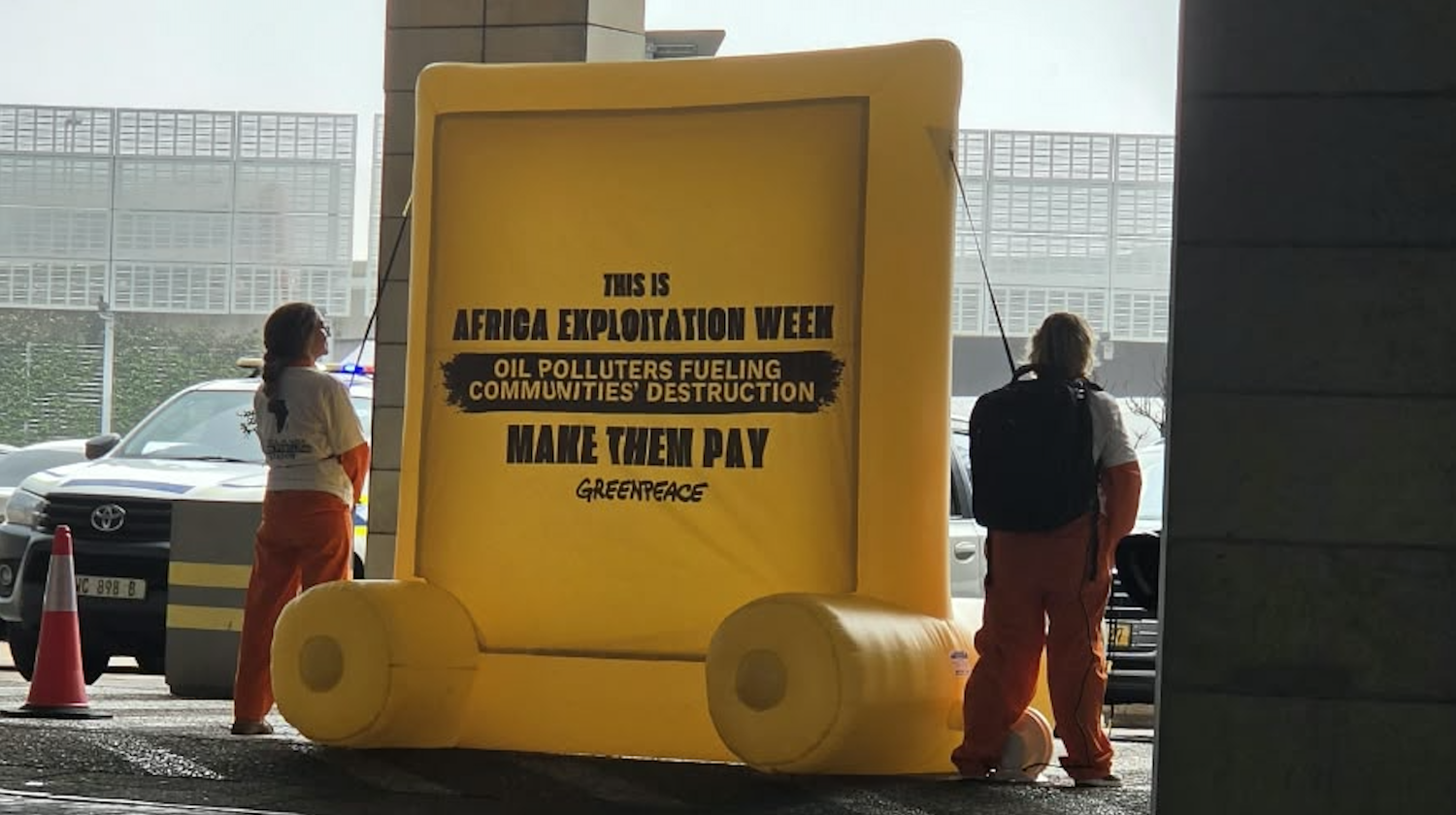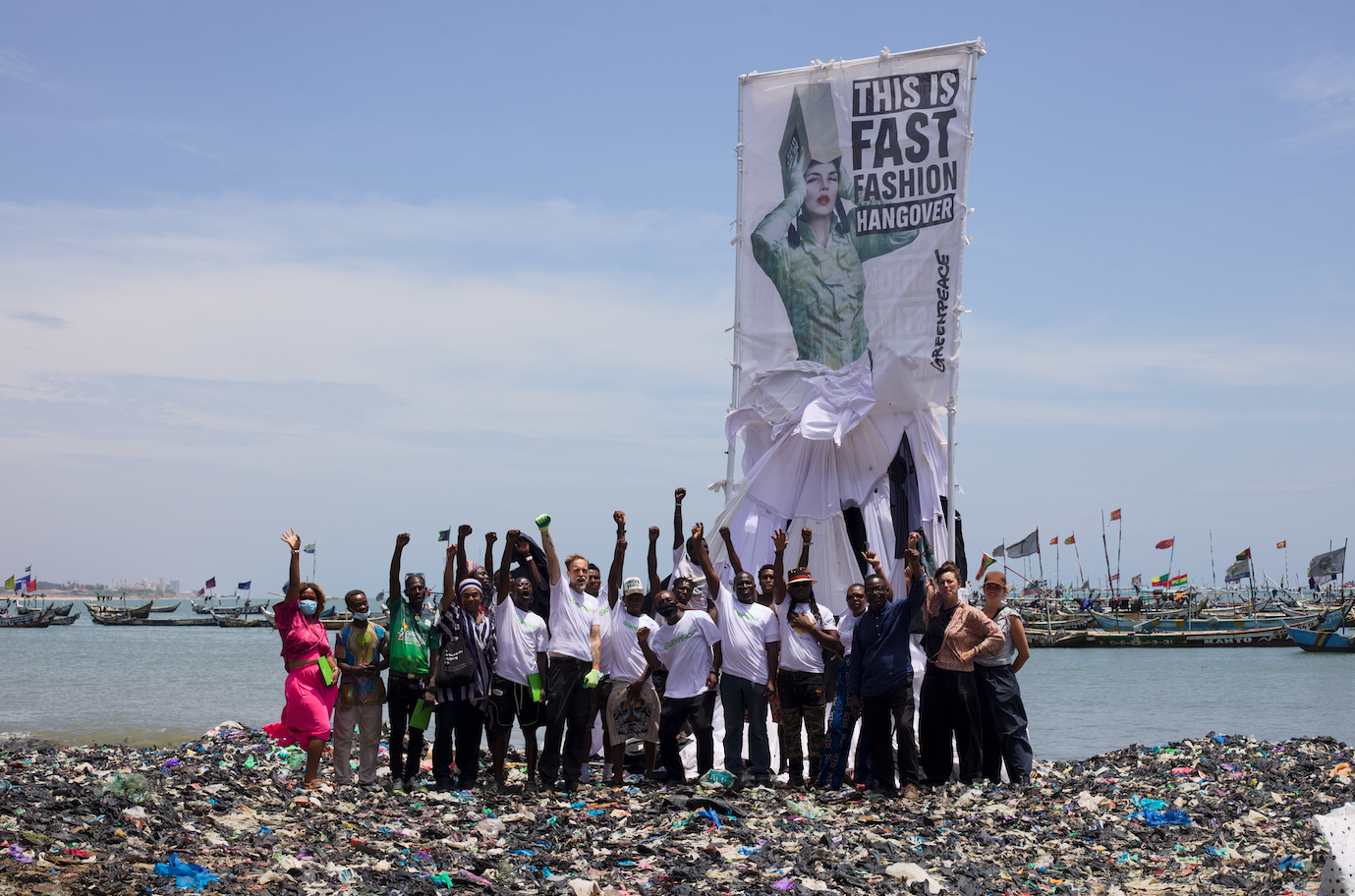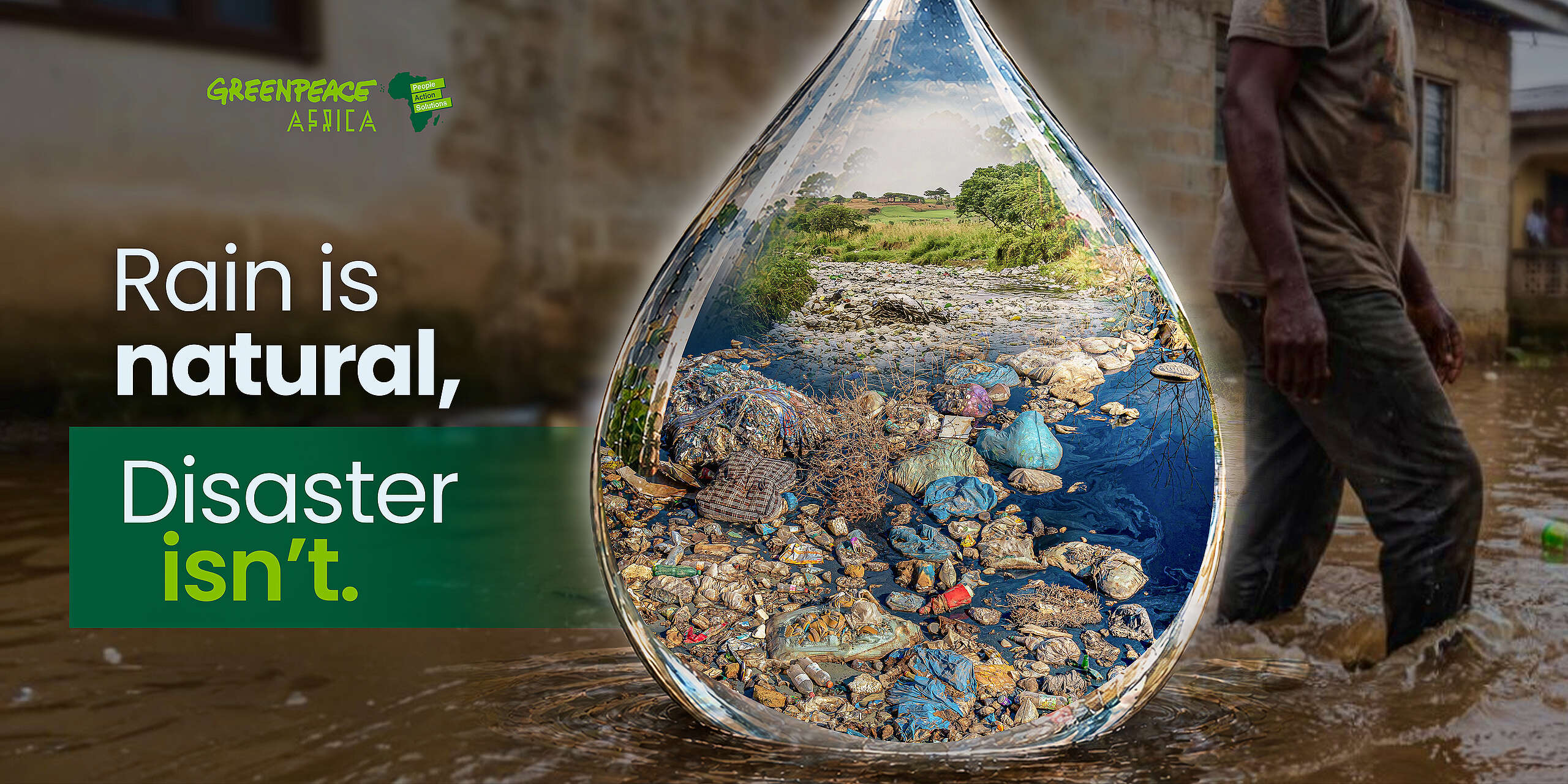
This week, Mombasa is hosting the world.
The 11th Our Ocean Conference – the first ever held on African soil – brings together governments, corporations, scientists and civil society organisations under the sweeping banner of “Our Ocean, Our Heritage, Our Future.”The venue is Mombasa. A city drowning. Not metaphorically. Literally.
The sewage in the room
Let’s start with what no conference brochure will tell you. Mombasa pumps the vast majority of its liquid waste directly into the Indian Ocean, not through negligence or bureaucratic delay, but through the structural collapse of a sanitation system that has never been adequately replaced.
Governor Abdulswamad Nassir said it himself, in June 2025: 95 per cent of Mombasa’s liquid waste ends up in the ocean. “The question is, where does all the waste go? Because it cannot be accounted for.”
The answer, for decades, has been: the sea.
The Kizingo Sewage Treatment Plant, built to serve Mombasa Island, has been dead for over 33 years. The Kipevu plant on the west mainland has been non-functional for 13. The Auditor General found Kipevu “idle” and Kizingo “left in ruins following vandalism.” Reviving both would cost billions of shillings the county does not have. In Old Town, sewage pipes discharge wastewater directly into the ocean through an outfall barely 43 metres from shore. Only 17 per cent of Mombasa County is connected to any sewage infrastructure at all.
Into this city, where raw human waste has flowed into the Indian Ocean for a generation, the world has now arrived to discuss protecting it.
Plastic, mangroves, coal dust
Before conference delegations began arriving, Mombasa’s beaches had a different kind of visitor: plastic. Tonnes of it. Daily.
Every Mombasa resident contributes roughly 3.7 kilograms of plastic to local waterways each year, most of it ending up in the ocean. Across the continent, an estimated 600 million Africans depend on ocean resources for food security and livelihoods. As Hellen Dena, Greenpeace Africa’s Plastics Campaign Lead, put it: “You cannot talk about protecting the ocean without addressing plastic pollution. From beaches to deep-sea ecosystems, plastic waste is everywhere.”
There is something particularly bitter about the conference theme invoking “heritage.” At Tudor Creek, where Mombasa Island meets the mainland, more than 1,850 hectares of mangrove forest has been destroyed through harvesting, encroachment, and pollution. Urban areas around the creek have lost nearly 80 per cent of their vegetation cover. In Mtwapa, satellite imagery from 2007 to 2025 documents the same story: lush forest turned to bare mudflats.
A few kilometres from the conference halls, residents of Kisauni and Nyali have been living with a different threat. In early 2024, coal dust from Bamburi Cement’s open storage site blanketed neighbourhoods within a three-kilometre radius, triggering spikes in respiratory illness and asthma attacks. The company formed a committee and pledged a sustainable solution. The solution remains pending, as with Mombasa’s sewage, and its mangroves.
Commitments and accountability
In October 2025, ahead of the conference, Governor Nassir announced a youth-led waste management programme: a new chapter, he said, in keeping Mombasa “clean, green and healthy.” It is a worthy initiative. It is also a familiar one. A global gathering descends, the beaches get swept, and the underlying systems that have been failing for decades remain intact.
The Our Ocean Conference has, to its credit, generated thousands of measurable voluntary commitments since 2014. As of early 2025, the World Resources Institute reported 43 per cent completed and 38 per cent in progress. These are not trivial numbers. But a commitment made in a city that has been discharging raw sewage into the Indian Ocean for thirty years is also a kind of provocation, asking the world to be inspired by a vision of ocean protection the host city has not yet delivered for its own residents.
Mombasa is not the wrong place for this conference. It is exactly the right place. The threats are not only local: IUU fishing costs West Africa billions of dollars annually and is stripping African waters of the fish stocks coastal communities depend on for survival. The BBNJ Agreement, adopted in 2023, offers a direct mechanism to address it by enabling Marine Protected Areas on the high seas. As Dr. Aliou Ba, Greenpeace Africa’s Oceans Campaign Lead, said this week: “African governments cannot afford to delay. The time to act is now.”
Fisherman Athman Mwinyi said it plainly: “The ocean is our life and we must protect these resources for future generations.” He was speaking from a coastline where that principle has not been governing policy.
The test of this conference is not the pledges signed inside the hall. It is whether the governments inside it, starting with the one hosting it, will finally be held to the same standard they are asking of the world.