
News & Stories
Filtered results
-

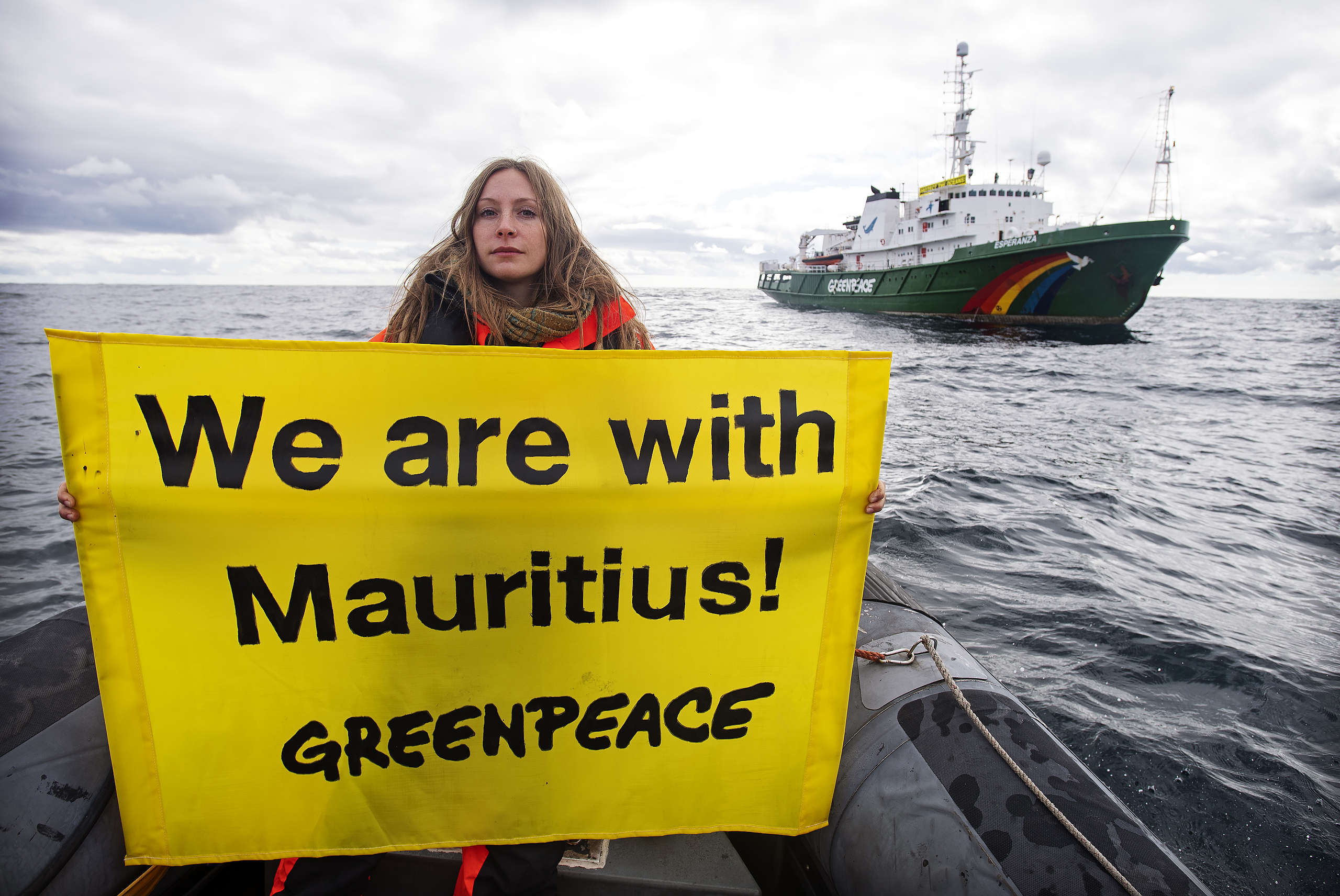
Mauritius Oil Disaster – Open Letter
Following the grounding of the Japanese chartered and owned MV Wakashio, we wrote to you on 24 August 2020, with a number of questions about the Government’s response to this unfolding disaster. We have not yet had a reply.
-
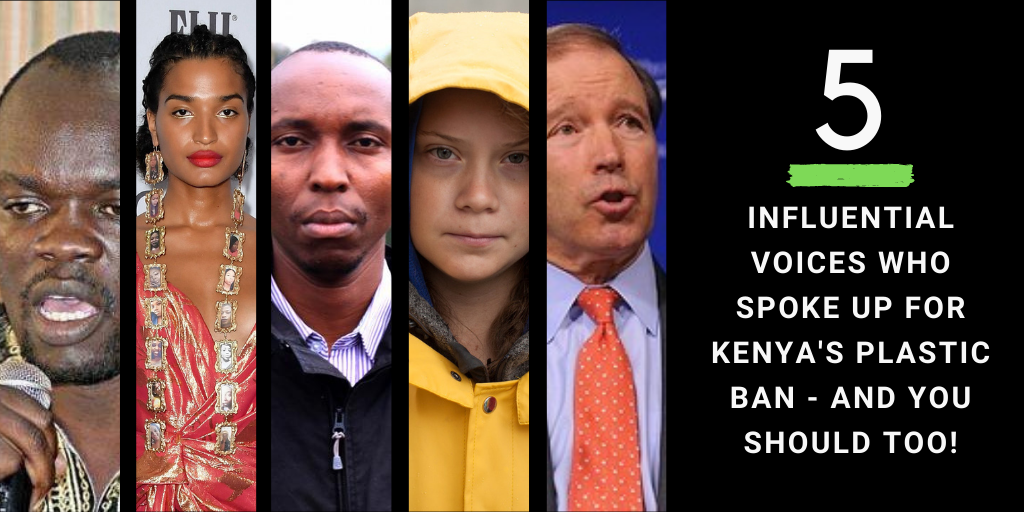
5 influential voices spoke up for Kenya’s Plastic Ban – and you should too!
Several of the world’s most influential voices took to social media when the news broke, expressing disgust at this attack on Africa’s plastic-free progress. Here’s what they had to say
-
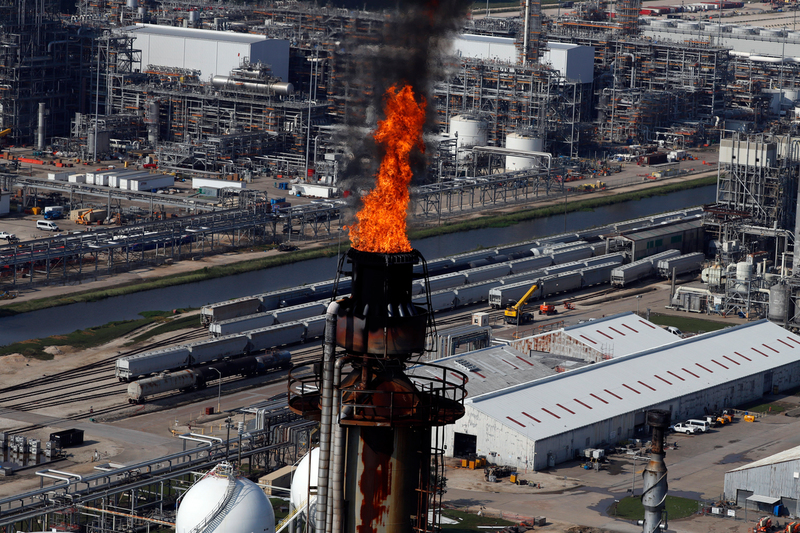
Volunteer Blog | Fuelling the Fire
This period is defined by the way human activities have impacted biophysical processes which, in turn, have begun to degrade natural ecosystems and the benefits we are able to obtain from them.
-
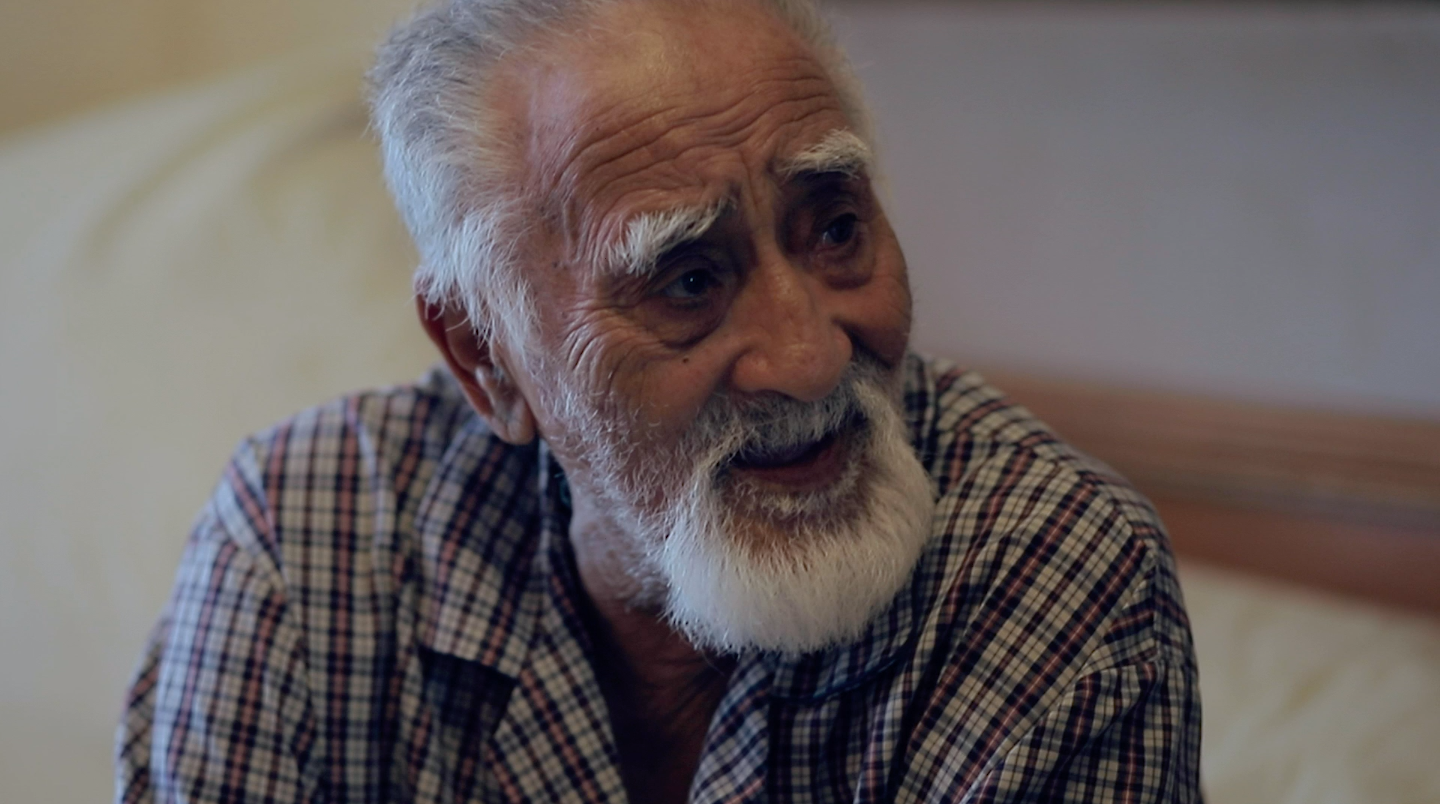
An interview with the directors of GUTTED: A documentary on the harmful impacts of industrial fishing on Cape Town’s communities
We sat down with Angelo Louw (AL), Greenpeace Africa’s Digital Mobilisation Officer and Plastics Lead, and filmmaker Malcolm Rainers (MR) to talk about their process and passion to make sure stories and voices like these are centered in the fight for environmental justice
-
Analysis Exposes American Chemistry Council’s “Chemical Recycling” Fantasy
A new Greenpeace report, Deception by the Numbers, examines 52 projects touted by the American Chemistry Council (ACC) as “chemical” or “advanced” recycling, finding that many are either not viable or misleadingly promoted as recycling
-
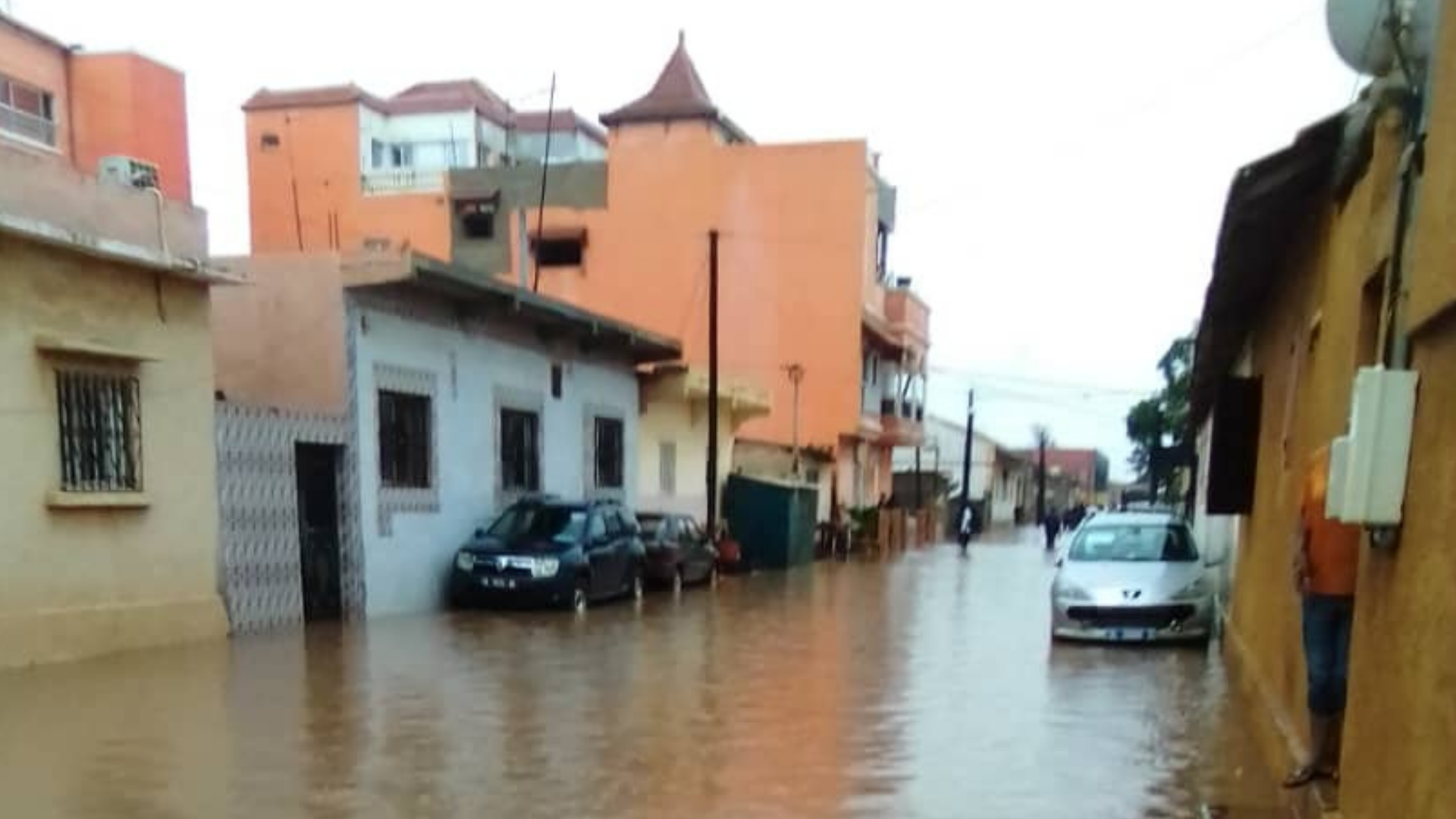
Greenpeace Africa on floods and thousands displaced in Senegal: “Community aid is not enough. Bold climate action needed to prevent more floods”
Dakar, 7 September 2020 – Senegal found itself submerged under water, after extraordinary floods yesterday, with more rainfall in one day than the total amount that usually falls during the…
-
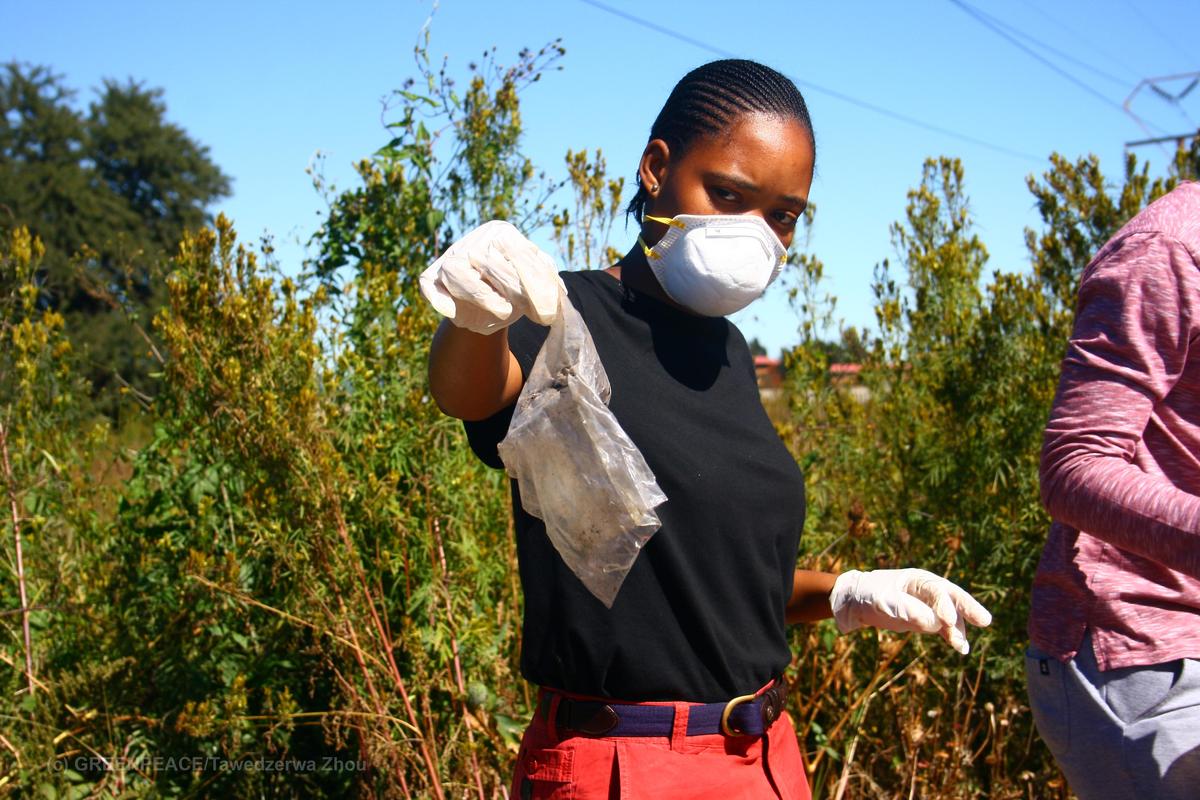
Covid-19 Fuelling the Resurgence of Single-use Plastics
Africa is a world leader in banning plastic bags with thirty-four out of fifty-two countries having bans, or passed the legislation to ban single-use plastics. Much as the current COVID-19…
-
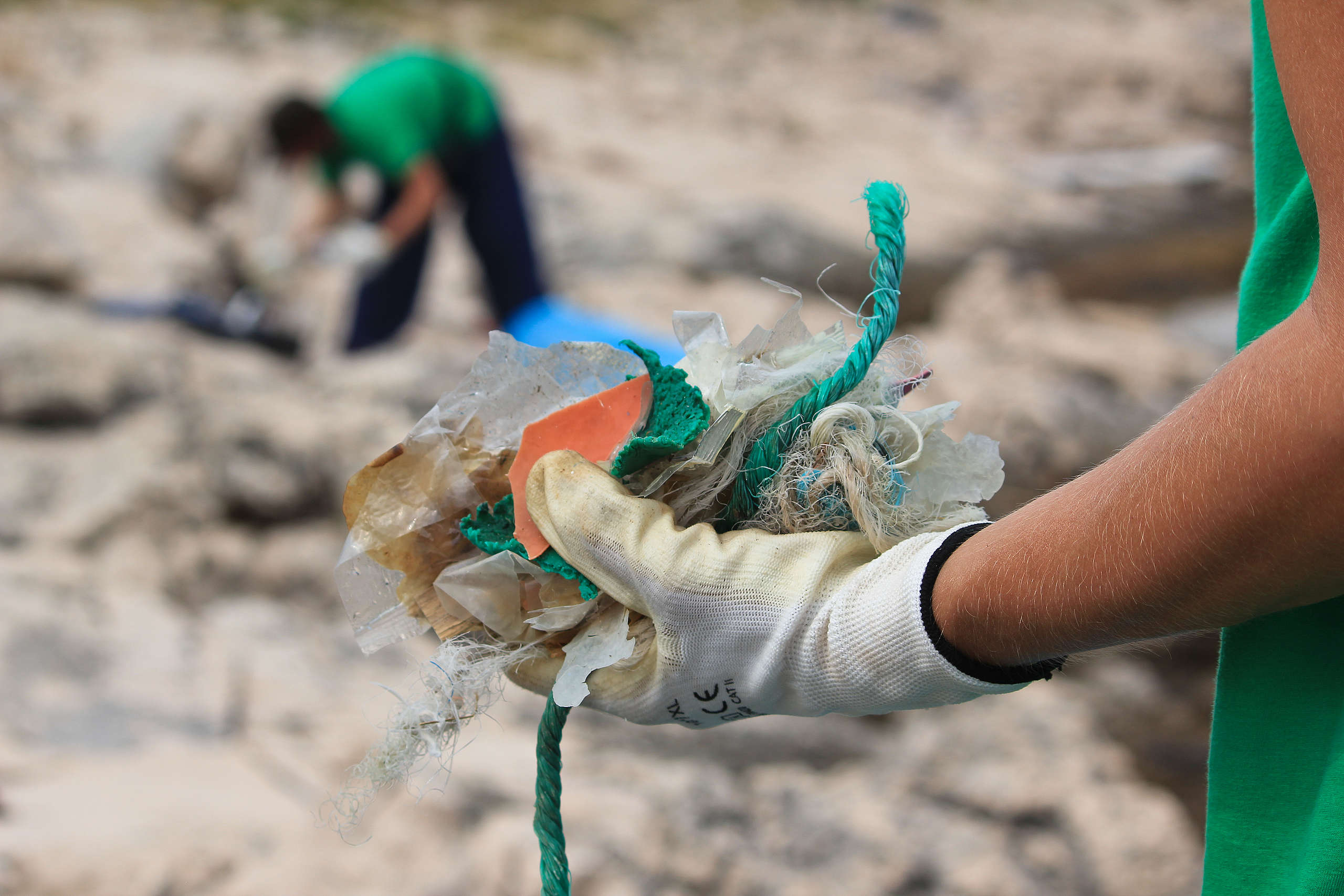
Ban the Bag: Greenpeace Africa implores public to comment on plastic regulations
Johannesburg, 02 September 2020 — The Department of Environment, Forestry and Fisheries has called for public comment on amendments to plastic bag regulations[1] which favour recycling, a false solution to…
-
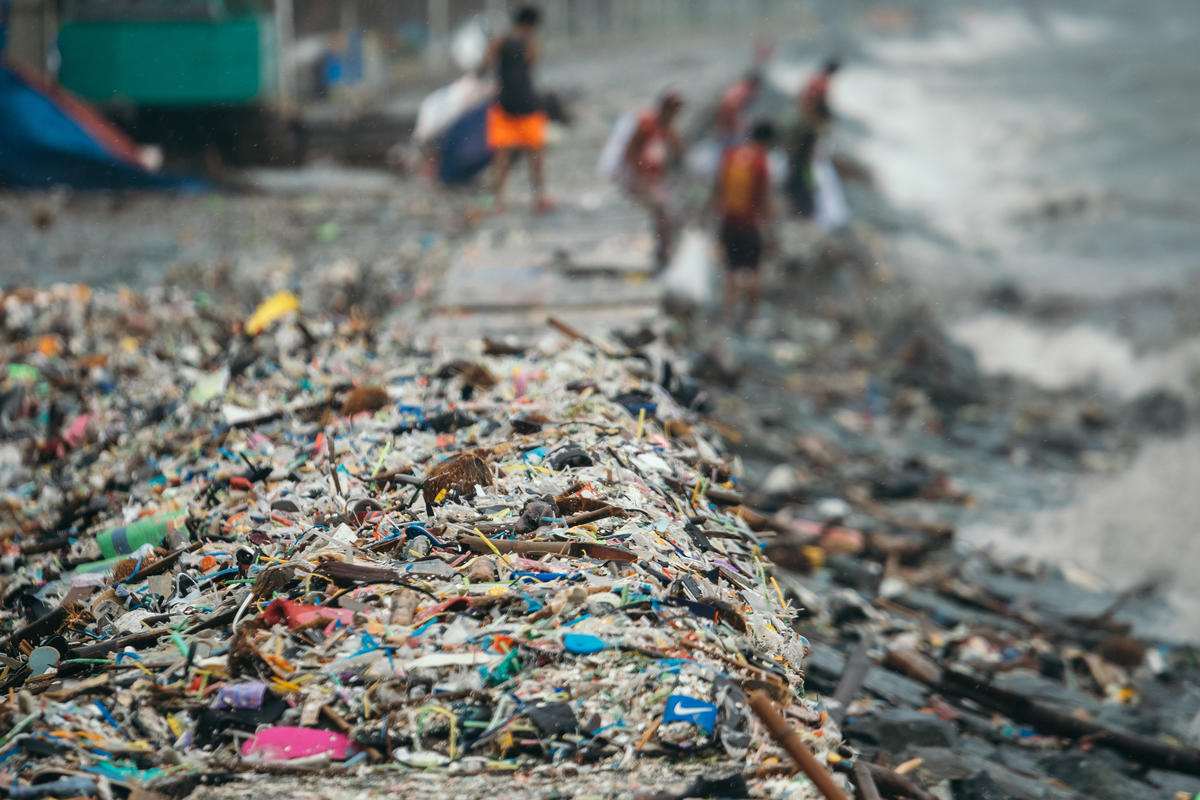
Don’t Let Africa Become a Dumping Site: Greenpeace Urges CS Maina
Nairobi, 2 September 2020 – Following the release of the New York Times article and Greenpeace Africa’s Media Release revealing that lobbyists from the American Chemistry Council wants to use…
-
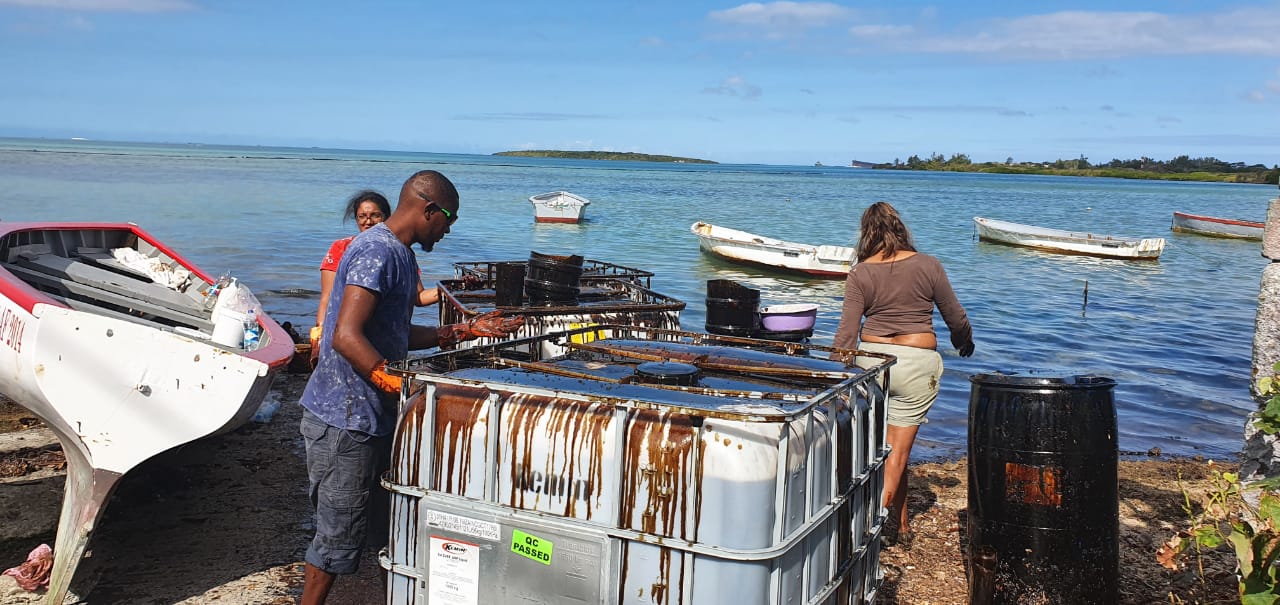
Looming threat of second oil spill in Mauritius: Greenpeace calls for transparency
On August 31, around 19.30 Mauritius local time, a barge carrying oil from the stricken Japanese iron-ore vessel The Wakashio collided with a tug boat pulling it.