

A rhino in Sumatran Rhino Sanctuary (SRS) in Way Kambas National Park.
Reacting to these developments, Greenpeace Africa’s Senior Political Advisor, Fredrick Njehu has said:
“China’s decision to reopen trade on rhino horns and tiger bones will not only reactivate the demand for rhino products, but also contribute to a rise in poaching and other illegal activities. This also reverses steps that have been made to protect these endangered species.
Lifting the ban will contradict the leadership China has shown recently in tackling the illegal wildlife trade. Kenya has a population of about 750 black rhinos, opening this market will further put these at risk.
Greenpeace Africa calls upon China to maintain the ban on tiger bones and rhino horns trade which has been so critical in conserving these iconic species. We also urge the government of Kenya to put stringent measures to ensure the protection and survival of these species.”
Media Contacts:
Hellen Dena, Communication Officer, [email protected], + 254 717 104 144
Want to see more from Greenpeace?
 Add as a preferred source on Google
Related Posts
-
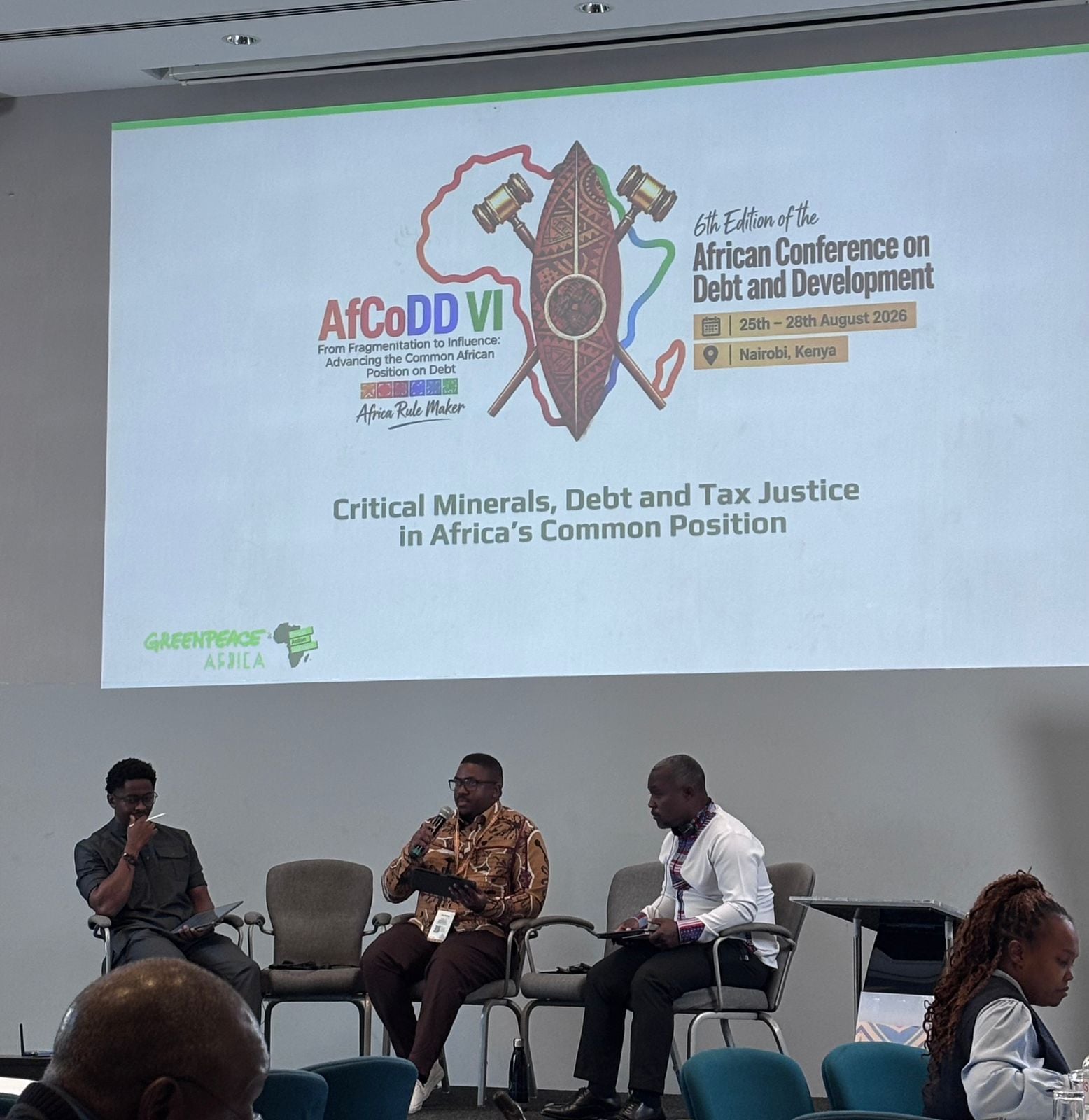
Africa must not trade its critical minerals for another debt crisis
Civil society urges governments to disclose resource-backed deals, strengthen mining taxation and protect communities under the Common African Position on Debt.
-

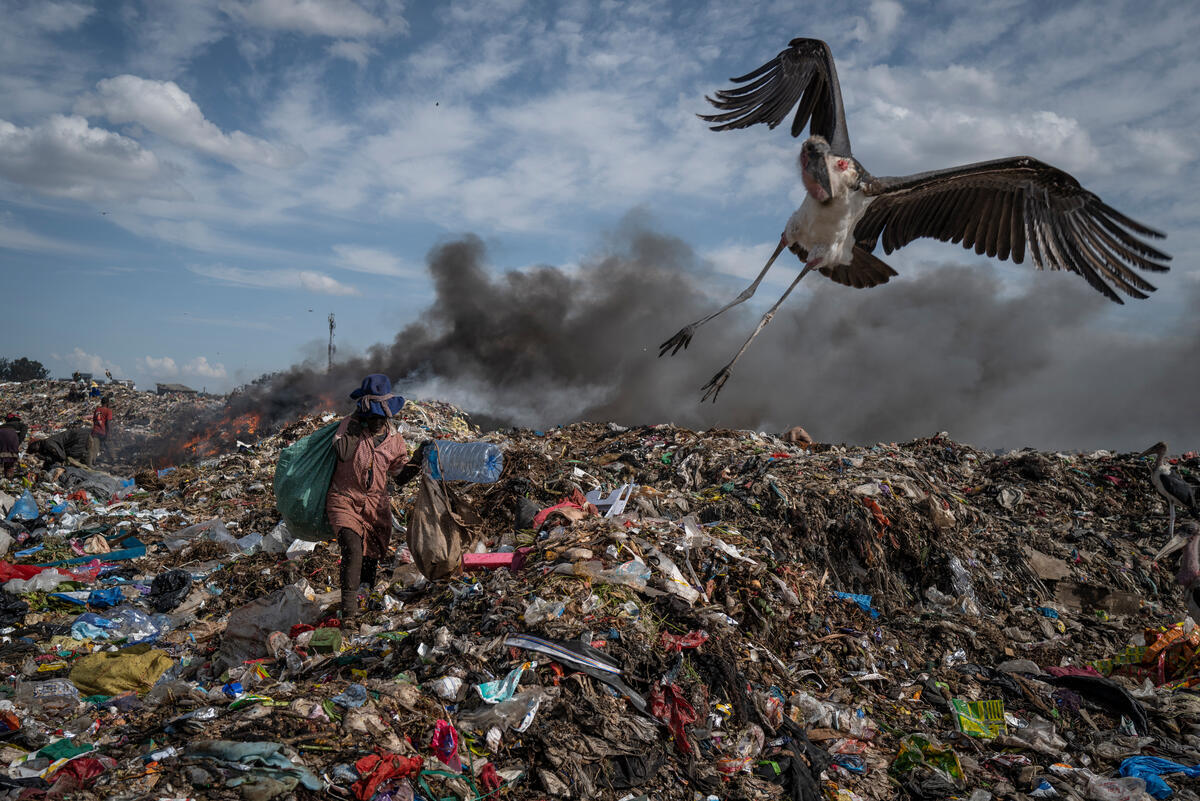
Kenya urged to plug plastic ban loopholes as campaigners handover Refill and Reuse Policy recommendations
Environmental groups are calling on the Kenyan government to seal smuggling loopholes that allow illegal single-use plastics to flood local markets. The demand was made in Nairobi during the handover of policy recommendations to key decision-makers on the anniversary of Kenya’s landmark plastic bag ban.
-
Policy Recommendations: Strengthening Refill and Reuse Systems in Kenya’s Environmental Framework
Multiple policy, legal and regulatory frameworks remain largely focused on recycling and post-consumer waste management, rather than preventing waste through systemic refill and reuse solutions. While reuse is mentioned conceptually in EPR regulations, they are not yet supported through specific mandates, standards, or incentives. This creates a critical policy gap especially as Kenya grapples with…