
All articles
-

Greenpeace Africa strengthens indigenous knowledge and climate resilience through agroecology and beekeeping training in Lokolama
Greenpeace Africa has completed a community training exchange on agroecology and beekeeping in Lokolama, Equateur Province, bringing together Indigenous Peoples and Local Communities (IPLCs) from the villages of Lokolama and Penzele.
-
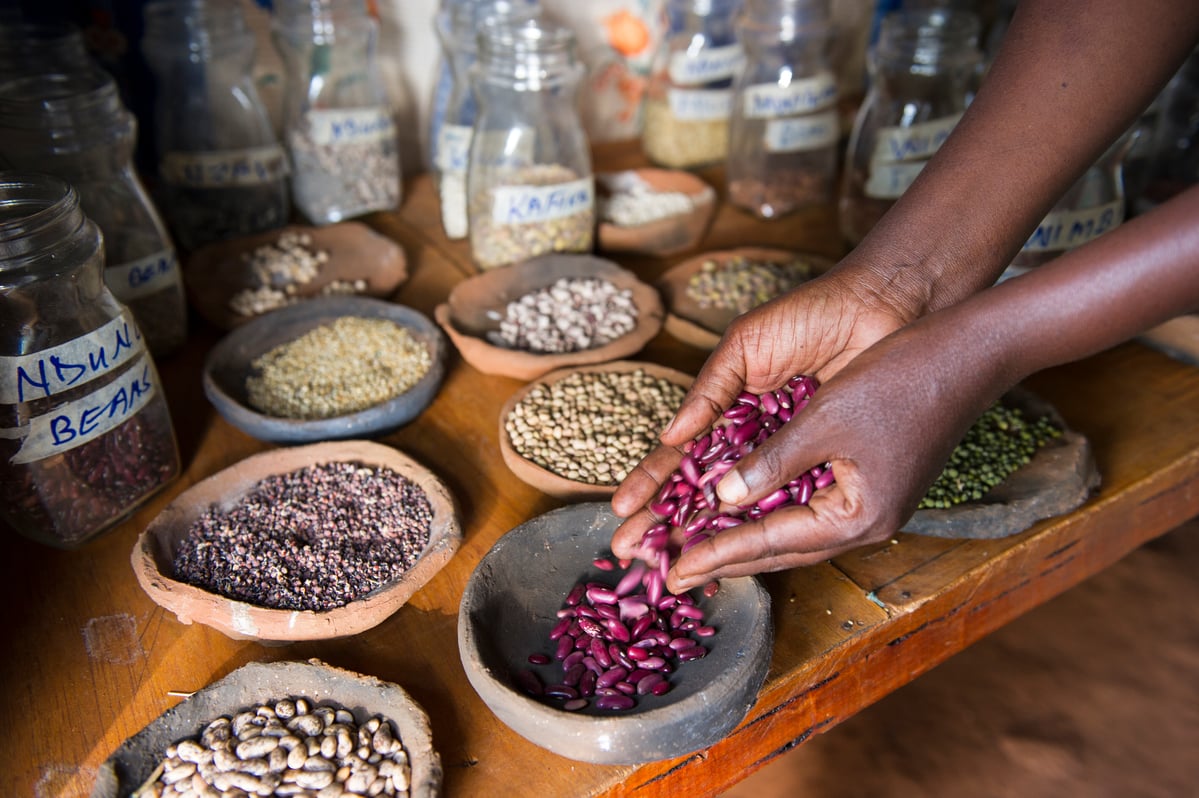
HISTORIC VICTORY: Kenyan Court Rules “Sharing Seeds is Not a Crime” in Landmark Verdict for Food Sovereignty
This judgment establishes powerful legal precedent globally, affirming that the ancient right of farmers to save and share seeds supersedes commercial interests, reshaping the legal balance of power between communities and agribusiness worldwide.
-
Banned in Europe, booming in Africa: the dirty secret of pesticide exports
Following World Food Day, we examine how EU-banned pesticides are still being exported to Africa – and why we must speak out and demand stronger protection laws.
-
Out of the frying an, into the fire: Greenpeace Africa and indigenous farmers reject the Seeds and Plant Varieties (Amendment) Bill, 2025
Amid growing outcry from indigenous and small-scale farmers, and civil society allies, Greenpeace Africa urgently calls on the Kenyan Senate to reject the Seeds and Plant Varieties (Amendment) Bill, 2025, a proposal that trades one flawed system for an even more dangerous one, escalating corporate control over Kenya’s seeds and sidelining the voices of those…
-
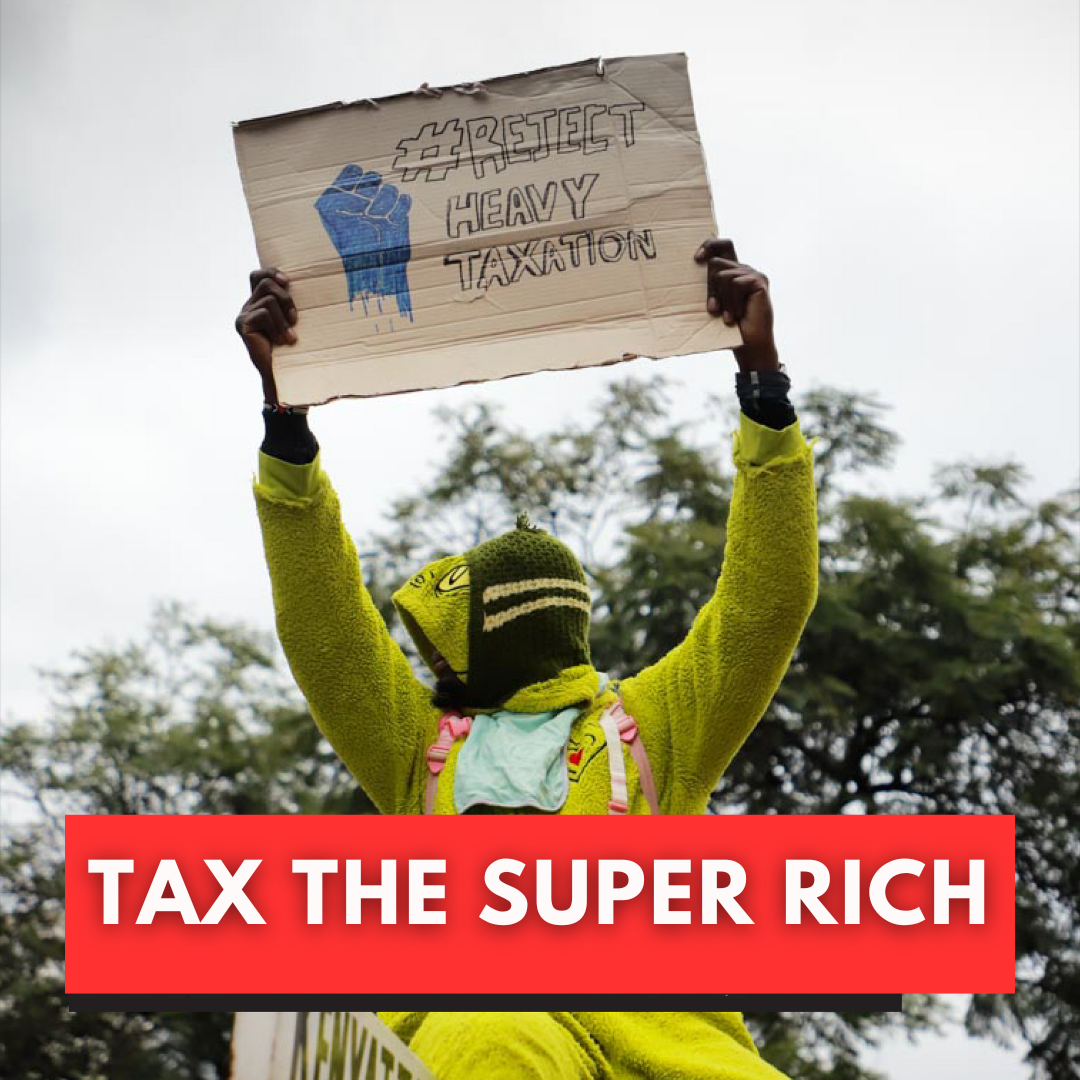
When veggies become a fancy treat – thanks, climate change!
When fresh fruits and veggies turn into fancy luxuries, you don't even need to scroll through the news; just take a sec to reflect on how the climate crisis is messing with our daily lives.
-
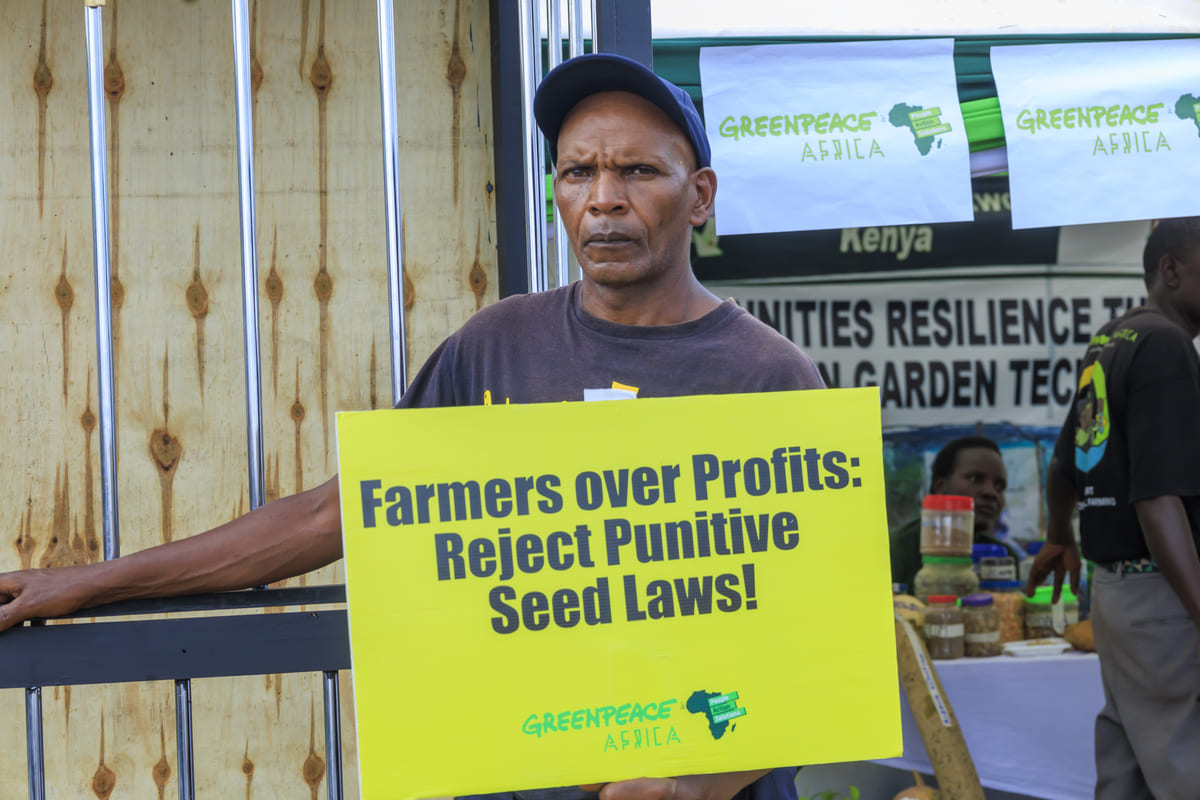
Farmers vs. Corporations: The Struggle to Protect Seed Sovereignty and Biodiversity in Africa
Indigenous seeds, adapted over generations to local climates and soils, are more resilient to pests, diseases, and extreme weather conditions. These seeds are integral to agricultural biodiversity, providing a diverse genetic pool vital for the resilience of community food systems.
-
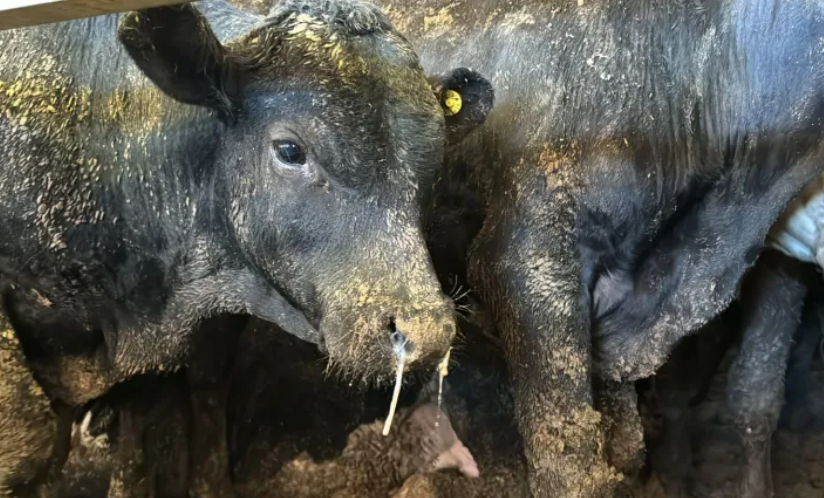
Greenpeace Africa Statement on the docking of 19 000 cattle in the AI Kuwait in Cape Town
Pictures of the Al Kuwait ship which docked in Cape Town with 19 000 cows aboard last Monday shows distressed cattle covered in urine and feces. This deplorable news made headlines and provoked a great deal of indignation among residents and environmentalists in Cape Town.
-
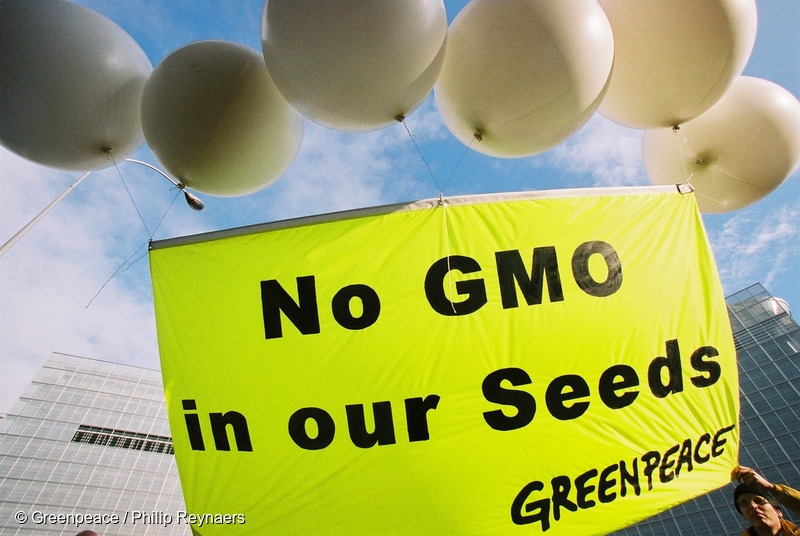
Greenpeace Africa Statement on the reinstatement of GMO Maize cultivation in Kenya, Friday 13th October
Kenya’s environment court dismissed a petition challenging the importation and cultivation of genetically modified organisms (GMOs) Maize in Kenya. Following this judgement, Greenpeace Africa’s Food Campaigner Elizabeth Atieno had this response.
-
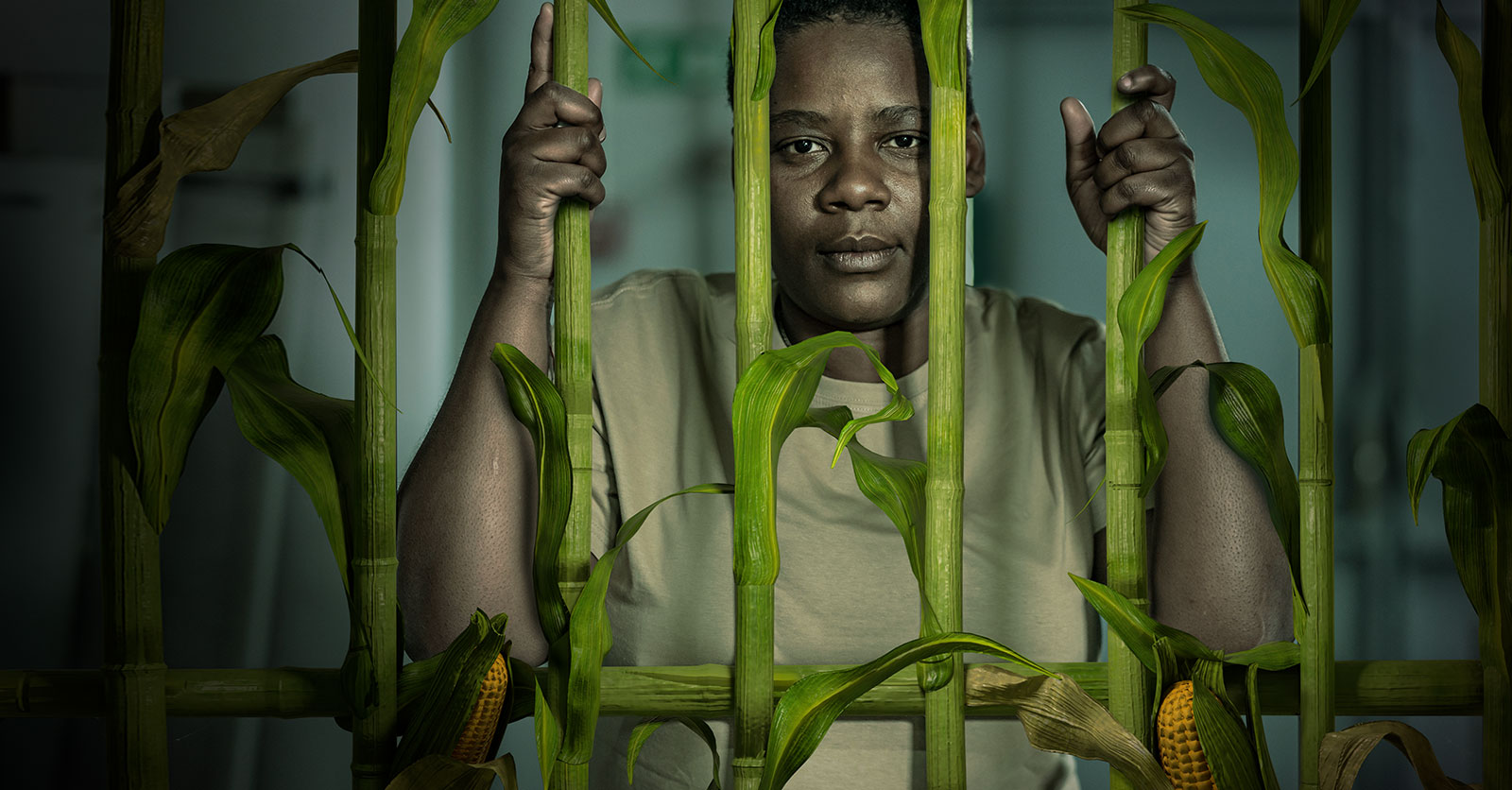
Farmers’ Rights Over Corporations: A Plea to Amend the Seed and Plant Varieties Act
A punitive law in Kenya punishes farmers with a jail term of up to two years or a fine of 1 million shillings (about 6800 USD) for sharing indigenous seeds without certification or registration.
-
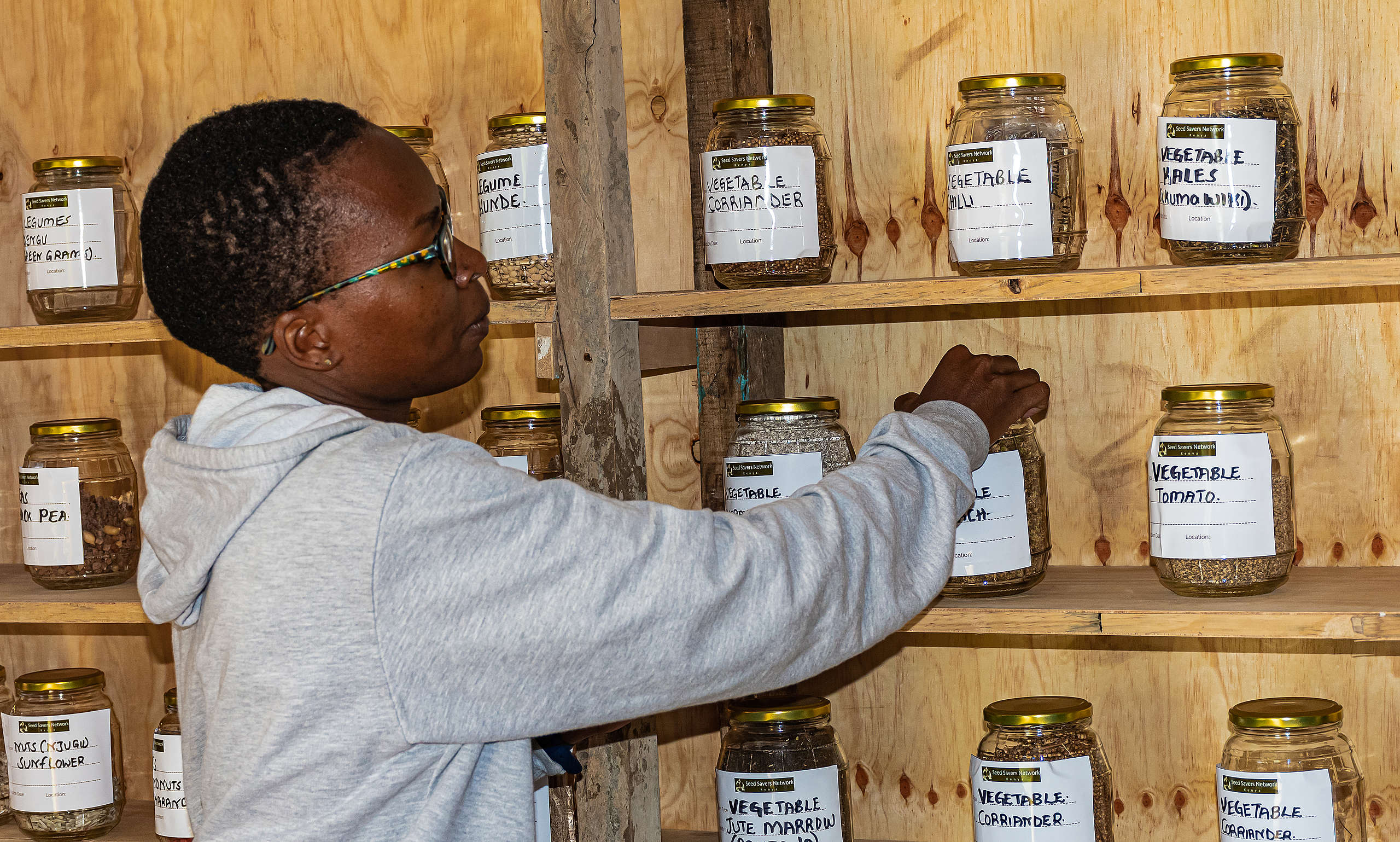
Punitive seed law: an obstacle to food and seed sovereignty
Growing up in the rural village of Kibandahasara, I often saw members of our community growing different varieties of indigenous foods that were used to nourish their families. From rice…