
End Fossil Fuel Power
How fossil fuels cause climate change and delay climate action
Already in 2024,
the fossil fuel
industry
has reported more than
820
federal lobbies

820
is one lobby for every mile in the length of the Rhine river
End Fossil Fuel Power
Getting oil and gas out of climate policy
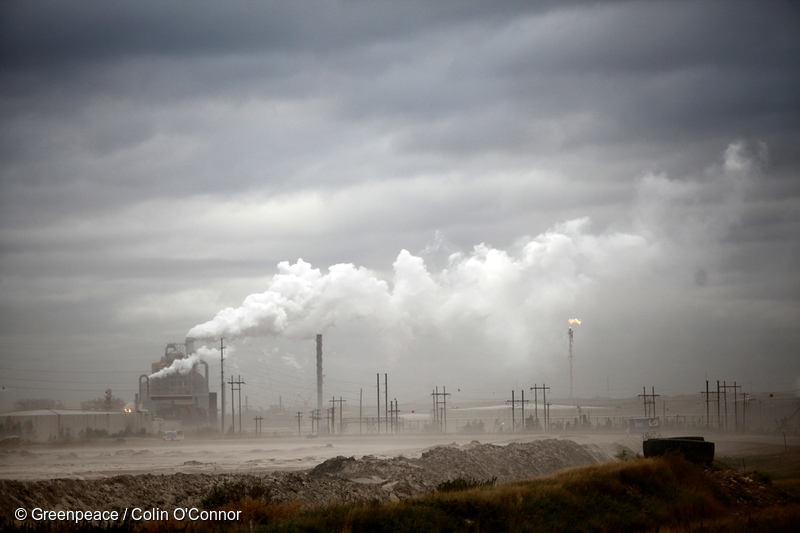
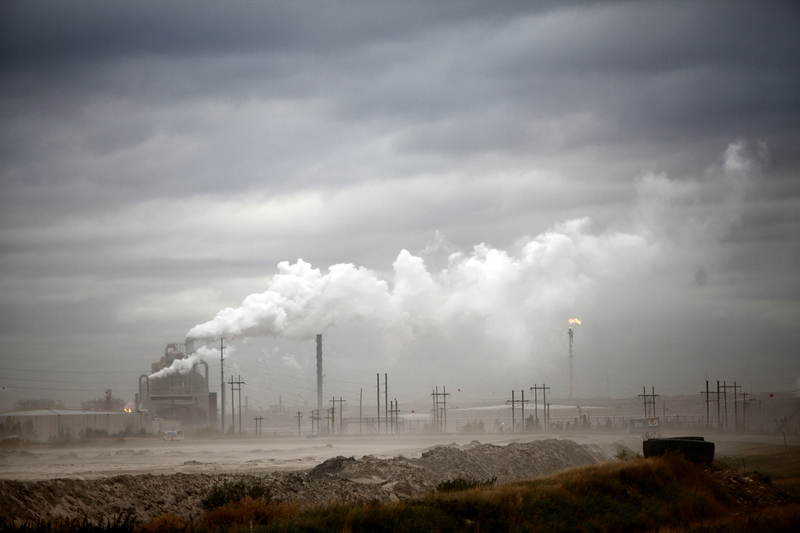
Oil and gas emissions are the biggest drivers of climate change, accounting for 75% of global greenhouse gas (GHG) emissions. But oil and gas companies use their massive financial and political clout to keep the world burning fossil energy. The fossil fuel industry has wasted decades delaying climate action. To mitigate climate change, we need to revoke the industry’s social licence.
Lobbying
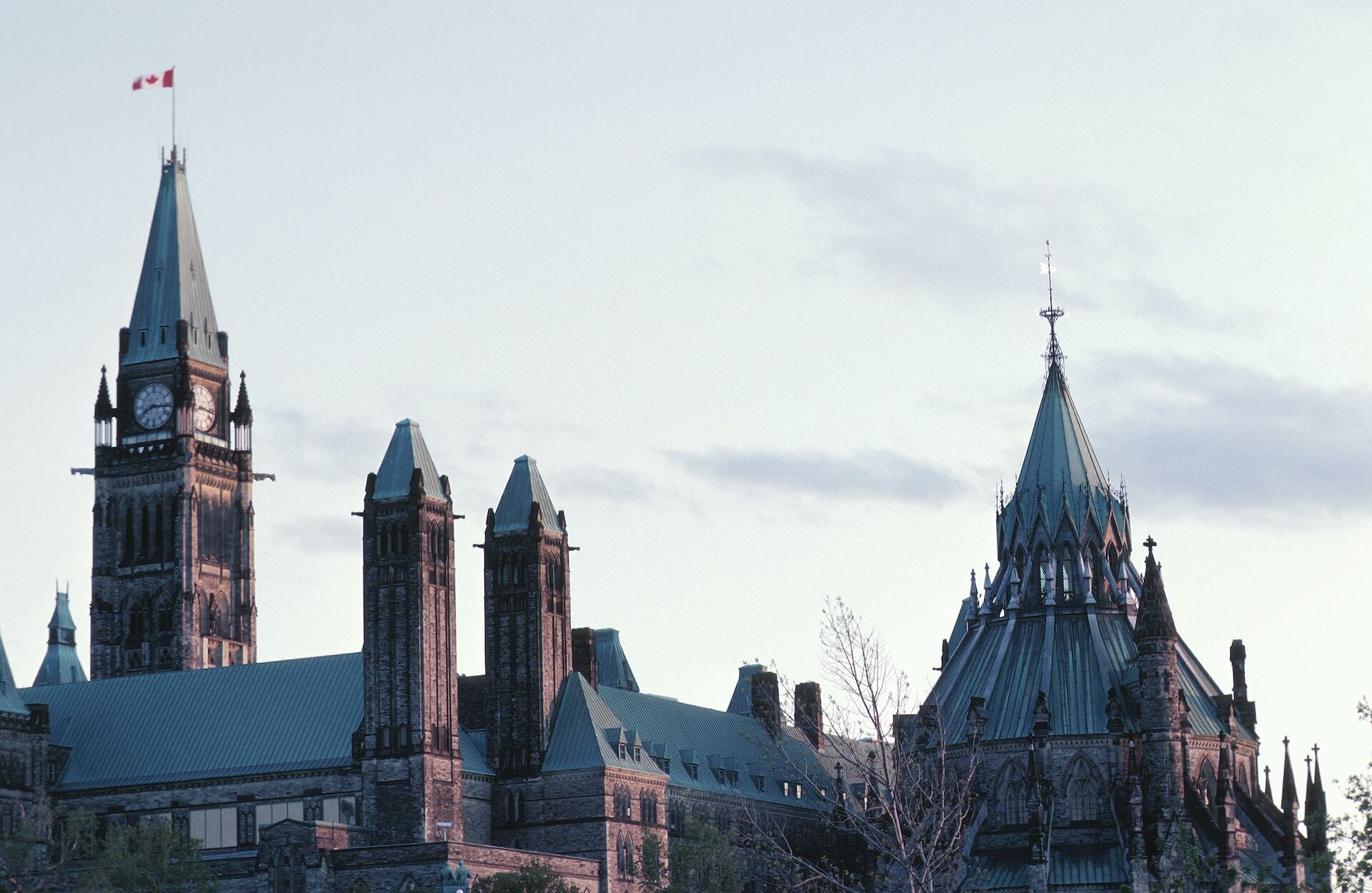
Lobbying means meeting with government officials in order to affect laws, policies, or the awarding of contracts and grants. Access to government is an important part of democracy, but problems arise when one interest has extreme wealth and influence. Money and power enable the fossil fuel industry to lobby often and persuasively, creating the conditions for companies to unduly influence policies meant to protect the environment and mitigate climate change.

Undue Influence
The fossil fuel industry has been pretending to be credible for so long, they’ve been able to embed themselves in key sectors, and social institutions, including: public relations and law firms, corporate boards, government bodies, and post-secondary institutions. Their power and connections mean private interests can have influence over law, policy, and funding decisions that greatly impact environmental health, ecological sustainability, climate justice, and other public goods.
Greenwashing
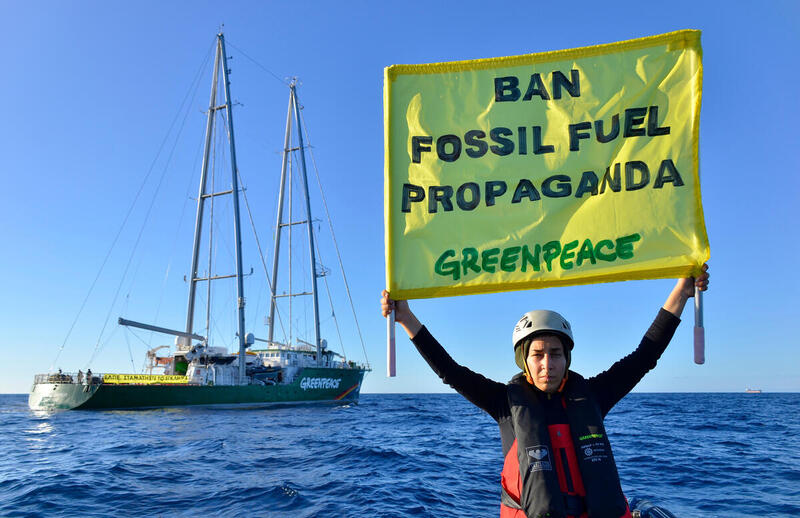
Many fossil fuel companies claim to be climate leaders, but are merely making empty pledges. Fossil fuel greenwashing often includes untrue statements about reducing emissions, under-representing the impact of emissions on the environment, and including only the emissions from operations while omitting the impacts of burning of fossil fuels downstream. Fossil fuel greenwashing has become so widespread, the UN expert group on net zero commitments called for government regulation to restore legitimacy net zero claims.
Companies Behaving Badly
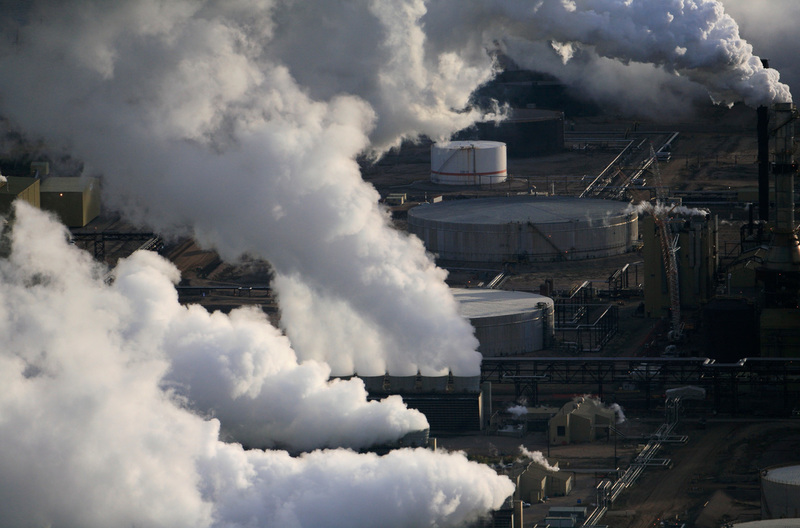
Many fossil fuel companies are not behaving like good corporate citizens. Not only do they fall far short of the leaders they claim to be, many of the companies actively and knowingly cause environmental damage and put vulnerable populations at increased risk of health and livelihood impacts. Whether the companies are expanding fossil fuel production, polluting land and water, or deprioritizing climate mitigation, their self-interested behaviour impacts us all.