

All articles
-
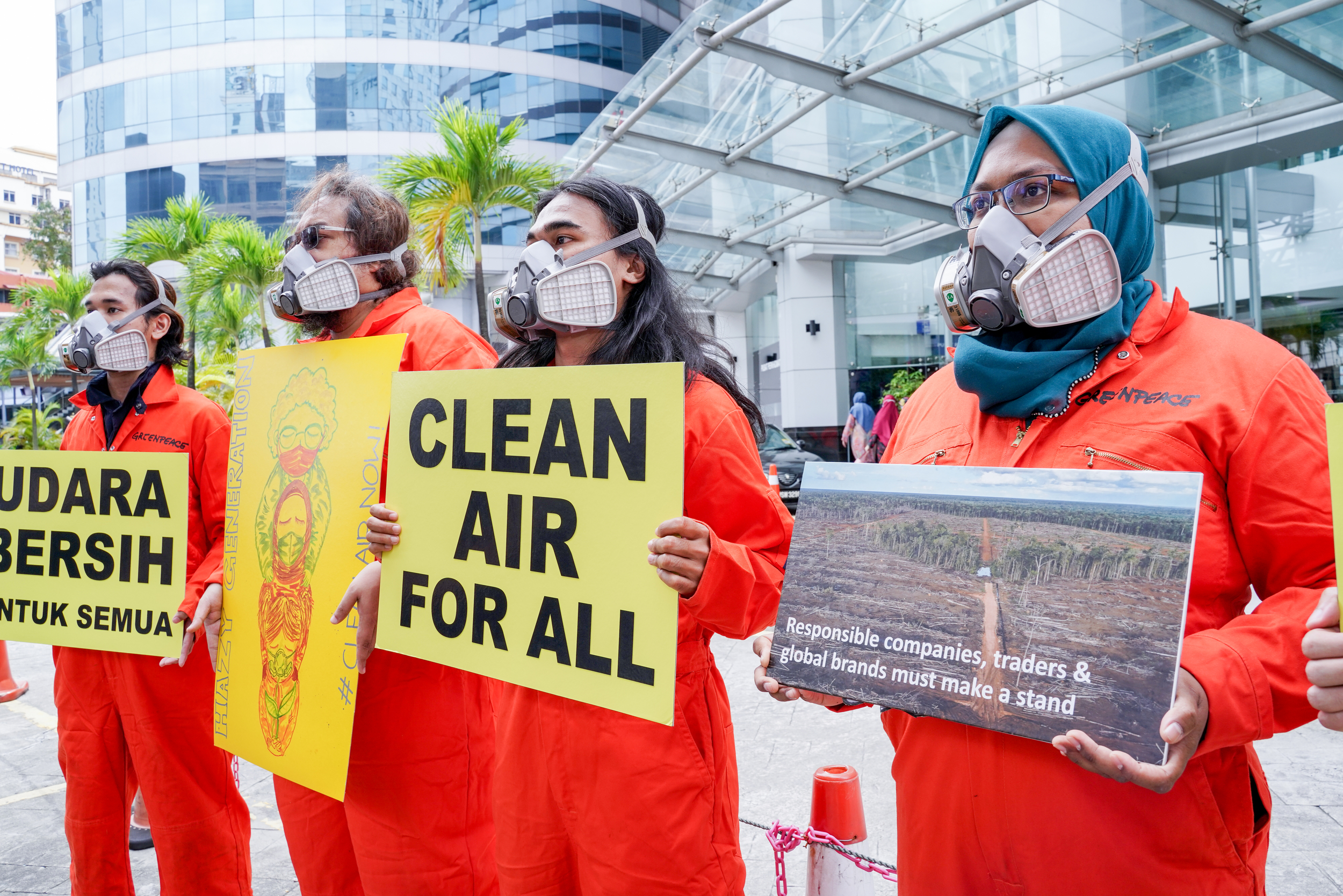
Return of transboundary haze
Transboundary haze pollution is fundamentally a man-made environmental crisis, not an act of God. It happens when short-term economic goals are prioritised over environmental and human rights.
-
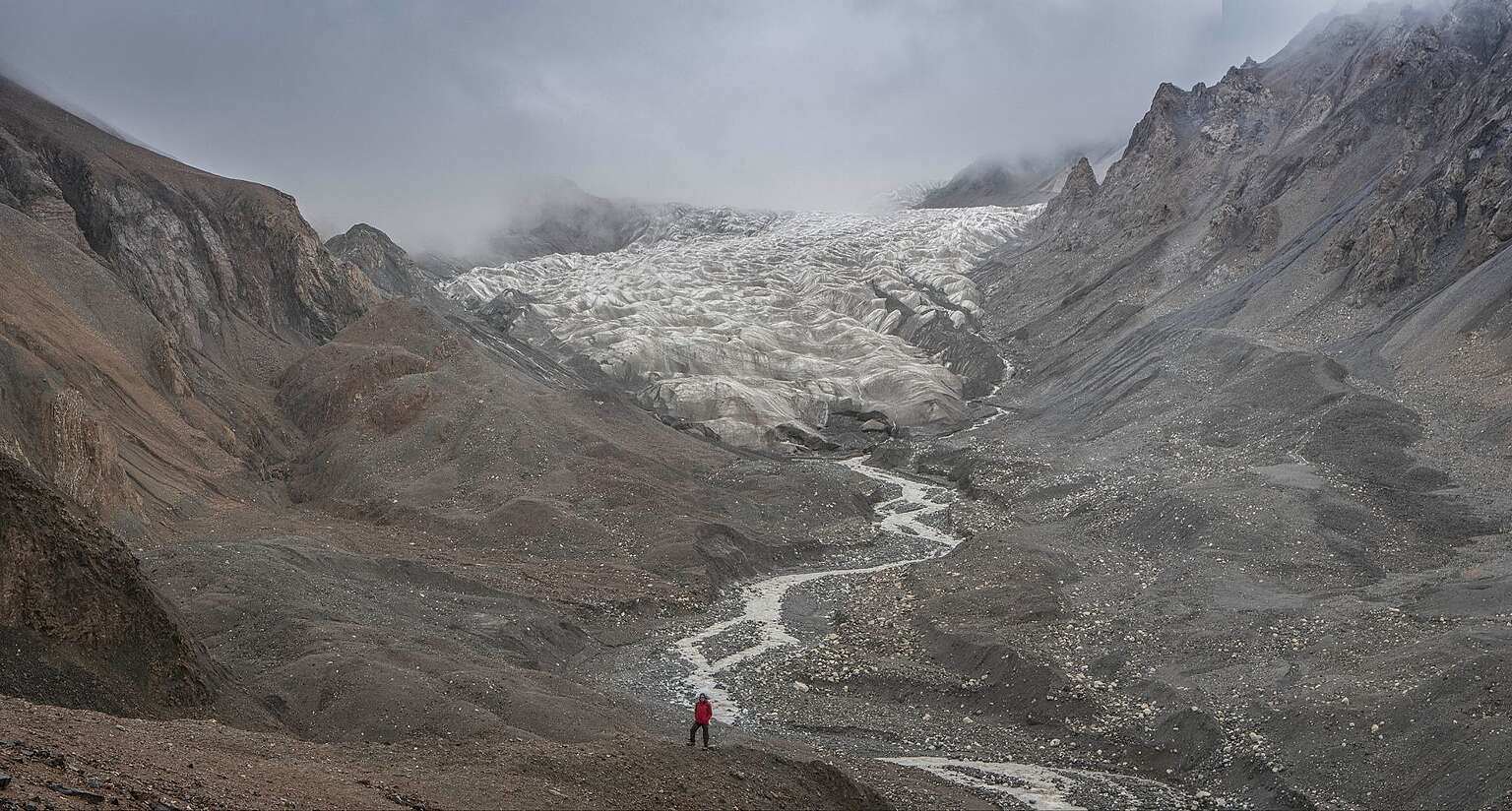
Mudslides highlight the dangers of a destabilised Himalayas
As Malaysia prepares to mark Merdeka Day, the devastating floods and mudslides along the Nepal–Tibet border have have a strong significance as dozens of Malaysian nationals remainstill uncontactable as efforts…
-

The air I used to trust
On running, community, haze, and the people who don't get to wait the haze out behind a closed window.
-

What’s being done about haze?
Haze has darkened the skies across Southeast Asia for decades. While the smoke keeps returning, our response to it has changed over the years.
-
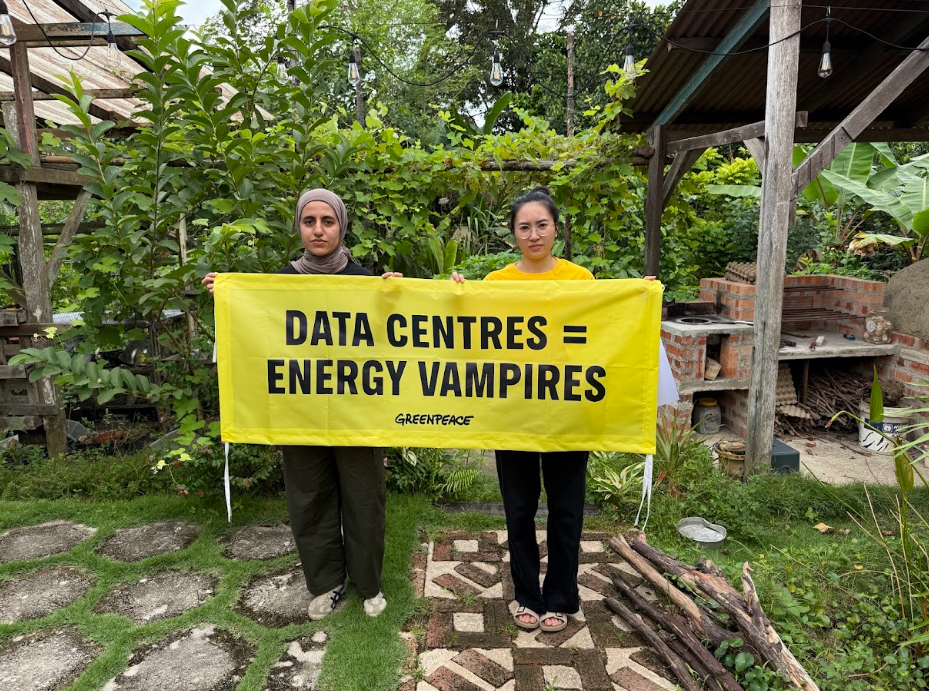
Civil society calls for ban on data centres near residential areas
Malaysia is increasingly becoming a hub for data centres. By 2035, data centres are expected to comprise one-thirds of Malaysia’s total energy consumption, accounting for 73,274 GWh annually.
-
Solving Haze-zilla before the next Godzilla El Niño
This year, scientists have warned that severe 'Godzilla El Niño' conditions will increase the risk of drought, forest fires and transboundary haze across Southeast Asia.
-

How the Godzilla El Niño may resurface Hazezilla
We are reaching the midpoint of the year 2026. There is no doubt we are facing more challenges with the energy crisis and dependency on fossil fuels. The upcoming Godzilla…
-

World’s richest 0.01% estimated to have nearly US$1 trillion in annual climate debt
A very small group of ultra-wealthy individuals is associated with disproportionate climate harm, driven alarmingly by their ownership of and investments in high-emitting activities alongside their carbon-intensive lifestyles, a Greenpeace Africa report revealed today.
-
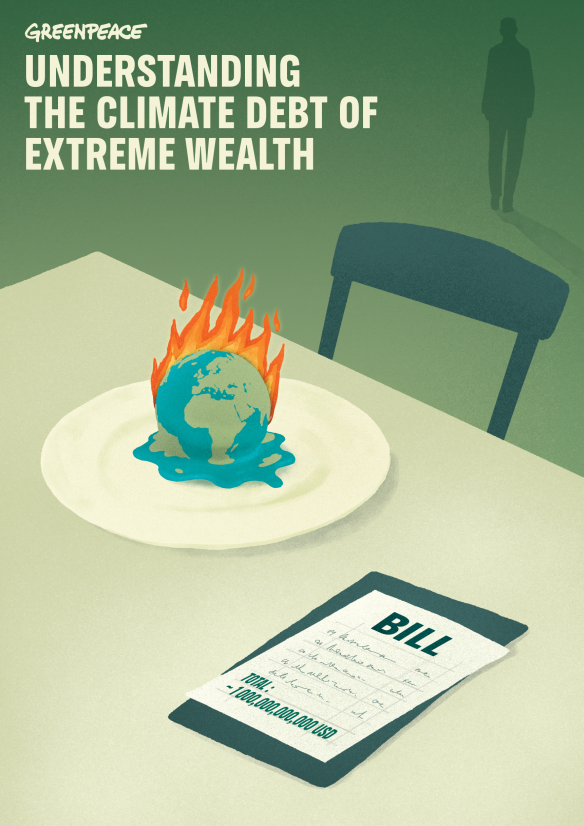
Understanding the Climate Debt of Extreme Wealth
A very small group of ultra-wealthy individuals is associated with disproportionate costs of climate harm, driven alarmingly by their ownership of and investments in high-emitting activities alongside their carbon-intensive lifestyles, a new Greenpeace Africa report revealed.
-

Global Ocean Justice Now
From Patagonia to the Gulf of Thailand, the communities who know the ocean best are rarely the ones deciding its future. That is not just a justice problem – it is also why global ocean protection is failing.