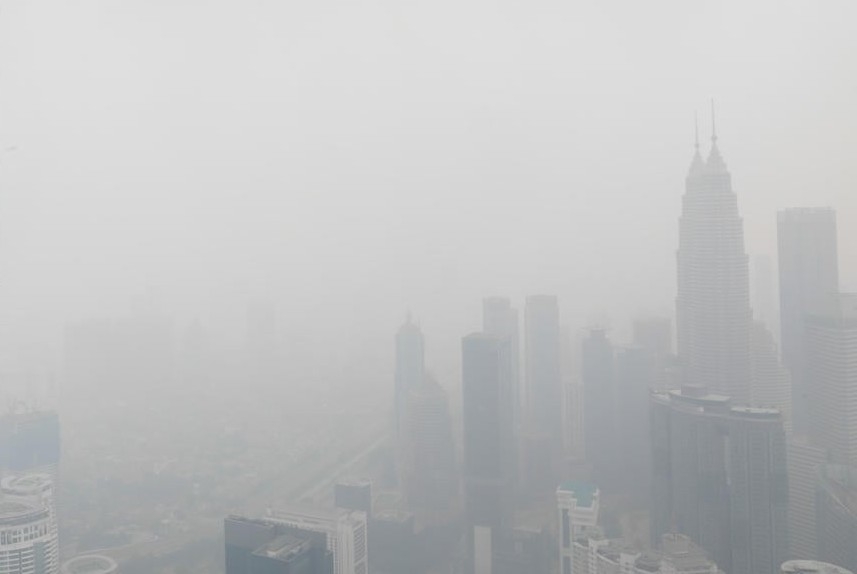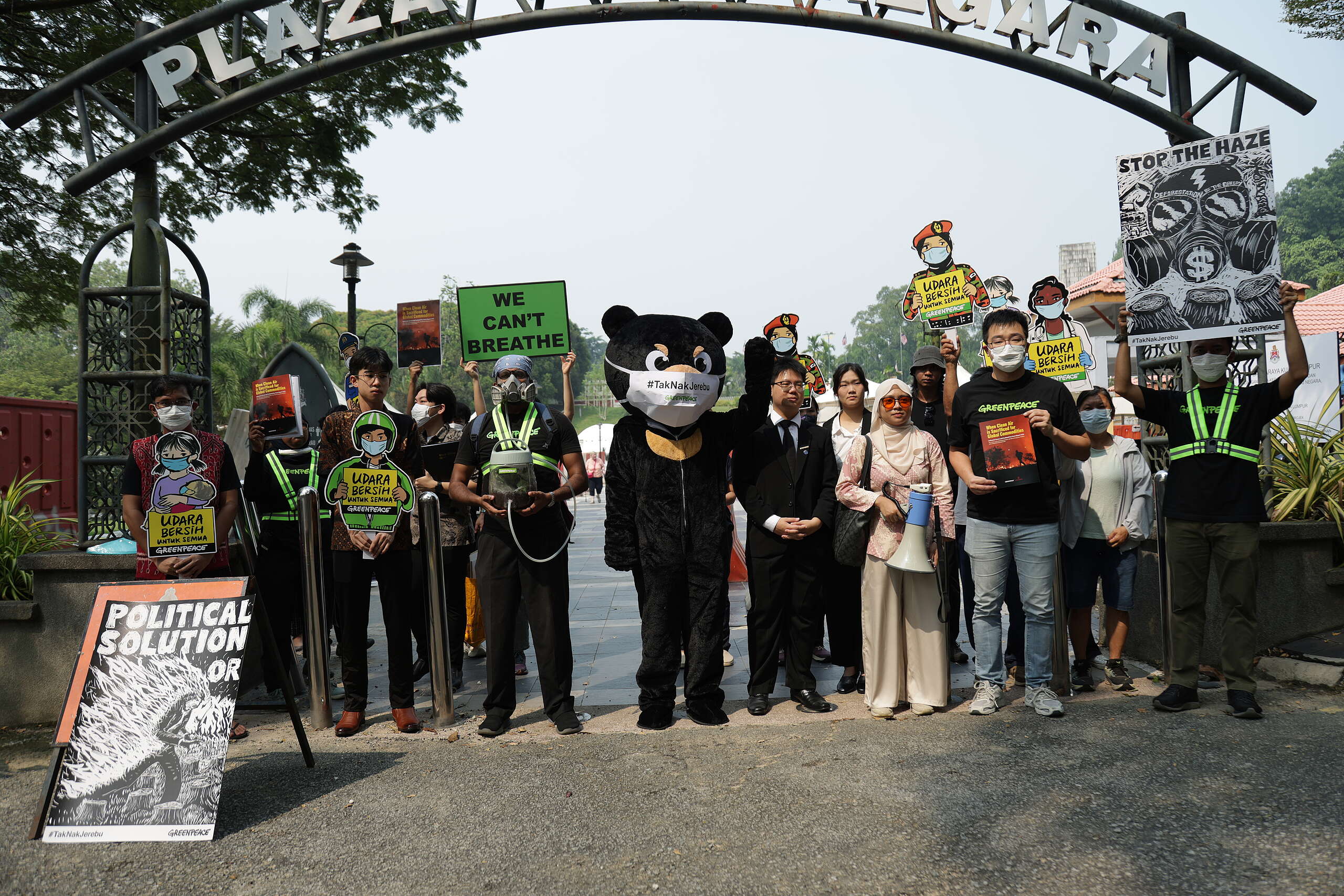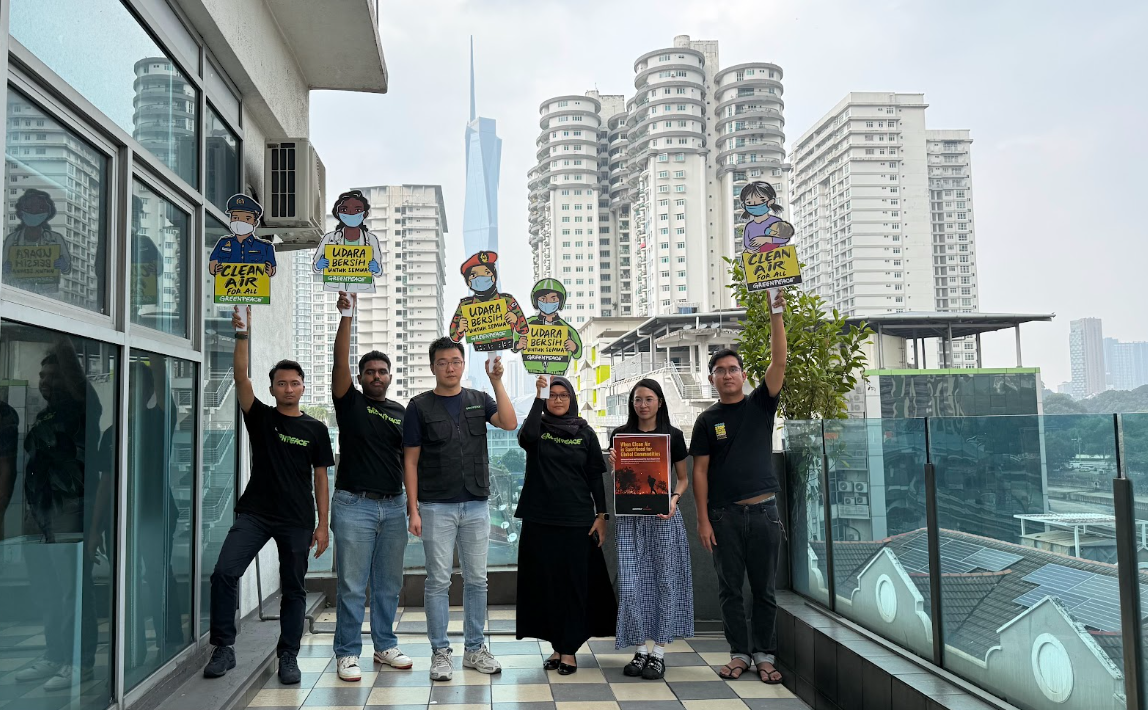
Kuala Lumpur, 27 March 2026 — Malaysia’s annual air quality improved in 2025, but dangerous haze episodes, continued fossil fuel dependence, industrial emissions, deforestation and unsustainable land-use practices, and weak enforcement show that cleaner air remains far from guaranteed based on the newly released 2025 World Air Quality Report.
According to the report, Malaysia’s annual average PM2.5 concentration fell from 18.3 μg/m³ in 2024 to 16 μg/m³ in 2025, while Kuala Lumpur recorded an 11% improvement, dropping from 17.7 μg/m³ to 15.7 μg/m³. However, Malaysia still exceeds the World Health Organization (WHO) annual air quality guideline of 5 μg/m³, meaning millions remain exposed to unhealthy levels of air pollution.[1]
While the improvement in annual averages is notable, the report also found that many Malaysian cities experienced dangerous seasonal pollution spikes in 2025. In February, a regional haze episode in Penang drove city-level PM2.5 increases of between 10% and 26%, while in July and August, transboundary smoke from forest and peatland fires caused average monthly PM2.5 levels in Petaling Jaya to rise by 28%.
Greenpeace Malaysia said these findings reflect a deeper structural problem: Malaysia’s air pollution crisis is driven not only by urban emissions and fossil fuel power generation, but mainly by recurring haze linked to forest and peatland fires, agricultural biomass burning [2], and weak enforcement against polluters. These recurring transboundary haze episodes also underscore the urgent need for stronger regional cooperation and accountability, especially through the ASEAN Environmental Rights Declaration framework that recognises clean air as a fundamental right across borders.
Greenpeace Malaysia Spokesperson Heng Kiah Chun said:
“Cleaner annual averages are welcome, however, they should not distract from the reality that communities in Malaysia continue to face recurring transboundary haze, unhealthy air and preventable public health risks year after year. Cleaner air will remain out of reach unless Malaysia addresses air pollution at its source, including fossil fuel dependence, industrial emissions, deforestation and unsustainable land-use practices that continue to drive haze across the region.
“Indigenous Peoples and Local Communities (IPLCs) closest to vulnerable forests and pollution hotspots should not continue paying the price for corporate impunity. Protecting air quality also means protecting ecosystems and communities from destructive activities that worsen fires, smoke and long-term environmental harm.”
Greenpeace Malaysia urges the government to strengthen air quality protections by adopting stronger public health safeguards, enforcing action against forest and peatland fires, agricultural biomass burning, expanding clean energy and public transport solutions, and ensuring that communities affected by pollution and land-use are meaningfully involved in these decisions.
Malaysia cannot rely on short-term improvements or seasonal changes alone. Without stronger accountability and action to prevent haze and cut pollution at the source, clean air as a basic human right will remain unrealised for many communities across the country.
–ENDS –
Notes:
[1]NST Source
https://www.nst.com.my/opinion/columnists/2026/01/1361143/constant-exposure-polluted-air-quietly-harming-our-health
[2]“Peatland fires” and “agricultural biomass burning” are related but distinct. Peatland fires involve the combustion of peat soils, which are highly carbon-dense and can smoulder underground for extended periods. Agricultural biomass burning refers to the open burning of above-ground organic matter such as crop residues, vegetation or cleared land. Both can contribute significantly to haze and poor air quality.