
The monsoon season is not foreign to the Orang Asli and Asal communities. Since long ago, we have been living alongside the rain, rivers, and forests. However, what we experienced during the 2025 monsoon season is no longer merely a natural disaster. It is a crisis intensified and worsened by logging activities, particularly in upstream river areas and around interiors of the villages.
In areas such as Pos Simpor, Pos Pasik, and Pos Bihai, the effects of logging have become increasingly severe, not just on the forests’ landscapes, but directly affecting the safety and survival of our communities.
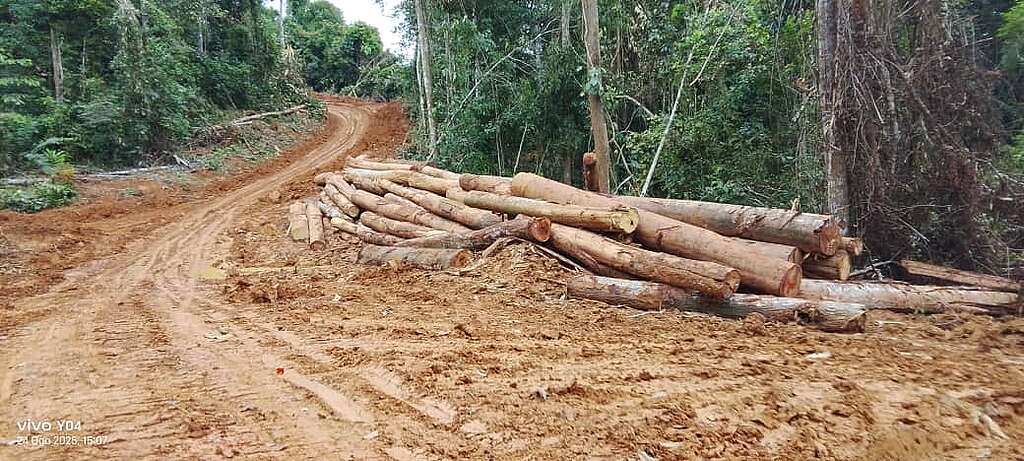
Logging and cut-off access
Logging roads built to transport timber have now become a primary cause of disasters. These routes damage soil structures, cut through hillsides, and open up upstream areas without proper oversight.
When heavy rains continues, soil that has been loosened by logging collapses easily. Rivers overflow more quickly because forests no longer function as natural absorbers of rainwater.
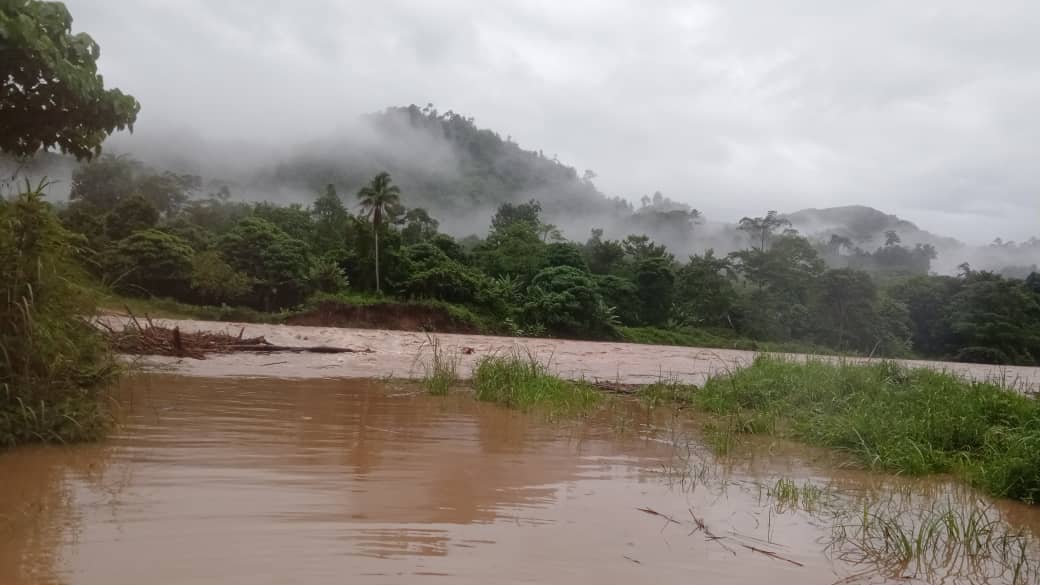
On 15 December 2025, at Sungai Jenera (Og Jenrol), the bridge in Kampung Bering Lama, Pos Pasik was destroyed due to a sudden flashflood. Residents were completely cut off. This incident occurred in an upstream area actively affected by logging, and we witnessed firsthand how the river has become increasingly violent since the forest was cleared.
Logging causes a food crisis
When logging roads are damaged and bridges collapse, food aid is delayed. Rice stock and basic necessities are quick to deplete.
Under normal circumstances, the forest serves as our lifeline for food. However, logging has reduced forest produce and destroyed traditional foraging areas. During floods, conditions worsen, rivers turn muddy, bridges are submerged, and logged areas become too dangerous to enter.
This means logging not only destroys forests, but also cuts off two of our food sources at once: external aid and forest resources.
Health risks from a degraded environment
Floodwaters flowing from logged areas carry mud, wood debris, and waste into villages. Water quality deteriorates significantly. As a result, many cases of diarrhea, skin infections, fever, and flu occur, especially among children. When roads are cut off, access to clinics and medicine are also blocked. The logging of forests upstream, directly increases health risks for Orang Asli and Asal communities downstream.
Crops destroyed and conflict with wildlife
Subsistence crops such as cassava, sweet potatoes, hill paddy, corn, and bananas are destroyed by floods and landslides. At the same time, logging destroys wildlife habitats. Elephants, bears, and wild boars increasingly enter villages as their food sources in the forest disappear. In the end, our limited crops are destroyed as well. This is not a natural conflict, it is a conflict created by logging.
When forests are cleared, we lose protection
Forests are not just trees. They are natural flood barriers, sources of food, and life-support systems for Orang Asli and Asal communities.
When forests in upstream areas are cleared, rainwater is no longer absorbed, leading to flash floods, shallow and fast-flowing rivers, unstable soil, and it is the downstream villages that bearing the consequences. The 2025 monsoon season has proven that logging makes disasters more frequent, more severe, and more destructive.
Voices from the interiors of Kelantan
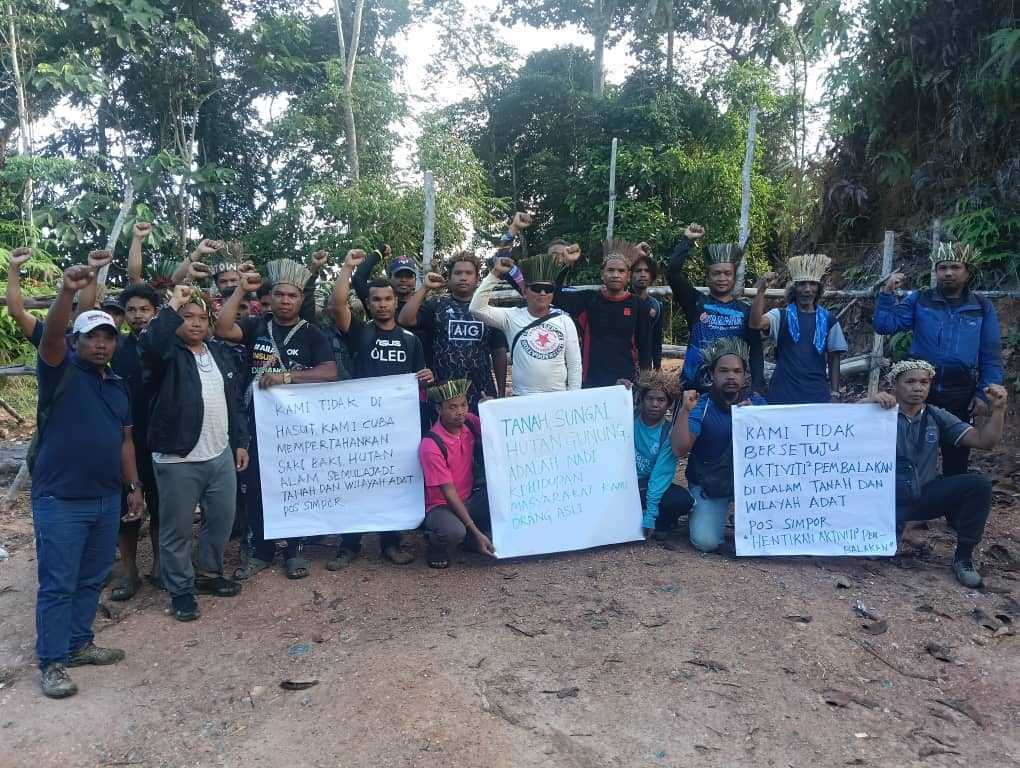
We do not reject development, but we reject development that destroys lives and the future. Logging in sensitive areas, upstream of river zones, and near Orang Asli and Asal settlements must be stopped. As long as forests continue to be cleared without regard for the impact on communities, every monsoon season will remain a season of fear for the Orang Asli and Asal.
This is not merely an environmental issue. It is an issue of justice, safety, and the right to live with dignity.
Syafiq Dendi is a representative of the Kelantan Orang Asli Village Network.
Discussion
Malaysia is agrat country and one of the cou try have and promoted sustainability , so destruction of forest on a sustainable country will give bad message to the world cup