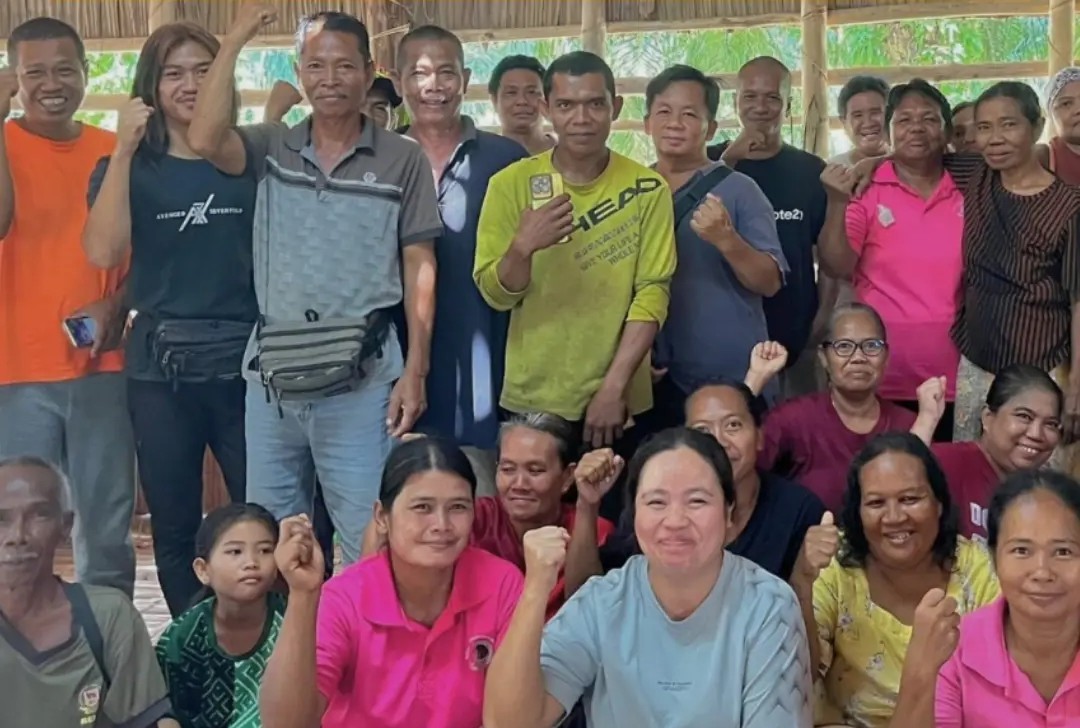
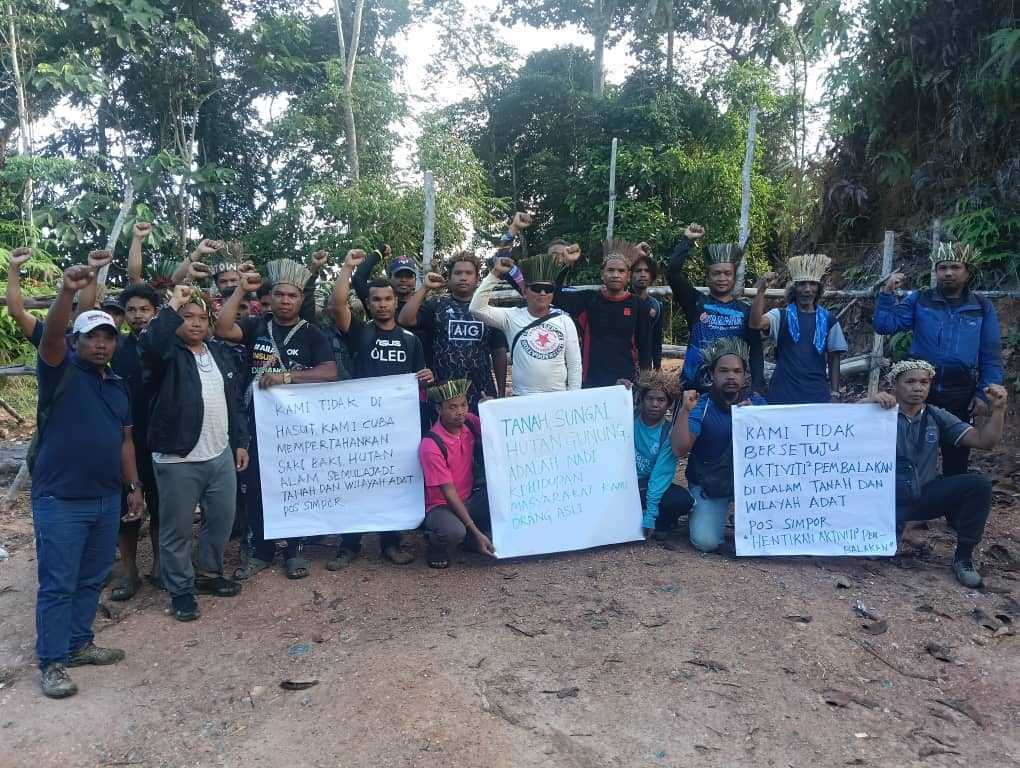
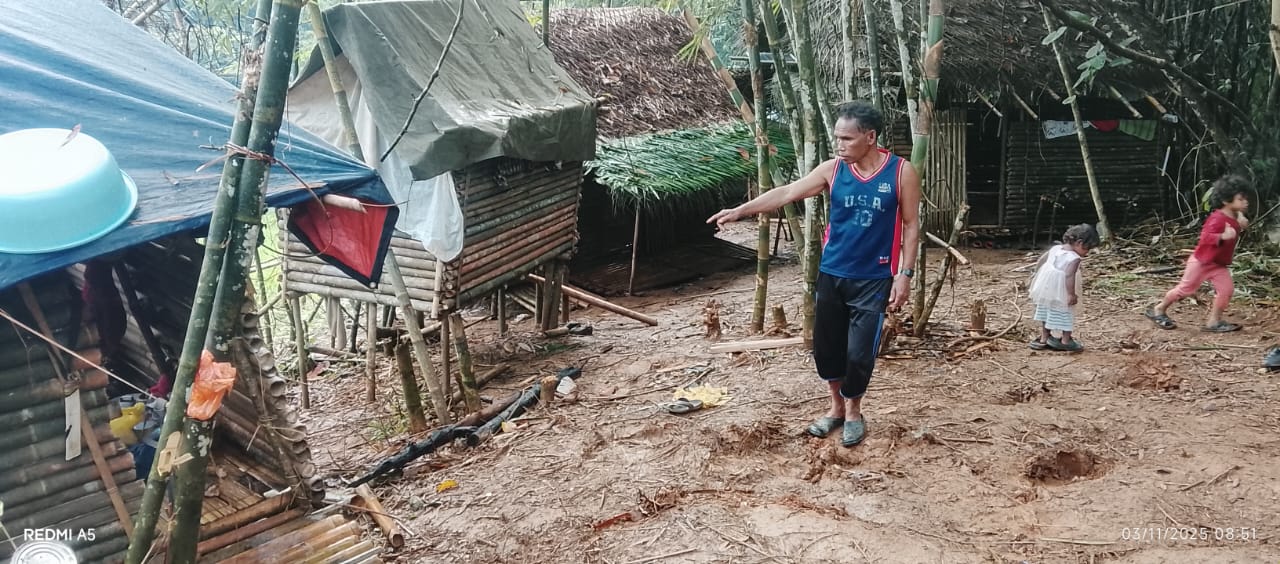
- Location: Kampung Ayong, Pos Pasik, and Gua Musang in Kelantan.
- Primary issue: River water pollution as a result of logging activities.
- Suspected cause: Logging activities in the upper areas of Temer River, which is a tributary of Jenrol/Jenere River.
Background of the issue
The Orang Asli community in Kampung Ayong is fully dependent on the rivers as a primary source of drinking water, bathing, cooking, and cleaning. Recently, residents have reported noticeable changes in the quality of the river water, which has become increasingly murky, muddy and polluted, especially after rainfall.
This occurs alongside logging activities in upstream areas of the river, which are believed to be the main cause of mud, silt, and logging debris flowing directly into the community’s river.
Facts of the issue
- The community’s primary river is no longer clean and is full of mud.
- The river is the only source of water for most residents.
- Logging in the upstream areas of the river caused soil erosion and ongoing pollution.
- Residents are now exposed to the risk of water-borne diseases as well as a loss of access to clean water.

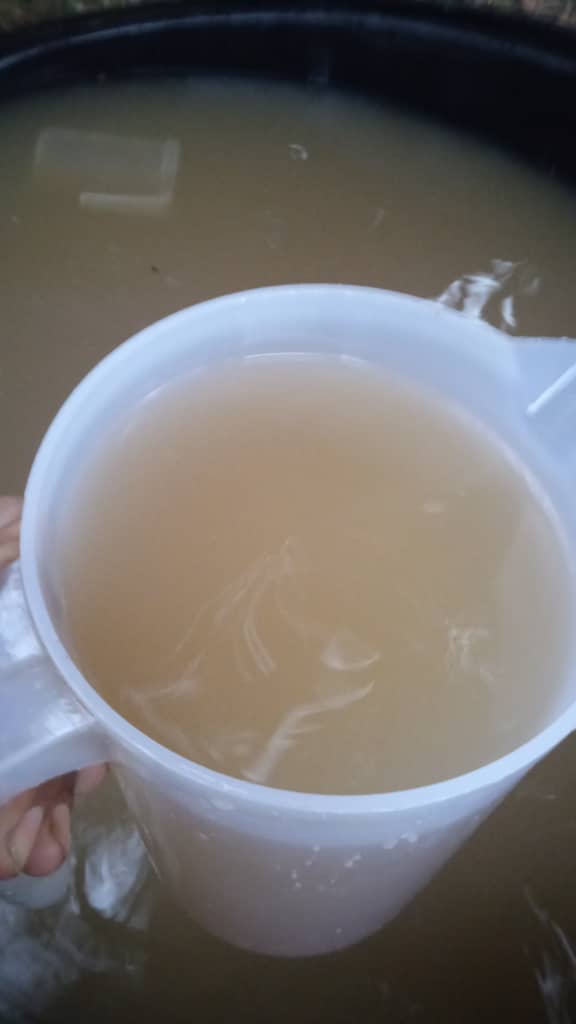
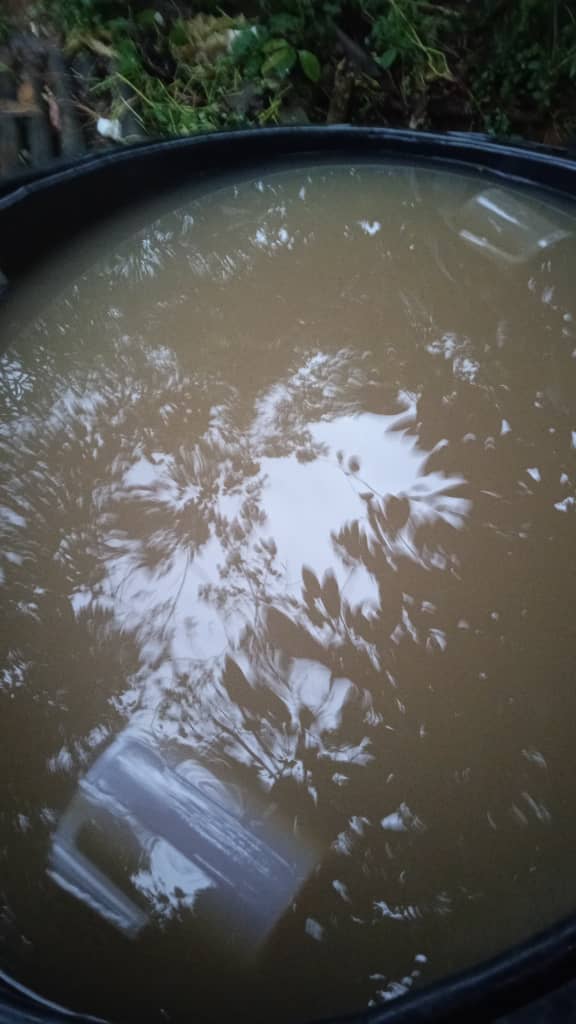
The villagers are forced to bathe with polluted water in Kampung Ayong and Kampung Kuala Wok.
The impact on the community
The pollution has a direct and serious impact on the daily lives of the Orang Asli community:
- Health is affected, especially among children and the elderly, with risks of diarrhea, skin infections, and other illnesses.
- Daily life is disrupted as residents are forced to find alternative water sources that are further away and hazardous.
- Economic burdens increase when residents have to buy clean water or bear the cost of medical treatment.
The issue becomes more critical during the monsoon season, when sediment levels rise and pollution worsens.
A direct link to logging
Water pollution in Kampung Ayong is not an isolated incident. It represents a repeated pattern in the depths of the forest:
- Logging upstream of rivers destroys watershed areas.
- Exposed soil causes mud to flow directly into the river every time it rains.
- Downstream communities, especially the Orang Asli and Asal, are the most affected, even though they receive no benefits from the logging activities.
This demonstrates failure to protect sensitive areas and the neglect of the community’s rights to clean water resources.
Proposed immediate actions
To avoid more severe health and humanitarian crises, the following actions need to be undertaken immediately:
- A thorough and immediate investigation by the Department of Environment, JAKOA, and the Department of Health into the cause of the pollution.
- Temporary suspension of logging activities in the upstream areas of the Temer River until an environmental impact assessment is conducted.
- Provision of emergency aid such as clean water, water tanks and temporary water filters to affected communities.
- Long-term mitigation plan to protect the Orang Asli community’s catchment areas, including recognition and protection of Native Customary Land.
Conclusion
Clean water is a basic right, not a privilege. As long as logging in the upstream areas remains uncontrolled, the Orang Asli communities in Kampung Ayong will continue to face health risks and loss of their vital resources. This issue must be addressed seriously and immediately, protecting the river means protecting lives and the future of the Orang Asli and Asal community.
Syafiq Dendi is a representative of the Kelantan Orang Asli Village Network.