Issue summary
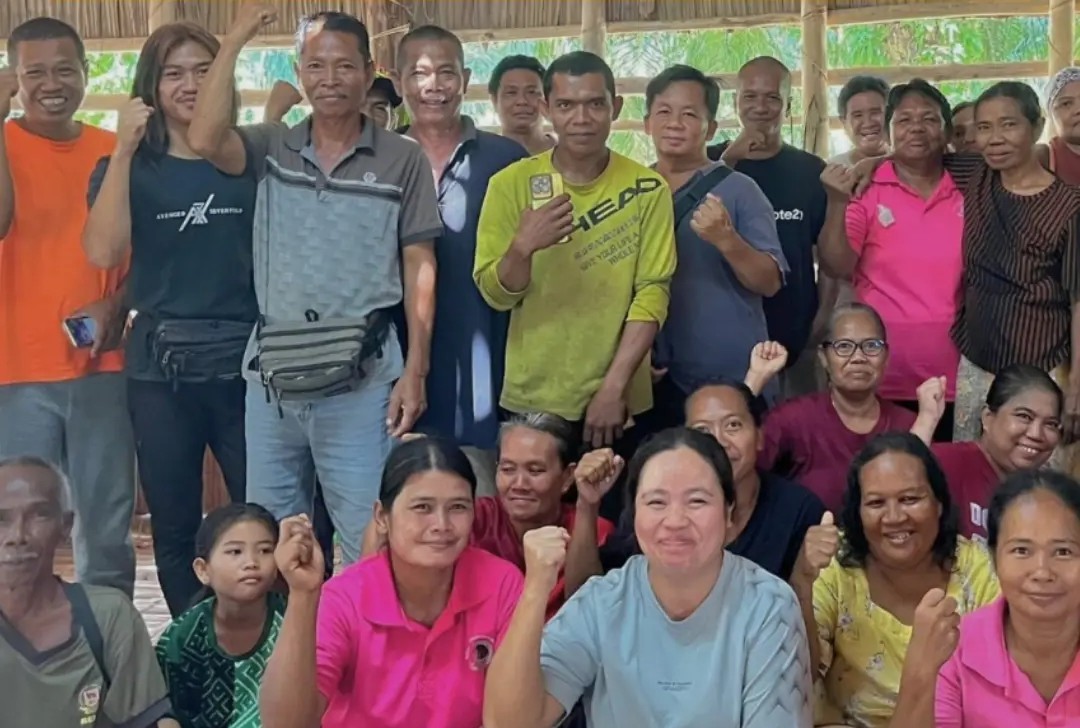
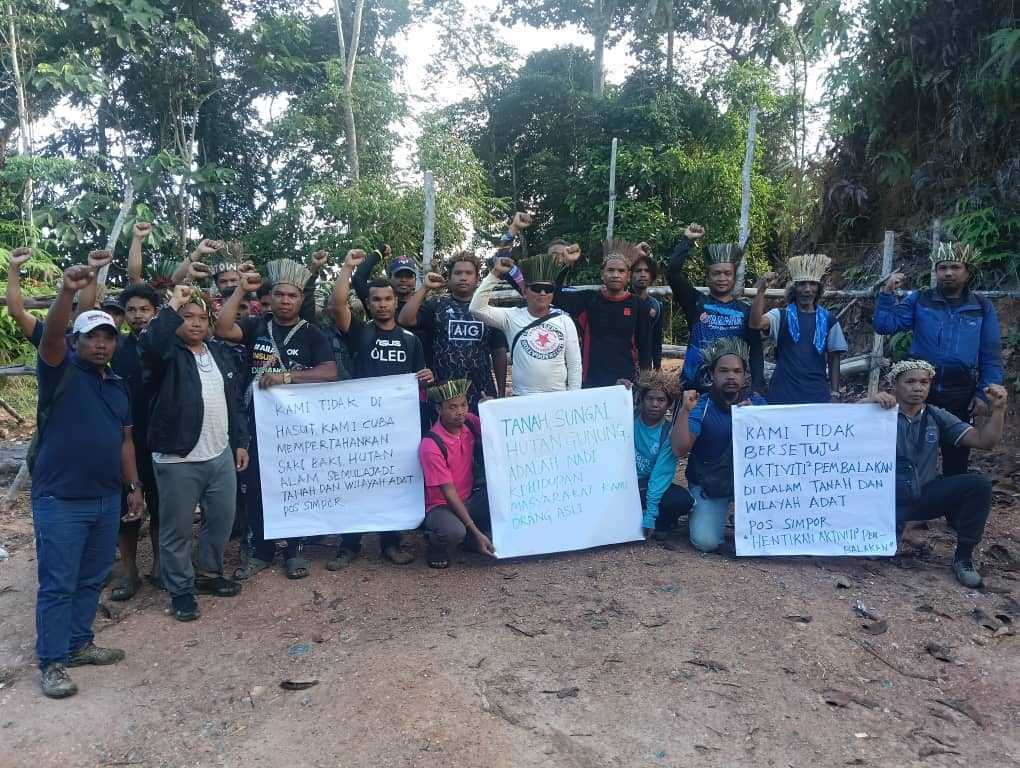
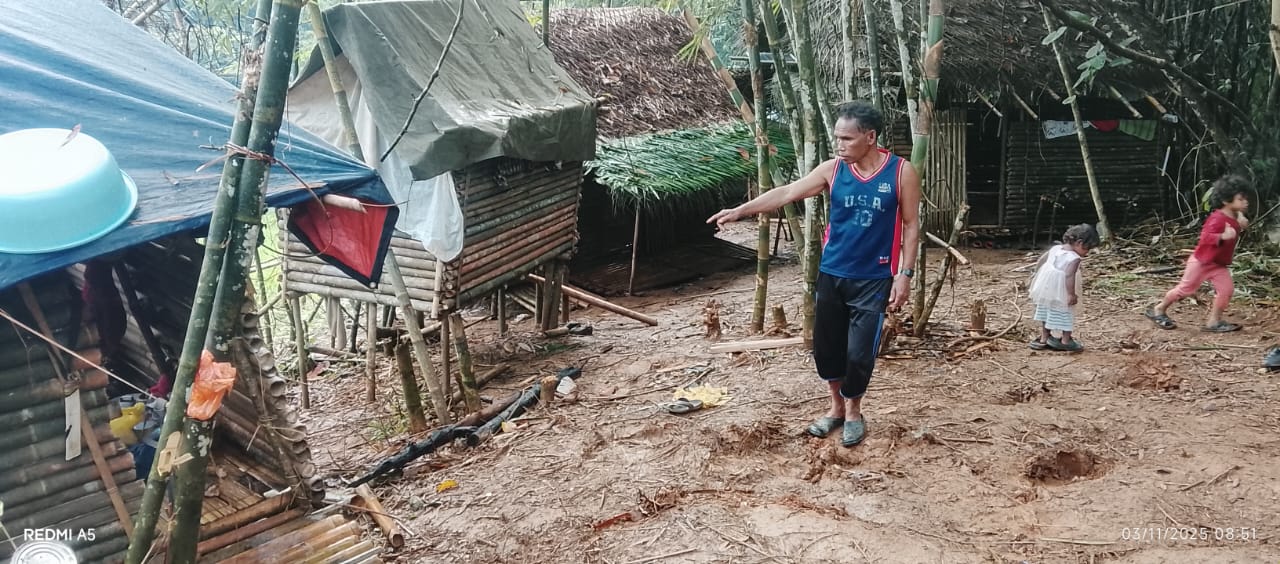
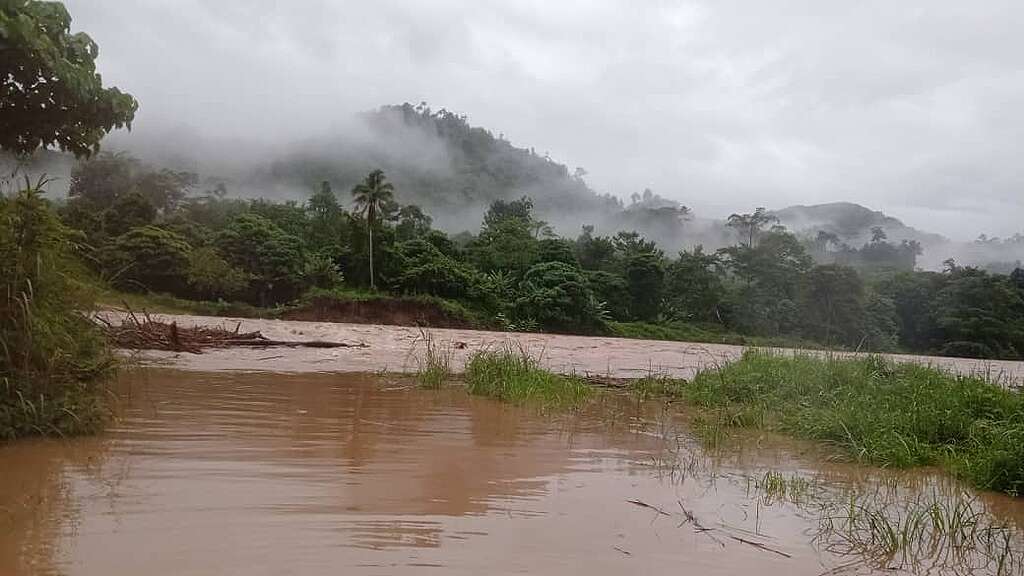
Most Orang Asli villages in the Gua Musang district, Kelantan are currently facing a prolonged clean water crisis. Nearly all villages rely entirely on rivers as their main water source. However, these rivers are increasingly polluted and muddy, primarily due to logging activities in the upstream areas.
Although there have been initiatives to supply blue water tanks by JAKOA, these facilities have not been fully utilised due to weaknesses in water governance, as well as a lack of technical support and functional maintenance.
Affected villages
The villages identified as experiencing water pollution and a lack of clean water supply include:
- Kampung Langsat
- Kampung Jias
- Kampung Kaloy
- Kampung Kuala Wok
- Kampung Dandut
- Kampung Ceranok
- Kampung Jader Baru
- Kampung Ayong
- Kampung Betar
This problem is comprehensive and systemic, not an isolated or small-scale issue.
Main causes of the problem
1. Logging in upstream areas
- Logging activities have caused severe soil erosion.
- Mud and logging debris flow directly into community rivers.
- Water quality deteriorates significantly every time it rains, especially during the monsoon season.
This situation affects the river’s function as a safe and clean water source for downstream Orang Asli and Asal communities.
2. Water governance failure
Even though water tanks are provided, implementation is ineffective because:
- There is no functional maintenance system.
- Water supply is inconsistent or does not reach the tanks at all.
- Pipes are damaged, pumps do not work, or systems are incomplete.
- There is no continuous monitoring and follow-up by relevant agencies.
As a result, water tanks remain only as physical structures with no real benefit, failing to meet the basic needs of the community.
Impact on the community
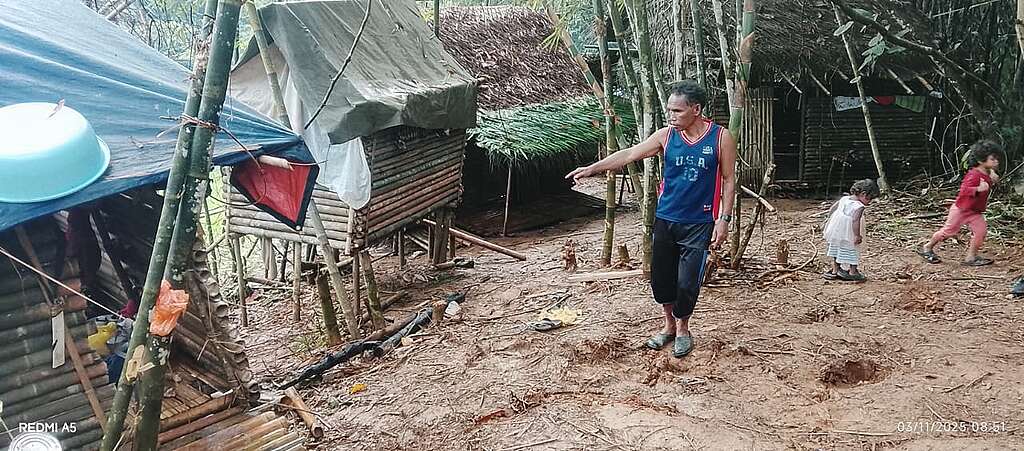
The clean water crisis has direct and serious effects on the daily lives of the Orang Asli:
- Health risks increase, with higher cases of diarrhea, skin diseases, and waterborne infections.
- Children and the elderly are the most vulnerable.
- Daily burdens increase, as residents have to walk long distances to find alternative water sources.
- Economic pressures rise, if residents have to buy clean water or bear the cost of medical treatment.
In many situations, Orang Asli are forced to use polluted river water because there is no alternative.
Conclusion: Repair structural issues, not just aid
The water crisis in Gua Musang is not merely a technical issue or lack of facilities; it stems from:
- Uncontrolled logging in catchment areas.
- Failure in governance and maintenance of rural water systems.
- Neglect of the Orang Asli community’s basic rights to clean and safe water.
As long as logging in upstream areas continues and water supply systems are not managed comprehensively, this crisis will persist, and the Orang Asli and Asal community will continue to live in unsafe and undignified conditions.
Clean water is a basic right, not temporary aid
This crisis demands urgent attention and action from both state and federal governments to ensure the welfare, health, and dignity of the Orang Asli communities in Gua Musang.
Syafiq Dendi is a representative of the Kelantan Orang Asli Village Network.