Renewable energy is a critical tool for tackling climate change. Discover how it works and understand the advantages of wind, solar and water power.
What is renewable energy?
Renewable energy comes from natural resources like sunlight, wind, water, and heat from inside the Earth. It has two big advantages:
- It won’t run out, unlike oil, coal, and gas.
- It’s clean, so it doesn’t pollute or contribute to climate change.
Renewable energy is flexible. It can power both large cities and remote areas without electricity. Different renewable technologies make it possible to use this energy almost anywhere.
Renewable energy sources
Renewable energy is also known as green energy, clean energy or sustainable energy. The most common sources are:
Wind Power
Wind power is the energy found in the movement of air. It’s normally captured by turbines on land or out at sea. It’s one of the best-known renewable energy sources because it’s so widely used, and the turbines are easy to recognise on the horizon.
Solar Power
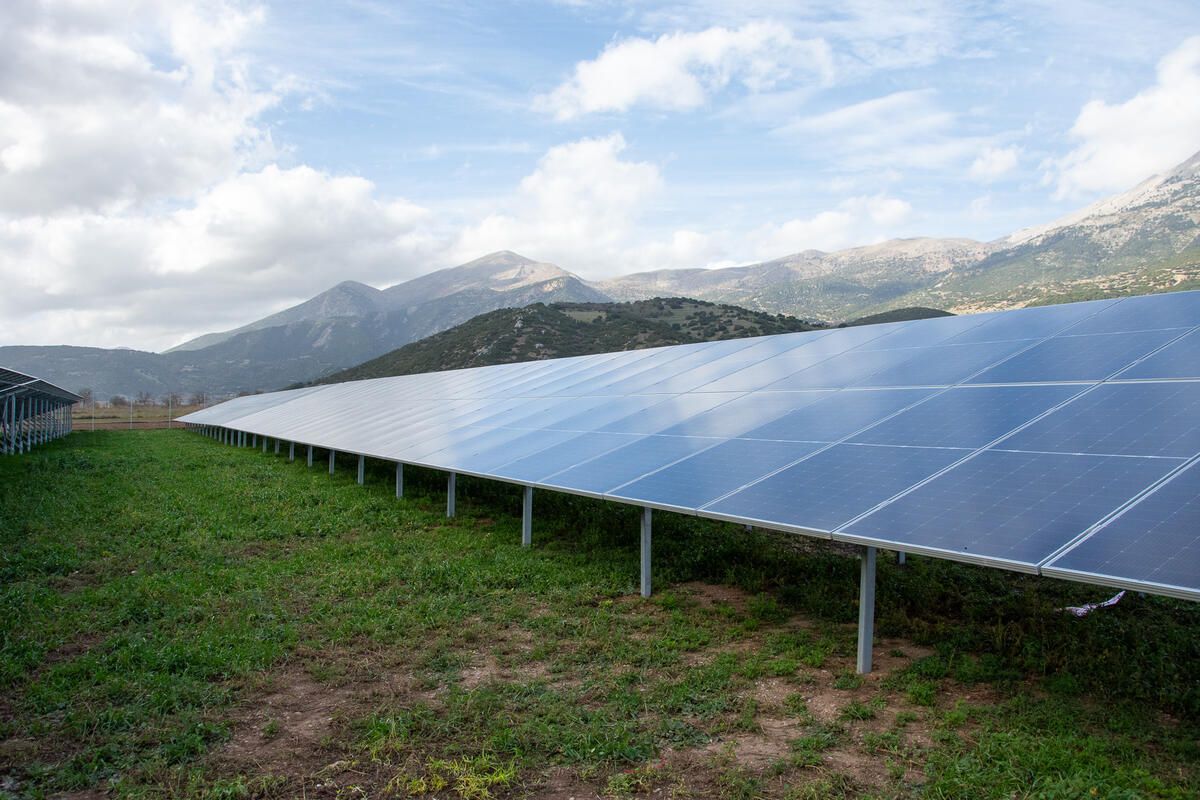
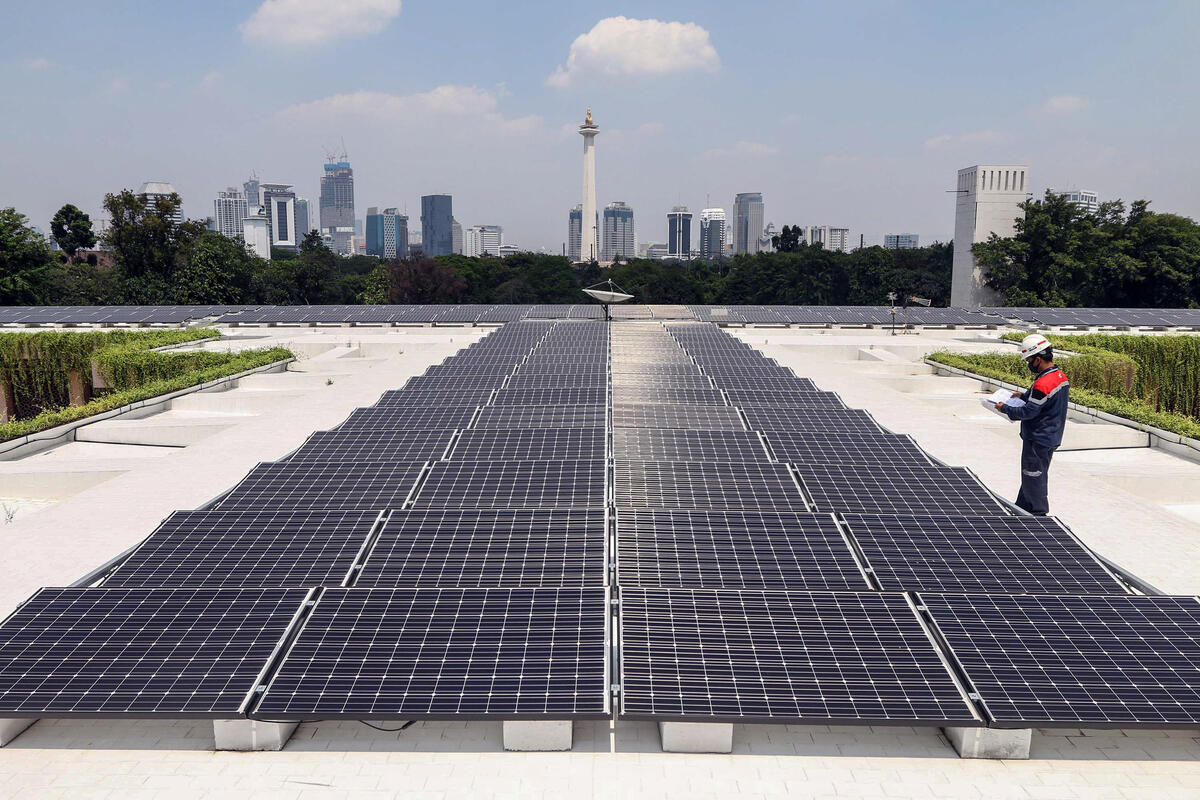
Solar power is energy from sunlight. It’s usually captured by solar panels and turned into electricity.
Hydropower
Hydropower takes energy from the movement of water in a river. Hydro power plants use the flow of water to spin a turbine and generate electricity. Large scale hydro power plants can be very harmful to the local environment.
Biomass Energy
Biomass is the stuff that living things are made of – in this case normally wood or other plants. We can burn biomass in a power station to generate electricity. This can cause air pollution, and be bad for the environment if the biomass isn’t sourced responsibly.
Geothermal Energy
Geothermal energy comes from heat that’s trapped deep underground. We can use this heat directly, or or create electricity with it.
Wave Power
Wave power comes from the movement of water on the surface of the ocean. There are a few different ways to capture it, but none of them are widely used at the moment.
Tidal Power
Tidal power comes from the movement of water as the tides rise and fall. The water can be captured in a giant lagoon then released through a turbine to generate electricity. Tidal power isn’t widely used at the moment.
The rise of renewable energy in Malaysia
Malaysia is experiencing a significant shift toward renewable energy as the country seeks to reduce its reliance on fossil fuels and address climate change. With abundant natural resources like sunlight, wind, and water, Malaysia is well-positioned to harness clean energy sources.
In recent years, the government has introduced policies and incentives to encourage investments in renewable energy, aiming to increase the share of solar, wind, biomass, and hydropower in the national energy mix. Solar power, in particular, is leading the way, with large-scale solar farms and rooftop solar installations becoming more common across the country.
As part of its commitment to sustainability, Malaysia is working toward a more energy-efficient future, with a goal of achieving 31% renewable energy by 2025. This transition not only helps reduce carbon emissions but also boosts economic growth by creating jobs in the green energy sector and ensuring a cleaner, more sustainable future for the next generation.
Making the transition fair
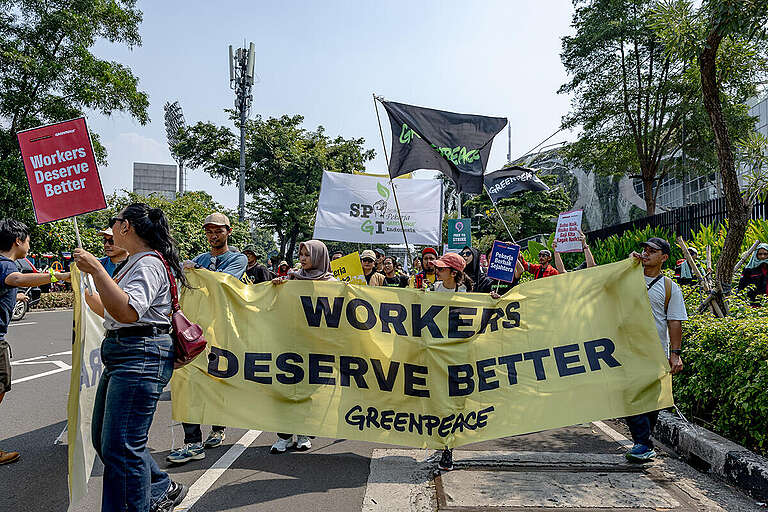
As we make the switch from fossil fuels to renewable energy, it’s important that ordinary workers aren’t left behind. At the moment, lots of people’s livelihoods are tied to polluting industries, and they need a ‘just transition‘, with proper training and support to help them make the move into green jobs.