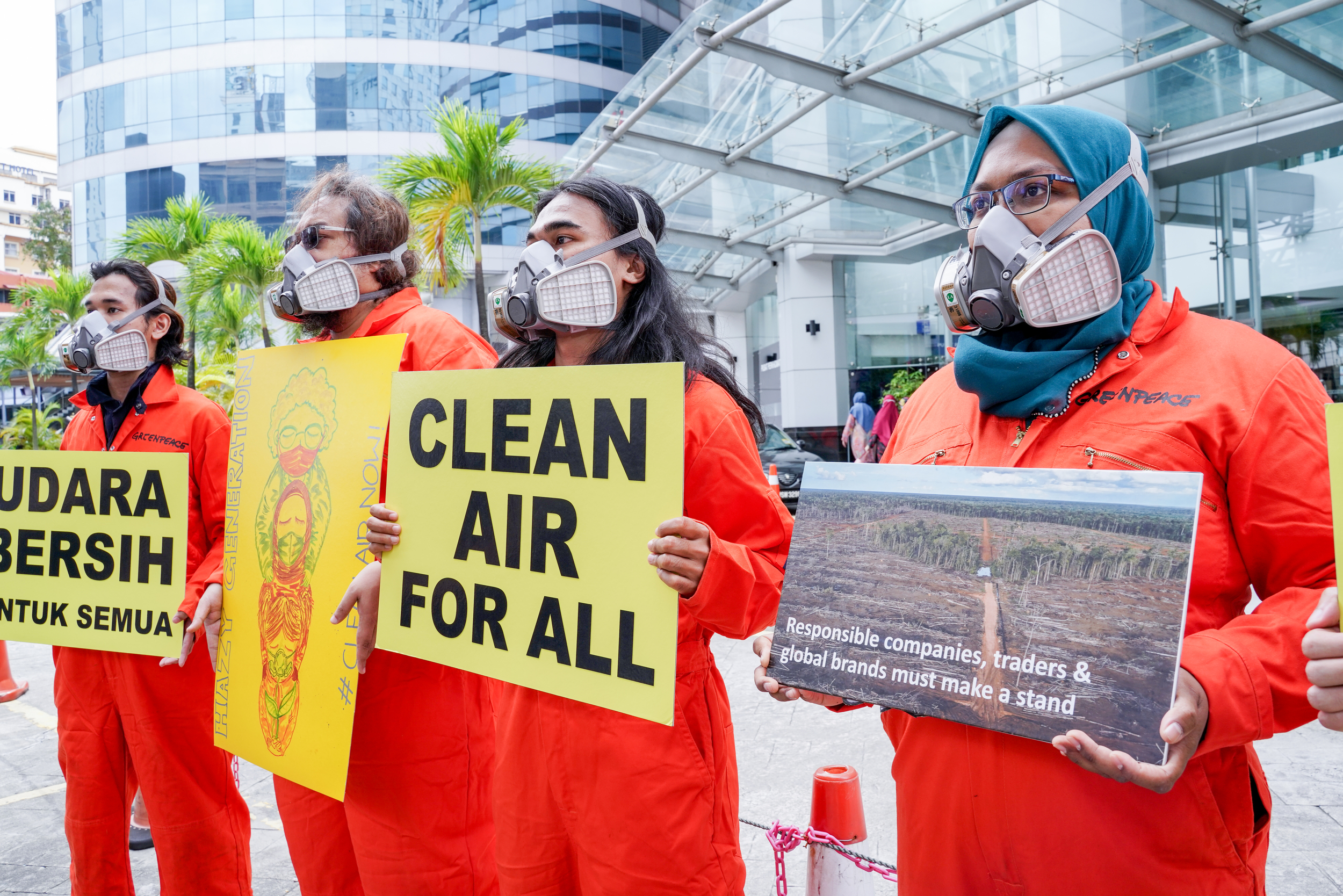
As Malaysia prepares to mark Merdeka Day, the devastating floods and mudslides along the China-Nepal border have particular resonance in Malaysia, with dozens of Malaysian nationals still uncontactable as search-and-rescue efforts continue and authorities work to verify information about those affected. It is an anxious time for their families and loved ones, and for many Malaysians following developments closely.
The article below examines the wider risks facing people who live in and travel through the Himalayan region in the context of a changing climate and the increasing pressures on an already fragile landscape.
By Wang Jue
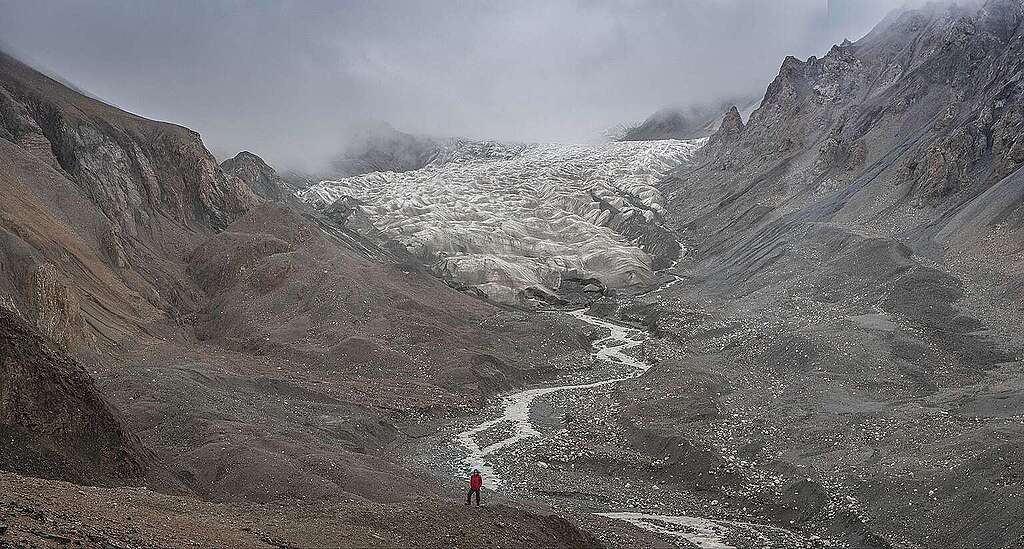
More than a thousand people are missing and hundreds found dead after a massive mudslide ripped through a valley in the Himalayas at the China-Nepal border, devastating communities in Tibet and Nepal.
Initial assessments of the disaster, which happened in the morning on Wednesday August 26, indicate that an ice-rock avalanche triggered a flash flood after it struck the river at the base of the valley, with a mudslide continuing downhill. Experts caution against describing climate change as the sole, immediate trigger for Wednesday’s disaster, though they say that rising temperatures and melting glaciers probably played a role in the disaster.
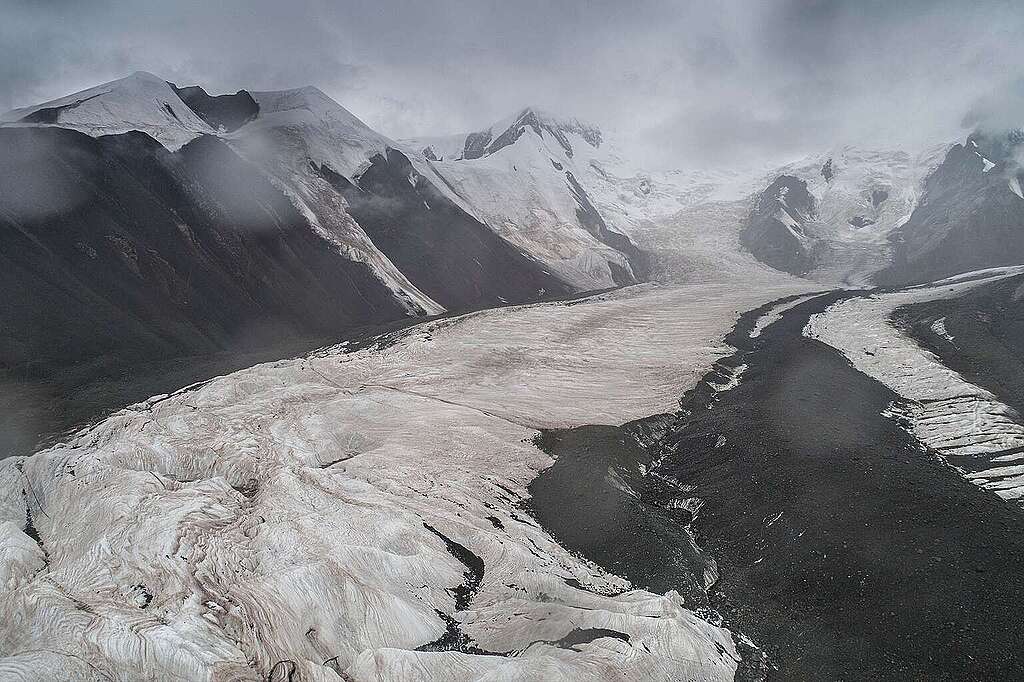
A different disaster occurred last year in the same border region, caused by a glacial outburst flood. A glacial outburst flood occurs when a glacial lake – pooled meltwater from the glacier held at the base of the glacier by a dam-like moraine of ice and debris – bursts after the moraine wall fails and the accumulated water floods downhill.
The cause of yesterday’s disaster is under investigation. But this mudslide highlights the fragility of the permafrost regions in the Himalayas and the Tibetan Plateau, a high-altitude, mountainous regions that is historically cold and warmed at a rate twice the global average between 1981 and 2020, increasing +0.5°C every 10 years, with an average increase in precipitation of +14 millimeters every 10 years.
These numerical figures alone also do not fully convey the immense geological impact of such climate changes in high-altitude mountains, both because of the fragility of ecosystems, including soil and river stability; the risk of localised events causing chain reactions; and the vulnerability of people living in mountainous areas to natural disasters and climate disasters.
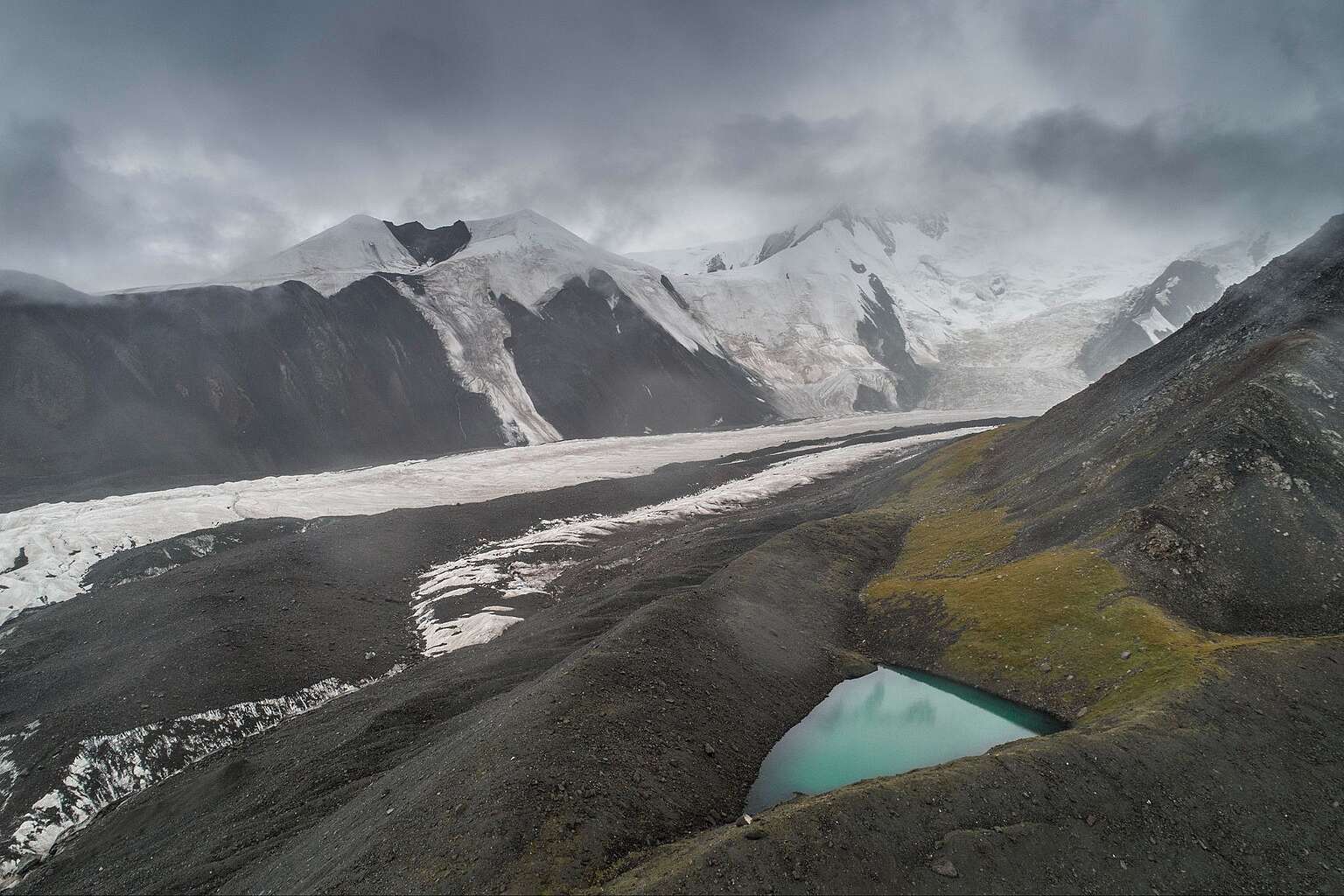
A report by Greenpeace East Asia, released in collaboration with the Chinese Academy of Sciences and Gansu Provincial Academy, in 2018 created a comprehensive analysis of the impact of climate change on glaciers in China and across Asia, and urged stronger early warning systems and risk prevention measures to address the risks posed by increasing instability of high-altitude glacier regions.
Since then, the Chinese government implemented relevant national strategy documents, including the “National Climate Change Adaptation Strategy 2035” and the “Qinghai-Tibet Plateau Ecological Protection Law”, which emphasized the need to address climate risks and strengthen monitoring and early warning systems in these regions. But there are still gaps in climate adaptation in this complex, high-altitude environment that includes warming permafrost regions. Real time risk monitoring and effective on-the-ground emergency management mechanisms still require upgrades.
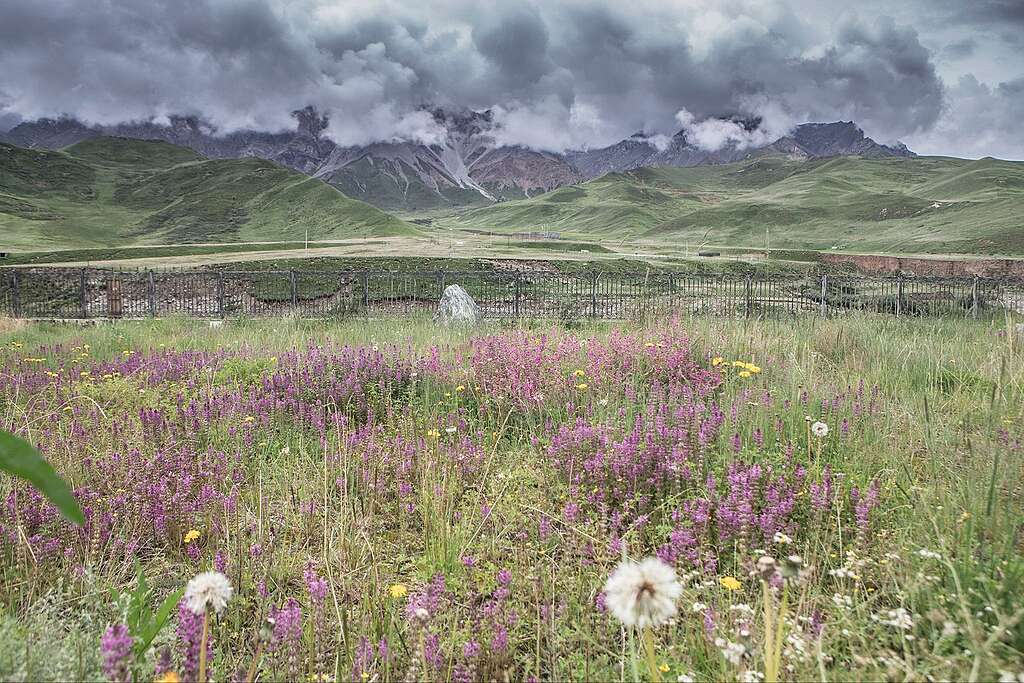
A number of glacial outburst floods, resulting from the collapse of lakes of melted water forming at the base of glaciers, have occurred over the past ten years, and both Nepal and China have taken measures including disaster assessment, remote sensing, flood simulation, and cross-border exchange of information. One 2022 simulation of a neighbouring river valley, which was geologically and geographically similar to the valley where this disaster occurred, including the lake, a vertical canyon cutting across the mountain range, and a border crossing located in the valley, found that a glacial lake outburst could reach a local town in 5-11 minutes and to the China-Nepal border in approximately 30 minutes, indicating very little time to respond.
With such narrow windows for communities and authorities to respond, preparedness is critical; but it is only part of the challenge. Reducing the risks facing the Himalayan region will require stronger monitoring and early warning systems, greater investment in climate adaptation and resilience, and sustained efforts to reduce the emissions driving global warming. Together, these measures can help protect the people who live in and travel through these fragile mountain landscapes as the risks around them continue to evolve.