
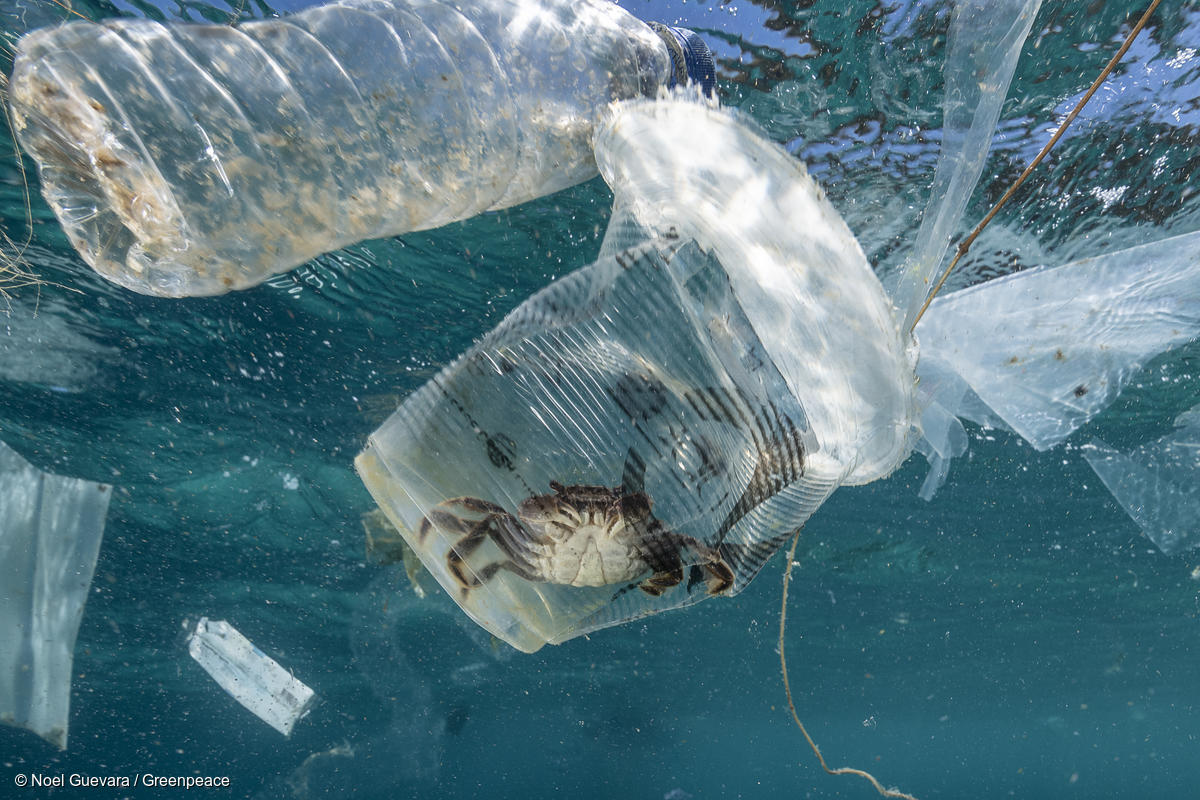
PLASTIC DESTROYS BIODIVERSITY
Plastic pollution is devastating our ecosystems, endangering marine life, and disrupting delicate ecological balance. Over 170 trillion plastic particles are choking the world’s oceans. It’s time to take action and preserve the diversity of life on our planet.
PLASTIC HARMS PEOPLE'S HEALTH
Plastic poses serious health risks to humans. From toxic chemicals leaching into food and water sources, to health hazards caused by plastic production and waste incineration, to microplastics in human bodies, we need to prioritize human well-being by reducing our reliance on harmful single-use plastics.
PLASTIC WORSENS SOCIAL INJUSTICES
The plastic crisis disproportionately affects marginalized communities, including the disruption of livelihood of fisherfolk and low-income communities suffering from plastic-induced flooding. By addressing plastic pollution, we can work towards a more equitable society, ensuring that everyone has access to a safe and a sustainable environment.
PLASTIC FUELS THE CLIMATE CRISIS
99% of plastics are made from fossil fuels and corporations keep making more. Moreover, the plastic life cycle’s greenhouse gas emissions are making matters worse. Cutting production and ending single-use plastic is in line with the goal of keeping global warming below 1.5 degrees.
PLASTIC REDUCTION
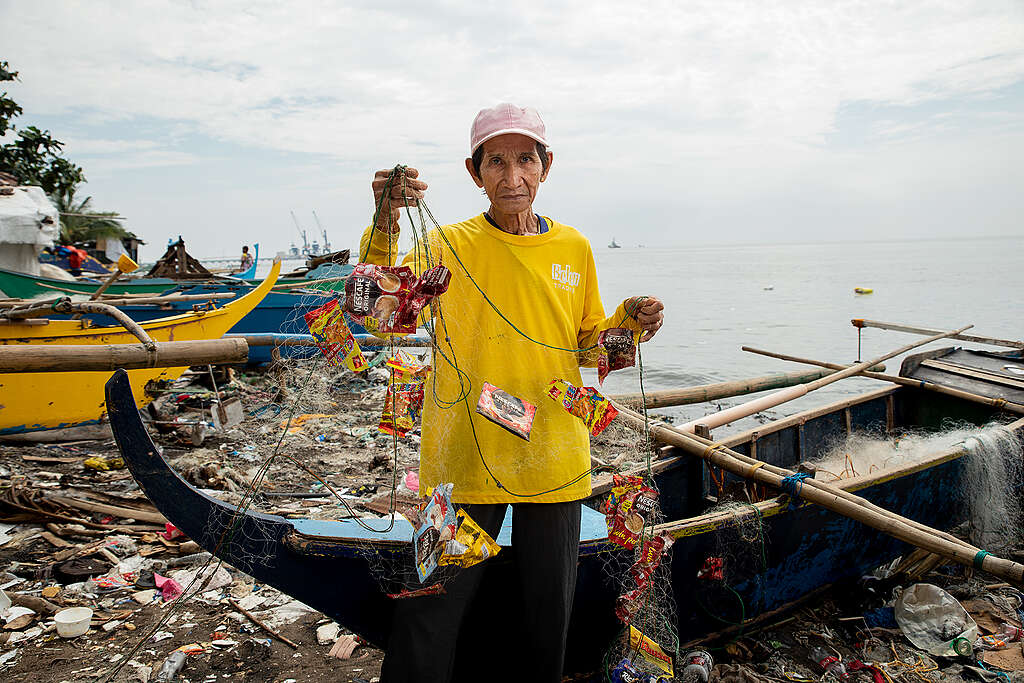
Industry’s present trajectory has plastic production tripling by 2050. Moreover, around 90% of plastics ever produced have not been recycled. Corporations must drastically reduce their single-use plastic production and usage, and transition to plastic-free alternatives, eventually eliminating the need for single-use plastics.
REUSE REVOLUTION
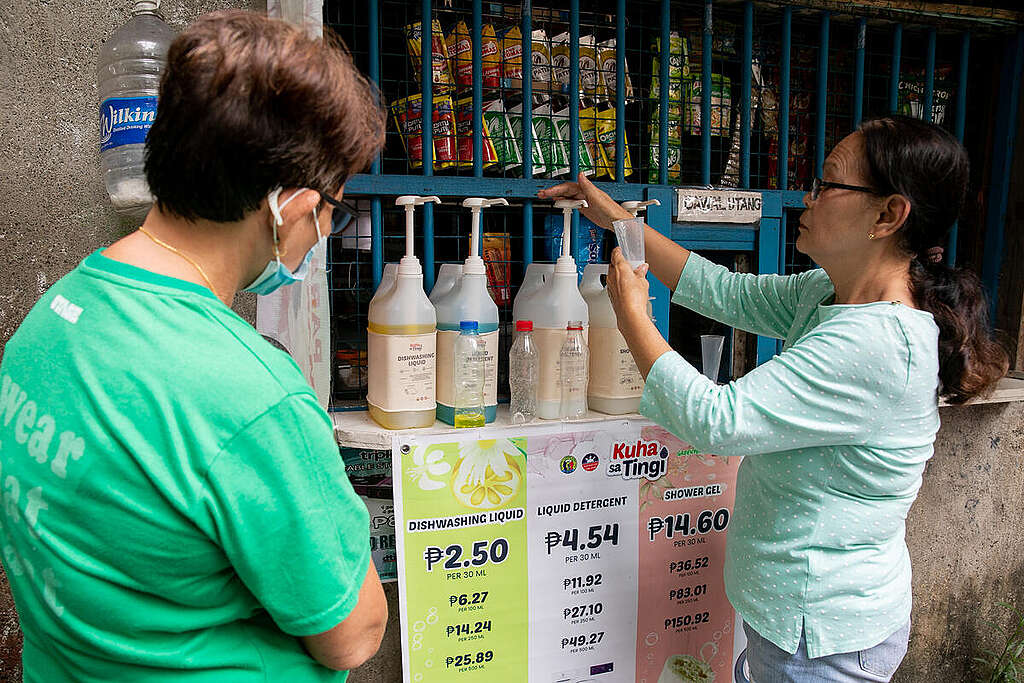
According to the United Nations, around 36% of all plastic used globally goes into packaging, while around a third of all plastic packaging leaks into the environment. Reuse systems could cut plastic pollution by 30% by 2040. Complemented by a drastic reduction in production, a plastic-free future is possible if we make reuse a reality.
PLASTICS TREATY
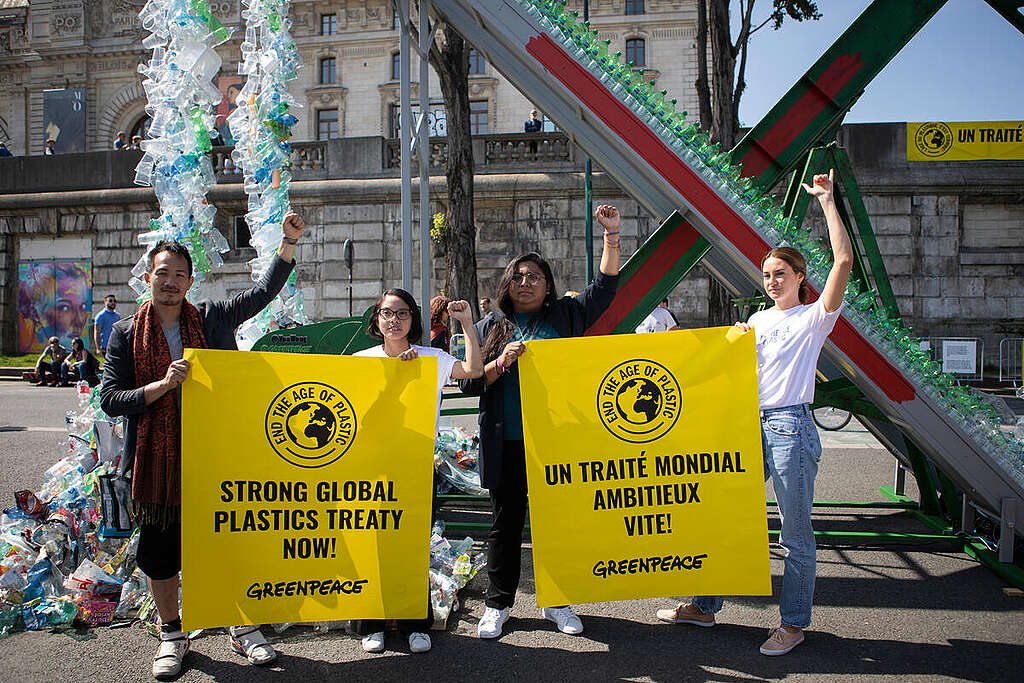
An effective treaty must prioritize protecting biodiversity, safeguarding the climate, and ensuring a just transition to a low-carbon, zero-waste, reuse-based economy. We demand a treaty that will keep oil and gas used to produce plastic in the ground and stop big polluters with their relentless plastic production.
Read more about plastic pollution and solutions. Be inspired by stories written by various Filipino youth, how they imagine a brighter, greener, and plastic-free future that everyone deserves.
-
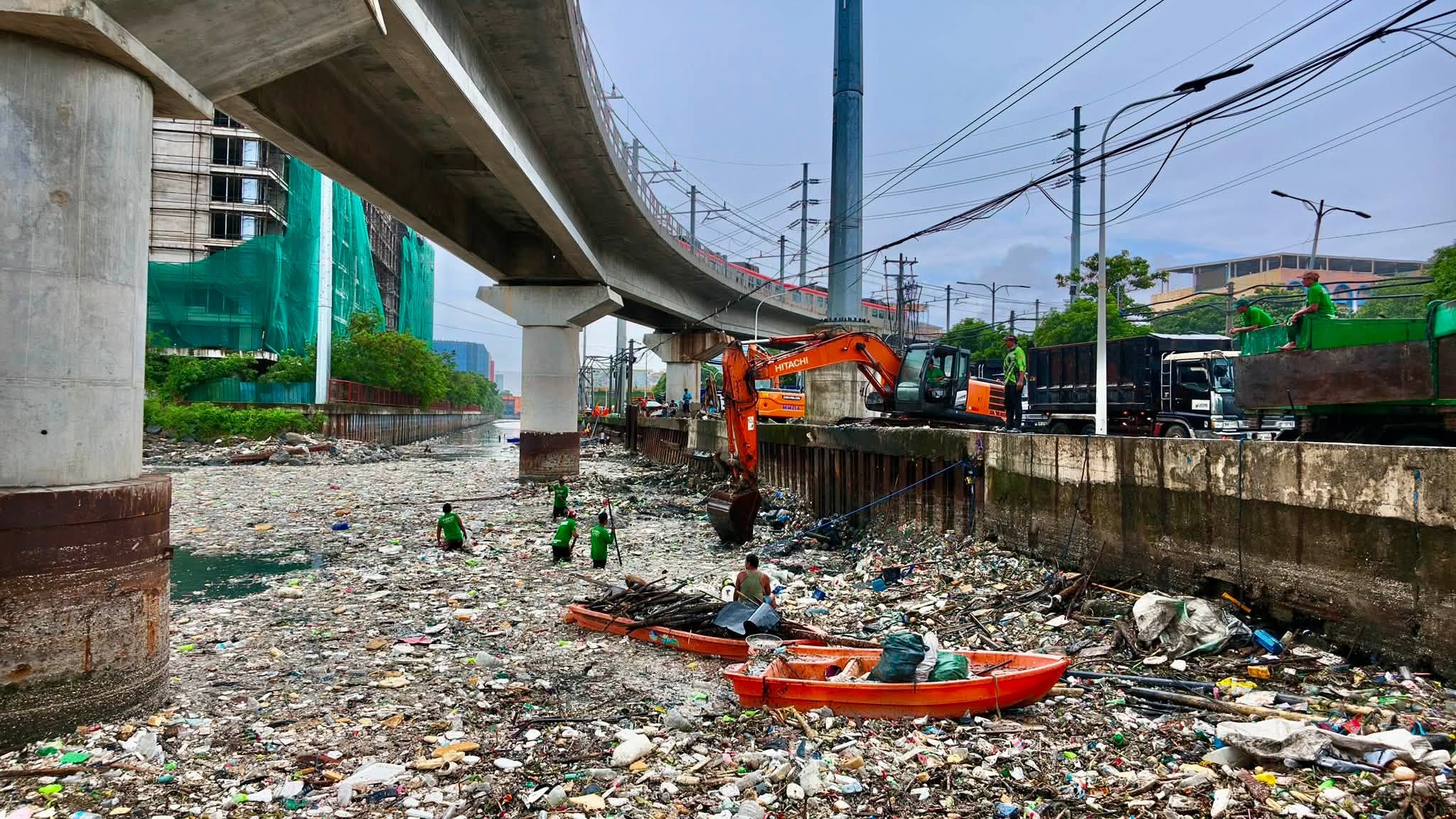
Greenpeace statement on the “sea of garbage” after monsoon rains
A “sea of garbage” from Manila Bay near Baclaran Church[1] went viral after several days of monsoon rains that inundated several parts of Metro Manila and nearby provinces.
-
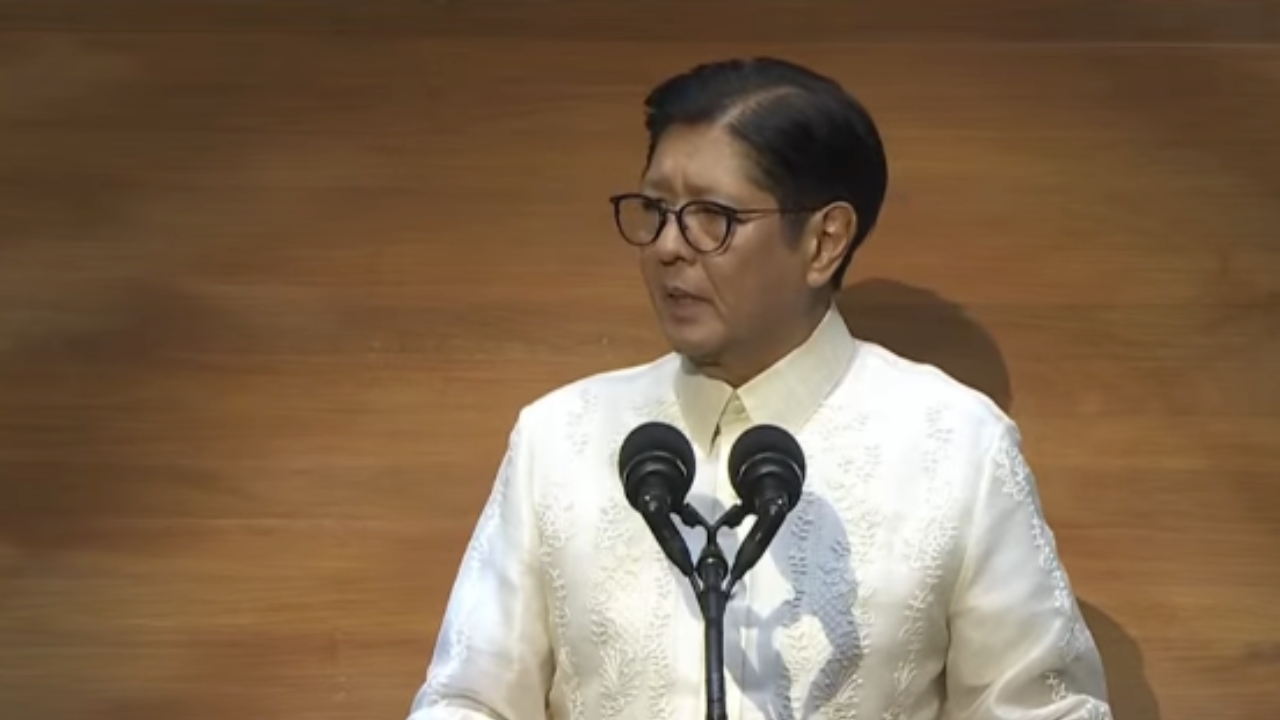
Greenpeace on SONA 2026: Real energy independence cannot run on false solutions
These false solutions, like fossil gas and burning waste, are just delaying our transition to renewable energy and placing millions of Filipinos firmly in the hands of foreign and corporate interests.
-
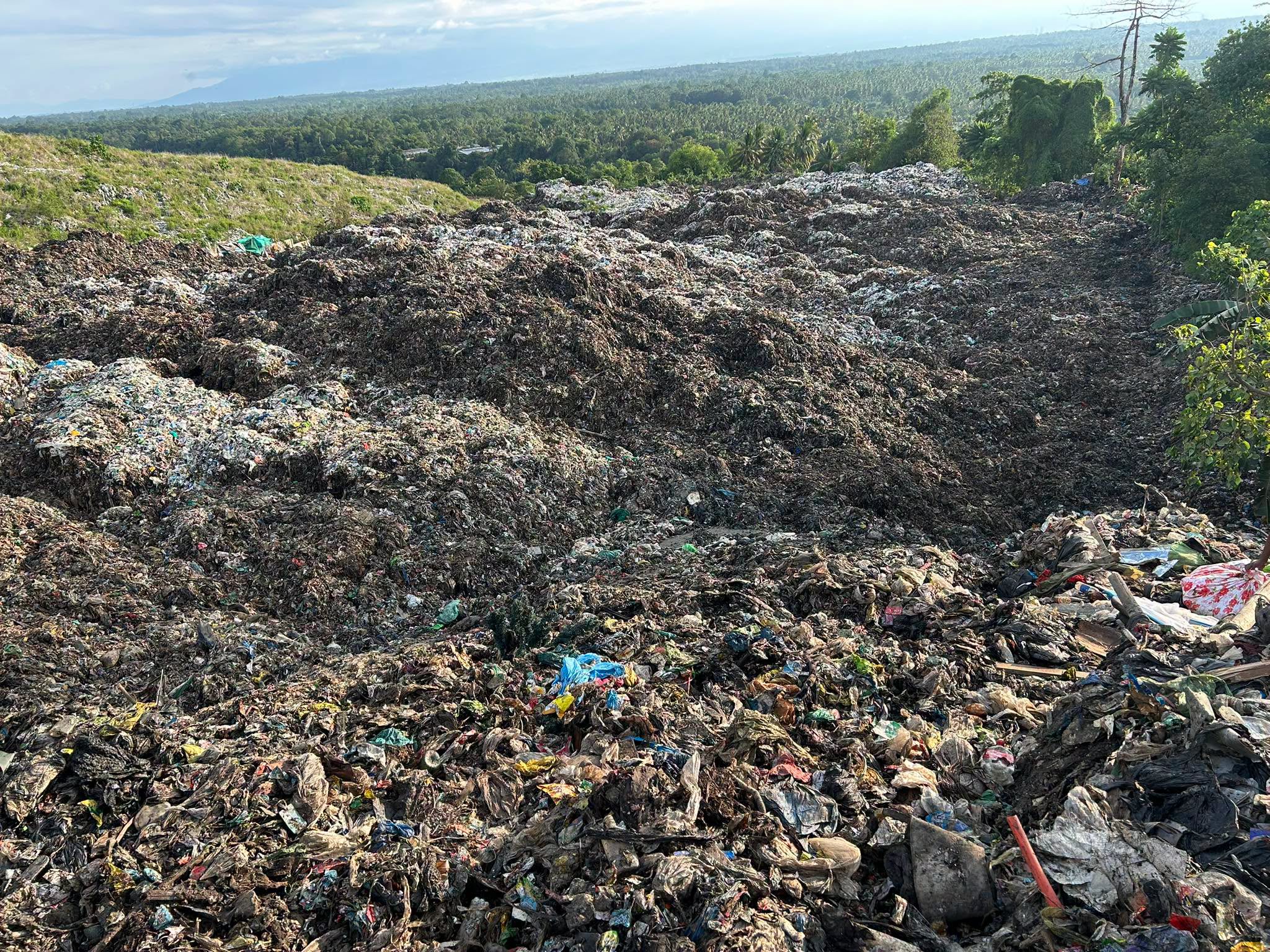
Greenpeace calls for PH government’s urgency and political will to act after 4th landfill disaster
Another landfill disaster has struck the Philippines, this time in Davao City, claiming one life, while two elderly individuals remain missing.
-
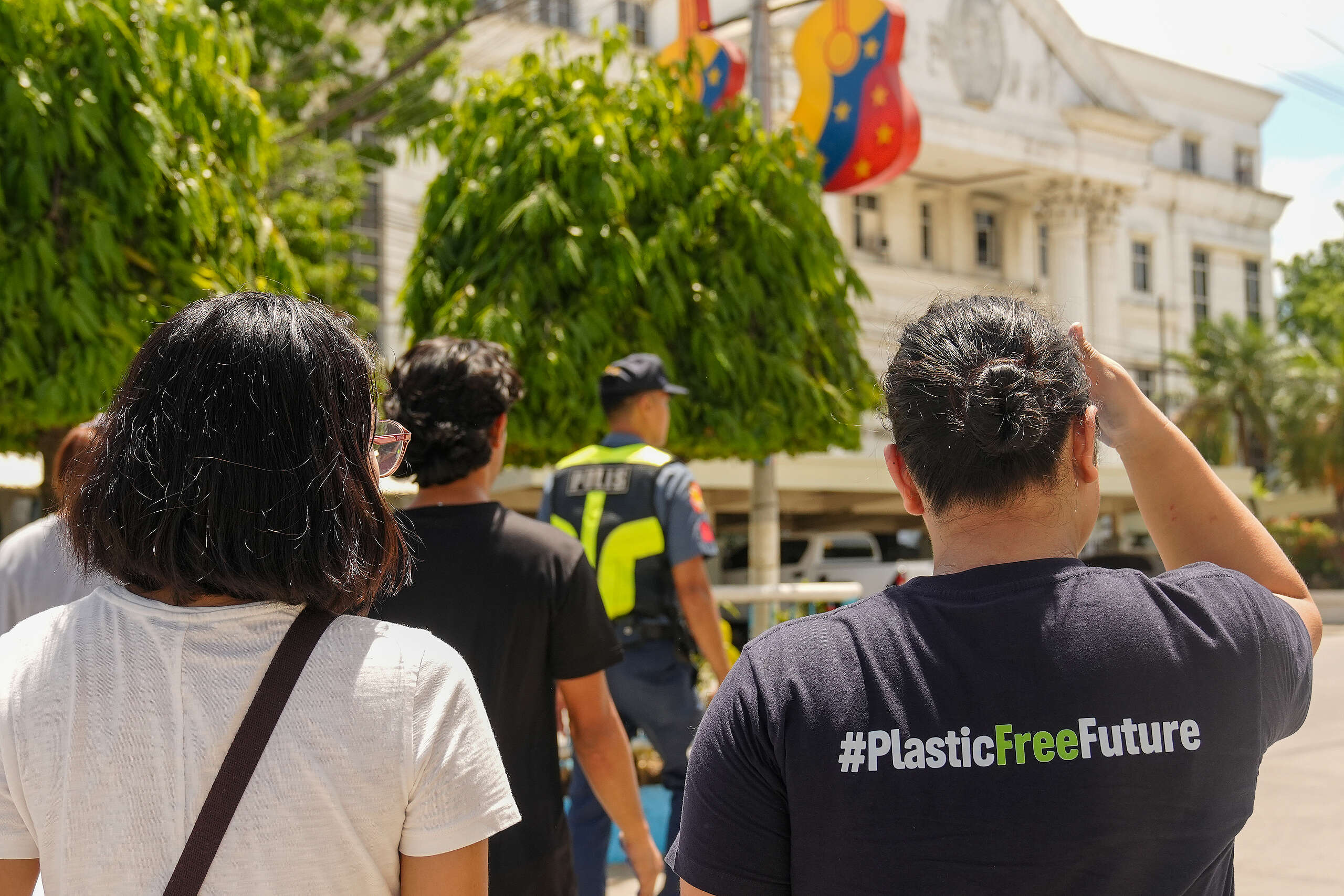
Greenpeace: ASEAN leaders cannot claim climate leadership while silencing peaceful protest
While ASEAN leaders spoke of sustainability and regional resilience at opening day of the summit in Cebu, peaceful Greenpeace activists calling for solutions to the climate and plastic crises to contribute to those same goals outside the venue were taken into police custody.