

PAINTINGS ON BROKEN PIECES OF WOOD | PHILIPPINES
ARNOLD OBGUIA
In Bohol, a fisherman faces the profound choices of tradition and relocation amidst rising tides and typhoons.
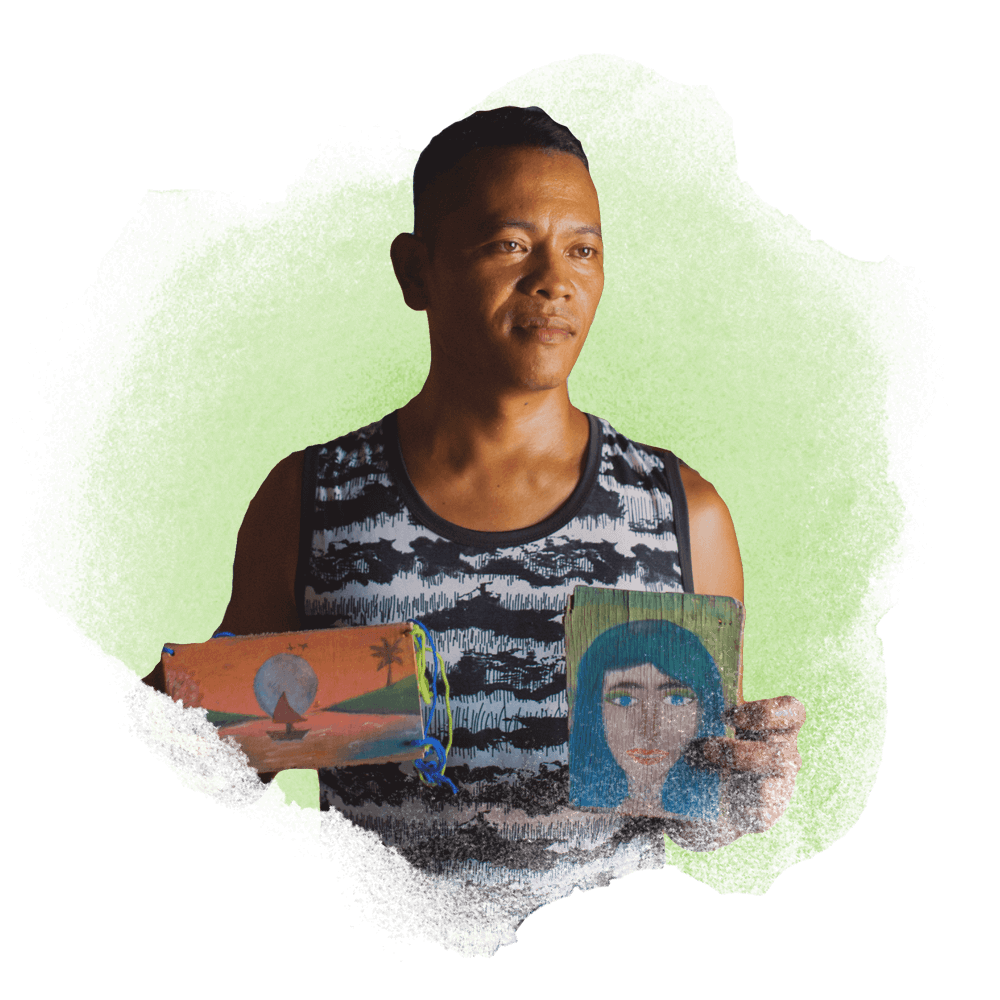

Arnold, a fisherman residing in Bilangbilangan, Bohol, represents the challenges faced by coastal communities amidst climate change.
Expressing deep concern about tidal flooding and powerful typhoons, Arnold grapples with the dilemma of staying in his ancestral home versus the risks of relocation. His wooden stilt house stands as a testament to the cautious choices made by his neighbors, opting for less resilient dwellings after the devastation caused by Super Typhoon Rai (local name: Odette) in 2021. Arnold’s attachment to Bilangbilangan is palpable, rooted in a profound connection to the island’s marine resources and the sustenance it has provided for generations.
Despite acknowledging the dangers, Arnold, like many locals, remains resilient, tethered to a way of life that, though increasingly precarious, represents a steadfast commitment to his community’s history and identity in the face of an uncertain climate-altered future.
Object of Memory
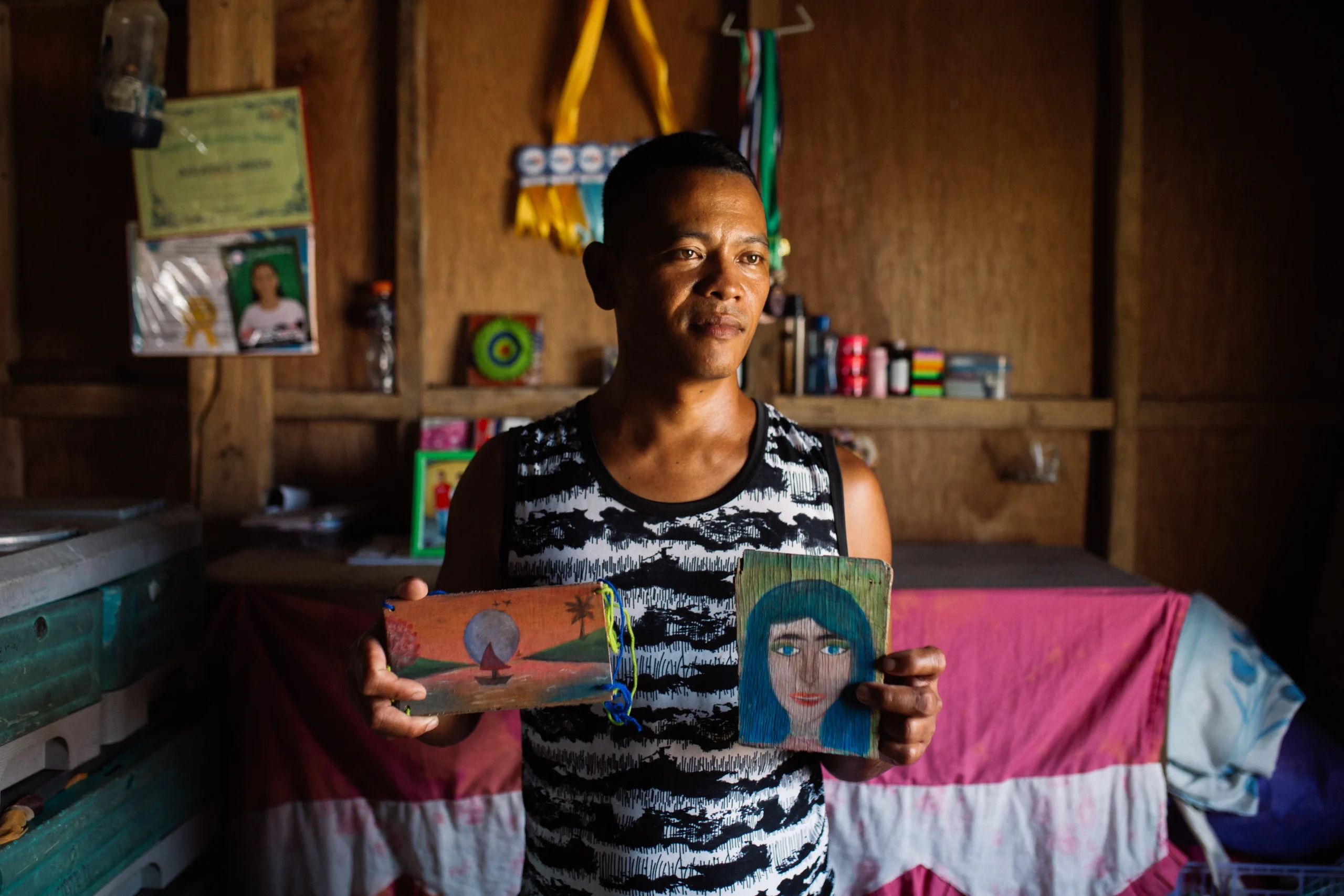
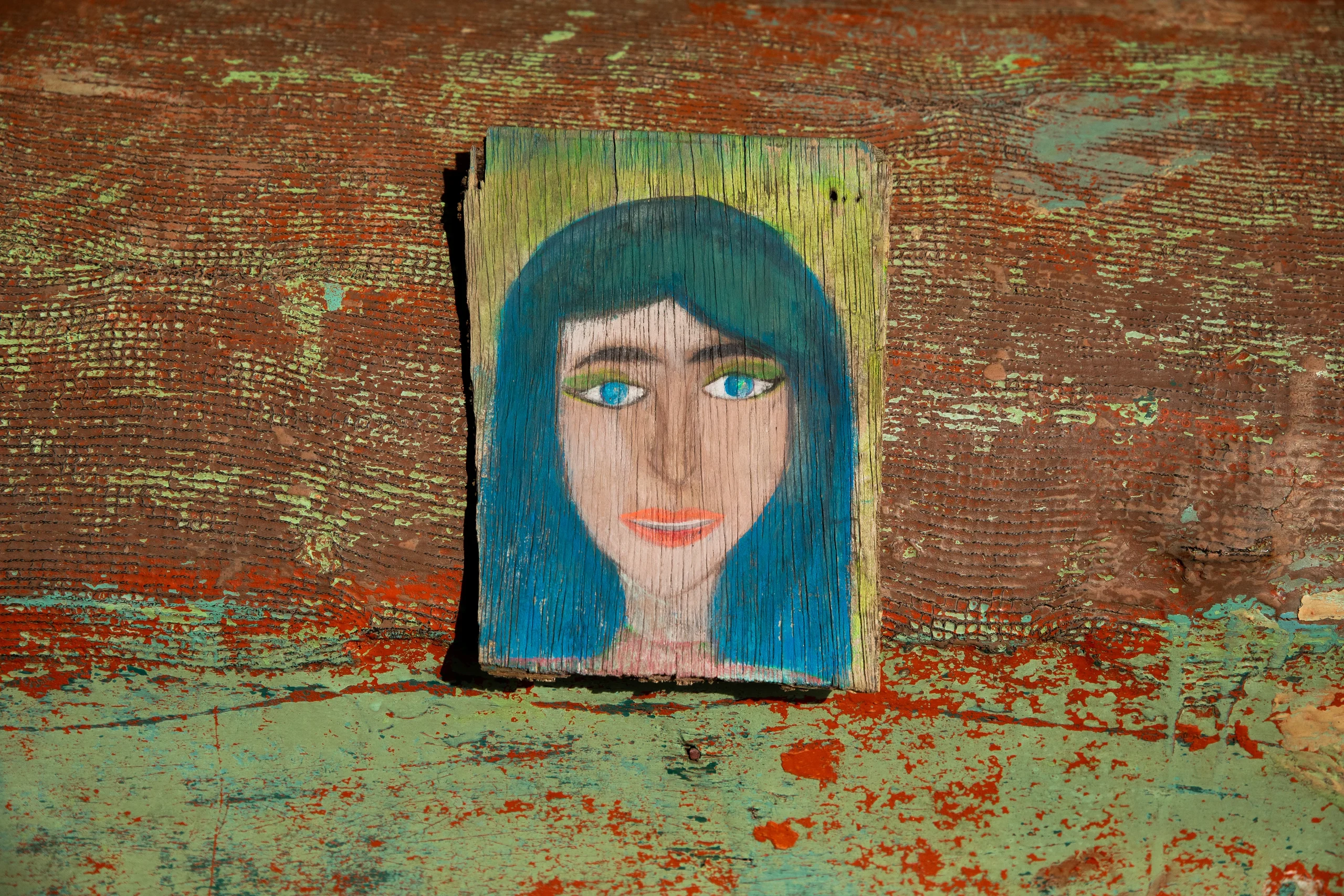
In an effort to find solace following the traumatic aftermath of Super Typhoon Rai, Arnold’s child found an outlet in painting. His child drew images using remnants of plywood salvaged from his battered boat, which succumbed to the typhoon. Each stroke of the brush became a means of personal healing. The canvases bore witness to the emotional impact of the climate disaster, transforming the remnants of destruction into a medium of self-expression.
Explore More Stories

NOURAN EL MARSAFY
Passport | UAE / India

YAN TU
Photo of a Decaying Buddha Statue | China

BLESSING EWA
Plastic Water Bottle | Nigeria