

INDIA
LAWRENCE
Those who are most vulnerable are the most affected by climate change. A fisherman from India endured a cyclone while being stranded in the middle of the sea.
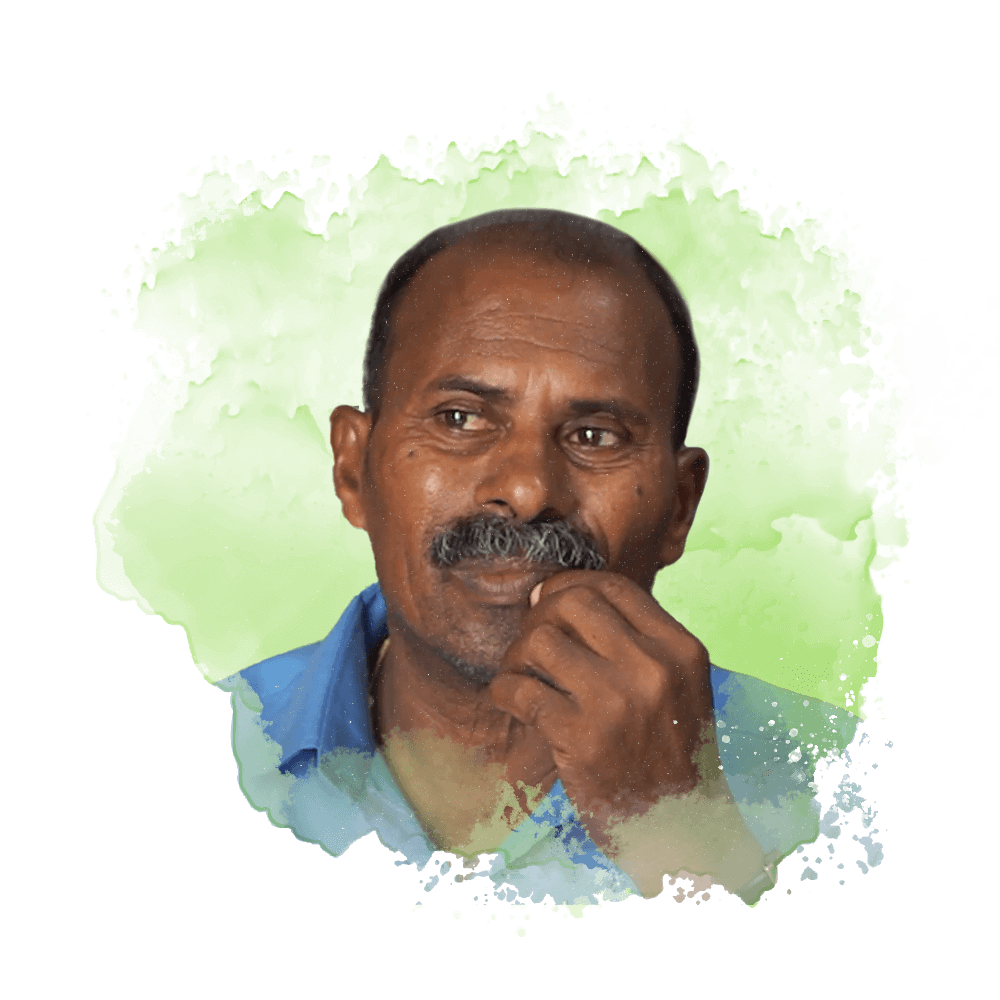
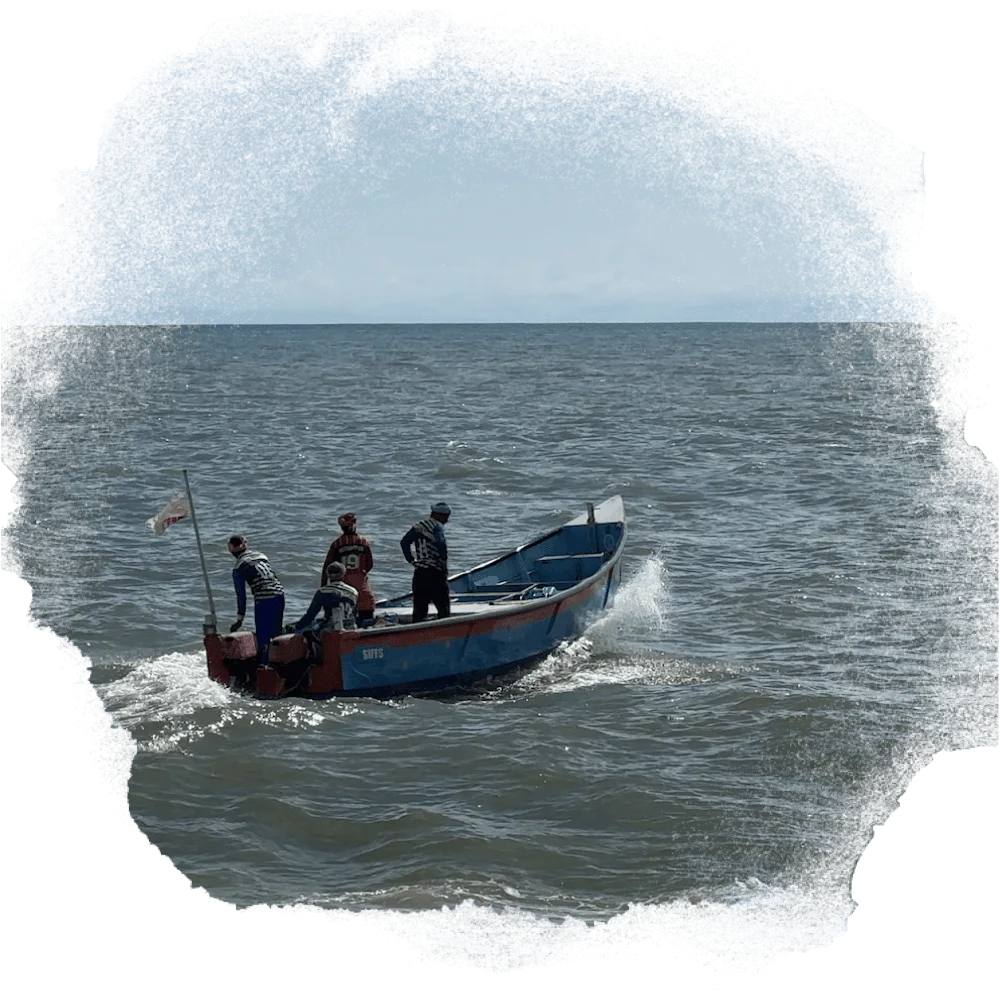
In the small fishing village of Poonthura in southwest India, Lawrence, a 53-year-old small-scale fisherman, endured the wrath of Cyclone Ockhi, an extreme weather event that forever altered his life.
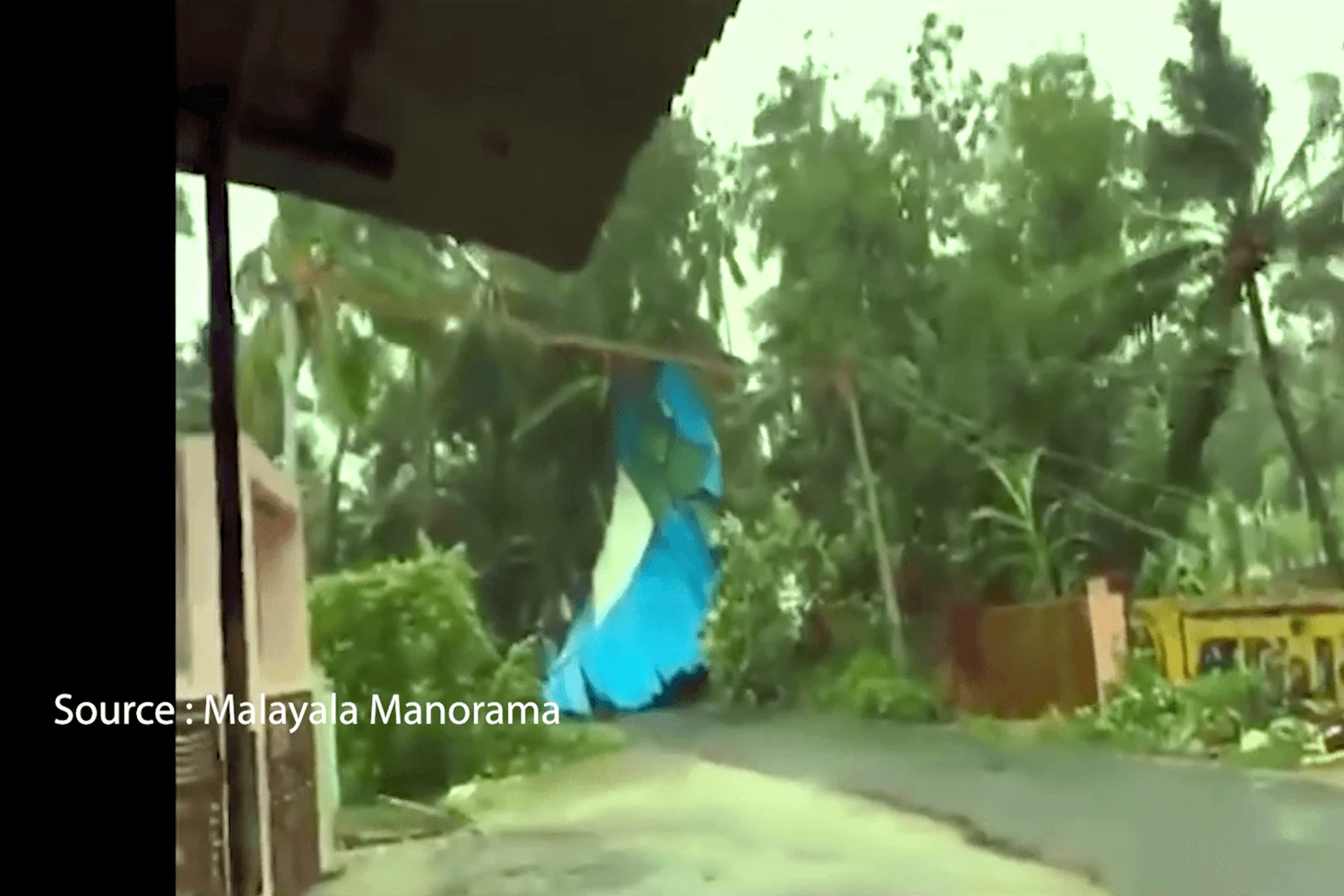
On that fateful night of November 28, 2017, what began as a depression over the Bay of Bengal escalated into the first severe cyclonic storm in India to traverse over 2400 km, claiming the lives of at least 365 people.
As disturbances set in before the cyclone, Lawrence found himself stranded on his boat with an inoperative GPS, accompanied by a friend, as the sea unleashed its fury. Facing never-before-seen rough seas and relentless rain, the storm hit, capsizing their boat. Lawrence miraculously survived, but tragically witnessed his friend succumb to the unforgiving sea after four harrowing days. Cast away in the middle of the sea, Lawrence clung to life for five days until a Filipino ship provided his miraculous rescue.
Object of Memory
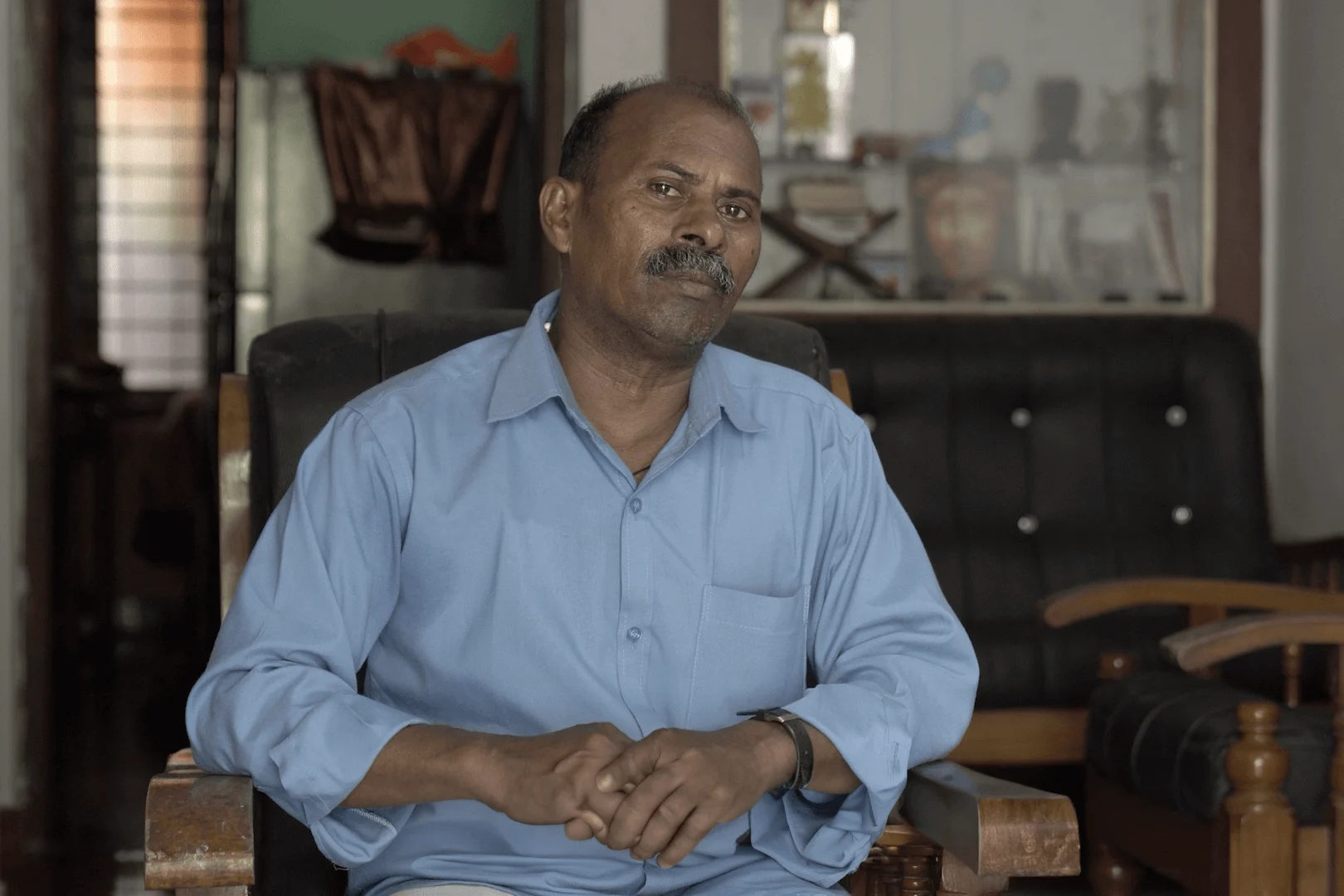
Lawrence’s ordeal sheds light on the challenges faced by fisherfolk during extreme weather events. Despite the state’s efforts to improve the early warning system since Cyclone Ockhi, inefficiencies persist, leaving vulnerable communities like fisherfolk at risk.
Lawrence emphasises the critical need for a more efficient early warning system that considers the literacy levels of fisherfolk. His story becomes a plea for improved disaster preparedness, ensuring that timely and comprehensible information reaches those who navigate the perilous waters for their livelihoods.
Explore More Stories
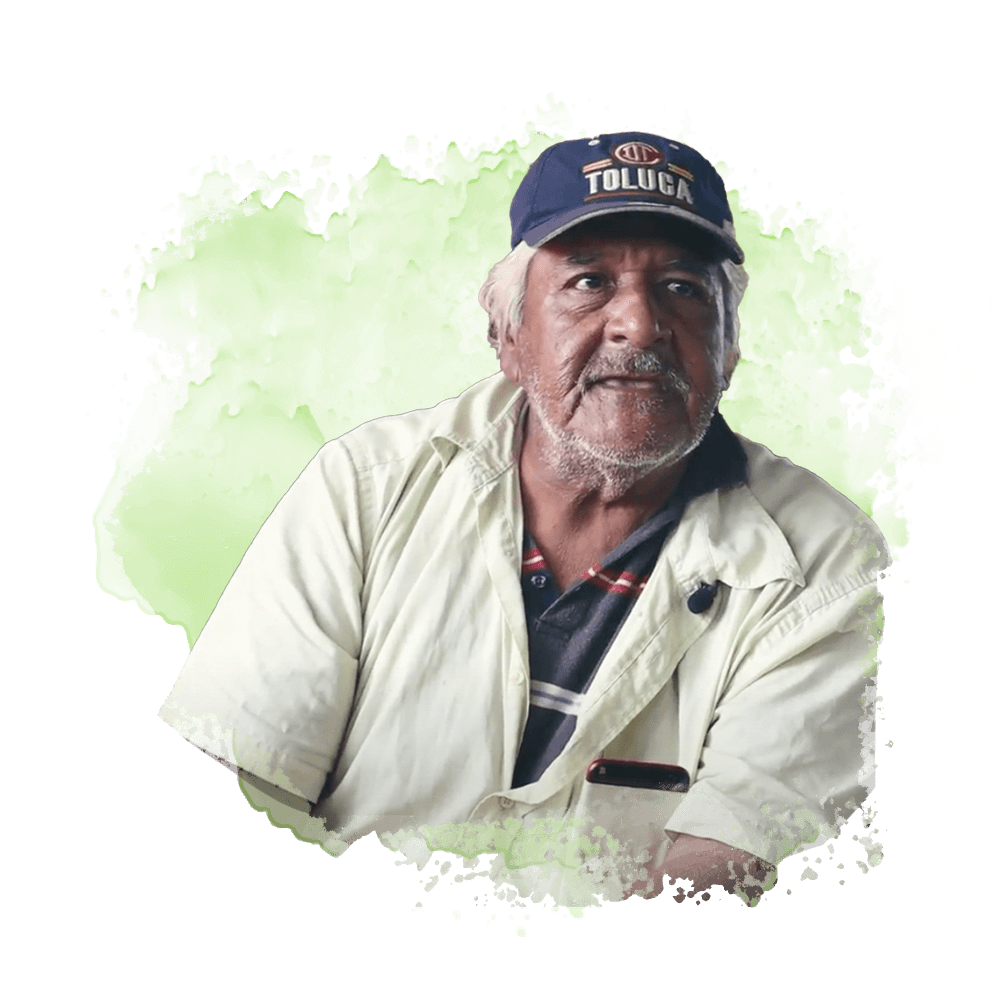
MIGUEL COBOS
Wooden Home | Mexico

TINA GRENIER
Remnants of Wildfire | Canada

ELLEN TAMATA
Mobile Phone | Vanuatu