

DUGOS (WILD BEES HONEY) | PHILIPPINES
TONY ABLETES
Tony’s world, once abundant with honey harvests, changed after Super Typhoon Haiyan. Explore how climate change reshaped his community’s livelihood.


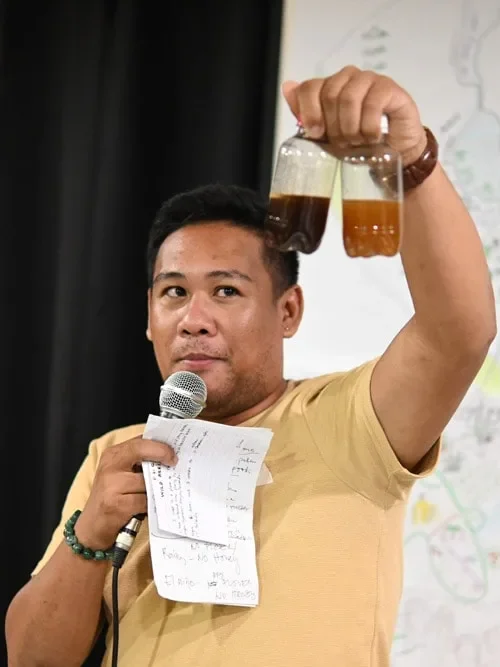
Tony resides in Barangay Seguinon, Eastern Samar, a town deeply rooted in beekeeping and honey harvesting. He fondly recalls times of abundant honey harvests, with products even transported to Manila, the capital city of the Philippines.
However, the landscape changed drastically after Super Typhoon Haiyan (local name: Yolanda) ravaged the region, destroying trees and plants crucial for honey production. The recovery process proved to be arduous, spanning years.
The once reliable honey harvests faced new challenges with climate change. Nonstop rains impede bees from collecting nectar, disrupting honey production. Intense heat causes flowers to dry up, and some trees flower only once a year. Climate change has become a huge problem, impacting not just honey production, but the very livelihood of Tony’s community. Even after years of recovery since Haiyan, their once full-time occupation has dwindled to part-time, with some opting for farming despite its own set of challenges. The ebb and flow of their lives reflect the impact of climate change on the intricate balance of nature and livelihoods.
Object of Memory
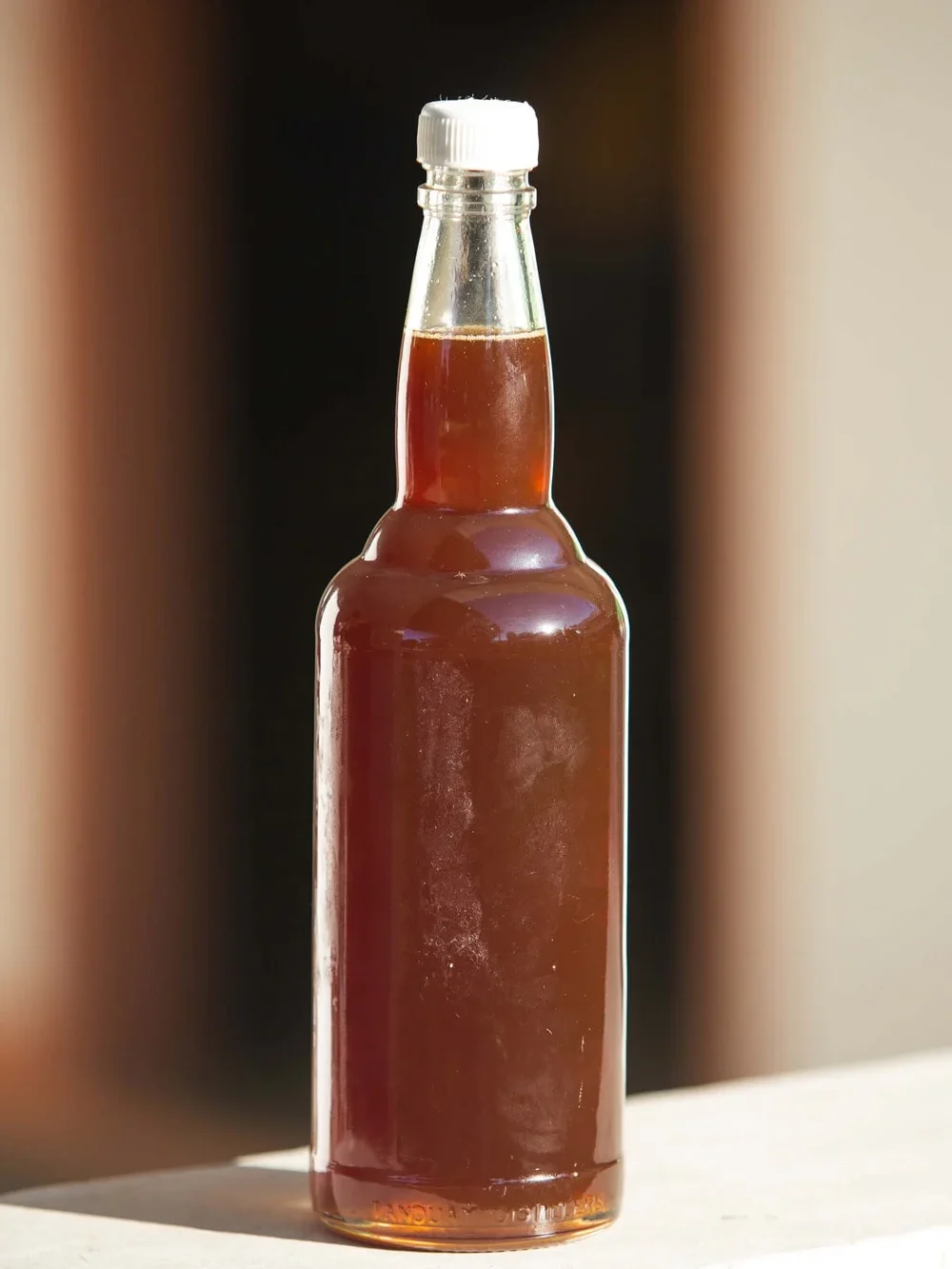
Presently, the bees face limitations, extracting nectar from only two to three flowers. This shift signifies a tangible setback for the community’s livelihood, disrupting the simple yet crucial relationship between the bees and the available blossoms. Tony’s community grapples with the aftermath of Haiyan, a reminder of how climate change can directly impact even the most fundamental aspects of life.
Explore More Stories

NOURAN EL MARSAFY
Flower Hat | Egypt

QUEENEE DELA CRUZ
Kindergarten Book | Philippines

WU PUHUI
Red Bow Helmet | China