

COFFEE BEAN | INDONESIA
WIWI
A coffee farmer faces the harsh impacts of climate change on her livelihood. Decreasing yields and erratic weather challenge her resilience.
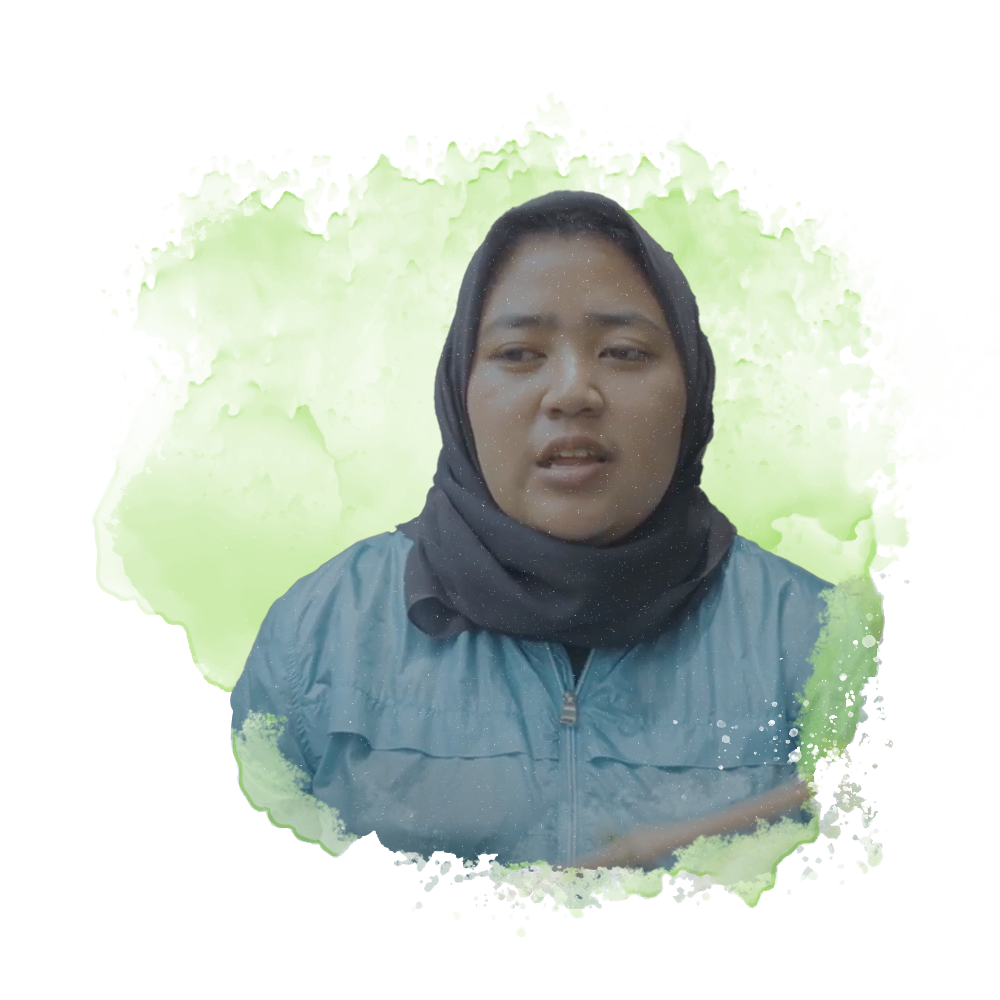

In the heart of Banjarnegara, Central Java, Wiwi, a coffee farmer, has been tending to her plantation since 2015.
A member of the Lady Farmer Coffee Group, Wiwi’s hands tell the story of her commitment to the land and its crops. However, for almost five years, Wiwi and her fellow women farmers have faced the bitter reality of climate change impacting their livelihoods. The once abundant coffee harvest season, spanning June to August, has become a source of anxiety.
Changes in temperature, rainfall, and soil conditions have led to a drastic reduction in coffee yield. What was once a thriving industry is now struggling, with the unpredictability of weather patterns dealing a blow to the delicate coffee crops that Banjarnegara is known for.
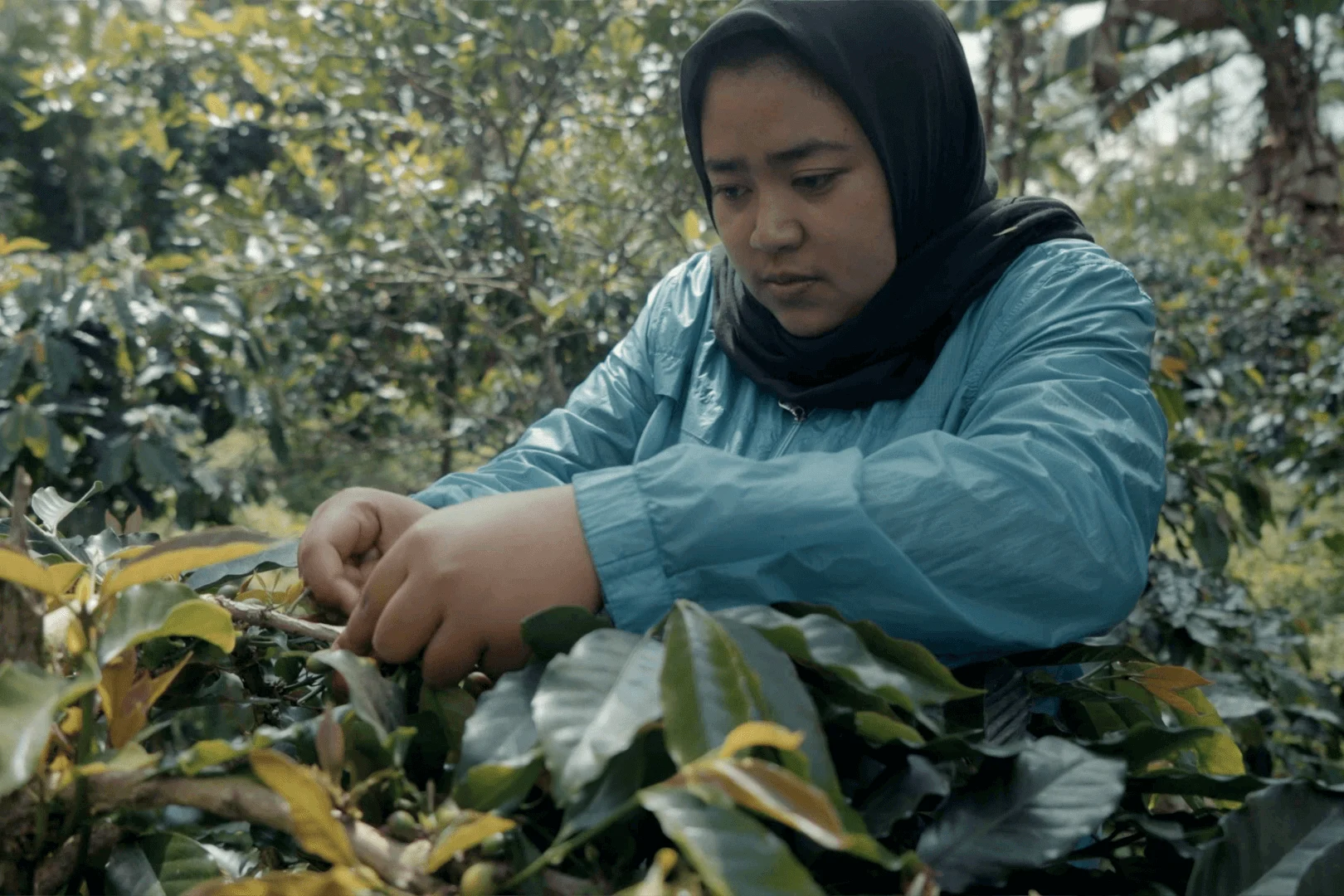

Object of Memory
For Wiwi, her object of memory is a simple coffee bean, a reminder of the challenges faced by her community. The story behind this humble bean is one of struggle and resilience. Wiwi recalls the days when each coffee tree would yield a robust 10 kilograms, but since 2019, they’ve been harvesting little.
The once-booming coffee production has dwindled, painting an uncertain image of the future. As Indonesia, the world’s fourth-largest coffee producer, grapples with the projections of decreased suitable coffee-growing areas by 2050, Wiwi and her fellow farmers find themselves neglected by the government and its inaction. The agricultural sector, battered by the climate crisis, faces this huge challenge, leaving these coffee farmers to navigate the impacts of climate change on their own.
Explore More Stories

SHARIFAH ‘VIVI’ HAWA
Dried Fish | Malaysia

EMILY RUBI CAMACHO
Elementary School | Mexico

STELLA BOUFIKOU
Greece