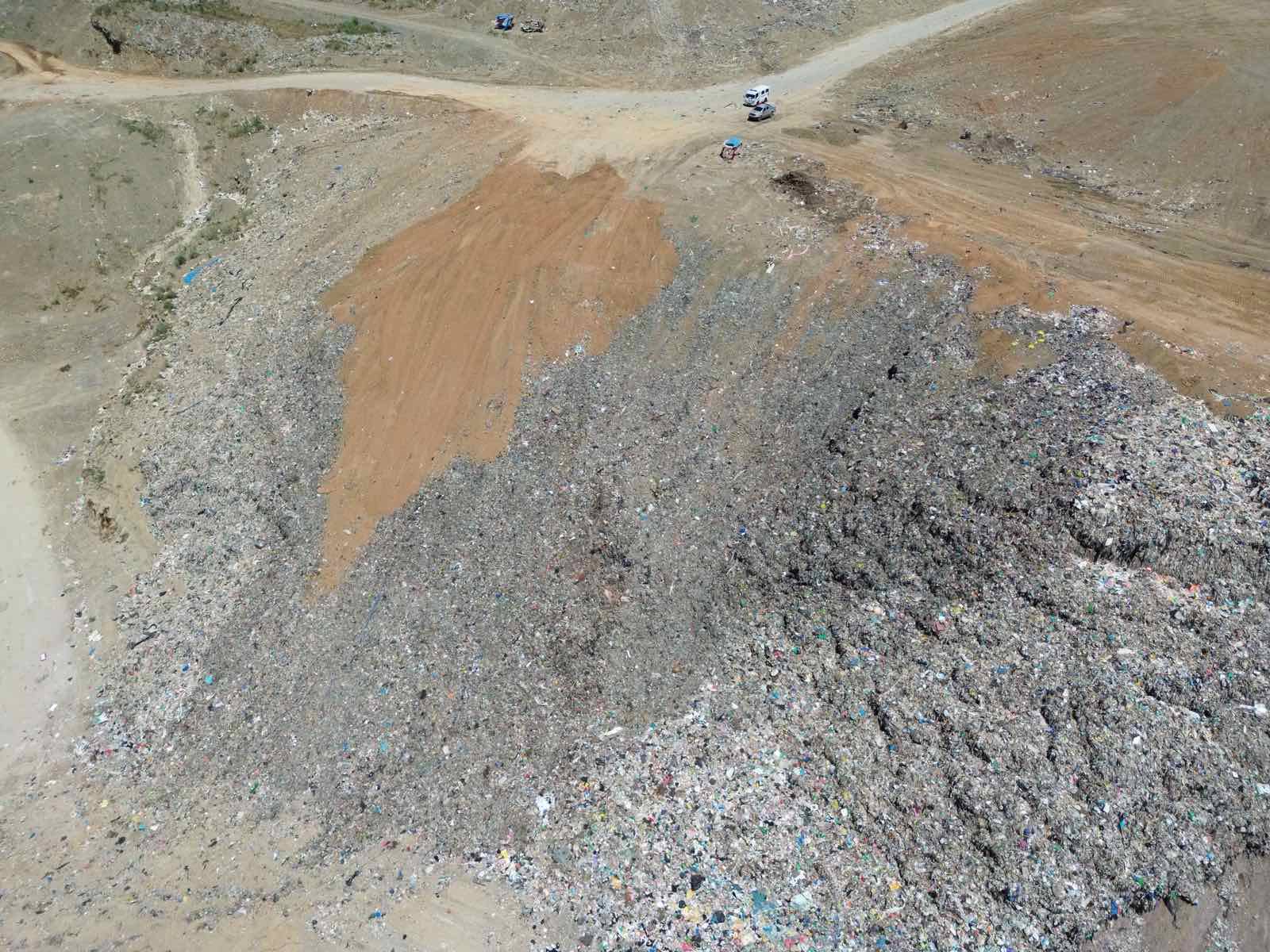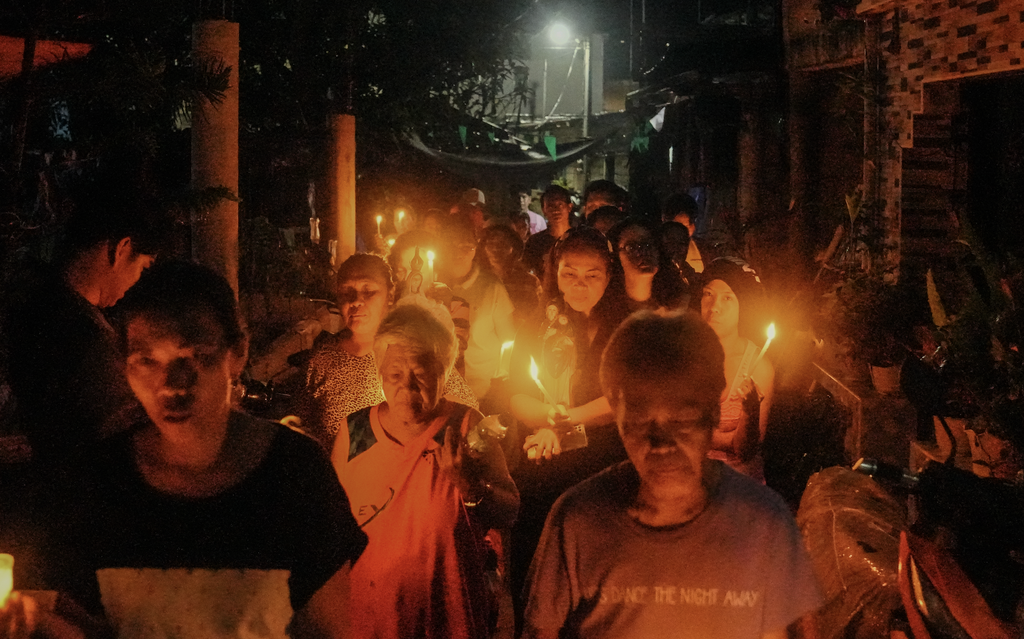
7 March 2026, Cebu City — Communities residing near Binaliw Landfill hold a candle-lighting vigil, expressing their indignation for the suffering they are experiencing from the impacts of the neighboring dumpsite. Last January, 36 waste workers lost their lives to the trash slide that buried the waste segregation facility they were working in. Weeks after the tragedy in Binaliw, a landfill in Rodriguez, Rizal also collapsed.
Greenpeace Campaigner Marian Ledesma said:
“These tragedies can happen again. Communities near landfills will continue to bear the burden and impacts of the waste crisis, with their health and lives at risk. The recent trash slides are manifestations of the systemic failures that drive the waste crisis, rooted in the inaction of government at national and local levels, and the impunity of corporations responsible for driving waste volumes to surge with their single-use products and packaging.
“The government and corporations could have prevented these tragedies and other impacts from happening, but they are failing to uphold the intent of Philippine laws. Current policies fall short, largely focusing on managing waste only after it is already generated instead of implementing measures to prevent waste from being generated. Reduction and reuse remain largely voluntary in nature.
“The Ecological Solid Waste Management Act of 2000 (RA 9003) was designed for waste prevention, but the government has not fully implemented provisions to meet this goal, enabling business-as-usual practices of companies which result in unmitigated waste generation. The Extended Producer Responsibility (EPR) Act has likewise failed to shift the system away from plastic overproduction: prioritizing waste recovery, without requiring companies to substantially cut plastic production or transition to reuse at scale.
“Furthermore, to address the worsening waste crisis immediately, it is necessary to have complementary legislation with clear mandates and enforceable targets for reduction and adoption of reuse and refill solutions. These measures would create real solutions that require companies to reduce waste, a true step towards preventing landfill collapses and impacts on communities.
“The Philippine government must act with urgency in addressing the waste and plastic pollution crises, amending the EPR Act to set clear targets for plastic reduction and establishment of reuse systems, and fully implementing RA 9003 to meet its waste prevention objectives through single-use plastic bans, reuse systems, waste segregation, and a comprehensive non-environmentally acceptable products and packaging (NEAPP) list including disposable plastics.
“The government must require companies to cut down on plastics and disposable materials altogether. Corporations must also be mandated by the government to reduce plastic production and use, and begin a transition to refill and reuse systems, preventing waste upstream before they end up in our communities, environment, and landfills.
“For as long as the government continues to allow the overproduction of single-use products and packaging, particularly single-use plastics, more communities near landfills are bound to meet the same tragedy again.
“The government and corporations need to act now, before another landfill comes crashing down again on communities and the environment.”
###
PHOTOS AVAILABLE HERE
For more information and interview requests, please contact:
Karl Orit
Communications Campaigner
Greenpeace Southeast Asia – Philippines
[email protected] | +63 919 457 1064 (Viber & WhatsApp)