-
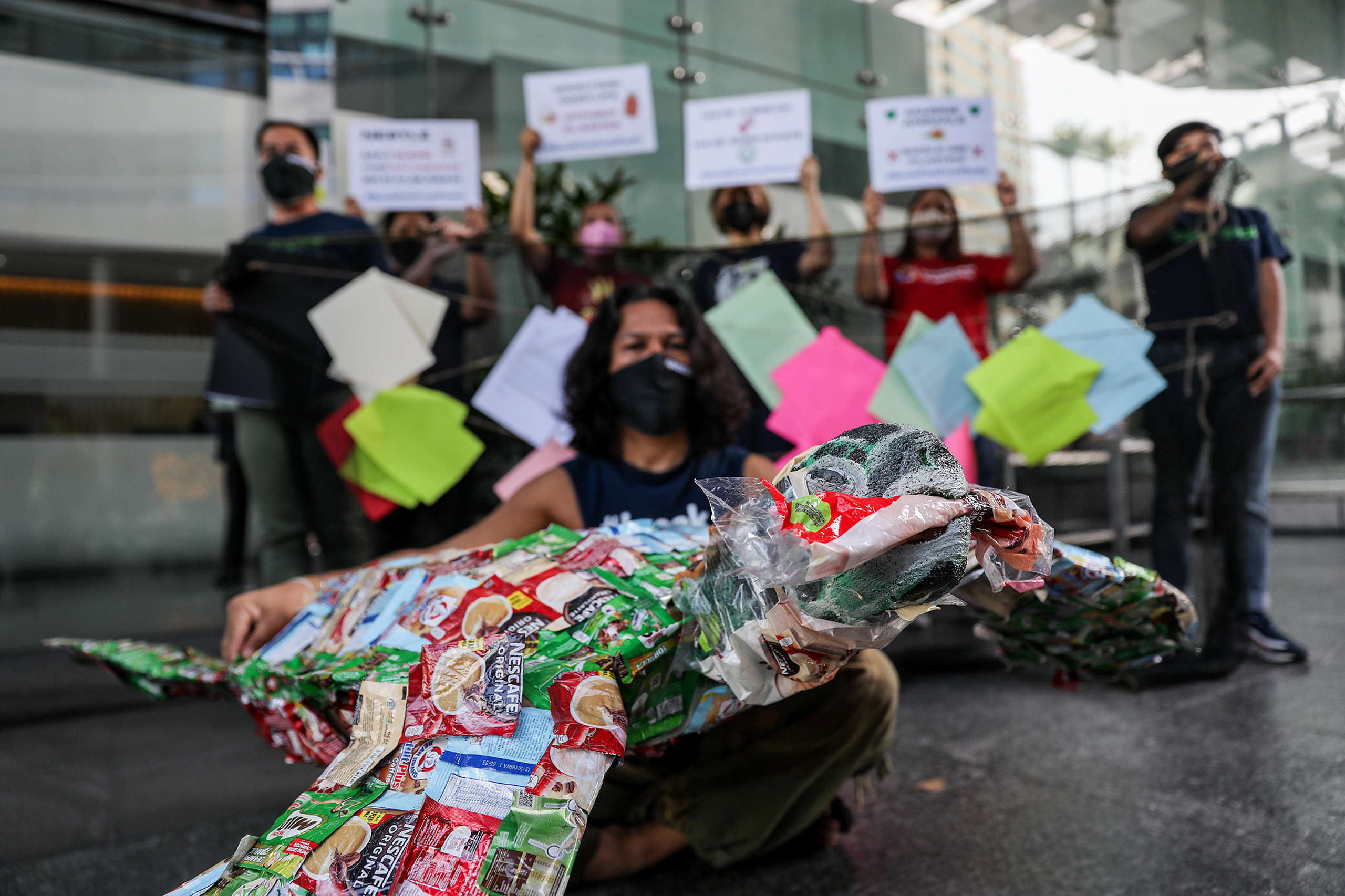
Activists send plastic waste back to Nestle, call out company for greenwashing
Nestle continues to figure in waste and brand audits as one of the worst polluters. The company also ranks 6th among global fast moving consumer goods companies in a recent Break Free From Plastic report on false solutions, with Nestle leading the way in terms of questionable “plastic neutrality” agreements with other companies.
-
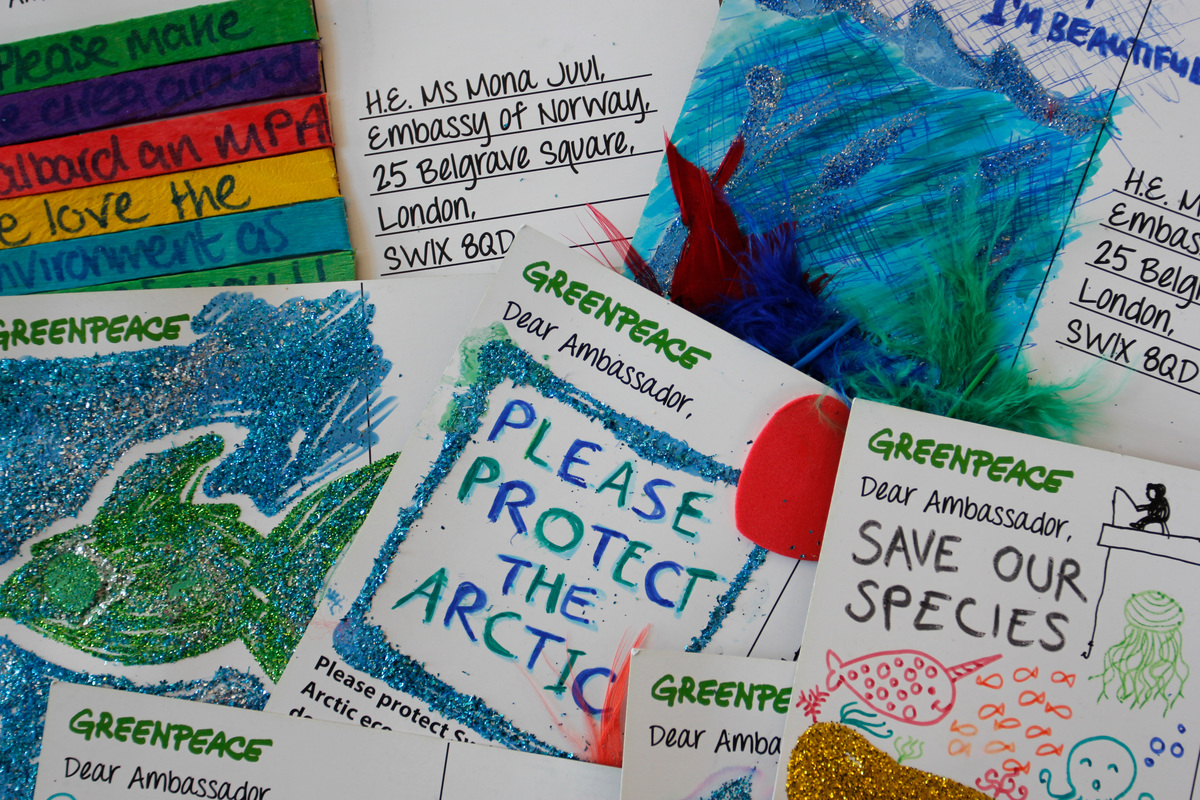
Job Opening: Fundraising Content and Design Senior Coordinator
The Donor Content & Design Producer provides content oversight and support for fundraising material/creatives. She/He will collaborate with the Creative Coordinator on donor visual identity strategy for Greenpeace Southeast Asia across print and digital formats.
-
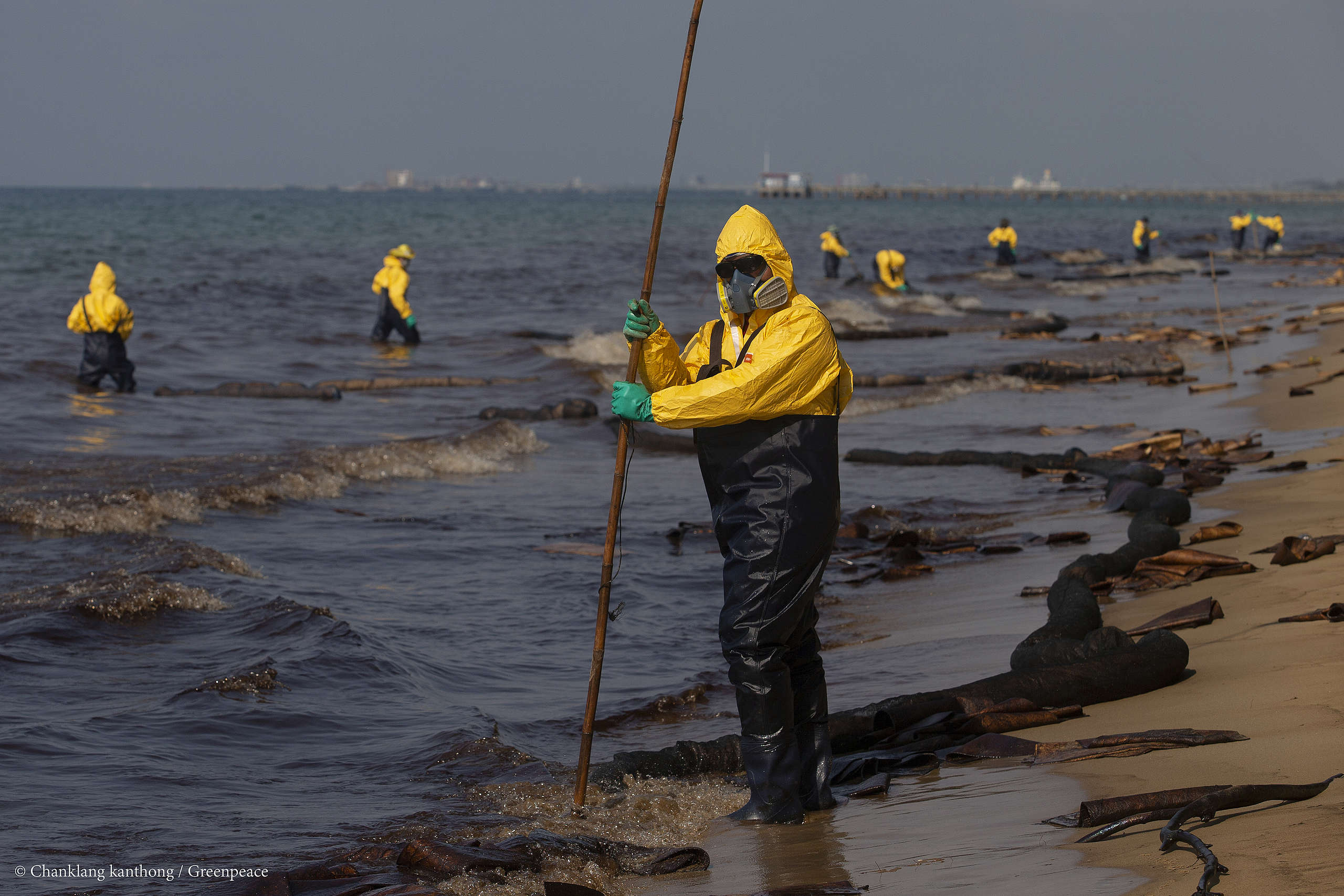
Oil Pollution at Sea: The Fossil Fuel Industry’s Liability
Oil spills and other forms of marine pollution regularly occur along oil transportation routes where oil tankers load and offload and where petroleum companies operate. Since 1974, there have been at least 240 oil spill incidents in Thai waters. Information on these incidents are often incomplete.
-
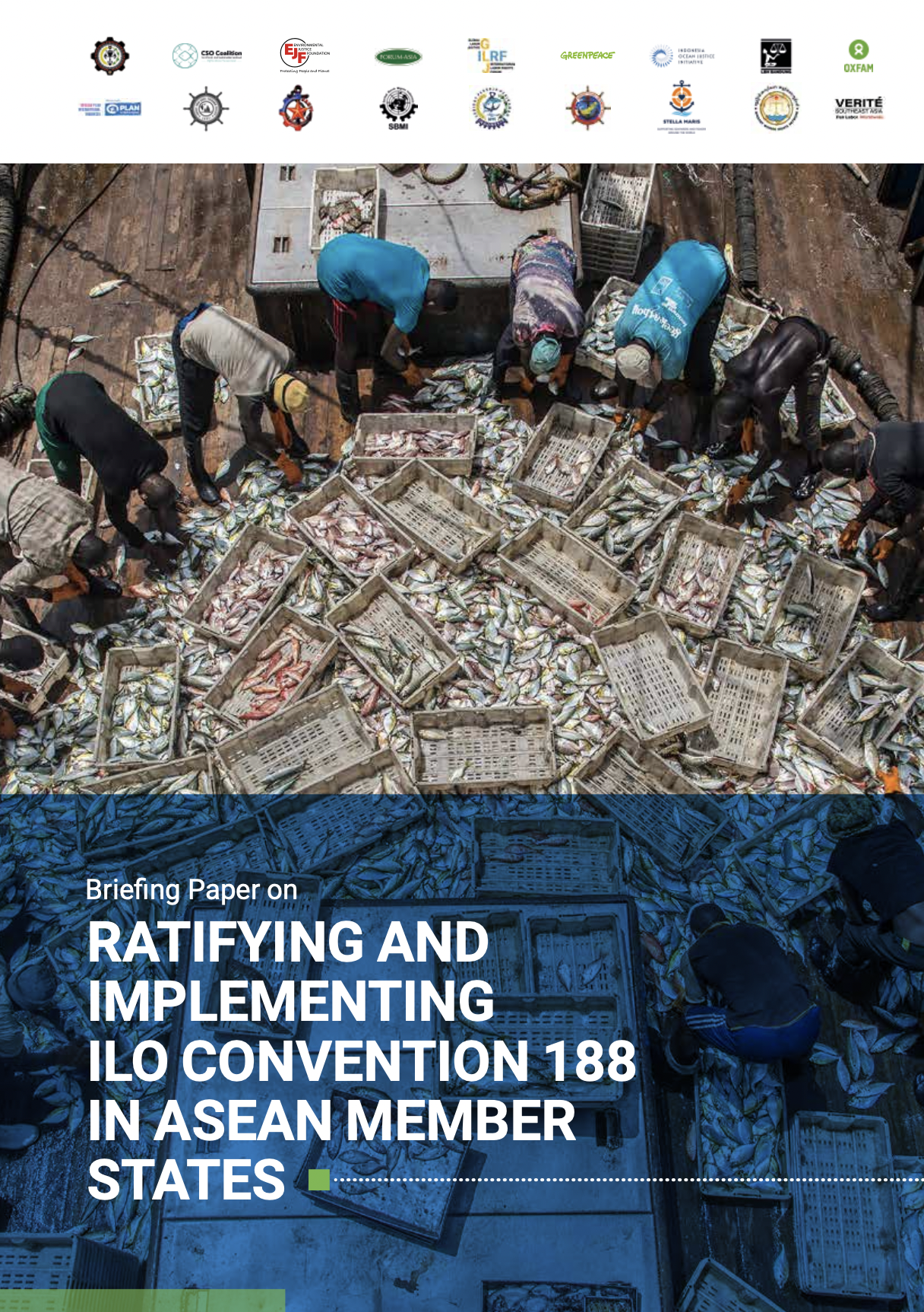
Ratifying and Implementing ILO Convention 188 in ASEAN Member States: Briefing Paper
There is rapidly growing concern over acts of forced labour and human trafficking in the fishing industry on a global scale.
-
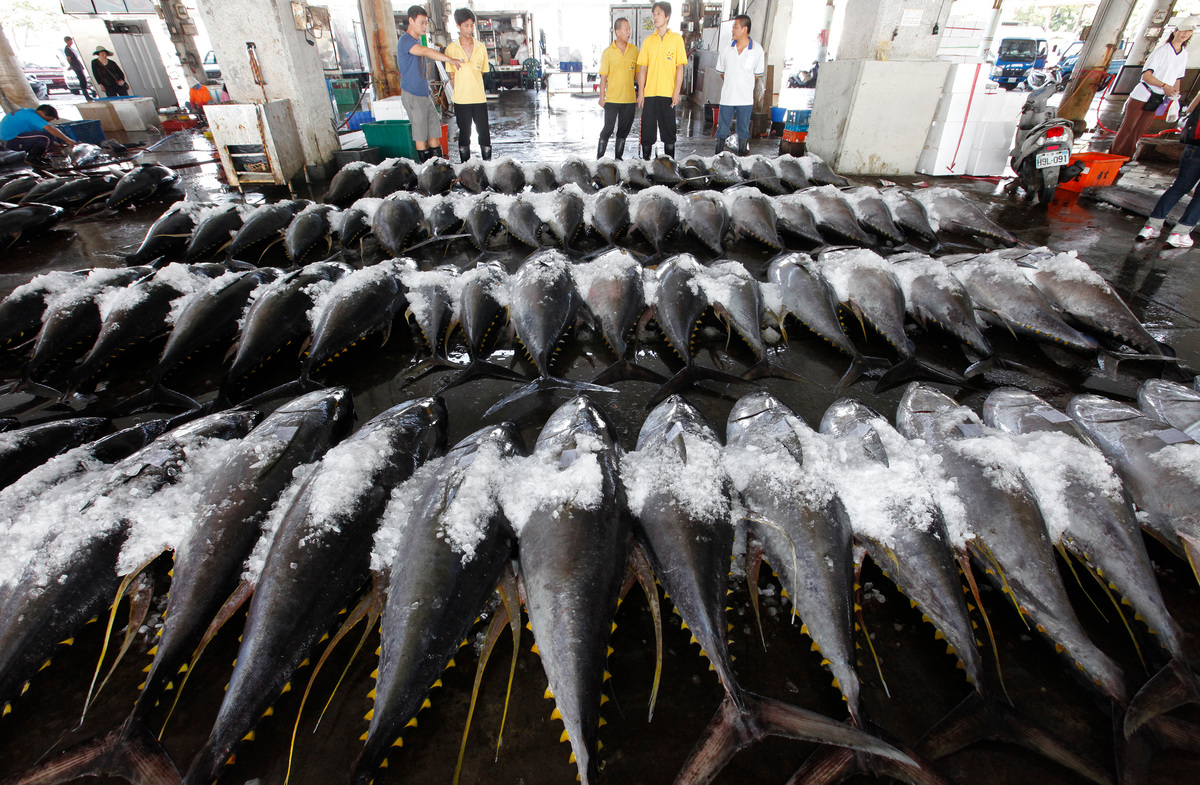
Organizations urge U.S. to block imports from Taiwanese seafood giant over forced labor concerns
FCF, which last year acquired major US tuna brand Bumble Bee Seafoods, has previously been accused of poor supply chain management with forced labor, human trafficking, IUU (illegal, unreported, and unregulated) fishing, and illegal shark finning via its vessels, as well as potential links to the deaths of a fishery observer and an Indonesian migrant…
-
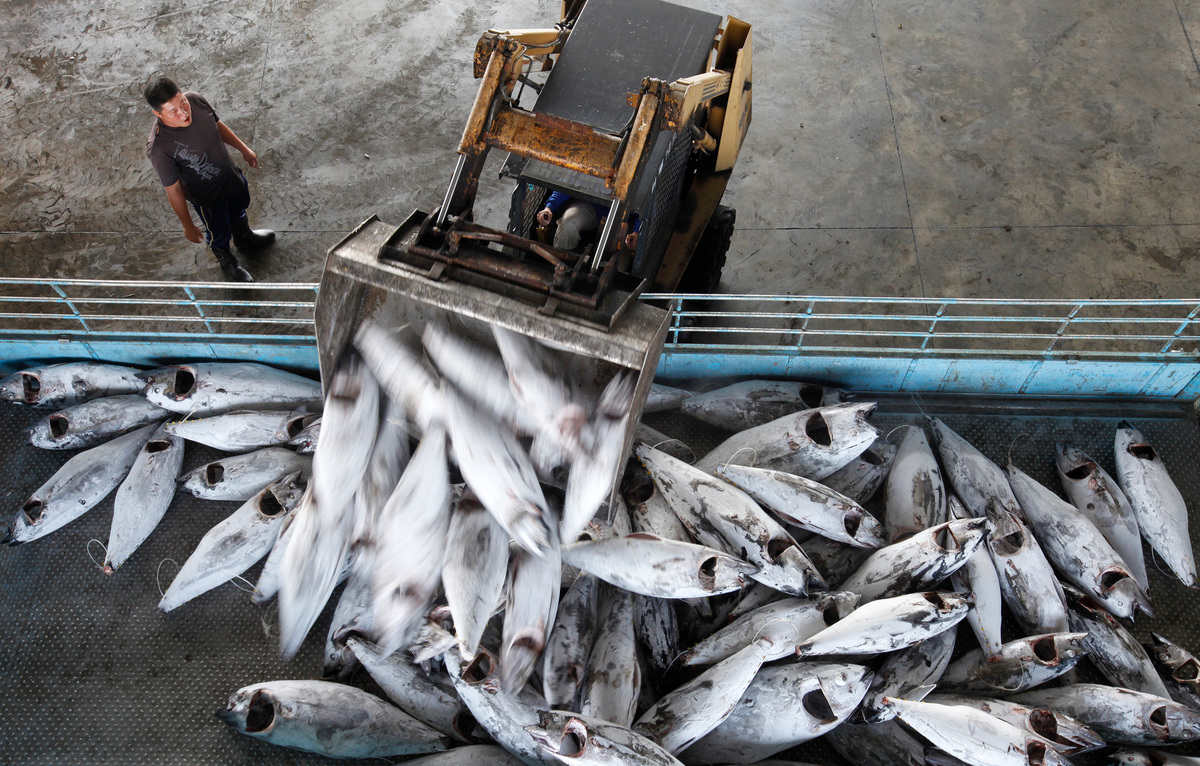
Who is FCF? Taiwan’s biggest tuna trader linked to forced labour & illegal fishing
Clear links between a Taiwanese seafood trading company and appalling cases of forced labour involving vulnerable migrant workers from Southeast Asia, as well as illegal fishing practices have been highlighted in a new report by Greenpeace East Asia
-
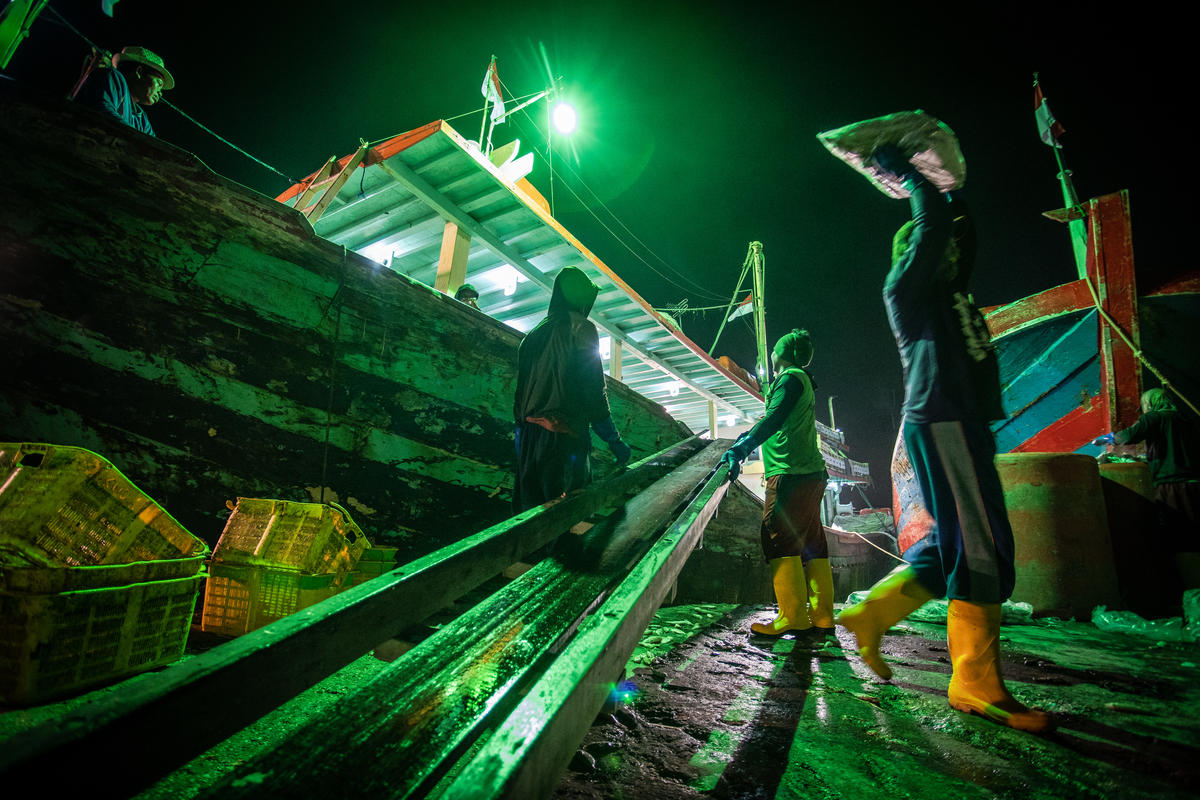
Five reasons modern slavery at sea is still possible in 2019
In a new report, “Seabound: The Journey to Modern Slavery on the High Seas”, Greenpeace Southeast Asia spoke to many migrant fishers about their experiences in order to present a snapshot of the living and working conditions onboard distant water fishing (DWF) vessels, according to the fishers themselves.
-

New testimonials suggest “modern slavery” for Southeast Asian migrant fishers working out at sea
13 foreign distant water fishing vessels have been accused of abusing migrant fishers from Southeast Asia, in cases so severe it has been characterised by many as “modern slavery”
-
Seabound: The Journey to Modern Slavery on the High Seas
For several years now, international media has shone a spotlight on the inhumane working conditions of migrant fishers from Southeast Asia. The vessels they work on reportedly use destructive, illegal, and unreported methods, which take a heavy toll on the health and viability of our already fragile oceans.
-
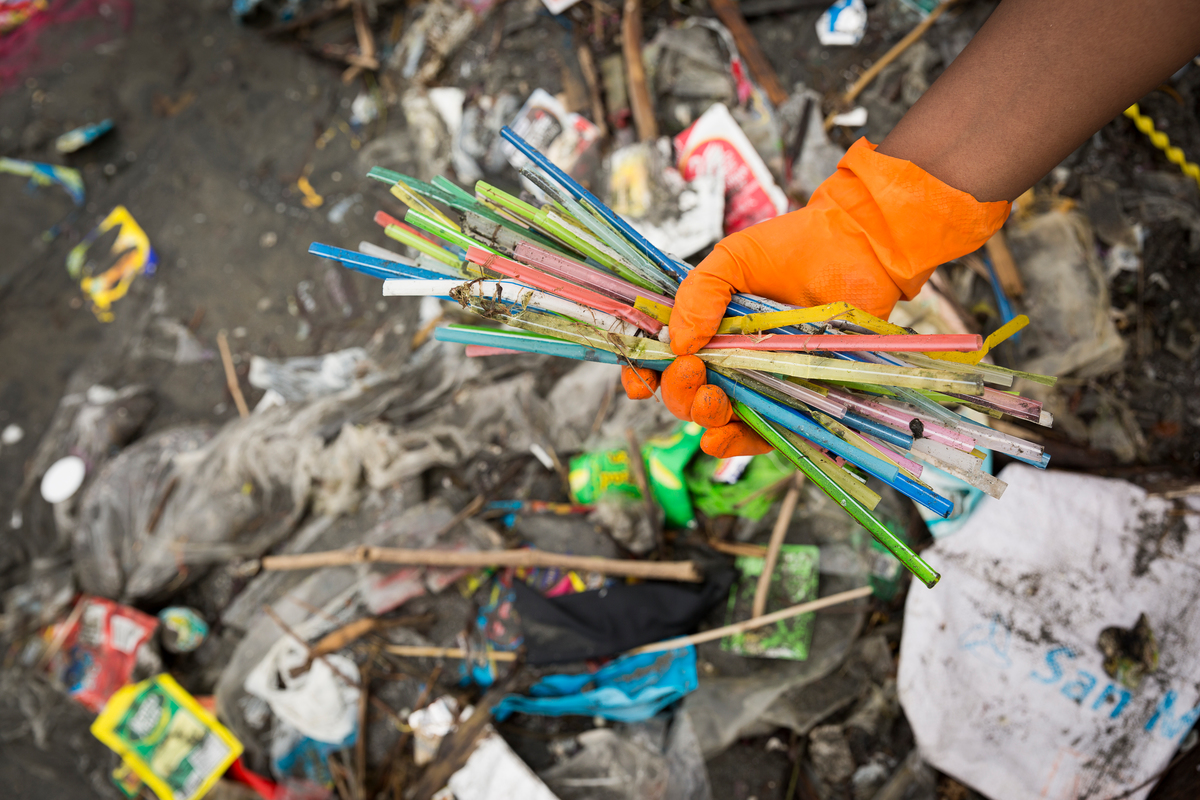
Communities and Greenpeace volunteers clean up beach and conduct plastic brand audit in Songkhla
On International Coastal Cleanup Day, around 60 volunteers from the Songkhla Forum, Beach for Life, and Greenpeace together cleaned up the beach at Laem Son On in Songkhla province.
