
Chornobyl missions
Our team conducted two missions in Chornobyl since the invasion to have an independent assessment of the Russian occupation zone, and to discover new technological ways to research the long-term consequences of the disaster.

Problem
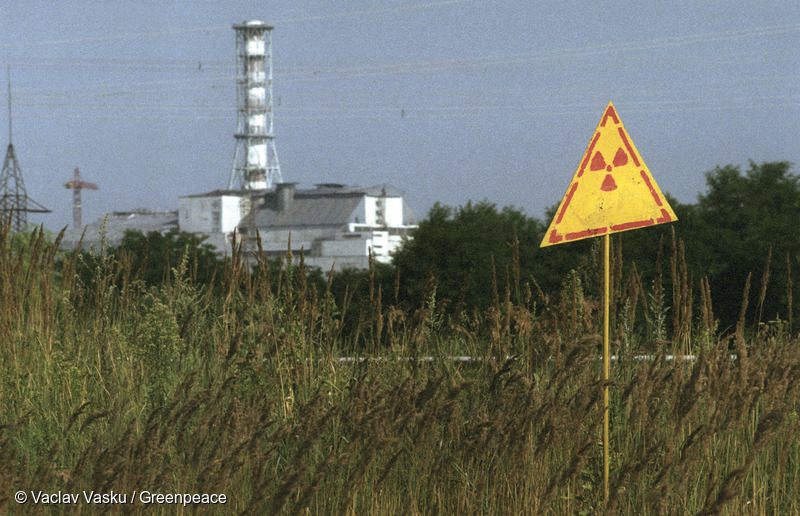
On the very first day of the war, 24 February 2022, the Russian military invaded and seized the Chornobyl nuclear plant. The scene of the worst nuclear disaster in history became one of the early military targets.
After the liberation of the Chornobyl exclusion zone, Ukraine needed to assess the level of damage from the Russian military.
Our work
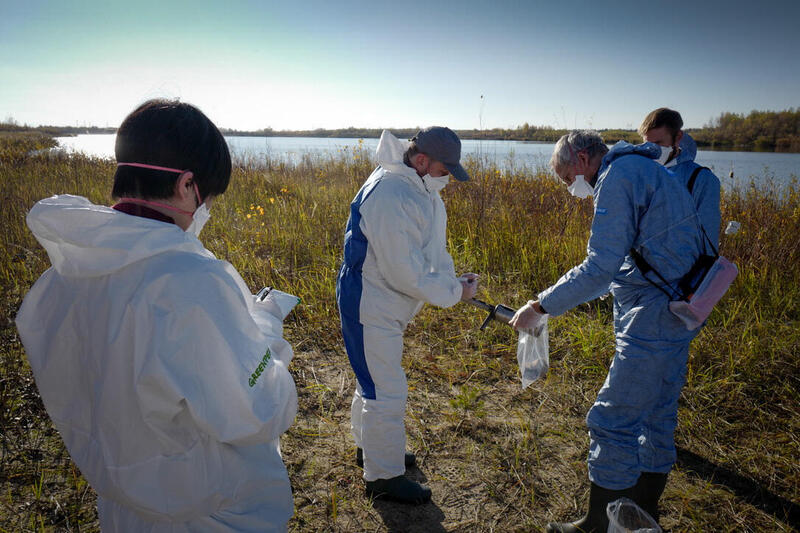
After several months of preparation, Greenpeace Germany was granted permission by the State Agency of Ukraine on Exclusion Zone Management (SAUEZM) to visit Chornobyl and to conduct radiation survey work inside the 2,600km2 highly contaminated Exclusion Zone.
This story map explains some of the complex radiological issues and the preliminary results of our work in Chornobyl. The mission offers insight into one small part of recent Chornobyl history and Ukraine’s wartime experience. Greenpeace Ukraine and Germany continue to investigate the radiological consequences of the Chornobyl disaster, in collaboration with Ukrainian scientists.

Investigation in the Chornobyl Exclusion Zone
Greenpeace Germany conducted a radiation survey of Russian military influence on the Chornobyl Exclusion Zone
-
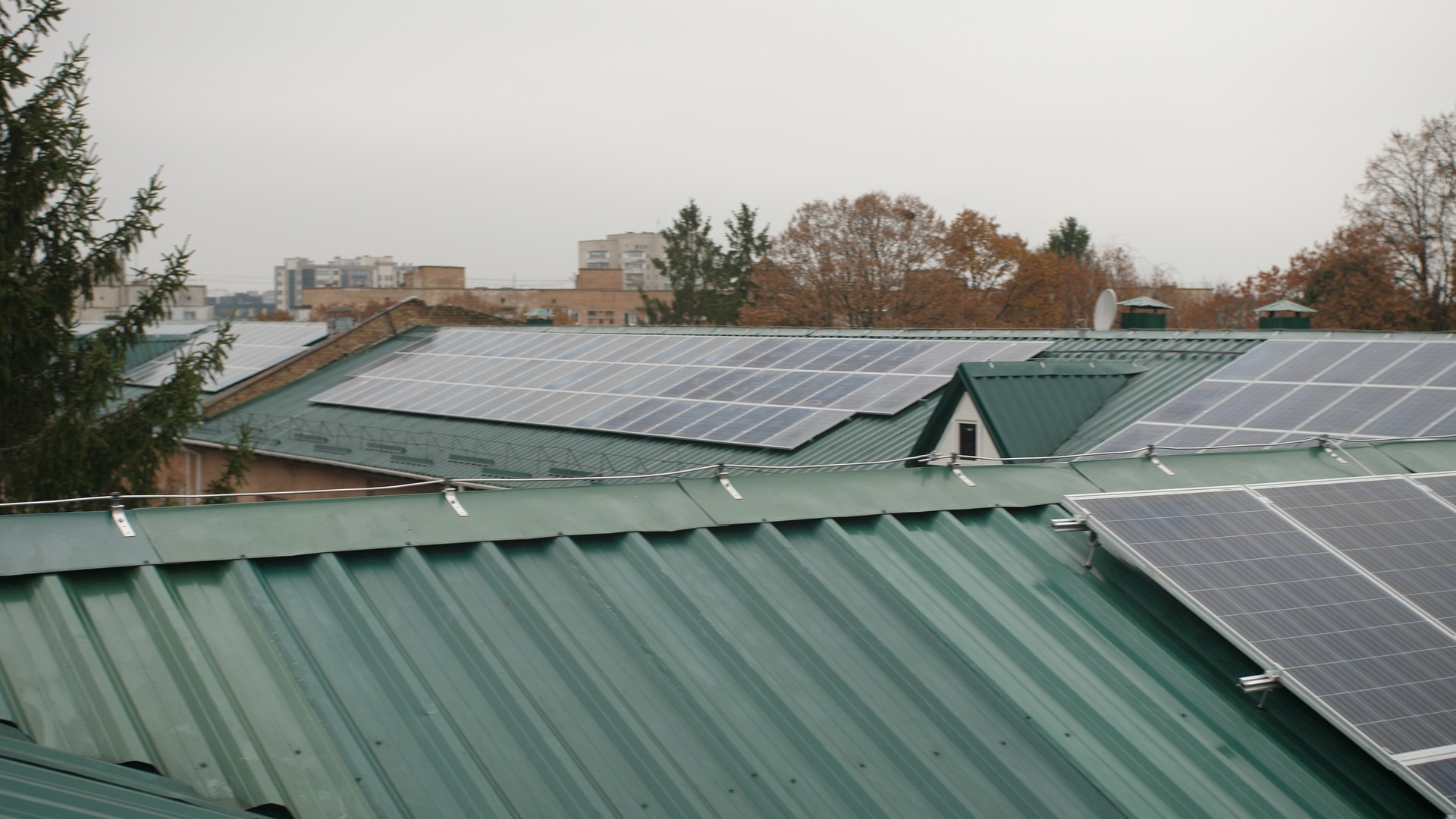
1 million hryvnia in savings: Greenpeace Ukraine equips Rivne Regional Hospital with solar panels
From now on, 387 solar panels will provide the hospital, where more than 40,000 people are treated annually, with environmentally friendly energy. This will allow the medical institution to save…
-
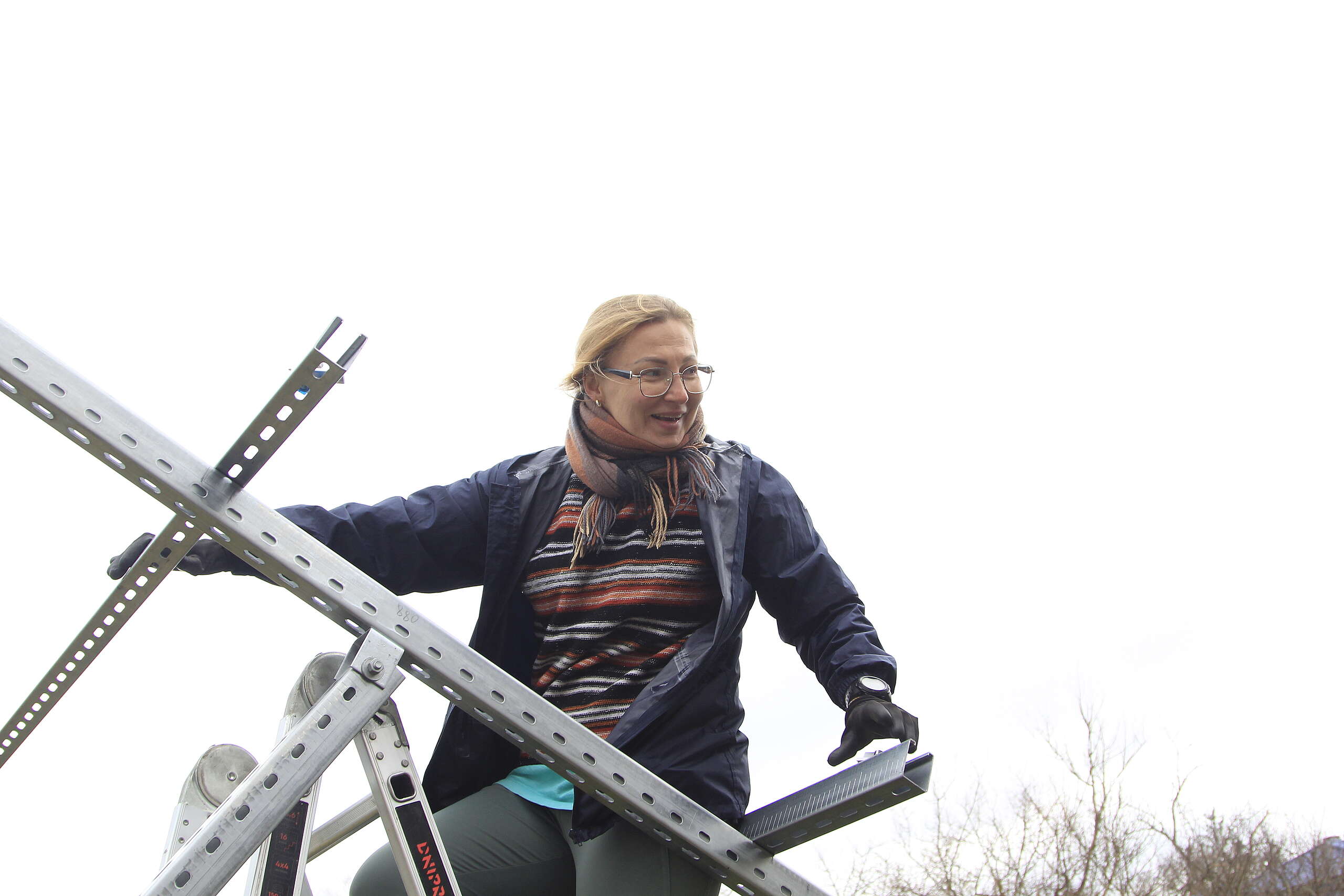
Greenpeace Ukraine supports hospital in Chortkiv: two solar power stations installed by women now operating in Ternopil region
A total of 150 solar panels, received by the community through the “Solar for Ukraine” competition, will power the maternity and infectious disease wards of the Chortkiv Central City Hospital.…
-
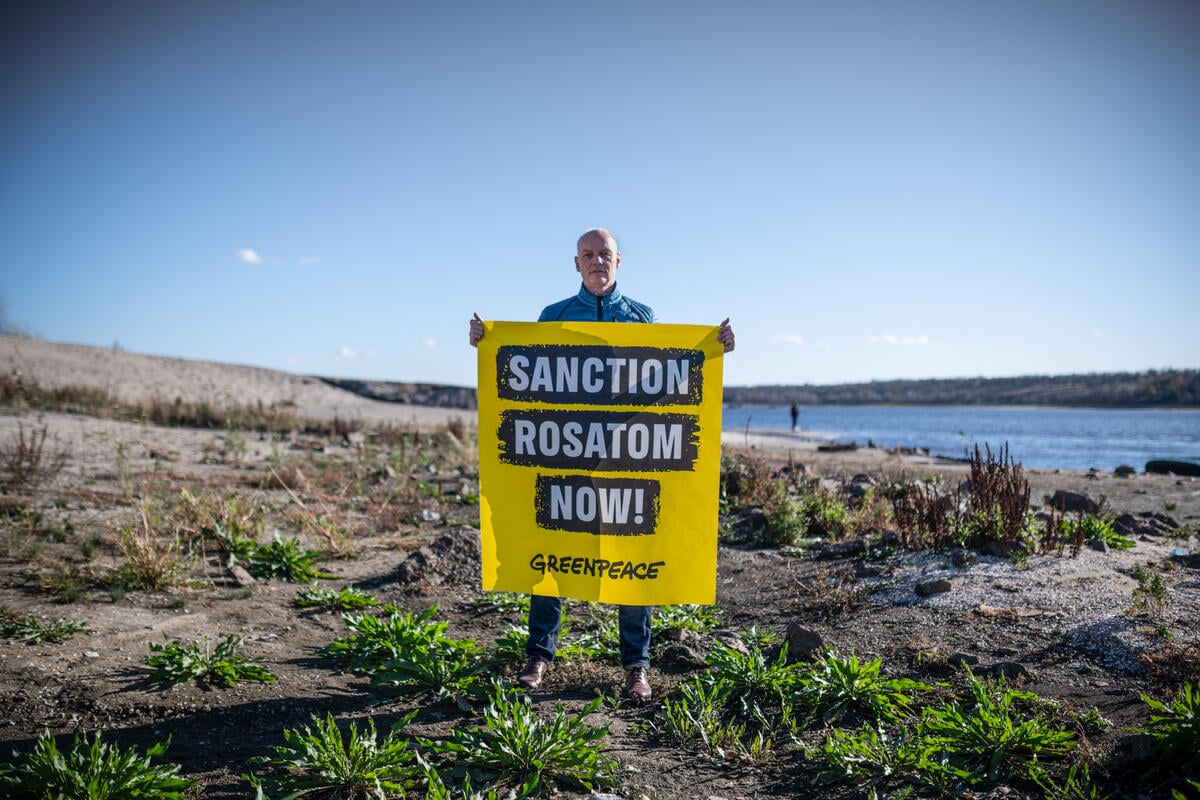
Rosatom’s Complicity in War Crimes and Nuclear Risks at Zaporizhzhia Nuclear Power Plant Revealed
Truth Hounds, with the expert support of Greenpeace Ukraine, has published a groundbreaking investigation into the role of Russia’s state nuclear corporation Rosatom in war crimes, civilian repression, and unprecedented…
Learn more about Greenpeace Ukraine’s research work
-
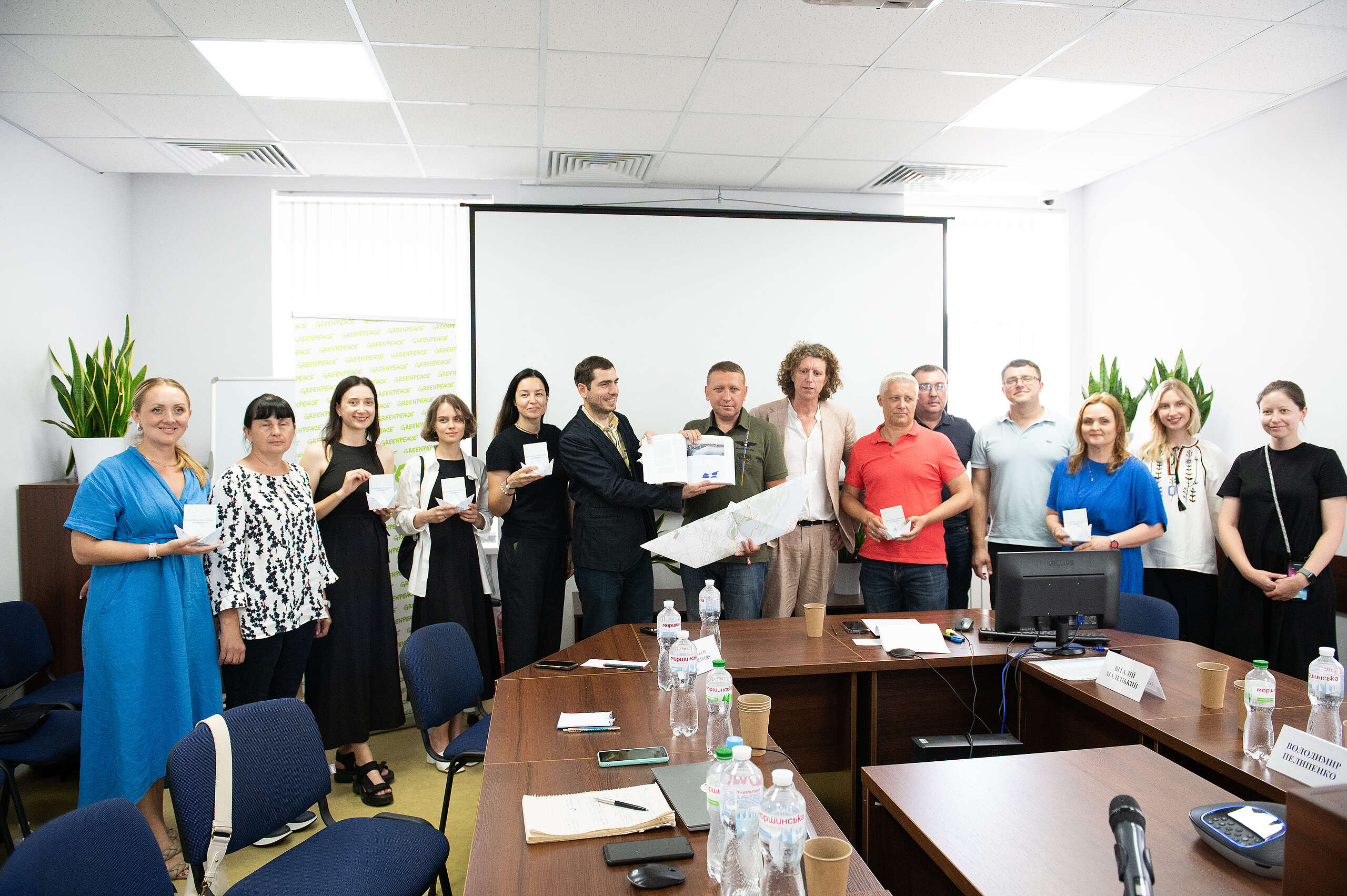
Unveiling the Potential of the Dnipro River on the Eve of International Dnipro River Day
On July 2, 2024, in Kremenchuk, Greenpeace Austria and Ro3kvit Urban Coalition for Ukraine presented the Dnipro River Integrated Vision — an extensive study highlighting the Dnipro…
-

Greenpeace Germany Study: Ukraine Needs a Solar Energy Marshall Plan
Berlin/Kyiv, June 8, 2024 – A new groundbreaking study reveals that it would be feasible and beneficial if Ukraine installs five times more solar energy capacity in the next three…
-

Truth Hounds: New report claims that the destruction of Kakhovka Dam is an environmental war crime
Kyiv, Ukraine – [6.06.2024] – On the first anniversary of the destruction of the Kakhovka Hydroelectric Power Plant (HPP), Truth Hounds (TH) and Project Expedite Justice (PEJ) are publishing a…
-
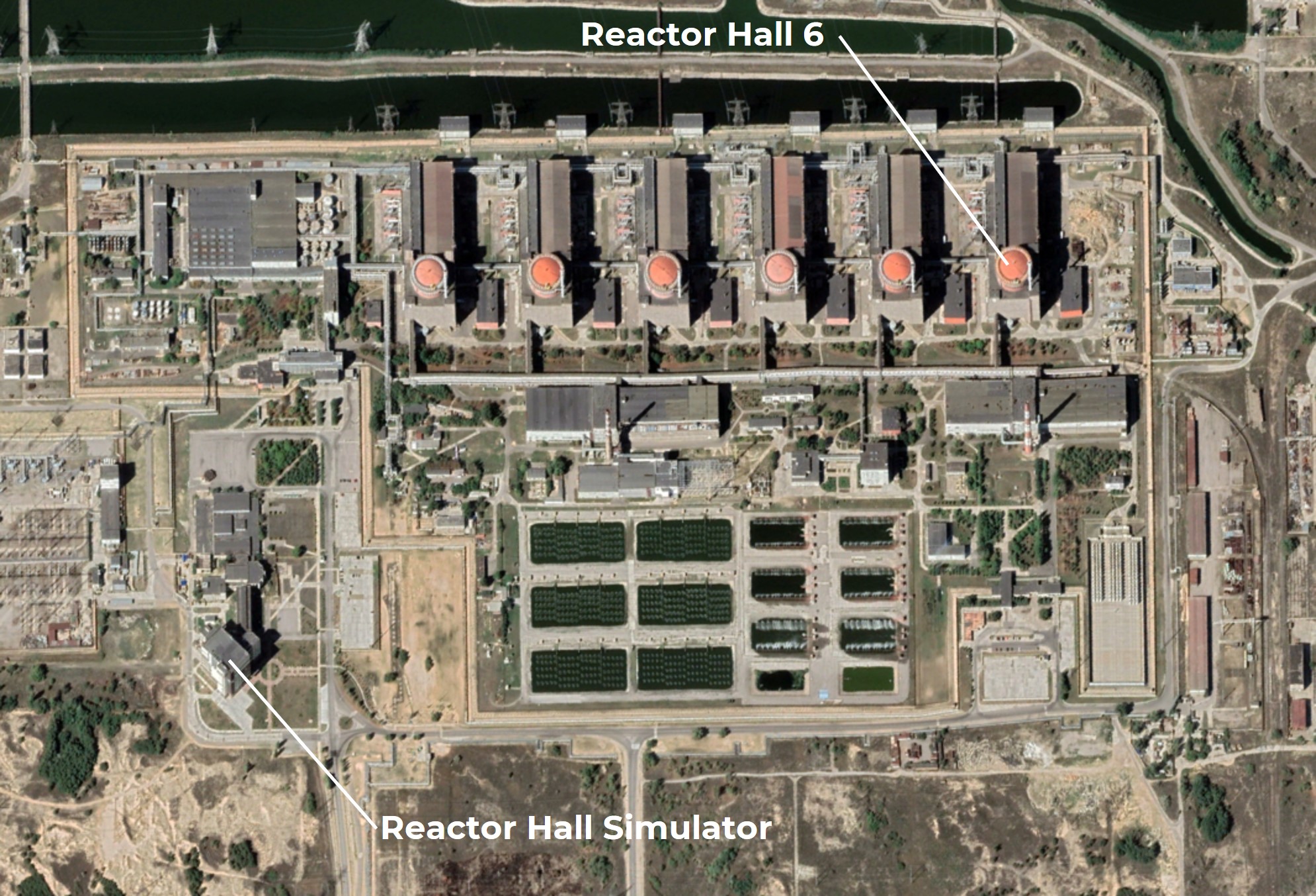
McKenzie Intelligence analysis published on Russian claims of drone attacks on ZNPP offers strong indications of staged false flag operation by Russia
Their preliminary assessment based on the limited publicly available imagery is that the drones are likely to have been launched close to the ZNPP and thus likely, but not conclusively, from within Russian occupied territory.

