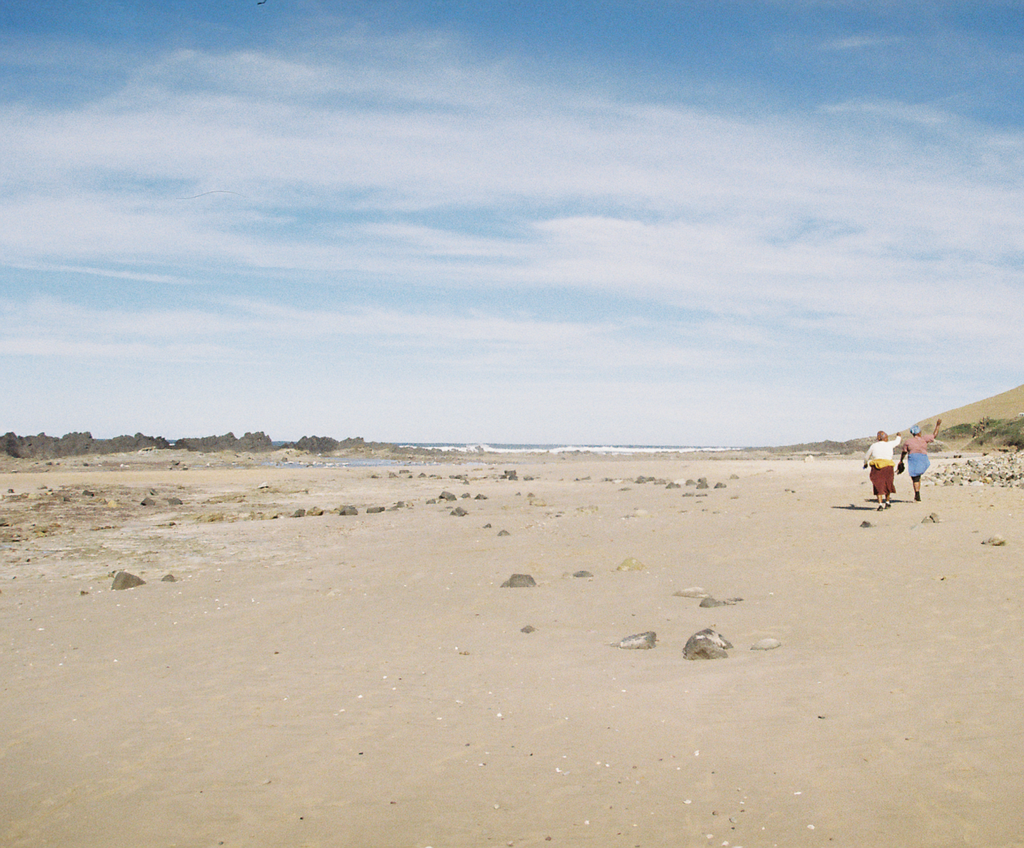
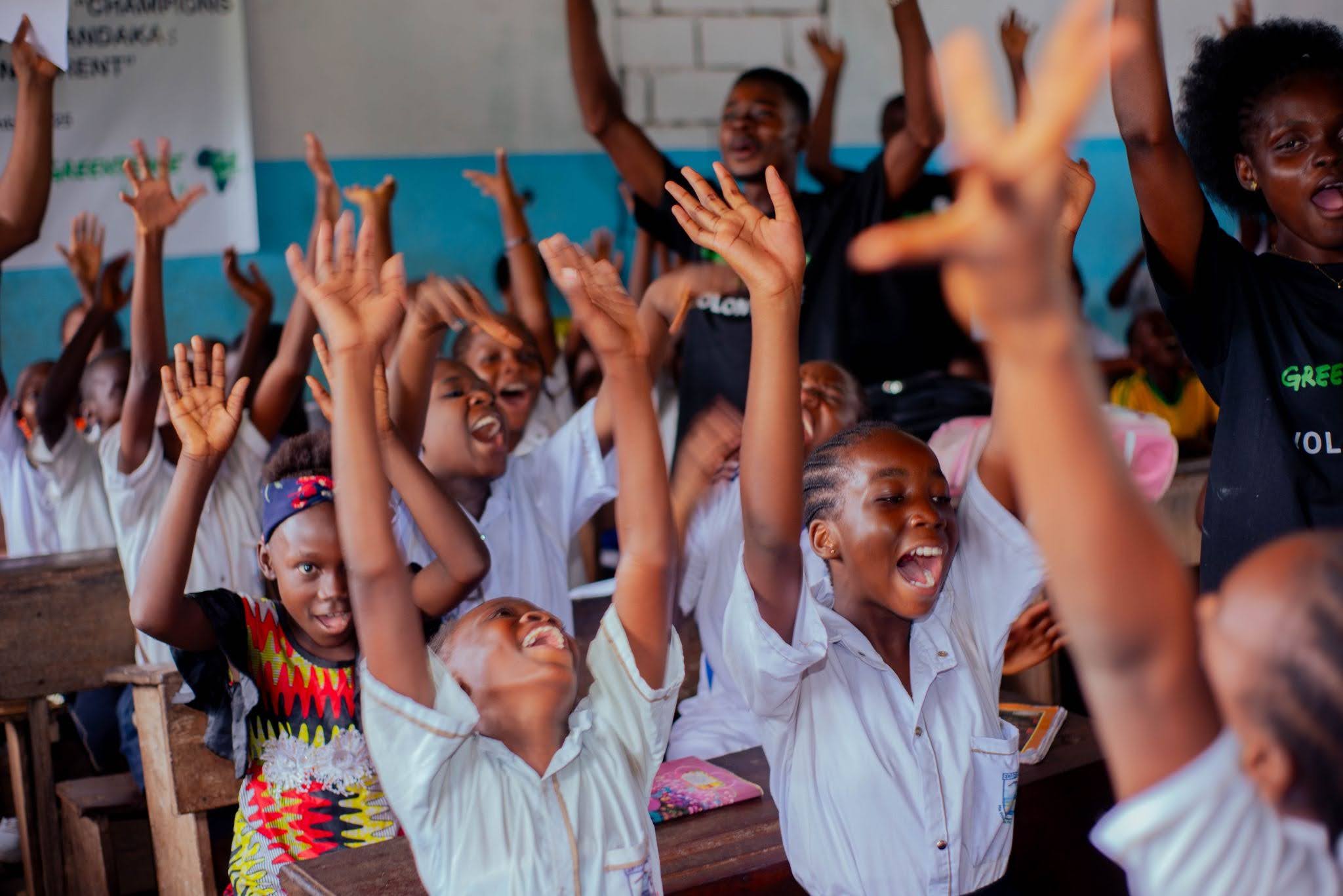
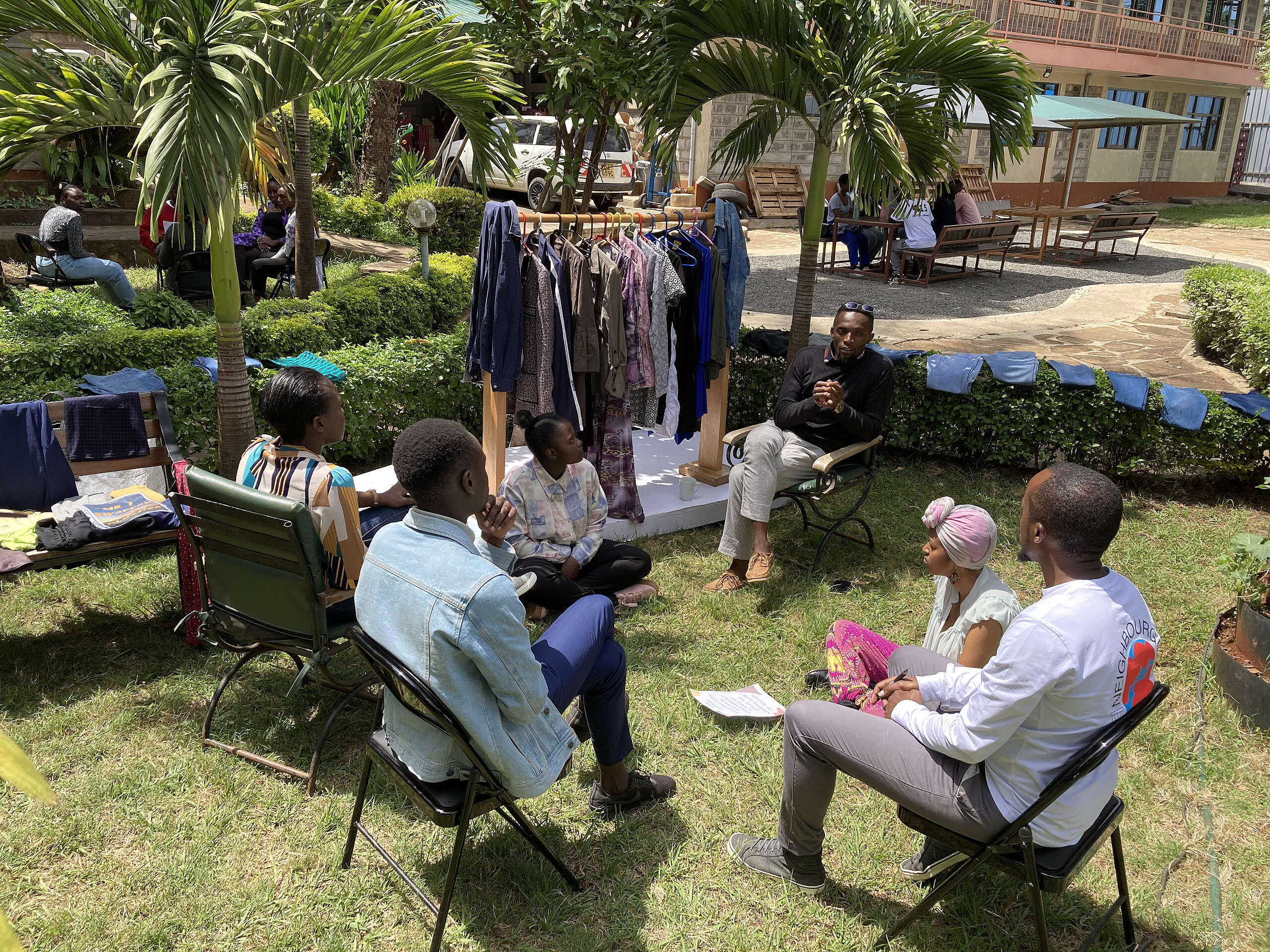
Political leaders and big business often push the narrative that oil and gas extraction is a development imperative. Travelling between Mthatha and Durban by bus, minibus taxi and foot, Greenpeace Africa volunteer Milan Burnett and photographer Tom van der Schijff spent 14 days in the Eastern Cape to gather perspectives from coastal residents on this narrative. Special thanks to our media editing and translation team: Lex Owen, Gulshan Stodel, Zimbini Quza and Caelin Nell. Thanks to Buhle Francis from Coastal Justice Network and Boyisile Mafilika from Masifundise Development Trust for advice. Find video coverage of this journey on Greenpeace Africa’s social media pages.
“We are not saying we will never see change. What I’m saying is that we will die trying. As long as we are still alive, we will never stop fighting,” said Bhekeni Danca, resident of Mpenweni village, Xolobeni. Danca is a member of the Amadiba Crisis Committee, which, over the last 20 years, has been fighting mining and, more recently, oil and gas developments in the Eastern Cape. Assassinations and attempted assassinations have marked those years with violence. But the struggle for land is not new, said Danca; the struggle of the Amadiba Crisis Committee runs in her blood.
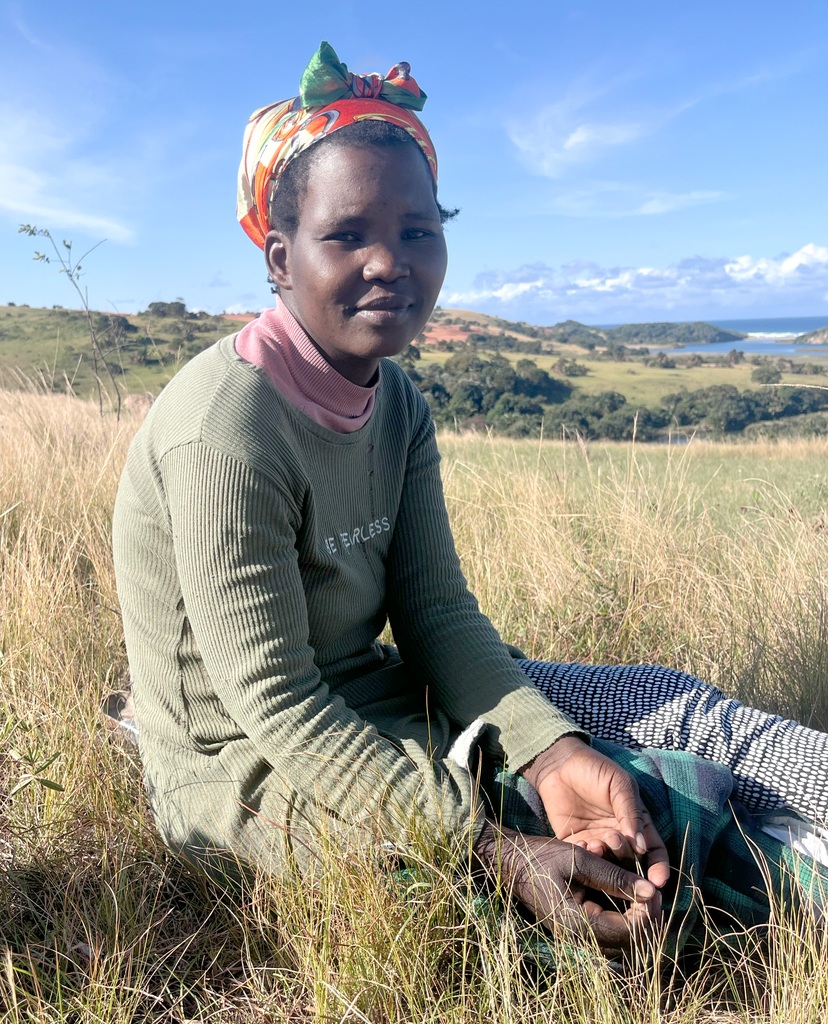
Her activism is honouring a request made of her by her grandparents, who were involved in the Pondo Revolts of the 1950s and 1960s:
“Let me make an example of my grandfather. He fought in wars. White settlers came and forcibly took the land. But they fought hard and refused to surrender. My grandfather used to always tell us stories of how they fought hard for this land. As I have said before, this war that we are facing is nothing new. Our forefathers have fought this battle before. My grandfather was also present during the war. He told me that white people arrived – some on horseback and others in vehicles. They wanted to take the land of the Pondo people by force. They killed the men because it was they who refused to let go of the land. When the white settlers attacked and there weren’t enough men to resist, they would retreat into the bushes to hide. When they stayed in the bushes for days, the women back at home would boil whole maize kernels for them to survive because they had no other food. The war was extremely bad during that time. If they hadn’t fought then, we would not have this land today. They worked really hard. That is why we cannot give up the fight. We need to pass on the knowledge we have acquired so that future generations can learn from it. We cannot give up. We don’t want to relive the conflicts of the past. We are trying to prevent them from happening again. My grandfather would tell us how important it was not to give up our land, because otherwise we would have nowhere to live.”

On the 6th of June 1960, thousands of Pondo people met at Ngquza Hill to discuss their demands for change: the withdrawal of the Bantu Authorities Act, political equality, abolition of the pass system, and relief from increased taxes on black people. Even though those at the meeting held white flags to symbolise their peaceful intentions, the police dropped teargas from helicopters and opened fire on the meeting, killing 11 people and injuring at least 48. 23 resistance leaders were later executed for their role in the revolts, and thousands more were arrested and detained without trial.
The Pondo revolts added to a long history of resistance to the colonial dispossession of land. In 1913, the Natives Land Act codified the dispossession that had started much earlier, while the taxes black South Africans were forced to pay pushed men to find work in the mines. Between 1960 and 1985, more than 3.5 million black South Africans were forcibly removed from around the country and placed in ‘Bantustans’. About 15 kilometers away from Mpenweni, in Sigidi village, Linda Dlamini explained these struggles through a fable his grandmother told him:
“The Hyena would want to take the Dove’s babies. The Dove had a nest in the tree, so the Hyena would come next to the tree and ask if that dove had any children. The Dove replied: ‘Yes, I do.’ ‘Can you just throw one here so I can have a look at them?’ Asked the Hyena. Then the Dove would be suspicious: ‘Hey, but you are going to eat my babies!’ The Hyena would say: ‘If you don’t give them to me, I will just climb the tree and take you as well.’ The Dove threw the babies, and the Hyena ate them. Later, the other animals told the Dove that: ‘Dove, do you know that the Hyena can never climb the tree? He’s just fooling you.’ The next season, the Hyena came again. But the Dove, grown wise to his tricks, resisted the Hyena and said: ‘You said you would climb the tree and eat me as well; just climb the tree and we’ll see.’ But the hyena couldn’t climb the tree.”
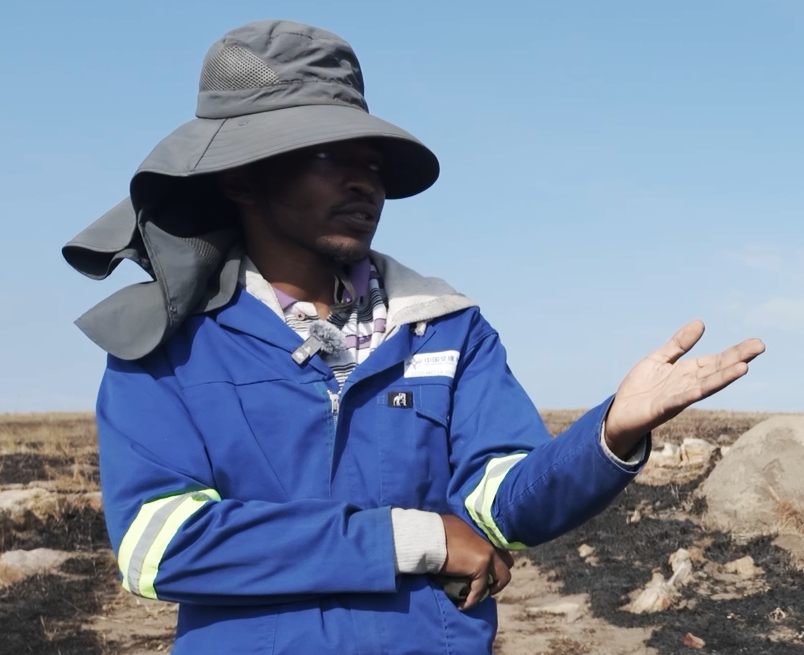
Dlamini said that the Hyena disrupting homes of years past was the Apartheid government, whom Danca’s family fought before, after, and during the Pondo Revolts. But Dlamini agrees with Danca, saying that while Apartheid ended: “The war is not over,” and the Hyenas still lurk, coming to disrupt the homes:
Today, “the hyenas [are] the politicians, all that they do with our tax money, but still they cannot uplift us on the conditions that were so bad.” But the politicians, said Dlamini, do not act alone; they are part of a larger system: “there are still some puppet masters behind [the politicians] that are controlling the system…You never really get to point them out, but you can see people intervene in society; they are being sponsored by someone that you wouldn’t know. That is what I would say is the hyena of these times; they are just not interested in seeing us [change] in the situation that we are in. So now what is the cause of that? It’s money. Being selfish and then you just enrich yourself, so why should you worry about the rest of the population?” he said.

This belief that the war against extraction and exploitation is not over is why the Amadiba Crisis Committee has been part of a nationwide effort to oppose Shell and Impact Africa’s oil exploration application off the East Coast. The Makhanda High Court ruled against the companies in 2022, finding that the companies had failed to conduct sufficient public participation. Shell appealed and lost again in 2024 when the Supreme Court of Appeals (SCA) upheld the Makhanda High Court ruling, although the SCA gave the company a chance to renew its permit. On the 14th of August 2026, the Constitutional Court ruled that Shell and Impact Africa had not conducted public participation or considered the climate and environmental impacts, therefore ordering the exploration right to be cast aside. For Danca, the stakes of this case were high:
“I was born and raised here. Our land here at Xolobeni is beautiful, and I love it very much. I love it because we have forests, rivers and the sea. Firstly, I can communicate with the sea. Whenever I am struggling, I can go to the sea and pray. Secondly, I can collect food from the sea to cook at home. My brothers also bring us fish, and we survive on that. The issue with the mining of oil and gas at sea really disturbs me. It’s one thing I don’t agree with at all. Because if it happens, we would lose a lot. If the mining happens and these substances get released into the water, the resources we use to survive will be destroyed. We believe that the sea is our source of life. If it is destroyed, we would lose everything.”
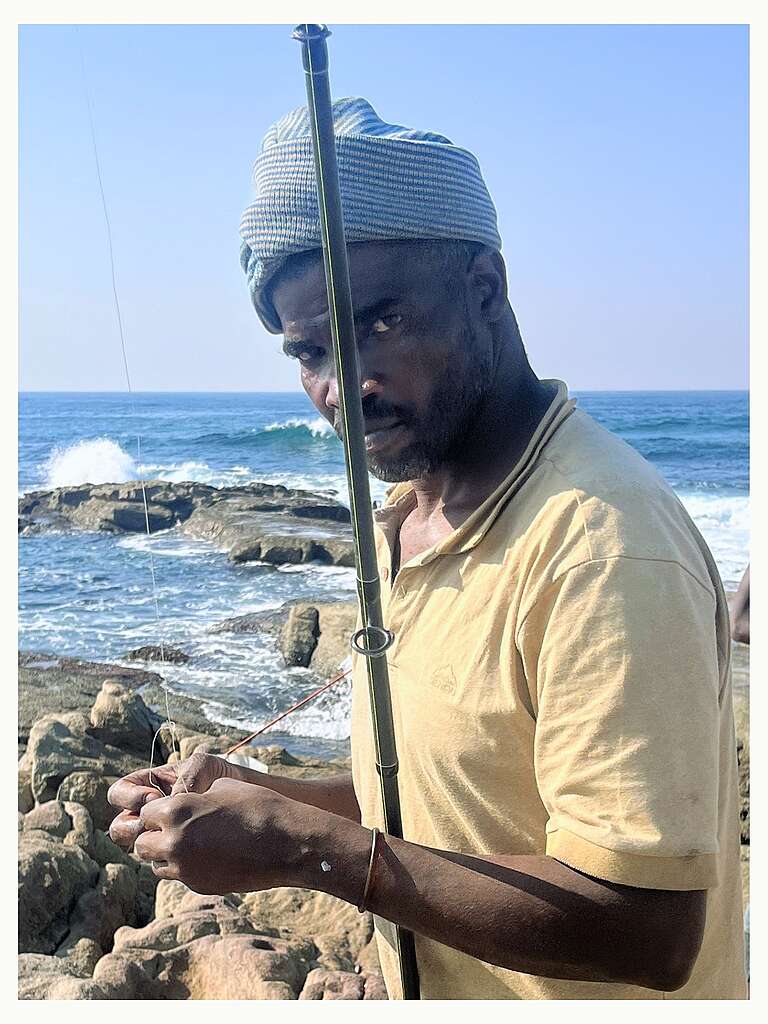
Oil and gas drilling is safe and good for the economy, say multinational oil companies, many of whom, like Shell, were targets of Apartheid era boycotts. The South African government, through the oil and gas policy driver Operation Phakisa, says that these developments are needed to reduce poverty and inequality, and raise much-needed funds for the Government to spend on social programs and job creation. With so many people suffering, we cannot afford to have these debates now, goes the argument; we must use whatever revenue generator is available to lift people out of poverty and reduce the 32.7% unemployment rate reported in the first quarter of 2026.
But not everyone is buying what the government and the oil companies are selling, and protest movements have opposed oil and gas drilling across South Africa’s 2798 kilometre coastline. Funeka Nkosana, a fisher from Mnganzana village said: “The people who benefit are those from Shell. We do not benefit in any way. All that is going to happen is that we are going to lose job opportunities because we sustain ourselves [here]. They are going to come at a given time and then leave again, leaving our environment completely degraded. We don’t need them coming here to run their operations because it will kill us and also destroy our children’s future.”
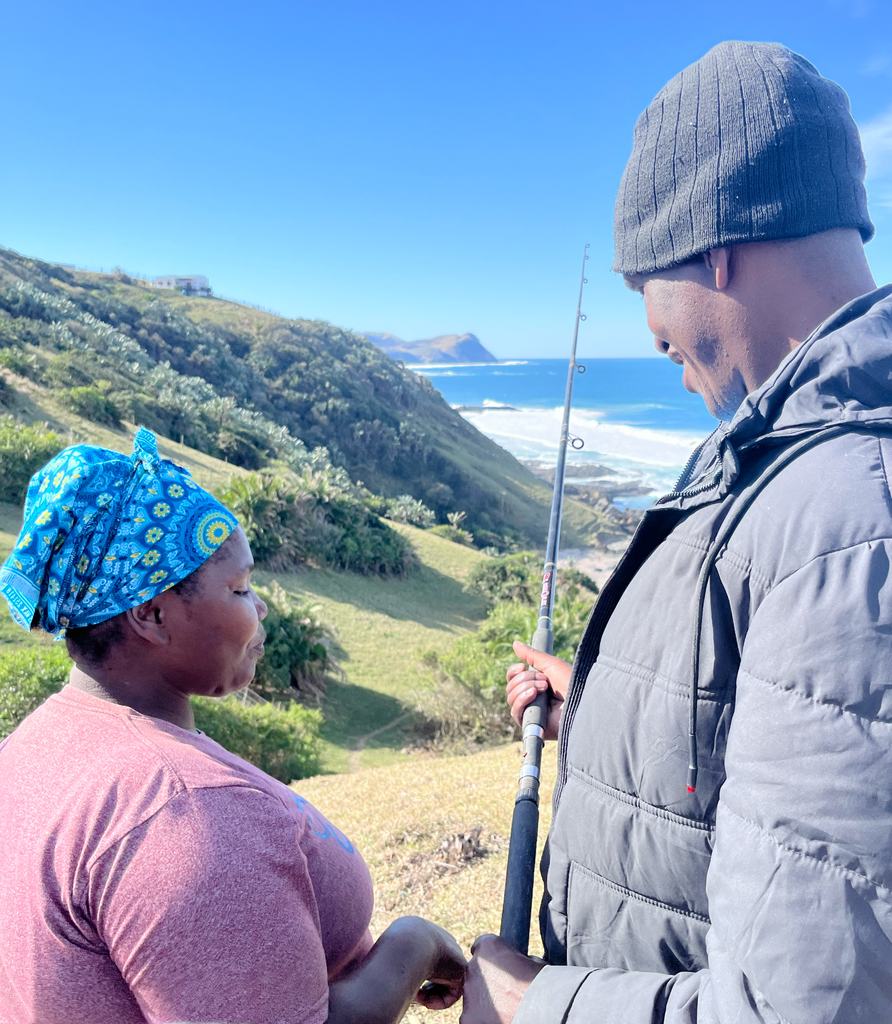
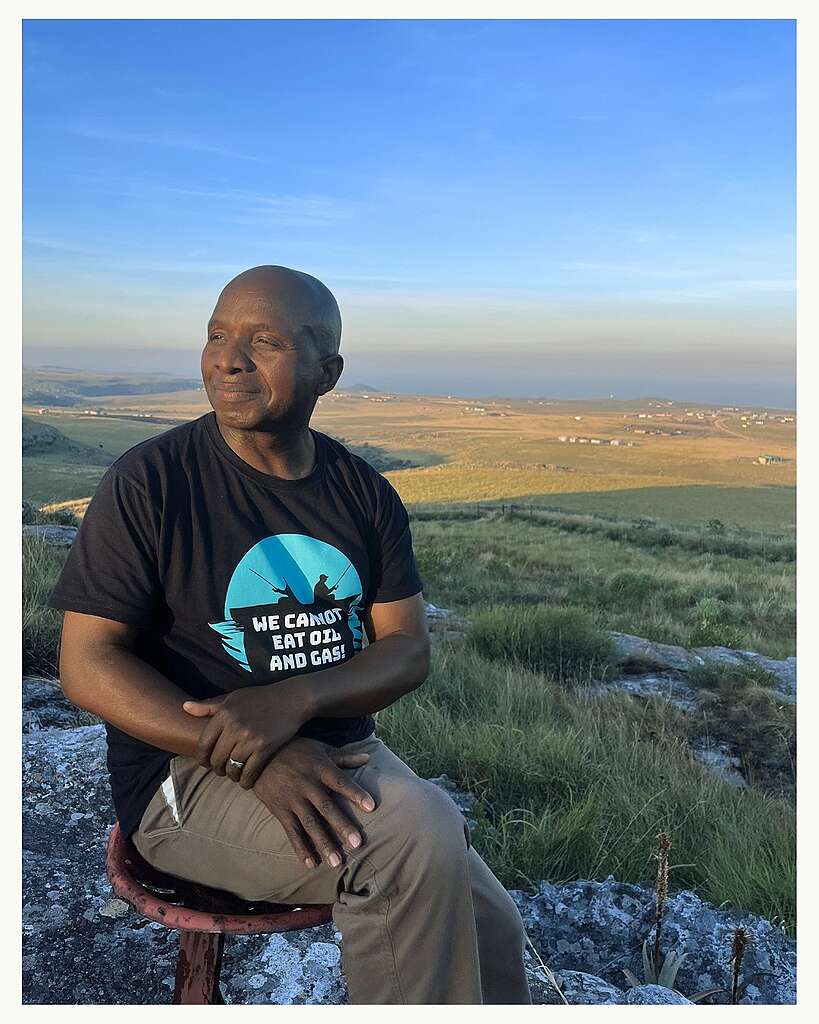
Another Amadiba Crisis Committee leader, Sinegugu Zukulu, said “We know, extractive industries, even now, even yesterday, even tomorrow they are lying to people all over the world and they never internalise the costs of doing that business.”
Internalising the cost of doing business is what economist Patrick Bond has been studying for more than 40 years. He writes that based on “the record of underdevelopment and pollution caused by gas and oil extraction across Africa, including South Africa, it is fanciful to assume that “massive social upliftment” would result.”
In Sicambeni, Ntsindiso Nongcavu, Chair of Coastal Links for the Eastern Cape, said that what Bond writes of is clear from the historical record: “In February I was in the Niger Delta in Ogoni. The situation there is worse [than before oil] because [there are] no clinics, no schools, no proper roads, no electricity, no clean water. Now they come to South Africa [and] promise all [those] things they promised in Nigeria from 1956, because they started in Nigeria from 1956 to drill oil there. But the situation is worse. Now the advice that we came back [with from] Nigeria; they said we [must not] allow Shell” to drill oil. Nongcavu, a father of four, said that he is opposing Shell to protect his children’s future, and their right to access the ocean. Read more about Shell’s history in the Niger Delta here.
The social and environmental impacts Nongcavu and others warn of have been quantified by economists. The most recent estimate for the social cost of carbon emissions places the estimated economic welfare damage in excess of $1200 per additional tonne of CO₂ emitted. Based on this, Bond concludes that “if a genuine social cost of carbon analysis were done in any African fossil fuel project there would be few, if any, able to justify the projects economically.” Instead, the result of these oil and gas developments is increased global economic inequality and climate breakdown, among other impacts which are not paid for by the fossil fuel industry, he said.
To Pedro Engelbrecht, Chair of the Doringbaai Fishing Cooperative, the conclusions Bond has drawn from data are obvious: “The Minister says that oil and gas is important for development. But that development is not for us, it’s for them to get rich,” he told Greenpeace Africa earlier this year. Doringbaai is almost surrounded by planned or ongoing resource extraction, including by Shell and TotalEnergies. Read more about this extraction and those fighting it in this series.
So who is this development for, if not for the people of the country?
Zukulu said the answer to this question is common knowledge:
“If you look at the wealth in Europe, how those colonial superpowers, those imperialist countries, how much wealth they accumulated, and you know that wealth was extracted from the global south. So the rich countries in the global north are not rich because it’s natural. They are not rich because they are very clever. They are rich because they were cruel… they owe the people of Africa everything…they owe the global south everything, because the wealth of the global north was built through monopolising and extracting the natural resources of the global south.”
The global nature of the extractive system, which Zukulu said continues today, is why Bond writes that: “the need to fuse local resistances and global solidarity has never been more important.”
Zukulu believes another future is possible, one free from the history of violence and dispossession this system has long supported:
“Development has got to be about the people. Development should be speaking to that, to the needs of the people on their lands, instead of calling development the needs of those who want to make profit out of the people’s land, and out of the people’s ocean. Development should be about those who own that land, that ocean, that area. As long as the agenda is about shareholders somewhere in the global north, we have a serious problem. You cannot call that which is destroying your land development.”
Find out more on how Zukulu, Danca, Nongcavu and others envision a more inclusive economy by watching their video testimony on Greenpeace Africa’s social media.