
All articles
-
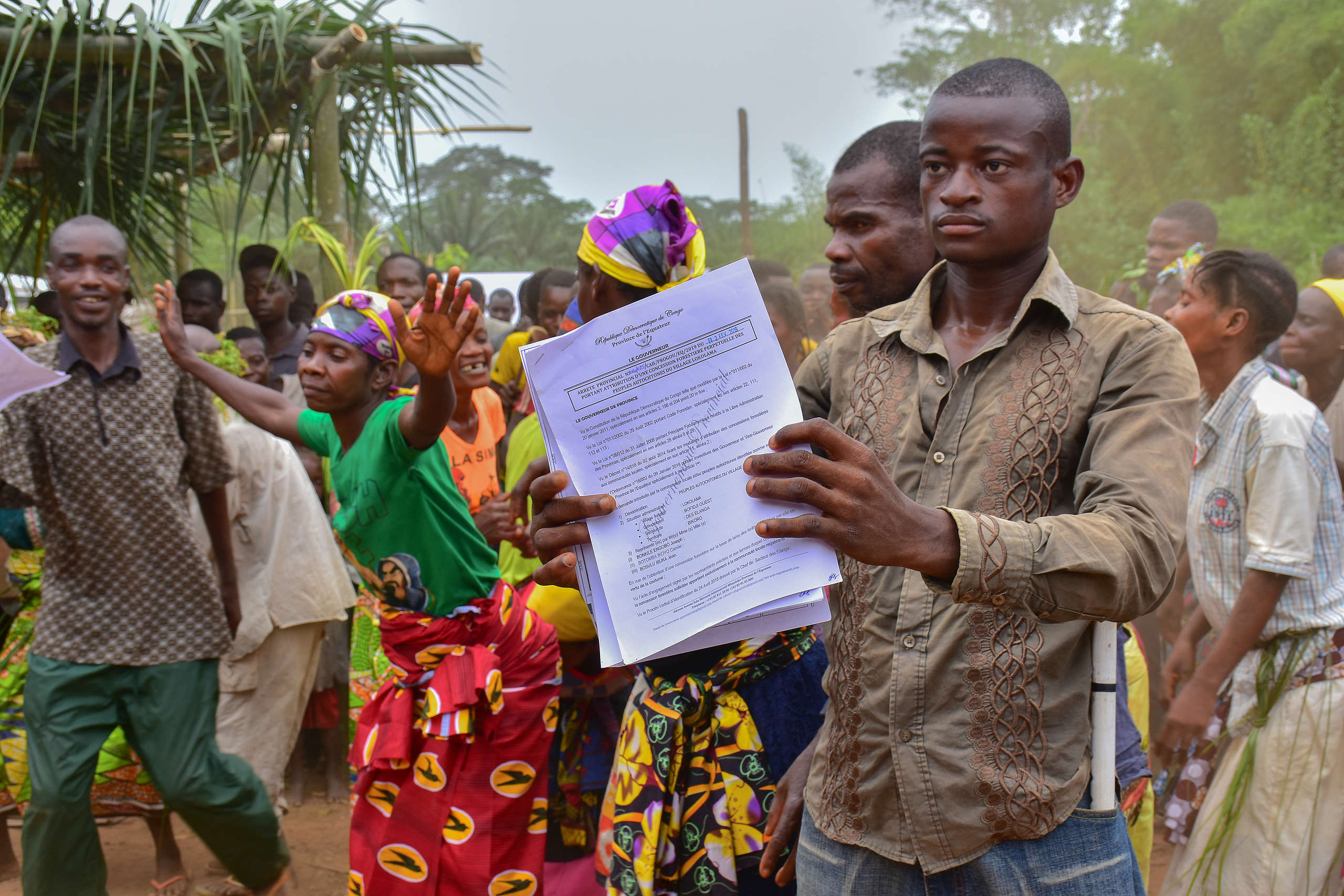
Greenpeace Africa welcomes new law on the rights of Congolese indigenous peoples
April 08, Kinshasa – Greenpeace Africa welcomes the decision by the DRC’s National Assembly to adopt a law that recognizes and protects the specific rights of Indigenous People.
-
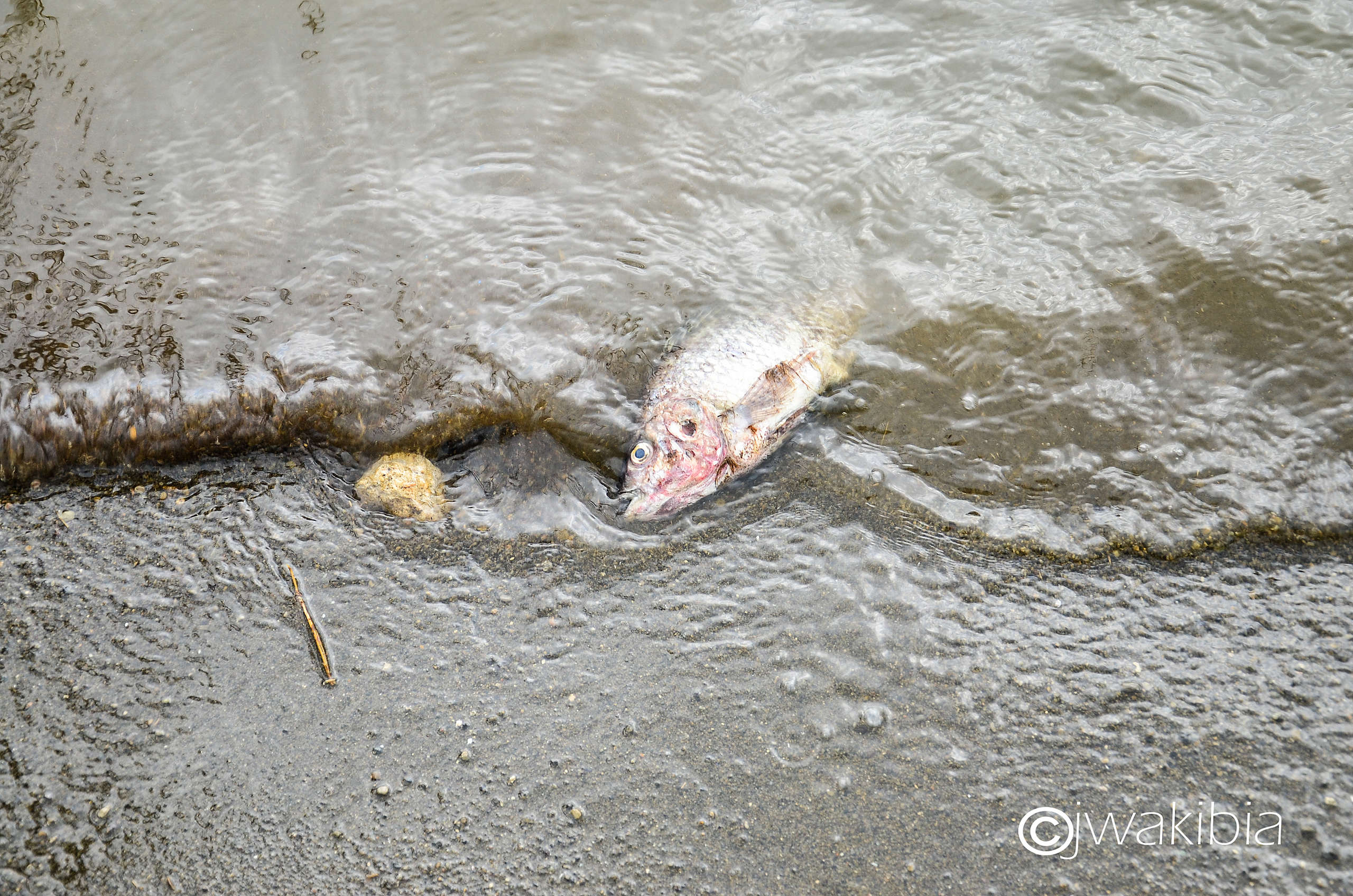
The polluted lakes of Kenya
Water, a source of life, is slowly becoming the source of multiple illnesses and death in Kenya. This has been attributed to the excessive pollution of natural water resources such…
-

An Economy in Decline: Exploring the role of Renewable Energy to reverse youth unemployment
To effectively achieve equitable turn-around of the economy, the government needs to prioritise absorption of the youth in the workforce by scaling up infrastructure projects that create employment in urban areas. The renewable energy sector is the clear no-brainer solution.
-
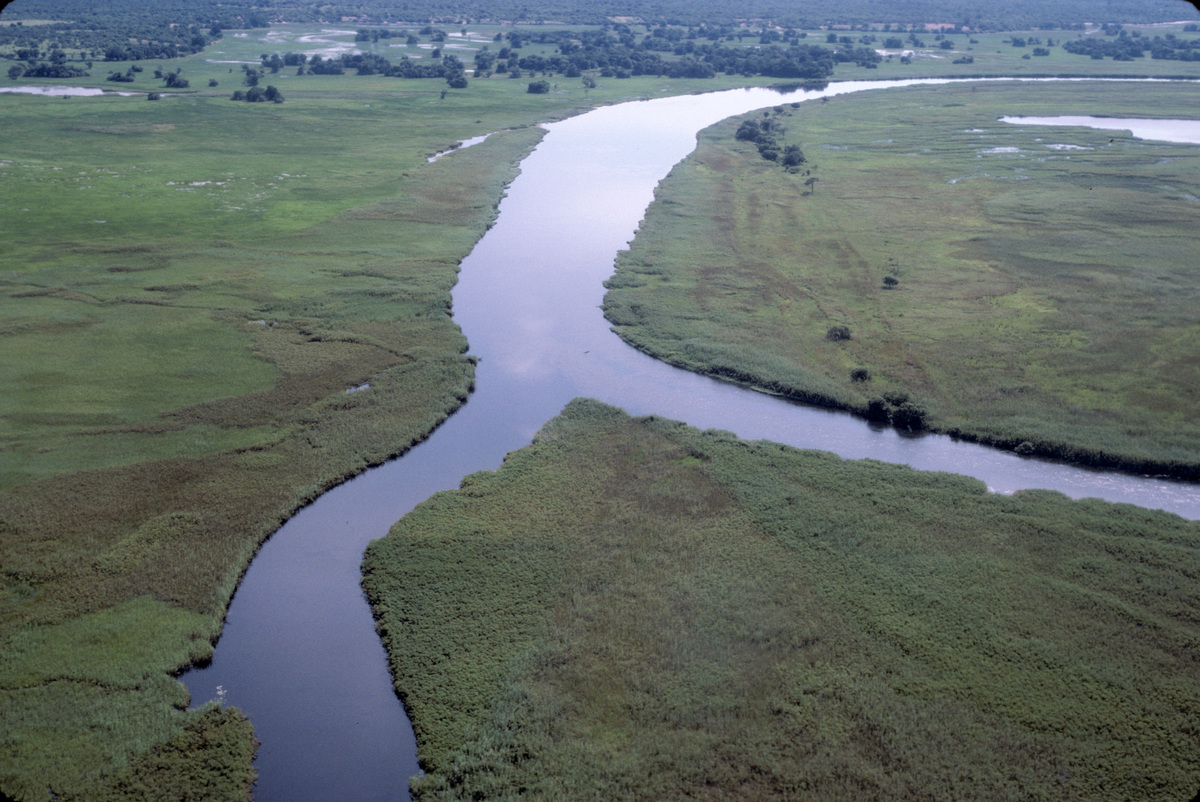
5 Reasons to Save the Okavango Delta
Youth climate activists in the Namibian capital, along with several other environmental and human rights groups, reacted with international calls from all fronts to prevent the impending environmental catastrophe in the Okavango Delta
-
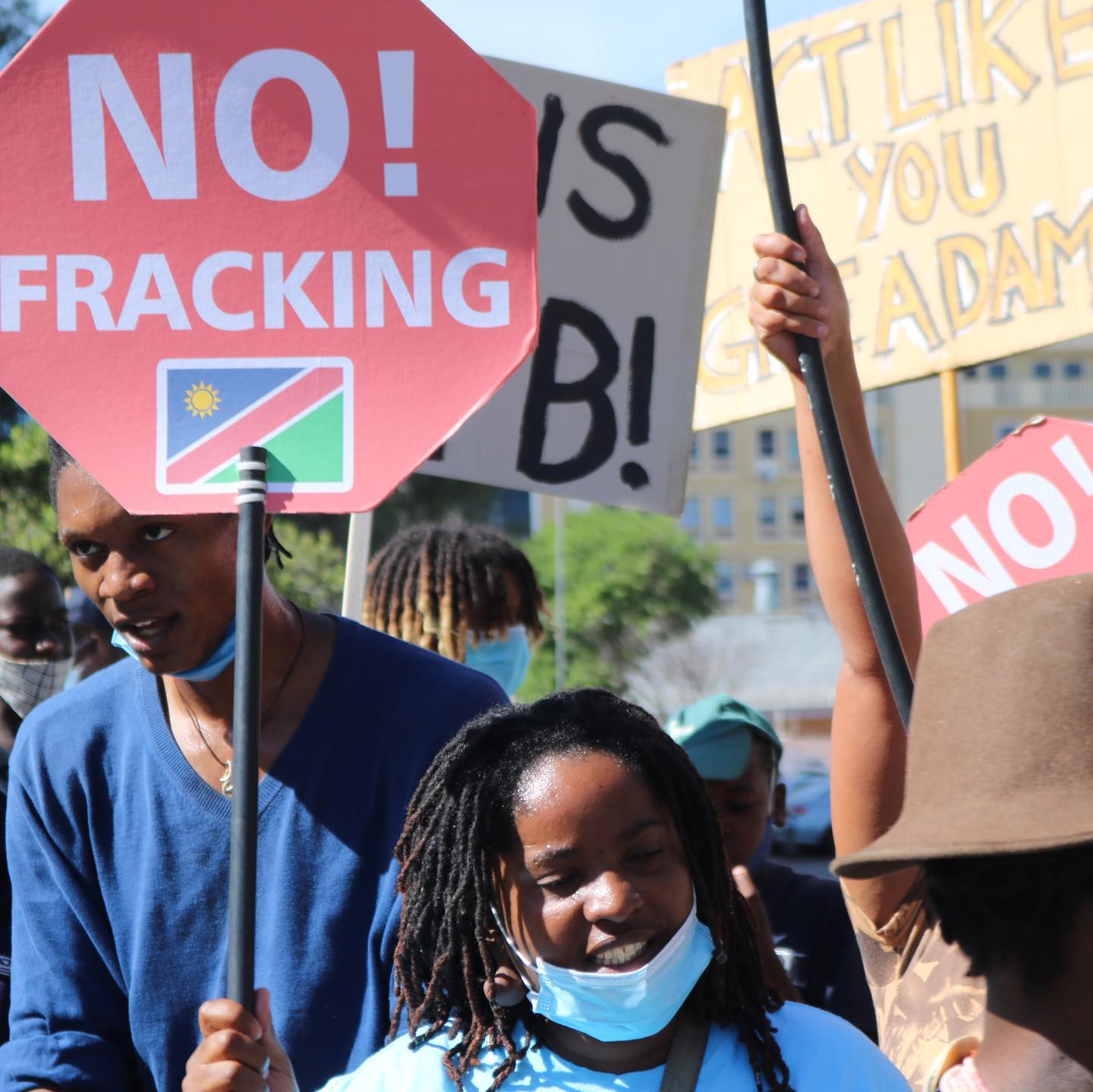
Fridays for Future: ReconAfrica’s Kavango oil and gas play is ‘carbon bomb’ with projected 1/6 of world’s remaining CO2 budget
Fridays For Future Windhoek revealed that the oil and gas ‘play’ of Canadian ReconAfrica in the Kavango region of Namibia and Botswana risks destroying global attempts
-
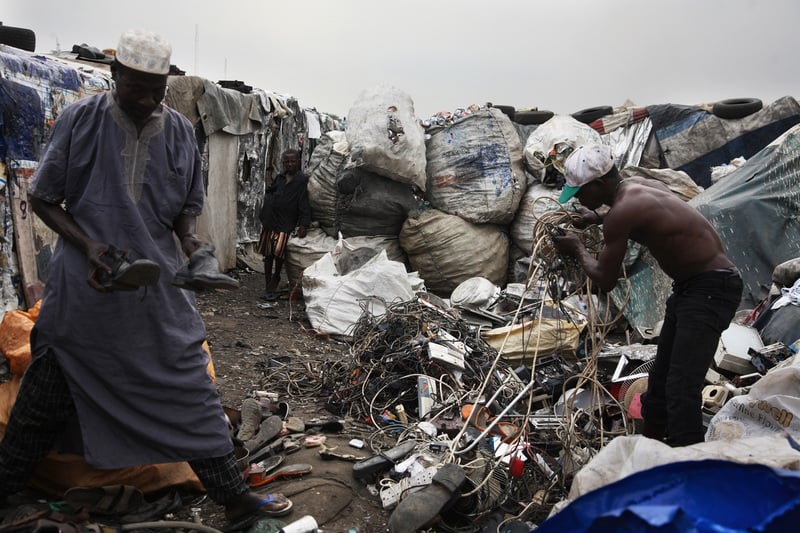
Greenpeace Africa Reacts to Alarming UN Plastic Report Findings
The United Nations Environment Programme (UNEP) launched a scaithing report about plastic and environmental inequality, which shows how countries within the Global South are being force-fed plastic pollution by wealthy countries.
-
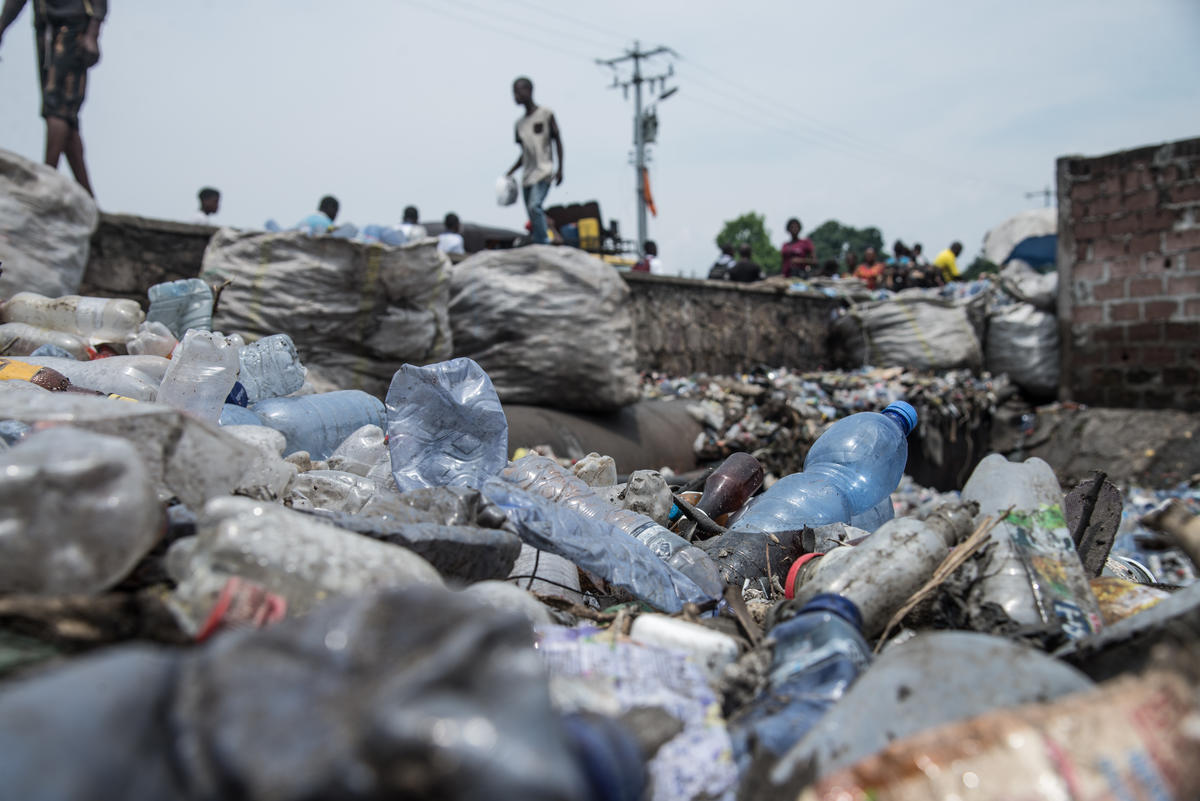
Greenpeace Africa reacts to strict measures against water sachets announced in Kinshasa
PRESS RELEASEKinshasa’s governor, Mr. Gentiny Ngobila, announced new measures last Friday to prosecute all sale or production of single-use plastic water sachets in the capital city
-
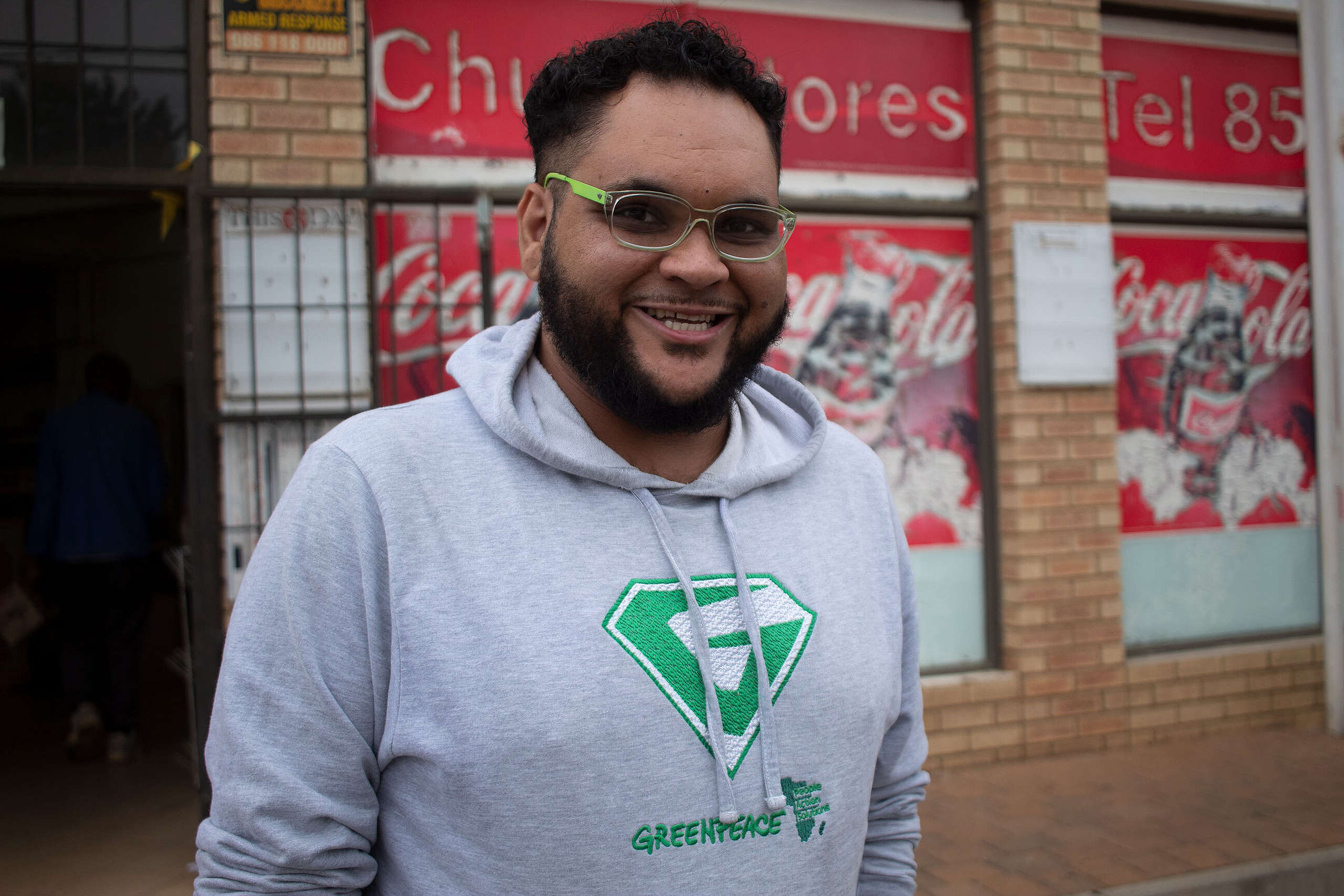
Video: Greenpeace Plastic Lead exposes plastic plight of his community
Award-winning activist and documentarian Angelo Louw welcomed the world to his childhood neighbourhood in an online video, where he spoke about the impact of plastic pollution and the critical role that people of colour play in the climate justice movement.
-
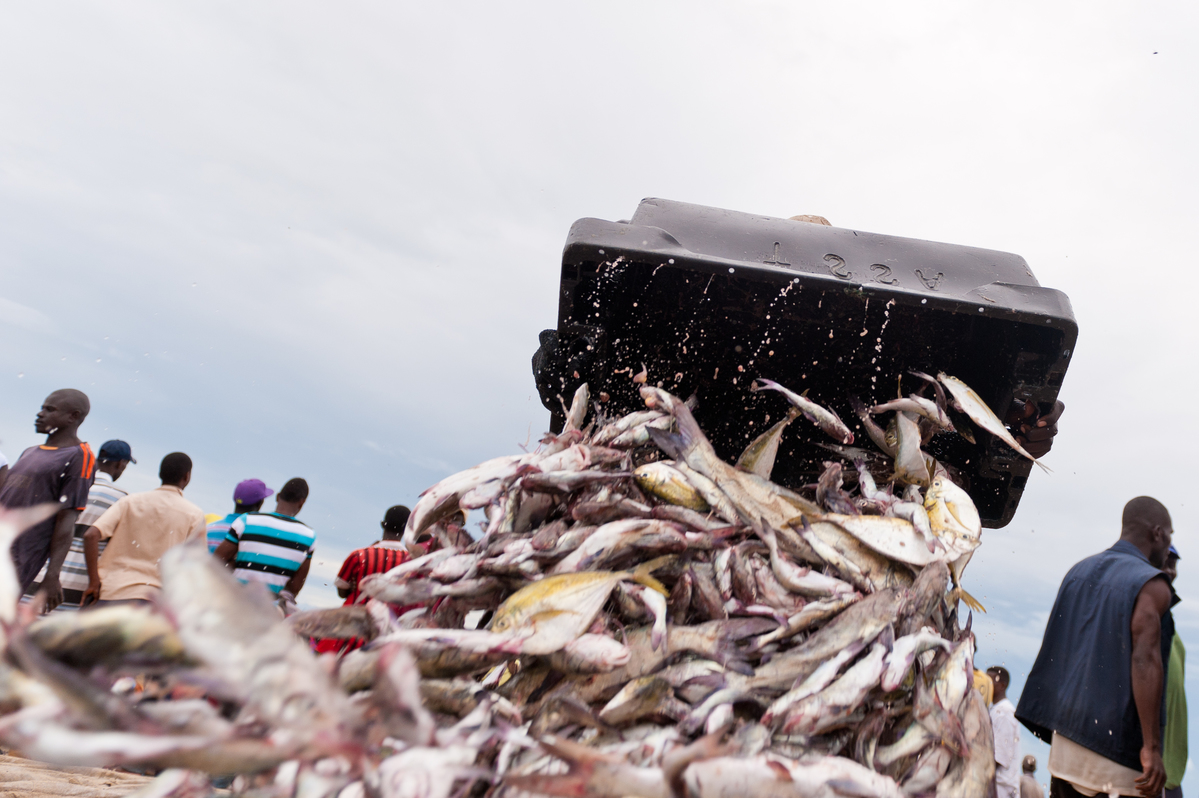
Greenpeace condemns massive plundering of Mauritanian fish stocks vital to food security
The second largest fishing vessel in the world with a bad track record for chronic overfishing has been spotted fishing in Mauritanian waters
-
HANDS OFF WOMEN AT THE FRONTLINE OF ENVIRONMENTAL ACTIVISM
Extractive industries, which favour men in employment, have long been linked to the systemic economic disenfranchisement of women - and an increased reliance on men. The exacerbating power dynamic is responsible for increased incidents of domestic violence, transactional sex, forced prostitution, HIV/AIDS transmission and acts of violence against women.