Greenpeace and a global coalition of more than 80 environmental and health NGOs are calling on the World Health Organization (WHO) to review the international drinking water standards for nitrate, to protect public health from the growing threat of agricultural pollution.
Organisations including Greenpeace International, the International Panel of Experts on Sustainable Food Systems, and the World Organization of Family Doctors have signed on to an open letter to the WHO, which can be read here.
Amanda Larsson, Greenpeace’s Global Project Lead for agriculture (based in New Zealand) says, “Water should be life-giving, not life-threatening. We cannot protect human health without protecting the groundwater and rivers that sustain us. Governments must take decisive action to curb the growth of intensive livestock farming and actively support producers in transitioning to ecological farming practices – ensuring that clean, safe drinking water isn’t a luxury but a guarantee.”
Dr Pratyush Kumar, Chair of the World Organization of Family Doctors (WONCA) Working Party on Rural Practice, says, “Studies now link nitrate in drinking water, at levels well below the current WHO limit, to bowel cancer and premature birth. As a rural family doctor, I support the call to update these limits so that farming families can trust the water they drink. In low-resource areas, that must come with international support, helping communities achieve both chemical and essential microbial safety.”
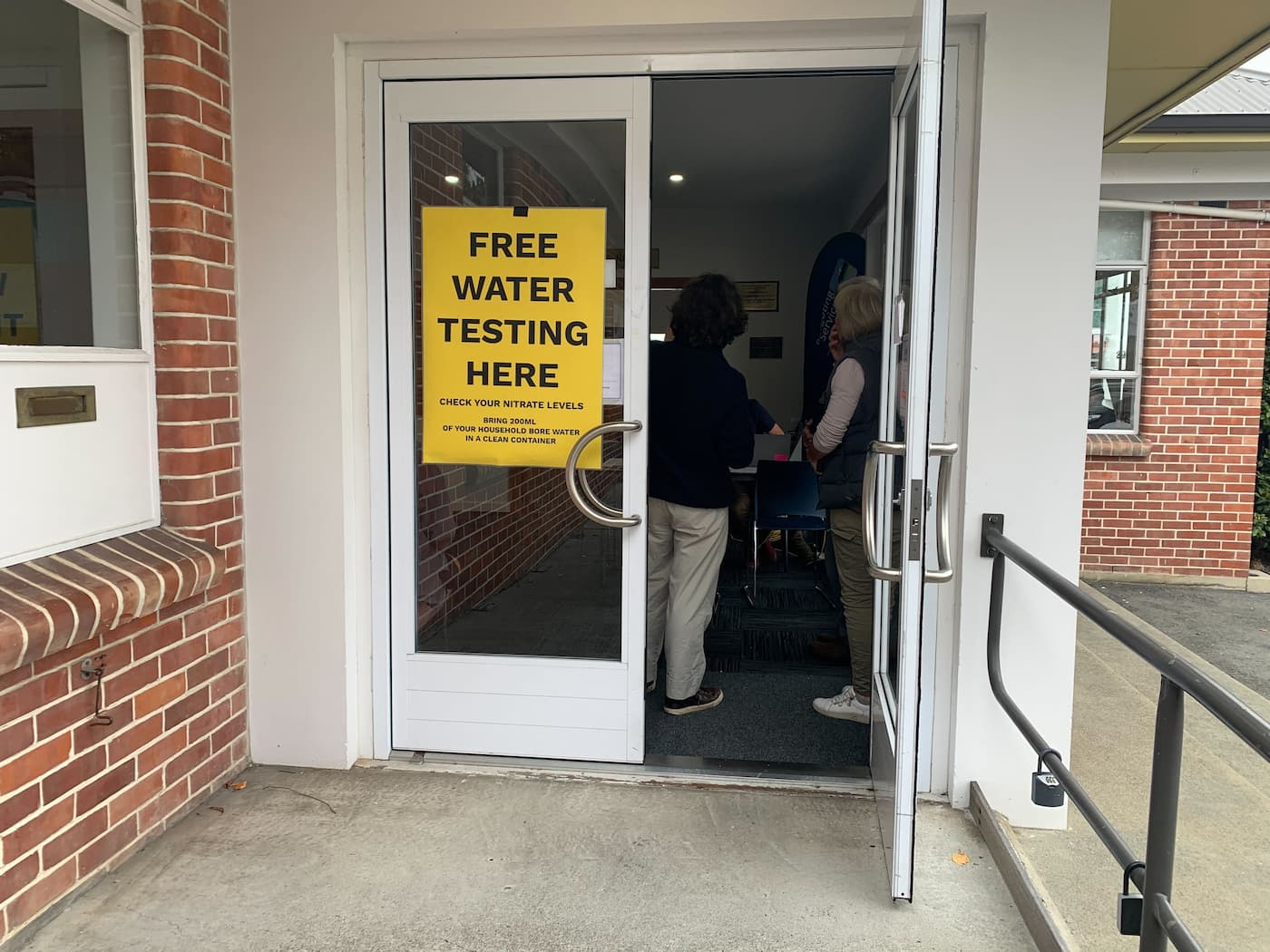
In Aotearoa, drinking water nitrate is a growing threat to rural communities’ health, with a recent Environment Canterbury groundwater survey revealing that nitrate contamination is continuing to rise in the region’s drinking water.
Larsson says that the nitrate emergency will continue to worsen without rapid action.
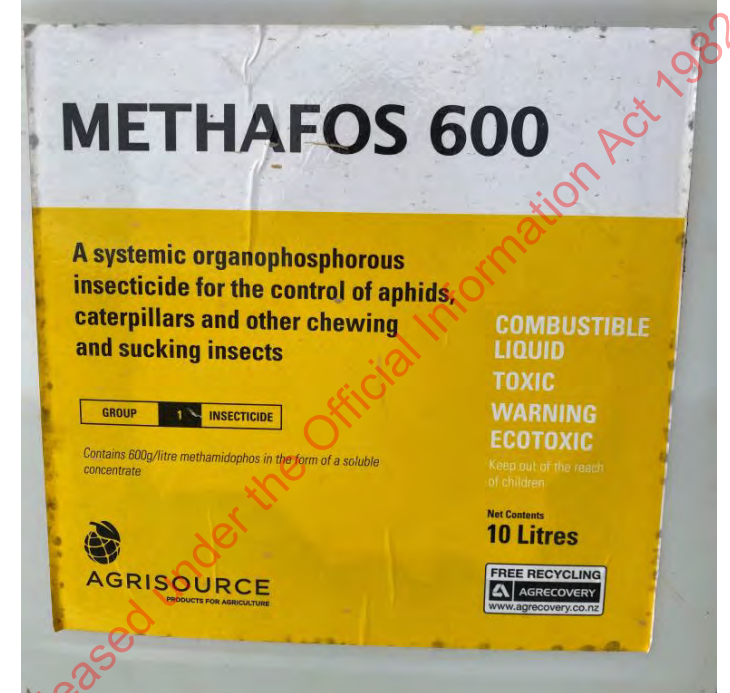
“We need the Government here in Aotearoa to take action now to protect the health of people and the planet. That means stopping the expansion of intensive dairying, because it is a leading source of nitrate contamination in New Zealand. There are simply too many cows, and the industry is using too much synthetic nitrogen fertiliser to feed them all.”
“We also need to see the regulatory limit on nitrate in drinking water lowered, in line with the current health science. The Danish Government has already committed to do this and so could New Zealand.”
Timed to coincide with World One Health Day, marked by the WHO and three other UN bodies to highlight the interdependence between human, animal, and ecosystem health, the coalition is calling on the WHO Secretariat and its Guideline Development Group to formally prioritise nitrate for full evaluation in its upcoming review of global drinking water quality guidelines.
The letter argues that current guidelines are outdated and risk exposing the public to a range of adverse health risks. The existing guideline of 50 mg/L NO₃ (11.3 mg/L NO₃-N) was established in 1958 specifically to prevent infant methemoglobinemia, also known as “blue-baby syndrome”. However, a growing body of 21st-century epidemiological research links chronic, low-level exposure to nitrate in drinking water to increased risks of colorectal cancer, preterm birth, and birth defects at concentrations far below the existing threshold.
Because national governments generally peg their own drinking water standards to WHO guidelines, the coalition’s open letter emphasises that an updated WHO standard is vital for global policy reform.