
Agriculture
Everyone deserves fresh, healthy food grown in a way that’s good for the climate, rivers, wildlife and communities.
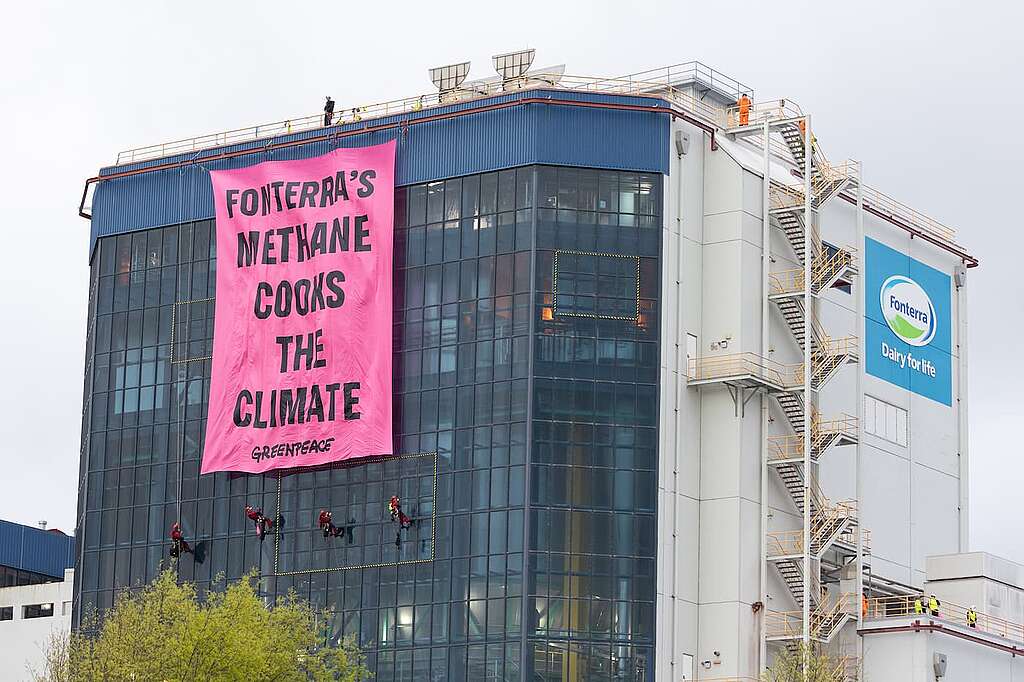
Agriculture in New Zealand
Over the past thirty years, farming in New Zealand has changed. Family farms are steadily being replaced by corporate, monoculture farms, with dairy cows crammed into every corner.
Intensive dairying is making the climate, the water and our communities sick. Industrial agriculture is New Zealand’s biggest climate polluter, largely thanks to all those dairy cows. Aotearoa’s rivers and lakes are in the worst state they’ve ever been. Even our drinking water is at risk.
Take action today
We want you to take action because together we’re strong.
-
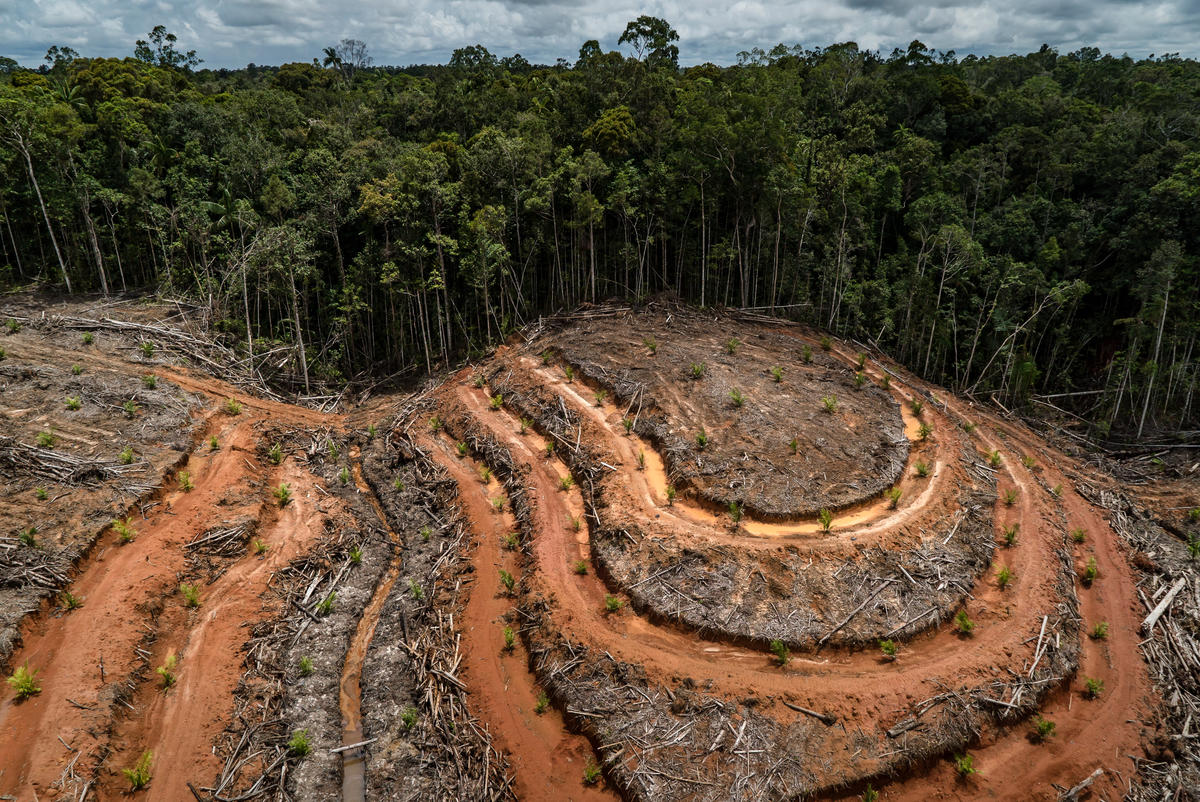
PETITION: Stop Fonterra using palm kernel
Call on Fonterra to end the use of rainforest-destroying palm kernel on its farms.
-
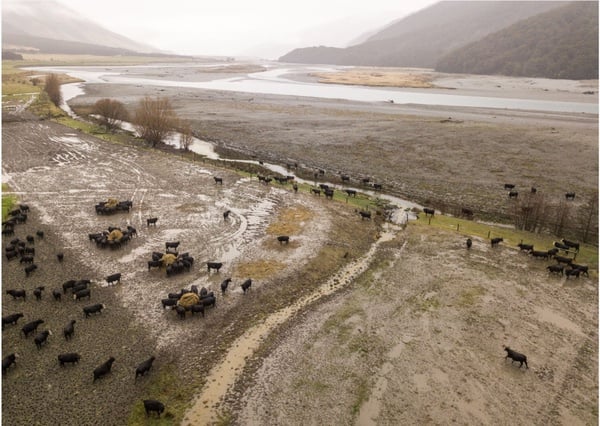
Tell Prime Minister Christopher Luxon to stop the rollback of freshwater protection
Every New Zealander should be able to swim in clean rivers and know that the water coming out of their kitchen tap is safe to drink.
-
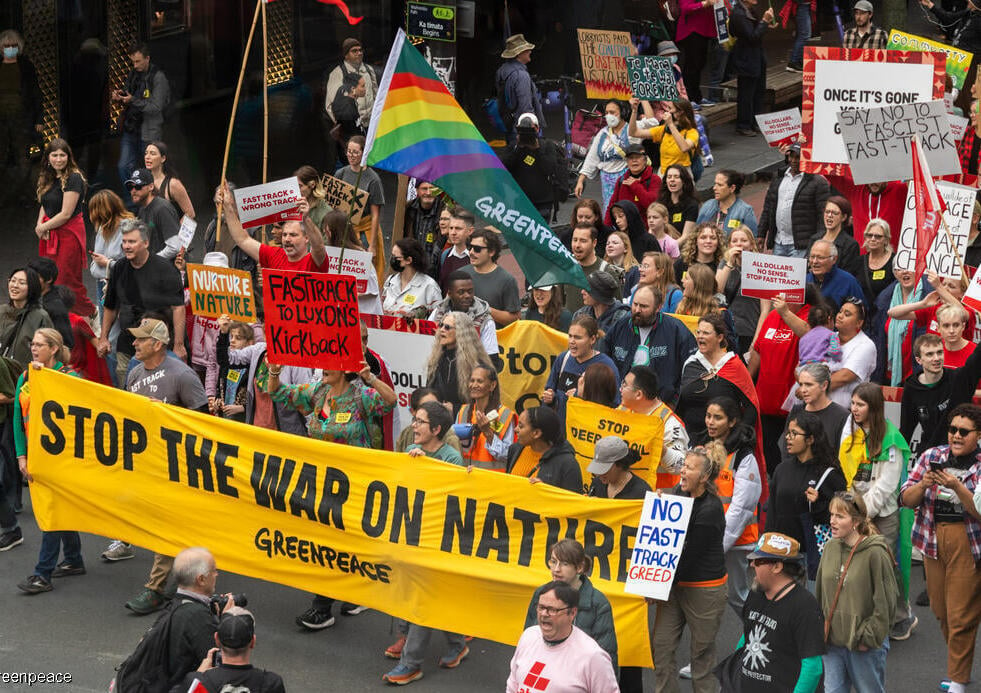
Open Letter to Stop the Fast Track
Sign on to this open letter to industry now to help push more of them to opt out of the Fast Track.
Why it matters
We’re already seeing the shocking effects of the climate crisis. Places like Australia and California have faced raging wildfires. Storms and other destructive weather events are set to become more frequent and intense.
Even if we stopped using all fossil fuels tomorrow, we’d still be on the path to global heating because of the way we’re farming.
Synthetic nitrogen fertiliser and intensive dairying is also causing alarmingly high levels of nitrate contamination in our drinking water – endangering people’s health. Pregnant people who drink high nitrate water risk preterm and underweight babies, and scientists warn that nitrate in drinking water could be causing 100 cases of bowel cancer and 40 deaths per year in New Zealand. Rural communities on bore water are the most at risk. What is more – it can take up to 20 years to feel the full impacts of nitrate pollution on our waterways and on human health, meaning it is even more important to stop nitrate contamination at source. This is about people’s lives.
Farming can be part of the climate solution, but we need to make some changes.
-
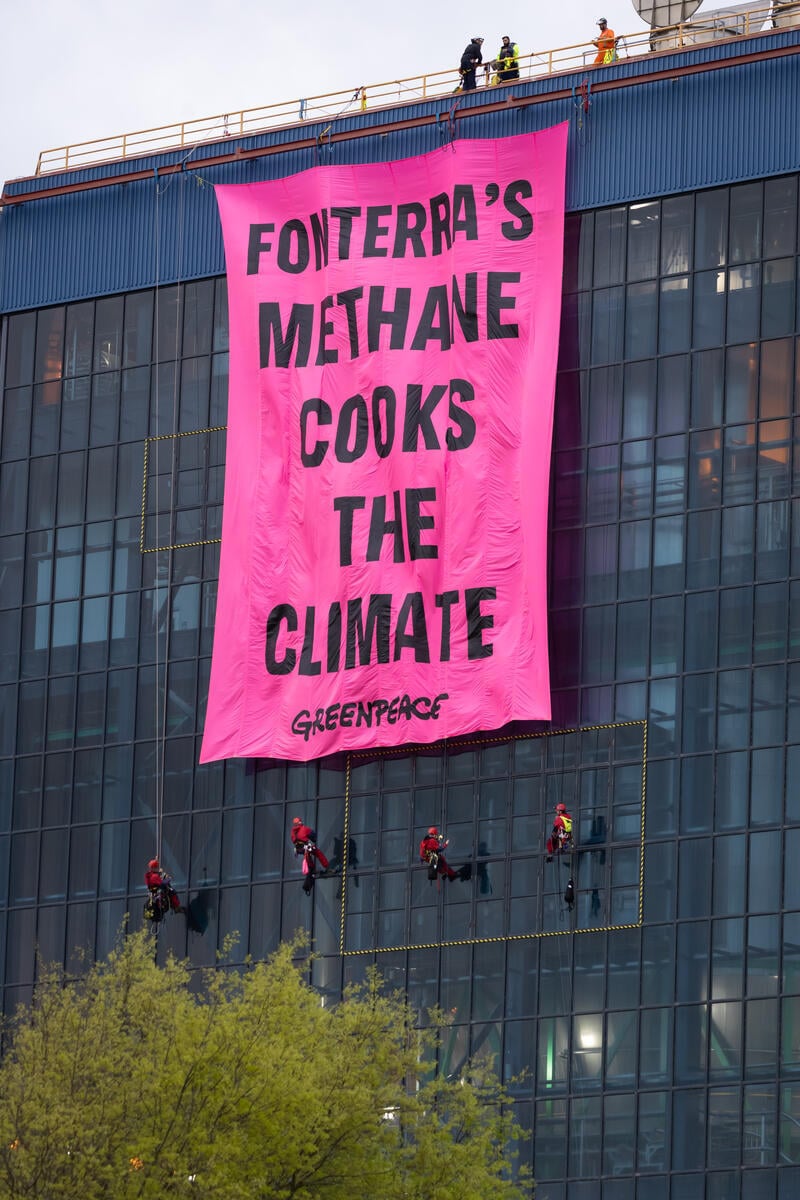
NZ’s controversial methane targets could spark global race to the bottom, enable cover-up of 10 billion tonnes of climate pollution this decade
New research has slammed an alternative greenhouse gas accounting metric, backed by agribusiness lobbyists.
-
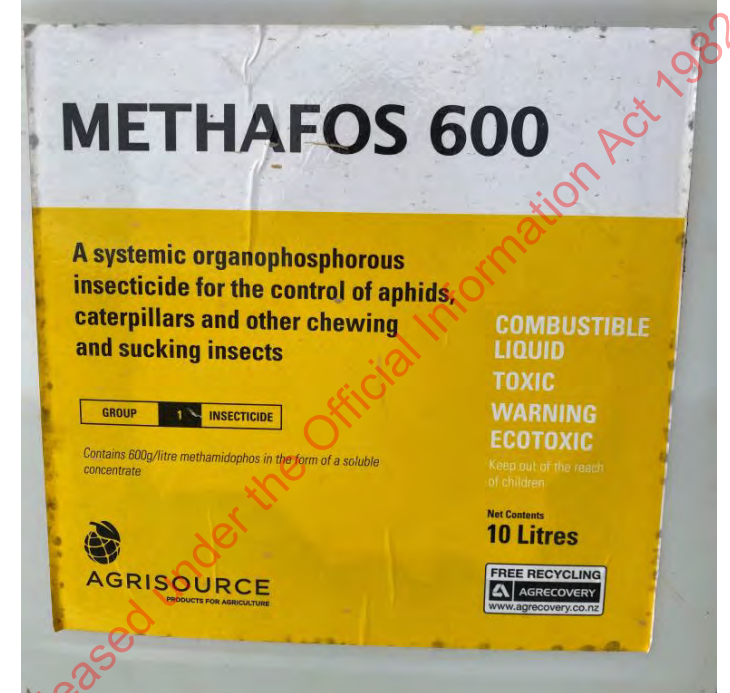
NZ Food Safety is working for agribusiness not food consumers
Pesticides are dangerous. They are dangerous for the farm workers applying them, they are destructive of the natural world, and they harm the people who eat the food. But agribusiness…
-
NZ Food Safety told the public pesticide residue levels were safe, while internal assessments said the opposite
Documents released by Greenpeace today show that the NZ Food Safety agency failed to raise alarms over unsafe levels of pesticide residue on food.
-
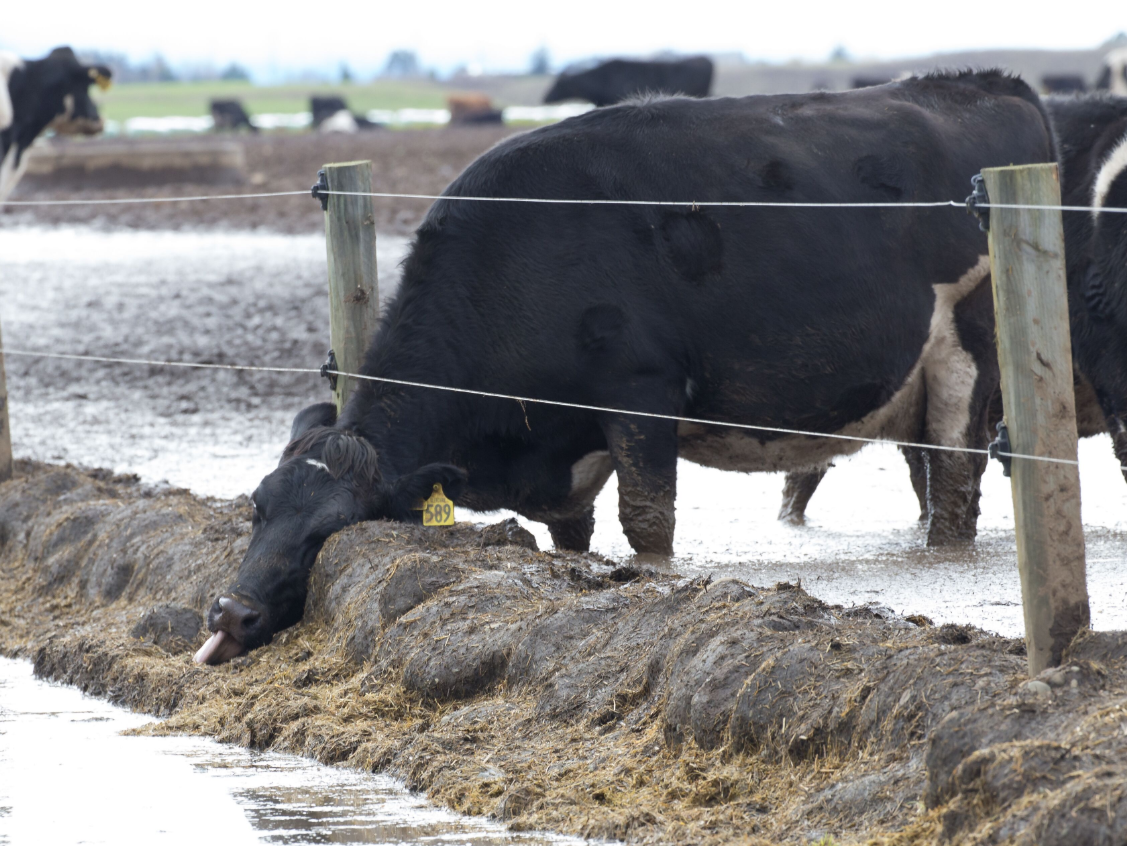
Luxon ’s Three Years of War on Freshwater 2023-2026
Weakening freshwater policy has been a constant focus of the Luxon Government. Fonterra, Dairy NZ , Beef and Lamb have demanded changes to allow more freshwater pollution and the government has delivered, in spades.
-
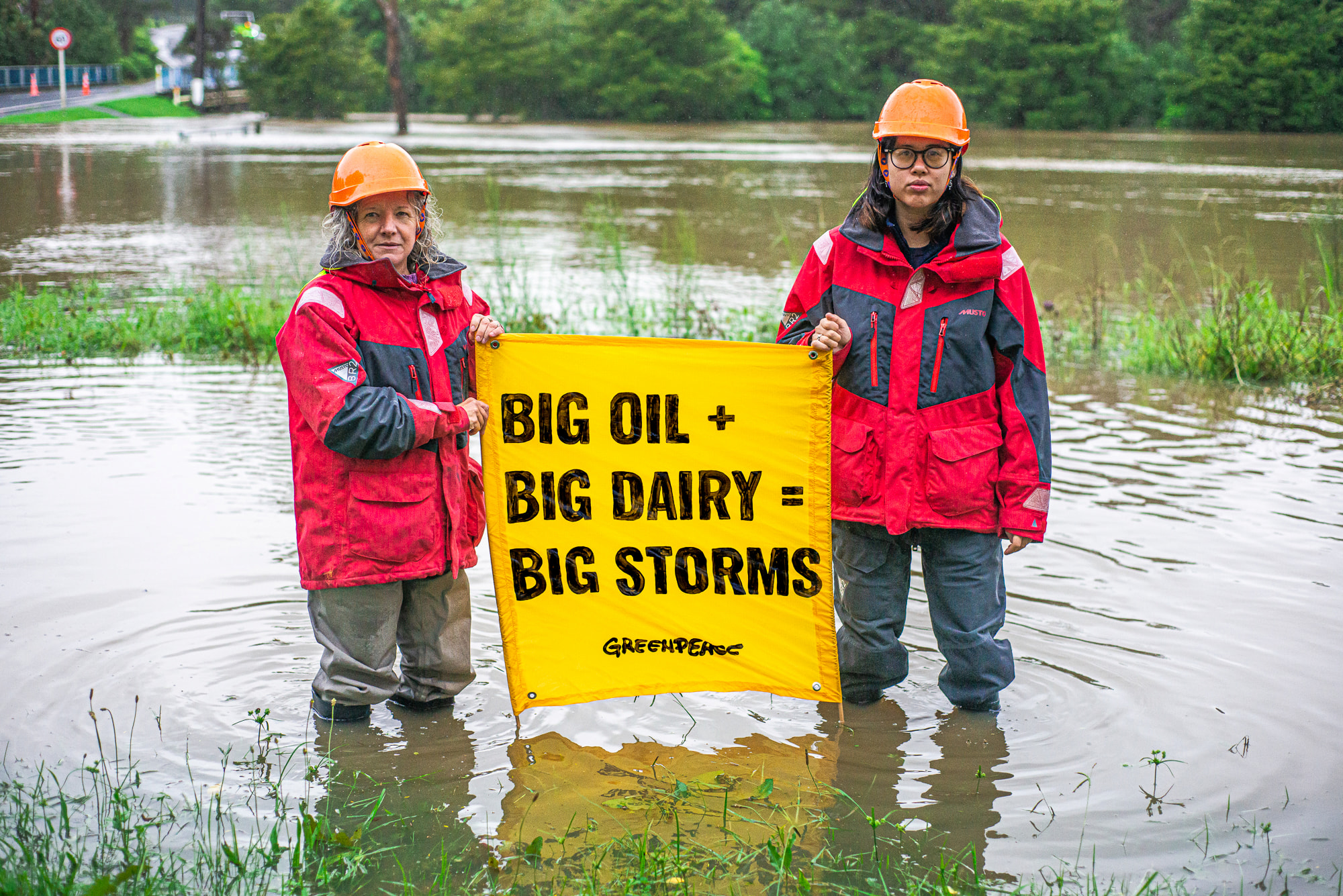
State of the Climate vs War on the Climate
The NZ Government is systematically introducing policies which are increasing emissions or slowing down emissions reductions.
-
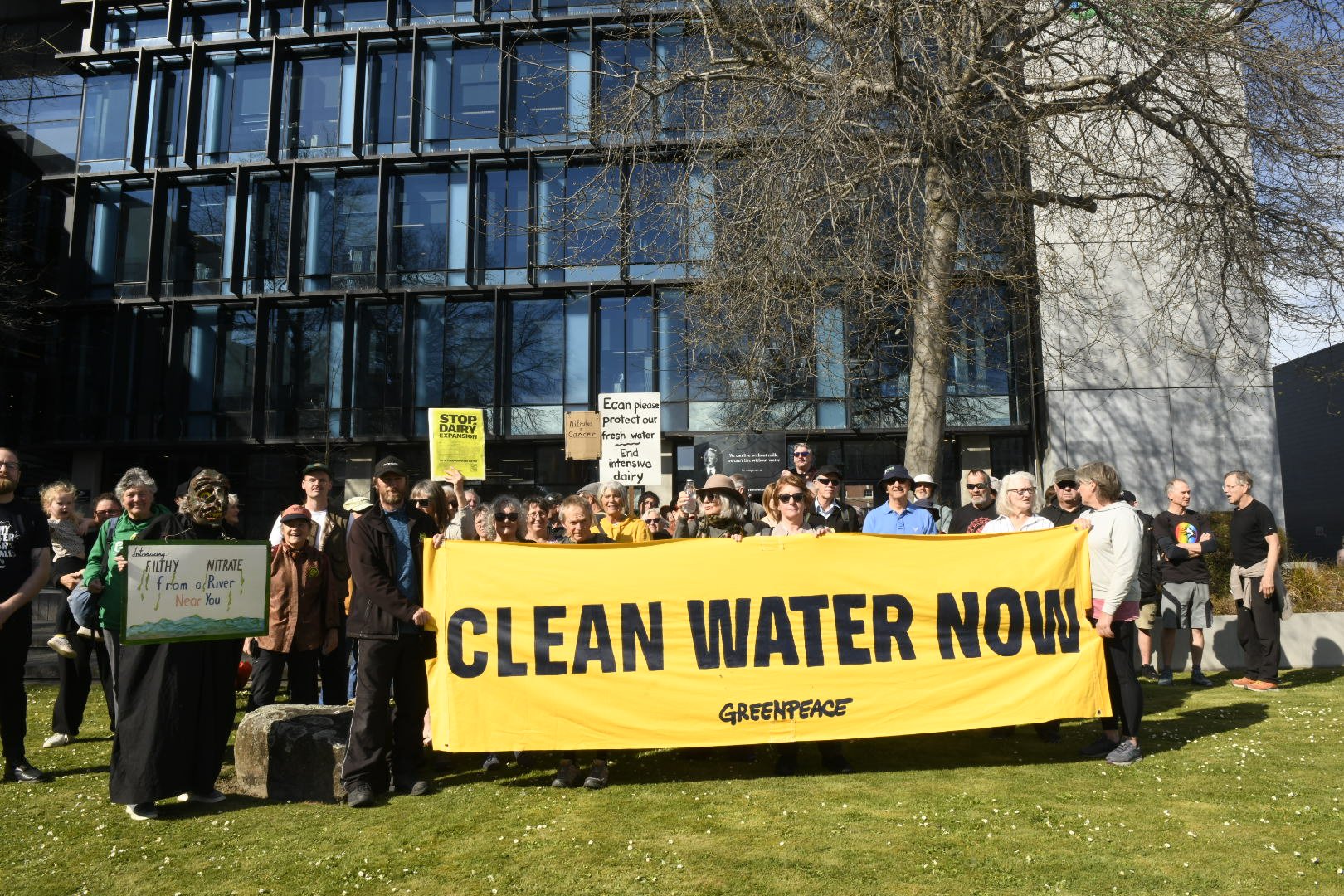
Environment Canterbury throws rural NZ ‘under the tractor’
Greenpeace says Environment Canterbury (ECan) has thrown rural households ‘under the tractor’ on the nitrate crisis.
-
Opportunity climate policy a step in the right direction
Greenpeace Aotearoa has welcomed Opportunity’s policy to cut agricultural methane as a vital step toward tackling NZ’s biggest source of pollution.
-
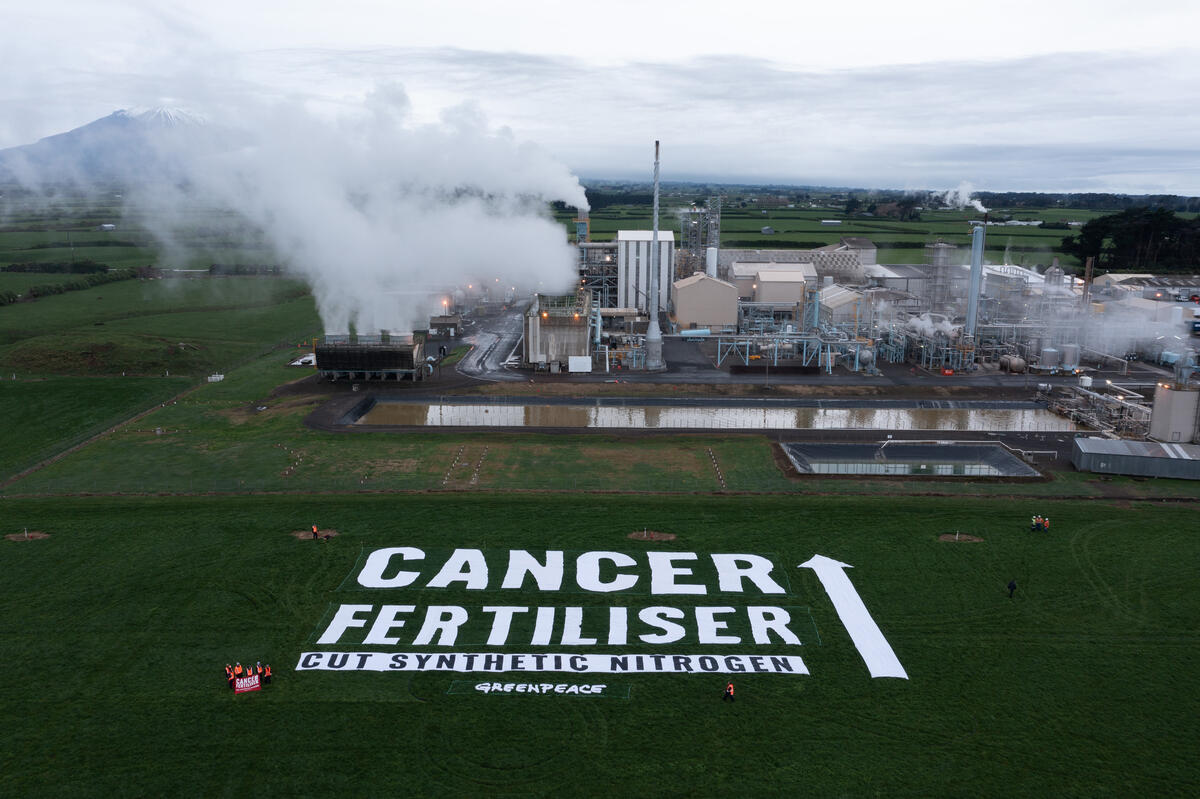
Greenpeace pledges to prevent construction of Aussie-owned coal-powered fertiliser factory
Greenpeace Aotearoa has pledged to oppose a proposed coal-powered fertiliser factory from being built in Southland.
-
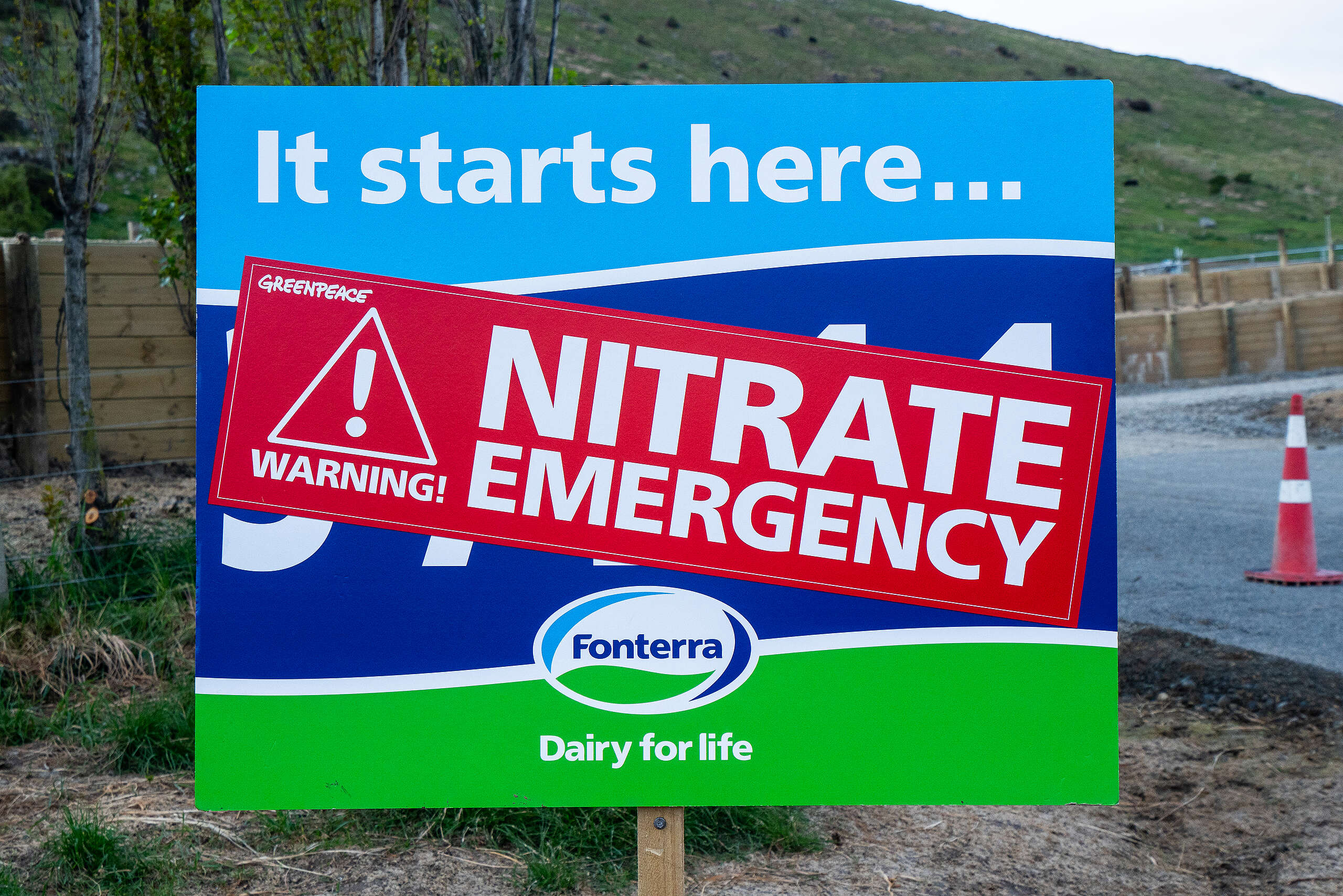
Why does Greenpeace campaign against Fonterra?
Fonterra is the worst climate polluter in Aotearoa, and its emissions are increasing. Greenpeace has been campaigning against Fonterra’s pollution for years.
Subscribe
Greenpeace is people, people like you, and together we are unstoppable! Add your details and we’ll send you regular action alerts and campaign information.