Everything is connected. We hear it in music lyrics and jingles, an idea embedded in many cultures, a seemingly throwaway line on par with the often parodied quest for “World Peace” and the fantasy for us all to “hold hands and be friends”. We accept it as a warm and fuzzy notion – but what if everything really is connected and this tenet is what, in the next half-a-decade, could be at the heart of our capacity to push back against and triumph over the erosion of our planet and all its life forms?
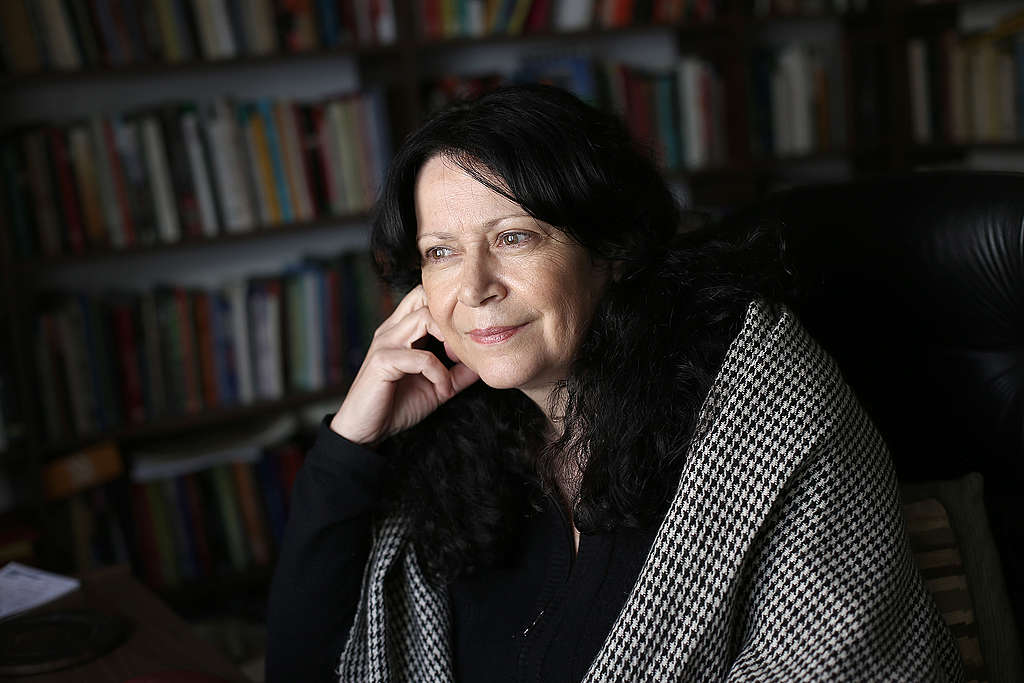
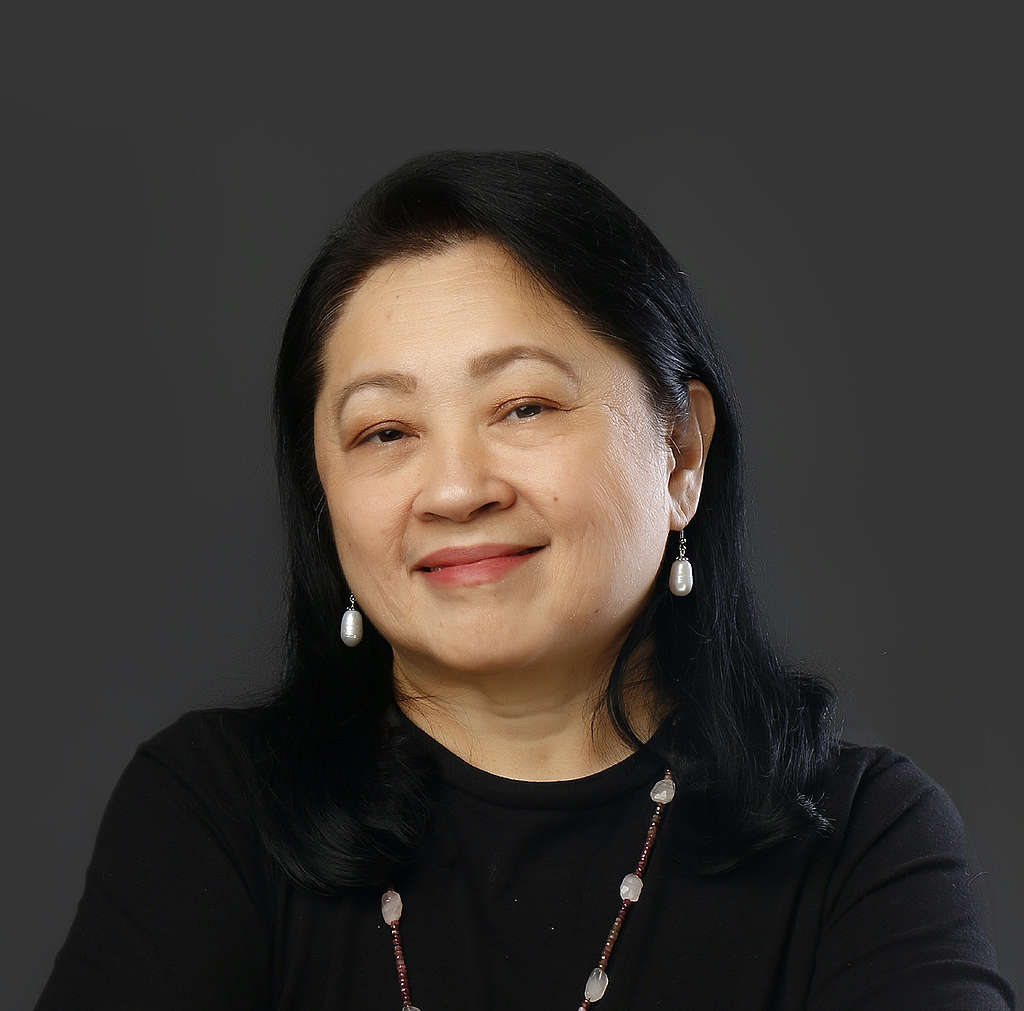
Photo of Maristella Svampa, the Argentine sociologist and writer at Pacto Eco Social del Sur.
Maristella Svampa, the Argentine sociologist and writer at Pacto Eco Social del Sur. Credit: Pacto Eco Social del Sur

This connectedness would mean that the climate and biodiversity crisis isn’t sitting in a folder titled “Environment”. It would mean Existence isn’t neatly filed in alphabetical order but is rather a fabric of actions and consequences tightly woven and interdependent. This interdependence is what Maristella Svampa, the Argentine sociologist and writer at Pacto Eco Social del Sur, refers to as an “…articulation between social justice and environmental justice…”.

It might not be immediately evident to all that to fight climate change we need to pay attention to and prioritize the care economy. The global community of care workers (populated largely by women) – carers, health workers, domestic workers, and more – is heavily relied upon by many, especially during times of crisis. Yet despite the crucial role it plays, care work often goes unnoticed and undervalued. It is imperative then, to recognise the hypocrisy in this – a key part of what sustains humanity and life, in general, is undervalued while other economies focused on profit and bottom-line are raised up. What if we asked ourselves – what is truly valuable? When crises hit and the fabric of society starts to unravel it was and is this care workforce, also d믭, during pandemic times, essential workforce, that builds back resilience in units of care, attention and connection. What could be possible if we put care at the core?
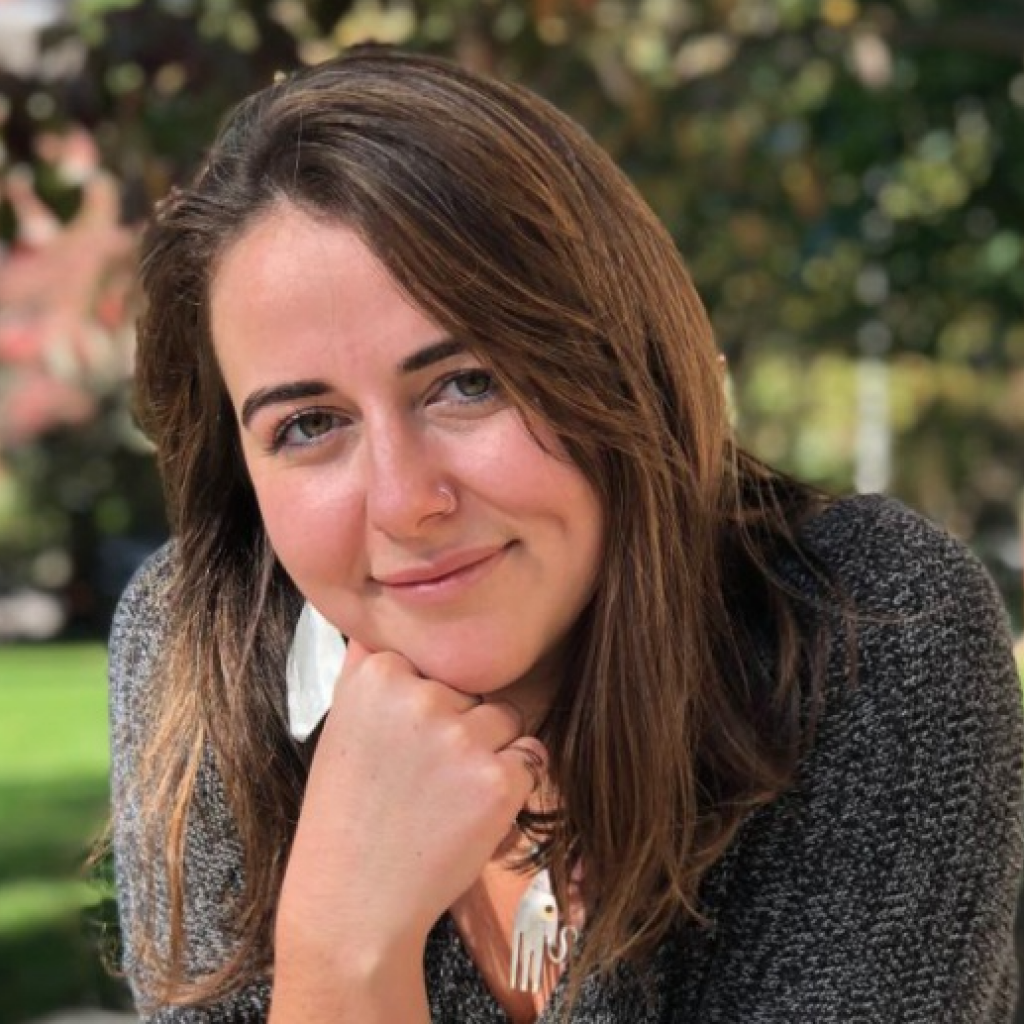
Mara Dolan, Program Manager at the Women’s Environment and Development Organization (WEDO). Credit: WEDO

Mara Dolan, Program Manager at the Women’s Environment and Development Organization (WEDO), states that “To build any green and just future, an economic transformation must advance racial, gender, economic and climate justice by focusing on care.” 
<!-- wp:paragraph -->
<p><em>A fisher shares his story of forced labour on the high seas and how he’s taking action to help protect the rights of migrant workers in the fishing industry.</em></p>
<!-- /wp:paragraph -->

<!-- wp:image {"id":54870} -->
<figure class="wp-block-image"><img src="https://www.greenpeace.org/static/planet4-international-stateless/2022/07/37b3c910-gp1suzkv_.jpg" alt="" class="wp-image-54870"/><figcaption>According to media reports and investigations, migrant fishers on deep sea fishing vessels sometimes work up to 20 hour shifts while having to endure physical abuse and discrimination. © Abbie Trayler-Smith / Greenpeace</figcaption></figure>
<!-- /wp:image -->

<!-- wp:paragraph -->
<p>From 2019 to 2021, Pukaldi Saswanto did not touch land for 30 months whilst working on a fishing vessel. Originally from Bengkulu, a coastal province in Sumatra, Indonesia, Pukaldi had signed up with a recruitment agency to be a fisher based on a friend’s recommendation. His family, especially his mother, was against the idea of him taking on this job, which meant long stints away. But Pukaldi had persisted in hopes of a better future and to make enough money to get married.</p>
<!-- /wp:paragraph -->

<!-- wp:paragraph -->
<p>After he was flown out to Fiji, he discovered that he was assigned to a longline fishing vessel that would sail out to the Pacific Ocean. On board, he was working 14 hour days hauling heavy loads of yellowfin tuna or rolling shrimp rolls, food that will eventually end up on our dinner plates. Pukaldi himself often went hungry and thirsty, subsisting on meager meals that would consist of rotten vegetables.</p>
<!-- /wp:paragraph -->

<!-- wp:paragraph -->
<p>Living in cramped and uncomfortable conditions, he bonded with the 15 Indonesians on the ship but felt alienated from the rest of the crew, who mostly conversed in Mandarin and Vietnamese. Although he had not been physically harmed, Pukaldi had witnessed his friends getting kicked for not performing tasks well. With nowhere to escape, Pukaldi persisted, thinking if he just fulfilled his two-year contract, he’d at least be able to earn his money.</p>
<!-- /wp:paragraph -->

<!-- wp:paragraph -->
<p>“I missed my family,” said Pukaldi, who had no way of communicating with them the entire time.</p>
<!-- /wp:paragraph -->

<!-- wp:paragraph -->
<p>Pukaldi ended up working an additional six months over his contract before the other fishers on board the ship went on strike and refused to work. It would take him an additional three months to return to Indonesia.</p>
<!-- /wp:paragraph -->

<!-- wp:paragraph -->
<p>After arriving back home, he was shocked to find that not a single rupiah from his entire salary of a few thousand dollars had been deposited into his bank account. The money would have been enough for him to get married and start a small business. Instead, he had nothing to show for the two and a half years he had endured at sea.</p>
<!-- /wp:paragraph -->

<!-- wp:paragraph -->
<p>“How would you feel about that? I was just very tired by then,” he expressed.</p>
<!-- /wp:paragraph -->

<!-- wp:heading {"level":3} -->
<h3>Crime in the high seas</h3>
<!-- /wp:heading -->

<!-- wp:image {"id":54824} -->
<figure class="wp-block-image"><img src="https://www.greenpeace.org/static/planet4-international-stateless/2022/07/a56b6bd7-gp1swpwu_.jpg" alt="" class="wp-image-54824"/><figcaption>Activists hold a theatrical protest commemorating International Migrant Worker Day on 18 December in front of the Central Java Governor office in Semarang, Central Java. © Jurnasyanto Sukarno / Greenpeace</figcaption></figure>
<!-- /wp:image -->

<!-- wp:paragraph -->
<p>Pukaldi’s story is not uncommon in the world of unregulated deep sea fishing. According to various <a href="https://www.greenpeace.org/international/story/45068/indonesian-fishing-crews-dying/">media reports and investigations</a> over the years, migrant fishers, who are often employed from Southeast Asian nations, work on vessels sometimes for up to 20 hour shifts while having to endure physical abuse and discrimination. </p>
<!-- /wp:paragraph -->

<!-- wp:paragraph -->
<p>For fishers like Pukaldi, his two and a half years away from land is due to a practice called transshipment: as overfishing is depleting fish stocks, vessels venture further into the high seas to catch fish. Secondary boats are used to help supply transfers and take catch back to port, leaving the “original vessel” to stay out at sea for months, even years, and often without the knowledge of its crew. It is through this systemic exploitation of migrant workers that the distant water fishing industry can be sustained.</p>
<!-- /wp:paragraph -->

<!-- wp:paragraph -->
<p>“As we are trying to fight illegal, unreported, and unregulated (IUU) fishing practices that severely exploit our ocean’s natural resources, we found that the fishing industry also exploits its workers, particularly fishers on the fishing vessels. And, unfortunately, many of them are Indonesians,” said Greenpeace Indonesia Ocean Campaigner, Afdillah.</p>
<!-- /wp:paragraph -->

<!-- wp:paragraph -->
<p>“In the Beyond Seafood campaign, we are fighting against the slavery practice. We believe that if we s쳮d in eliminating slavery at sea, we will at the same time successfully improve ocean governance to protect the natural resources.”</p>
<!-- /wp:paragraph -->

<!-- wp:image {"id":54831} -->
<figure class="wp-block-image"><img src="https://www.greenpeace.org/static/planet4-international-stateless/2022/07/188fb194-gp0stu863_.jpg" alt="" class="wp-image-54831"/><figcaption>A fisherman unloads the catch from a ship at Tegal port, Central Java. © Jurnasyanto Sukarno / Greenpeace</figcaption></figure>
<!-- /wp:image -->

<!-- wp:paragraph -->
<p>From 2013 to the end of 2021, <em>Serikat Buruh Migran Indonesia</em> (SBMI) – the Indonesian Migrant Workers Union – received 634 complaints of human rights violations against Indonesian crew members. SBMI is a labour union that seeks to protect the welfare and rights of Indonesian migrant workers, including migrant fishers.</p>
<!-- /wp:paragraph -->

<!-- wp:paragraph -->
<p>In a <a href="https://www.greenpeace.org/southeastasia/publication/44492/forced-labour-at-sea-the-case-of-indonesian-migrant-fisher/">2021 joint report</a> between SBMI and Greenpeace Southeast Asia, it found that between 2019-2020, forced labour indicators against migrant workers have increased and they include withholding of wages, abusive working and living conditions, deception, and the abuse of vulnerability.</p>
<!-- /wp:paragraph -->

<!-- wp:heading {"level":3} -->
<h3>Fighting for their rights</h3>
<!-- /wp:heading -->

<!-- wp:paragraph -->
<p>As Pukaldi’s recruitment agency had shut down and with no official recourse for action, he sought help from SBMI. Together with two other fishers, Jati Puji Santoso and Rizki Wahyudi, who had also suffered abuse at sea, they took action. They brought an administrative lawsuit against the President of the Republic of Indonesia for failing to ratify a government regulation that will enforce a 2017 law ensuring worker safety and rights within its two-year limit of issuance.</p>
<!-- /wp:paragraph -->

<!-- wp:paragraph -->
<p>“It’s about our rights to be paid,” said Pukaldi.</p>
<!-- /wp:paragraph -->

<!-- wp:image {"id":54826} -->
<figure class="wp-block-image"><img src="https://www.greenpeace.org/static/planet4-international-stateless/2022/07/c4038a52-pukaldi-jati-and-rizky-at-ministry-of-state-secretariat-2jpg-1024x683.jpg" alt="" class="wp-image-54826"/><figcaption>Pukaldi Saswanto (first person from the left) is one of three fishers bringing an administrative lawsuit against the President of the Republic of Indonesia for failing to ratify a government regulation that will enforce a 2017 law ensuring worker safety and rights within its two-year limit of issuance. © Dhemas Reviyanto / Greenpeace</figcaption></figure>
<!-- /wp:image -->

<!-- wp:paragraph -->
<p>On 8th June 2022, almost five years after the original law had passed, the Indonesian government officially signed on to a government regulation that would give <a href="https://www.greenpeace.org/international/press-release/54408/indonesian-migrant-fishers-victory-regulation-protection-rights/">legal protection to Indonesian migrant workers</a> on foreign flag fishing vessels. It is a significant milestone in the fight for the abolition of slavery and human rights abuse within the fishing industry, especially in Indonesia as one of the biggest sources of workers for distant water fishing vessels.</p>
<!-- /wp:paragraph -->

<!-- wp:paragraph -->
<p>Since the signing of the regulation, the fishers have revoked their lawsuit.</p>
<!-- /wp:paragraph -->

<!-- wp:paragraph -->
<p>“I’m glad that Indonesia has finally passed the regulation. This is a victory that significantly progresses our campaign. We are moving forward our efforts to realize a more just and humane governance for the migrant fishers recruitment and protection,” said Afdillah.</p>
<!-- /wp:paragraph -->

<!-- wp:paragraph -->
<p>“The fight does not stop here. Moving forward, we will supervise the implementation of the regulation. We will also urge local governments from the provincial, regional, and municipal level, all the way to the villages to pay more attention to this issue and hopefully, have their own policies to strengthen the aforementioned regulation.”</p>
<!-- /wp:paragraph -->

<!-- wp:image {"id":54835} -->
<figure class="wp-block-image"><img src="https://www.greenpeace.org/static/planet4-international-stateless/2022/07/ff99da02-gp0stqe62_.jpg" alt="" class="wp-image-54835"/><figcaption>An activist arranges origami of boats during a peaceful protest in front of the Ministry of Manpower, Jakarta, to urge for the improvement of placement policies and protection of Indonesian migrant worker crews working on foreign fishing vessels. © Jurnasyanto Sukarno / Greenpeace</figcaption></figure>
<!-- /wp:image -->

<!-- wp:paragraph -->
<p>At present, Pukaldi is residing in Tegal, where he is helping out at the SBMI headquarters. He has yet to receive his salary from his time working on the vessel.</p>
<!-- /wp:paragraph -->

<!-- wp:paragraph -->
<p>“There are still many companies that do not comply with the procedures. So hopefully, for anyone thinking of becoming a fisher, think about it first if you want to go. Don’t get trapped in this situation like us. As my salary has not been paid, it’s hard to go home. With the signing of the regulation, it is hoped that things will be better and that migrant fishers from Indonesia have some protection,” said Pukaldi.</p>
<!-- /wp:paragraph -->

<!-- wp:paragraph -->
<p>“We hope that the government will immediately take actions as well as to punish those who are responsible for my unpaid wages to finish their job. We will continue this fight.”</p>
<!-- /wp:paragraph -->

<!-- wp:paragraph -->
<p><em>With additional help from Vela Andapita and Kezia Saroinsong.</em></p>
<!-- /wp:paragraph -->

<!-- wp:paragraph -->
<p></p>
<!-- /wp:paragraph -->
Lidy Nacpil, Coordinator of the Asian Peoples Movement on Debt and Development. Credit: APMDD

Lidy Nacpil, Coordinator of the Asian Peoples Movement on Debt and Development, says “Central to the fight against the climate and biodiversity crises is the transformation of the dominant economic system that has created and driven the crises.”

Many feminist leaders from the global South have also been challenging capitalism and offering concrete solutions such as claiming our commons and putting more value on the economy of care. More than just highlighting issues, their solutions emanate from the roles they play as women in the communities, such as informal household workers, caring for children and the elderly, and frontline workers. 
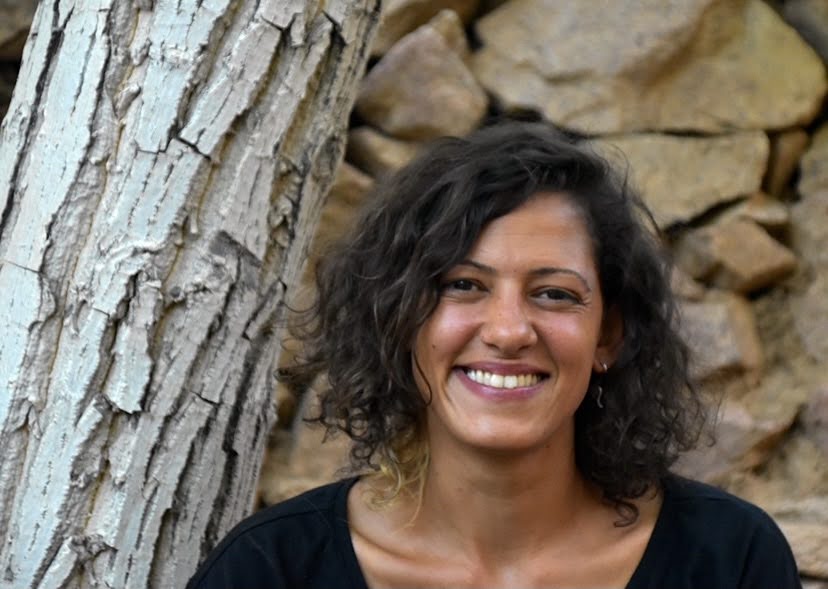
Dina Kafafy, Sinaweya, Egypt. Credit: Zoe Shields

Dina Kafafy of Sinaweya in Egypt calls for relocalisation and caring for local cultures and history. “We need to change our perception of ourselves and reposition humanity in the web of life. And when we look into traditional communities in every corner of the world, we see an understanding of local resources, climate patterns, flora and fauna; they were aware of and revered their environment which sustained them. Take from the Earth but always give back, replenish. And in this synchronicity and awareness comes abundance of resources and compassion. A gift economy and sense of community emerges. If weaved into our society’s foundations this principle would breed more love, fairness and connectivity to the Earth and each other.” 

All these women, and so many more, in different forms and spaces, are advocating for a radical shift in how societies understand value, and how their roles in all kinds of crises should be acknowledged – be it in pandemics, ecological catastrophes and wars; how those who hold seats of power act, how we measure wellbeing; they are fighting for a just future equipped with the necessary forms of resilience for all life forms to thrive. “We are fighting for a new order in which economic systems give primacy to the provisioning for a dignified and empowering life for all people in ways that are compatible with the capacity and health of the planet, values social reproduction as equally important as production, and recognizes the often invisible role and contributions of women. Beyond simply recognition, what has traditionally been considered women’s work should be socialized and redistributed.” said Nacpil. Svampa is in agreement when she states that This will make it possible to tackle labor precarity and achieve a fairer distribution of caregiving tasks in terms of social class and gender, as this work usually falls unequally upon families and, within them, upon women.” 

Similarly, WEDO advocates for a “transition from an extractive economy to a repairative one rooted in the rights, health and well-being of all—and this means valuing, supporting and investing in care work in all its forms.” To this end, Dolan cites that they have “outlined key economic shifts needed in global financial architecture in order to redistribute resources towards investment in care. This means shifts as outlined in the Action Nexus’ Blueprint for a Global Feminist Economic Justice Agenda.” 

This includes ending austerity and committing to robust public services and social protections, developing a more just global tax system that no longer protects corporate interests and profits above human rights and well-being, and building a new multilateral and legal framework for a debt cancellation and workout mechanism. She adds that “Green jobs are not just jobs in hard hats retrofitting buildings and constructing solar and wind energy – they are also jobs of caring for each other, teaching, home health care, child care, elder care and more.”

There are many traditional and Indigenous solutions in the global South that would challenge capitalism and extractivist models such as the commons, degrowth, redefining well-being, and enhancing fair incomes and other alternative socio–economic models.They are people-focused, community-driven, putting care at the center and working within our ecological limits. The question now is how do we turn these solutions into a new and better normal. 
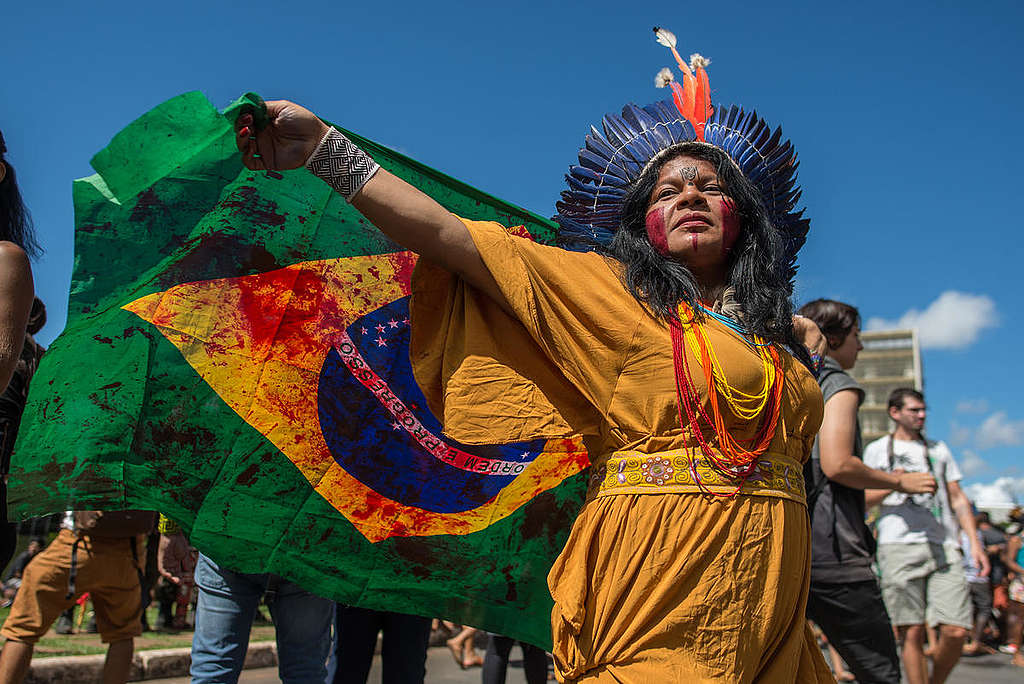
Sonia Guajajara at the Free Land Camp 2019 in Brazil
Sonia Guajajara at the Free Land Camp 2019 in Brazil © Christian Braga / Greenpeace

At the end of it all, Indigenous leader Sonia Guajajara of Articulação dos Povos Indígenas do Brasil could not have put it simpler. Indigenous Peoples have long fought to protect their homes from a kind of development that is forced upon them.“We ask for the obvious: they take care of our home – the trees, forests, and waters. There is our home and also the home of our ancestors. There is the home of the animals and our spirits. There lives the immensity of life that ensures that this Earth is inhabited.” 

Care, respect for each other and respect for nature will contribute to community-building and empower us to tackle the climate and biodiversity crisis and inequality. The popular phrase “actions speak louder than words” suggests an ethical way of participating in the world. If we enjoy the theory of “Everything is connected”, then should we not practice it? This could start with beginning to recognise that our problems are connected and by default so are our solutions. 

Yewande Omotoso is a Storyteller and Abigail Aguilar is a Campaign Strategist at Greenpeace International.

1 – The commons refers to a broad set of resources, natural and cultural, that are shared and self-managed by a community and not owned privately.