
Dove is an official sponsor of the FIFA World Cup 2026, spending millions to sell itself as a brand that cares about men.
Its plastic packaging tells a different story.
Plastic in the package, really?
Recent headlines about the possible connection between plastic exposure and impacts on sexual health and fertility have us thinking about…the package.
- Sperm counts have dropped by nearly 62% since the 1974 World Cup. Doctors are sounding alarms that chemicals found in plastics could be a cause.
- Studies show microplastics may be showing up in penile tissue and semen.
- Dove’s products are packaged primarily in polyethylene – a plastic that may leach hundreds of chemicals into the products it contains over time, some capable of interfering with male hormone systems.
Why it matters
Any questions about potential impacts to reproductive health should send companies running to hit the plastic machine off switch. But instead, they are trying to normalize false solutions that don’t get at the heart of the problem – making too much plastic.
Dove and its parent company Unilever put more than 600,000 tonnes of plastic into the market every year. Plastic pollution is making its way into men’s bodies.
Dove knows healthier, plastic-free, reusable options exist. It continues to choose single-use plastic anyway. Plastic packaging isn’t a necessity. It’s Dove’s choice.
Reuse Ottawa could be a game changer
Unilever has invested in various reuse and refill pilot projects around the world over the last handful of years, with the latest set to launch later this summer in Ottawa. The company has helped drive a new multi-brand, multi-retailer reuse initiative forward for some of its personal care products, alongside L’Oreal, P&G, Loblaws, Shoppers Drug Mart, Real Canadian Superstore, Walmart Canada, and Your independent Grocer.
This project is exactly the direction the sector needs to move towards and ticks so many of the right boxes by using standardized packaging, prioritizing plastic alternatives, collaboration on reverse logistics, having government engagement, and creating a customer experience based on what has been proven to work.
Unilever has engaged in and supported several initiatives with so much promise, but still its strategy is more focused on false solutions like 100% recycled plastic bottles, and paper-based sachets. If Unilever was serious about tackling its plastic problem and leading on real solutions, it would create a roadmap to phase out its plastic packaging, starting with the most polluting – sachets – and to transition its business from single-use to reuse across its global markets.
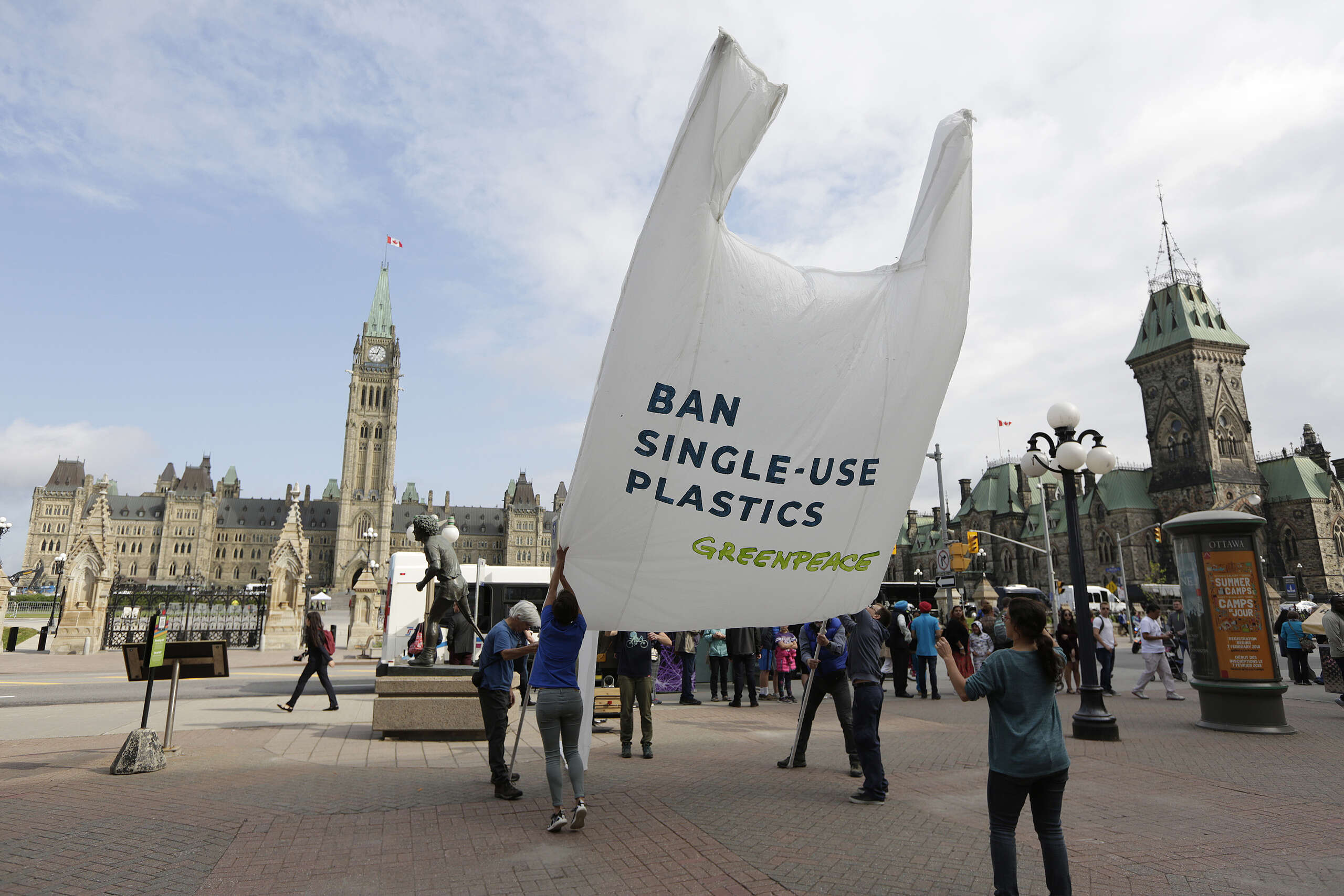
Furthermore, we urgently need the Canadian governments to help secure a strong UN Global Plastics Treaty that reduces global production and consumption, ends our reliance on problem plastics and chemicals, and accelerates a justice-centred transition to a reuse-based, zero waste future.
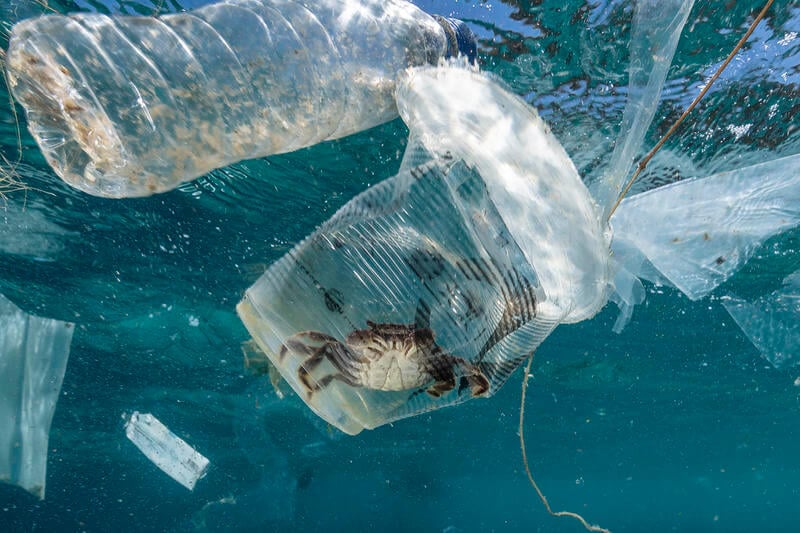
If world leaders get it right, a strong Global Plastics Treaty has the potential to end the age of plastic – for good. Join the campaign now!
Take action