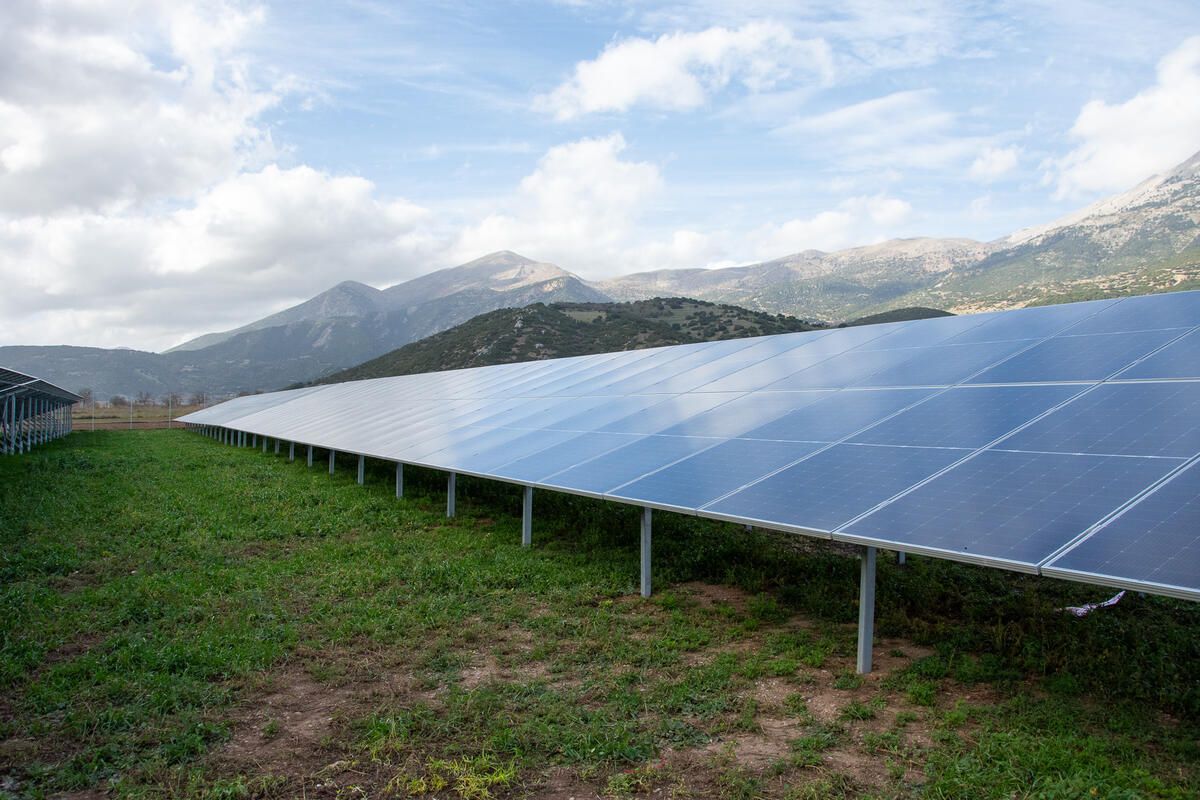
Renewables are here.
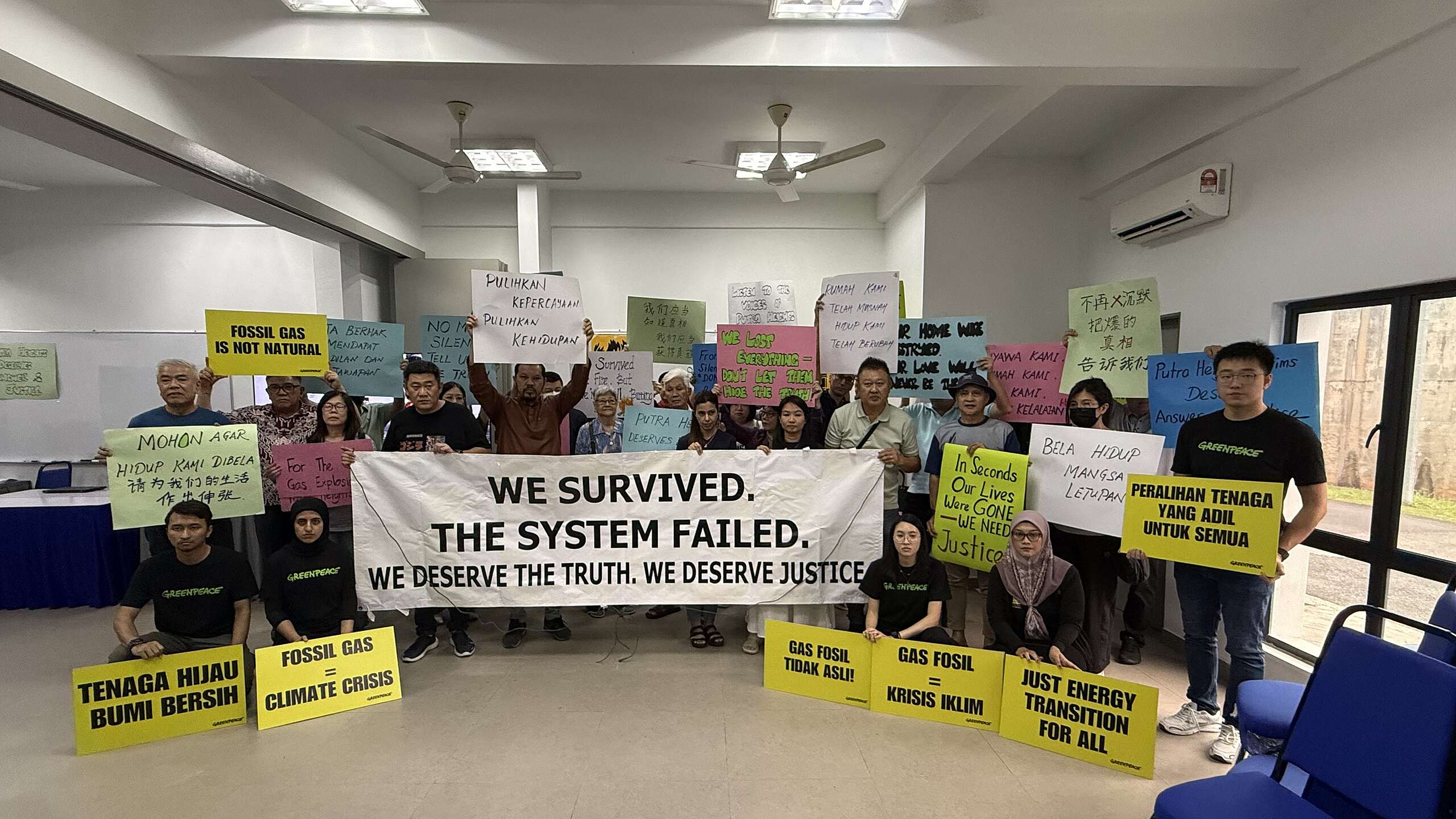
The conversations sparked by #LiterallyNastyGas remind us of something simple but important. Once we look at fossil gas with clearer eyes, we also start to notice what lies beyond it. Across Southeast Asia, signs of a different path are emerging. Communities, policymakers and researchers are showing that clean energy can be practical, reliable and grounded in everyday life.
Moving away from gas is not only about stepping back from a problem. It is about stepping toward something better.
Clean energy solutions are already taking shape
Across the region, early but meaningful examples of renewable energy adoption reveal how a more resilient future is possible. These are not complete solutions, but they point in the same direction. Renewables are no longer distant ideas; they are tools already working on the ground.
In Thailand, rooftop solar on schools and community facilities has helped ease electricity burdens and offered a glimpse of how clean energy can support public services. These examples remind us that renewables are not only technical solutions but social ones with real benefits for everyday life.
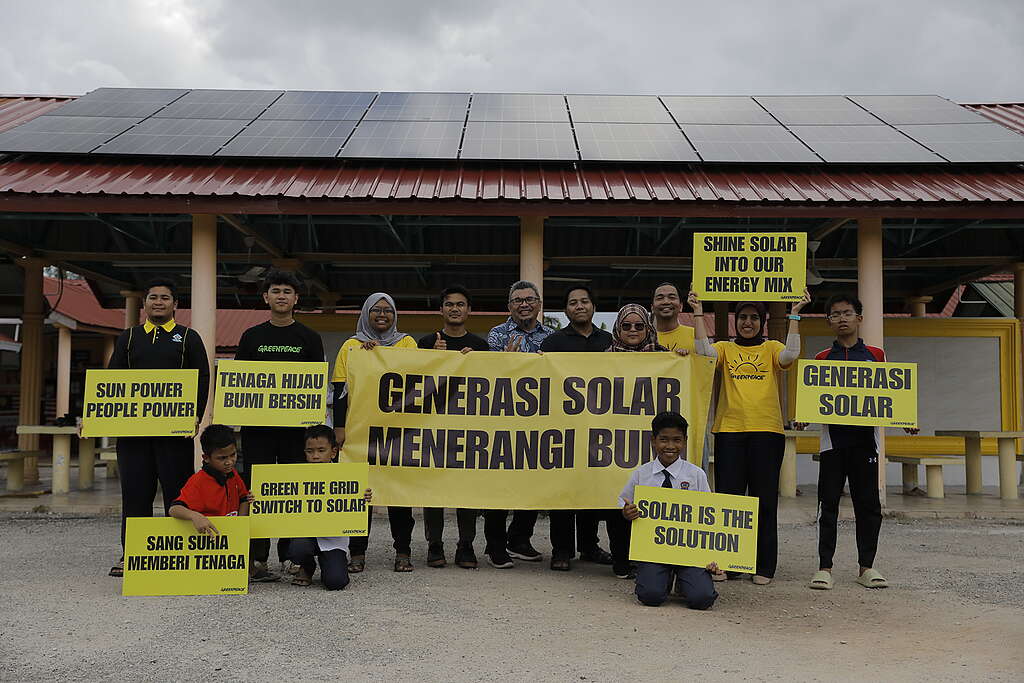
In Malaysia, a small welfare home in Sabak Bernam reduced its monthly expenses after installing solar panels. It is a small change, but a clear reminder of how clean energy can support real people in real communities.
In Indonesia, research highlights the country’s vast renewable potential, especially solar, which could strengthen electricity access in both urban and rural areas without creating new dependence on fossil infrastructure.
Energy systems today can support renewables more effectively than ever. Better storage options, smarter grids and flexible demand management allow clean energy to play a larger role without compromising reliability.
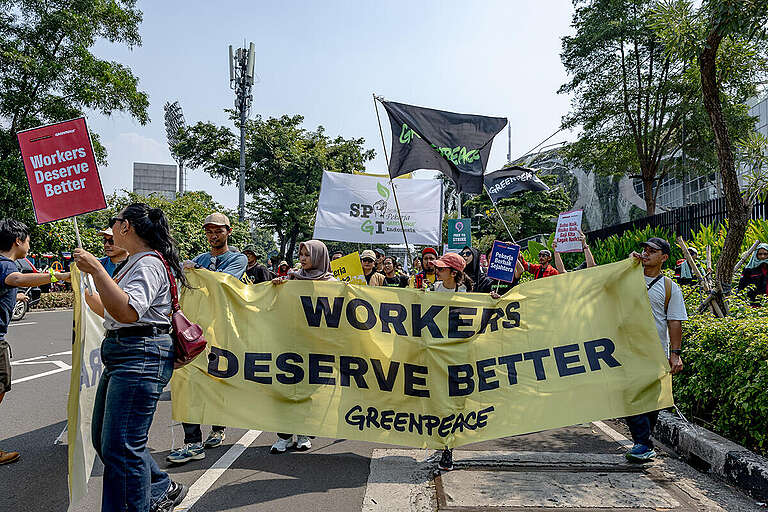
This transition is also a social shift. It can ease energy burdens on households, expand community power and create opportunities for workers. With the right policies, these benefits can be shared widely.
Where policy can help guide the transition
Thailand, Malaysia and Indonesia each face different realities, but they share a rare opportunity. Every country has the potential to scale renewables in ways that boost energy security, reduce import dependence and improve community wellbeing.
In Thailand, opening fair access to rooftop and community solar would help scale up what local initiatives already demonstrate. In Malaysia, clearer renewable targets and stronger support for distributed solar could build on early community-level successes. And in Indonesia, aligning energy planning with the country’s renewable potential would prevent new fossil lock-in and expand community solar across rural and island regions.
The future beyond gas
As more people question old assumptions about fossil gas, the path forward becomes easier to see. The transition away from gas is not a distant idea. Small steps across the region already suggest where the future is heading. The solutions exist. The benefits are real. The momentum is growing.
A renewable-powered Southeast Asia is already taking shape, one rooftop, one community decision and one policy shift at a time. It becomes a future that is cleaner, fairer and firmly within reach.
References
- Greenpeace Malaysia – Solar installation at Sabak Bernam welfare home
https://www.greenpeace.org/malaysia/press/59690/powering-up-a-welfare-home/ - Greenpeace Southeast Asia – Climate and Energy overview
https://www.greenpeace.org/southeastasia/what-we-do/climate-and-energy/ - CELIOS x Greenpeace Indonesia – Renewable potential analysis
https://celios.co.id/wp-content/uploads/2025/04/Fossil-Gas-Delaying-Energy-Transition.pdf - Greenpeace SEA – Thailand rooftop solar initiative
https://www.greenpeace.org/southeastasia/press/43736/one-million-solar-rooftops-by-2023/