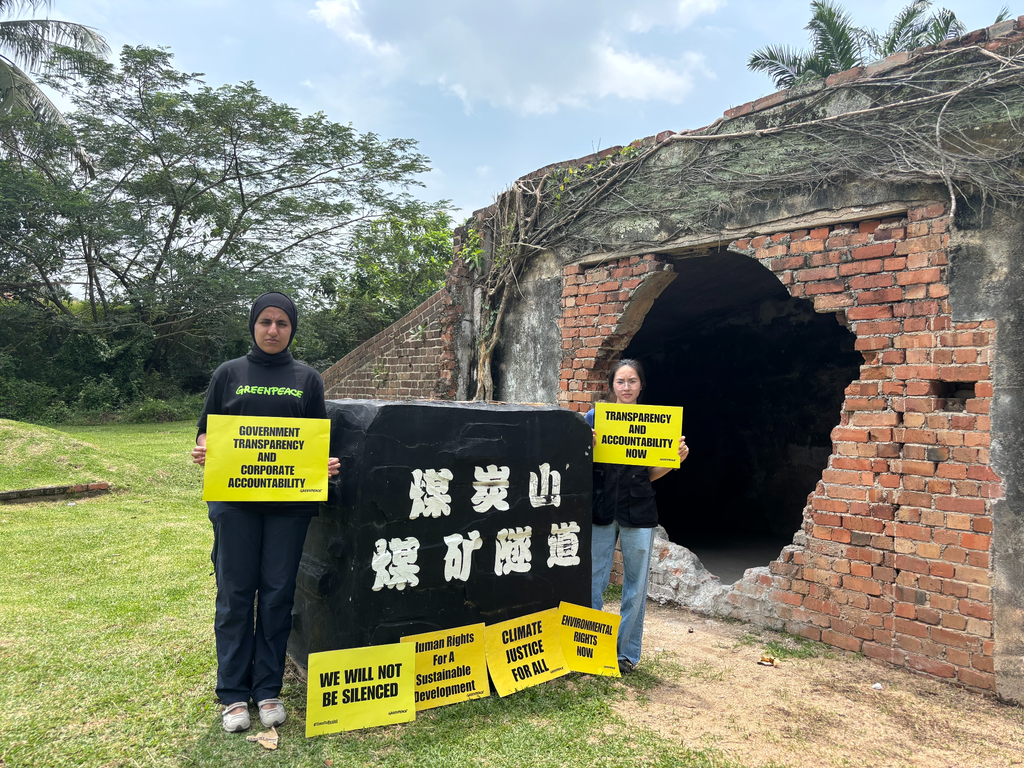
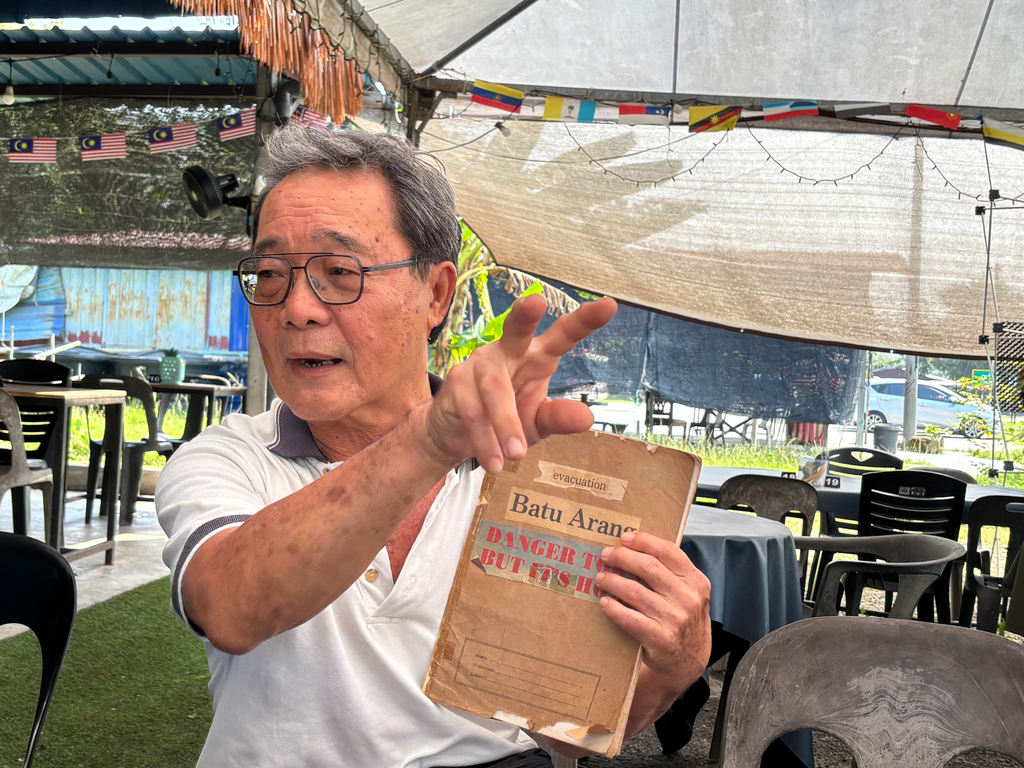
In the quaint little town of Batu Arang, once stood the heart of Malaya’s industrialisation. Its coal fed the railways and economy. The town’s people supported a nation, and when the industry moved on, communities were left with the consequences: scarred land, fires, sink holes, pollution, and unanswered questions about who should be held accountable.
Families here did not wait quietly. Across generations, they have kept records in the form of scrapbooks, held meetings, written to authorities and shared information in group chats, asking for accountability and environmental protection. Their resilience is not dramatic, it was, unfortunately, built on decades of fighting back injustices and optimistically building movements.
Dignity in a declining mining town is echoed elsewhere. In the Japanese film Hula Girls, based on a true story, a struggling coal town reinvents itself with a Hawaiian leisure centre, and the daughters of miners become its unlikely heroines. The mine closures forced a difficult conundrum – at first no one wanted to believe it. Coal is not just a job, but an inheritance and the only future anyone had imagined. What lingers in that story is that the town’s renewal came from its own people, on their own terms. Radically changed whilst carrying the memories of danger underground, of accidents, and losses that left families grieving and fathers, brothers, and husbands unaccounted for. The same mine that fed the town also marked it with tragedy.
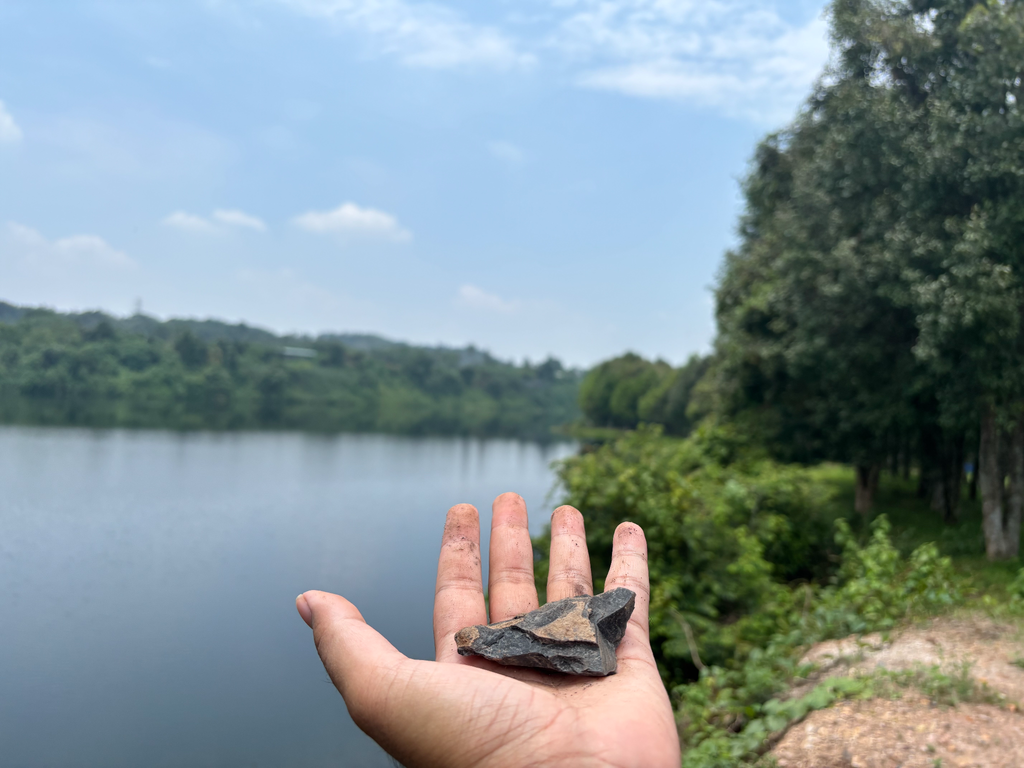
While in Batu Arang, coal has become a remnant, but large traces of it can still be found. Erected in the town, are heritage buildings that reflect its industrial past and coal pieces are scattered all over. The coalminers’ children now work in the city or overseas. But the elders continue to fight for their town, with the support of their families and friends, against disasters and unsustainable development.
But the narrative stays the same. Many years ago, government authorities and experts kept telling the Batu Arang community to not worry about sinkholes yet those disasters and additionally, fires became a traumatising reality for many of the residents. Now, experts are telling them again to not be concerned about the planned development of a Waste-to-Energy (WtE) incinerator in their town, without acknowledging its historical trauma and community concerns.
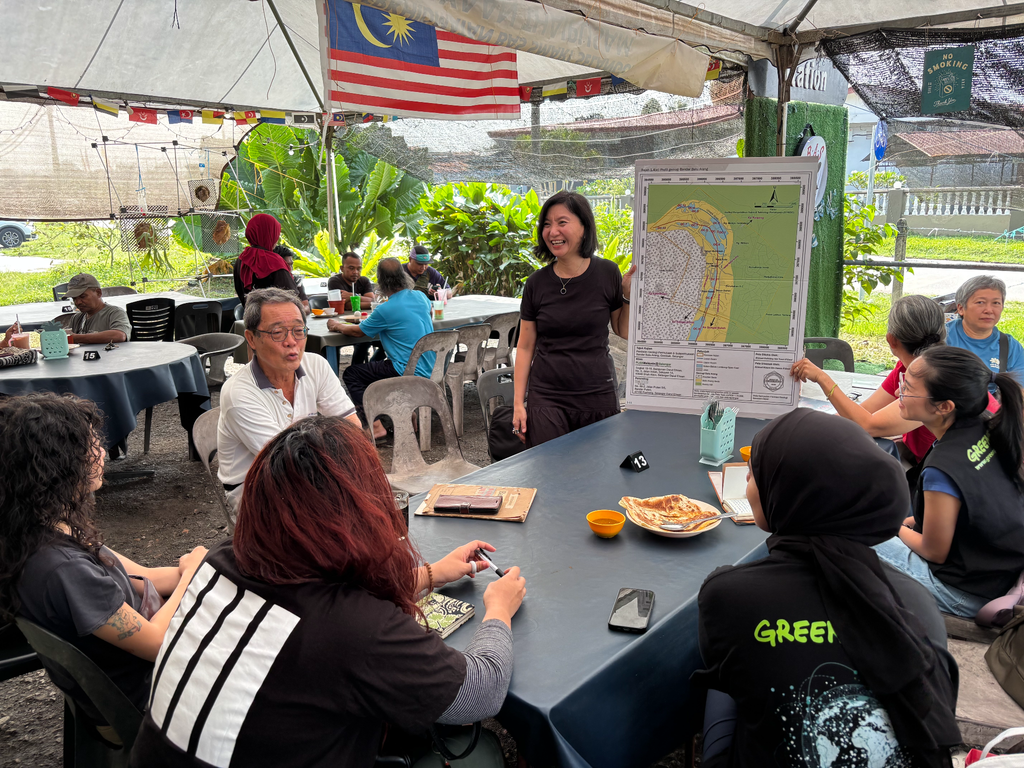
Are Waste-to-Energy incinerators a real solution?
Now, a new proposal has arrived. The government plans 18 WtE incinerators across the country, a response to a real and growing waste crisis, amidst battling waste imports. But communities like Batu Arang are asking a hard question: who actually benefits from these proposed WtE projects and operations?
According to IPEN, communities living near incinerators may face higher health risks. Pollution does not end at the chimney: fly ash and bottom ash can be heavily contaminated with dioxins and PFAS. Monitoring of some of the most toxic emissions is lax. And incinerators cannot operate without public subsidies, money that could support cleaner alternatives.
There is a climate contradiction too. Burning waste releases carbon dioxide, and by 2050 the conversion of plastic waste to energy is projected to emit more CO₂ than burning fossil fuels. For a town built on coal, the irony is sharp.
Should the remnants of coal be replaced by toxic ash?
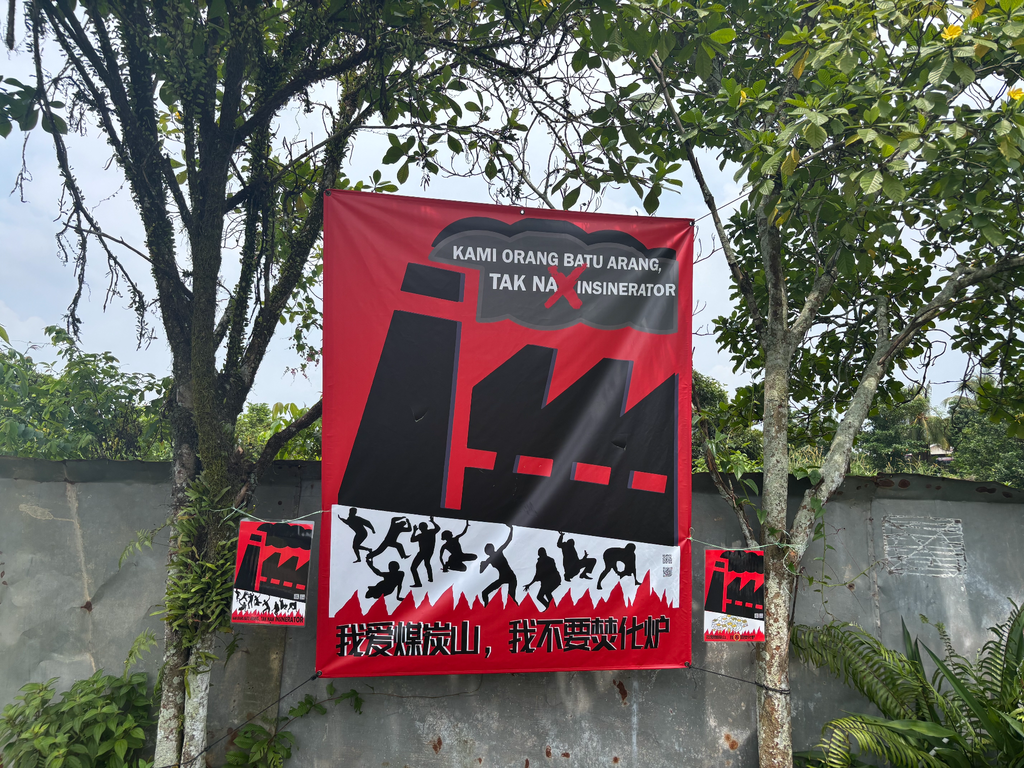
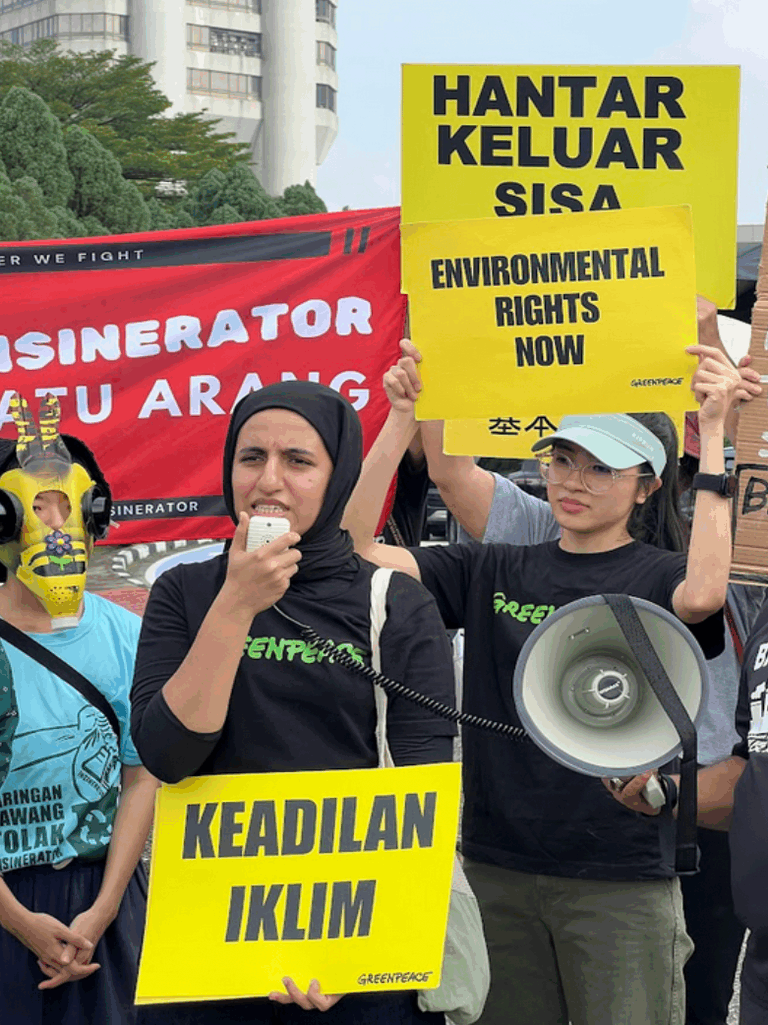
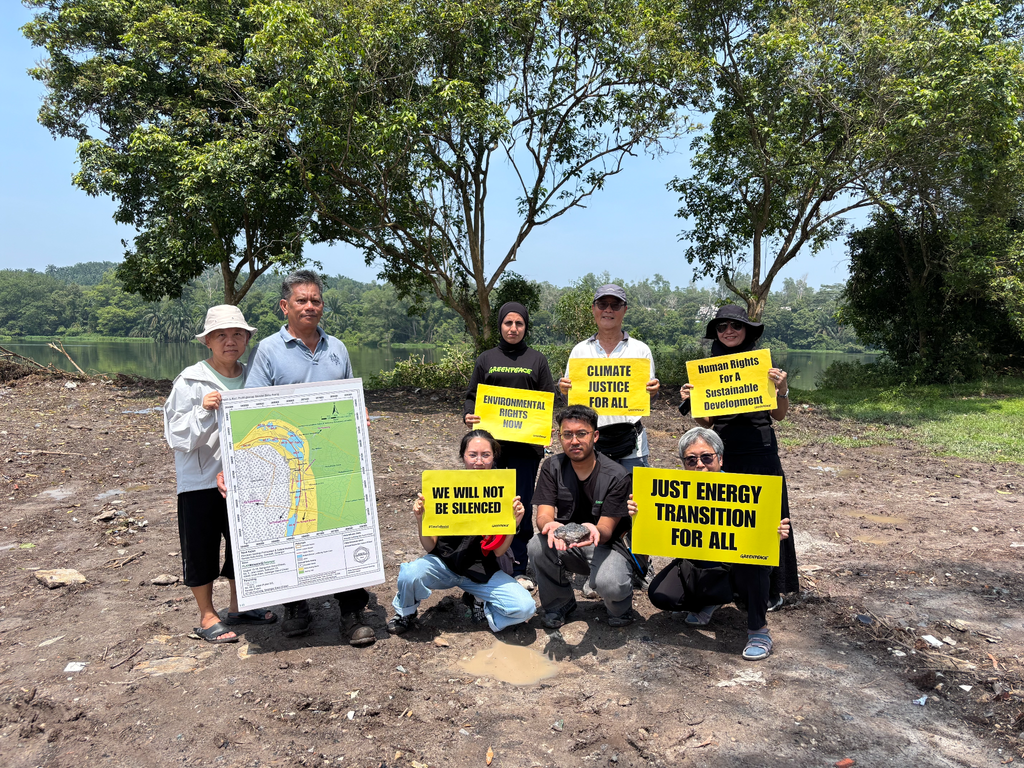
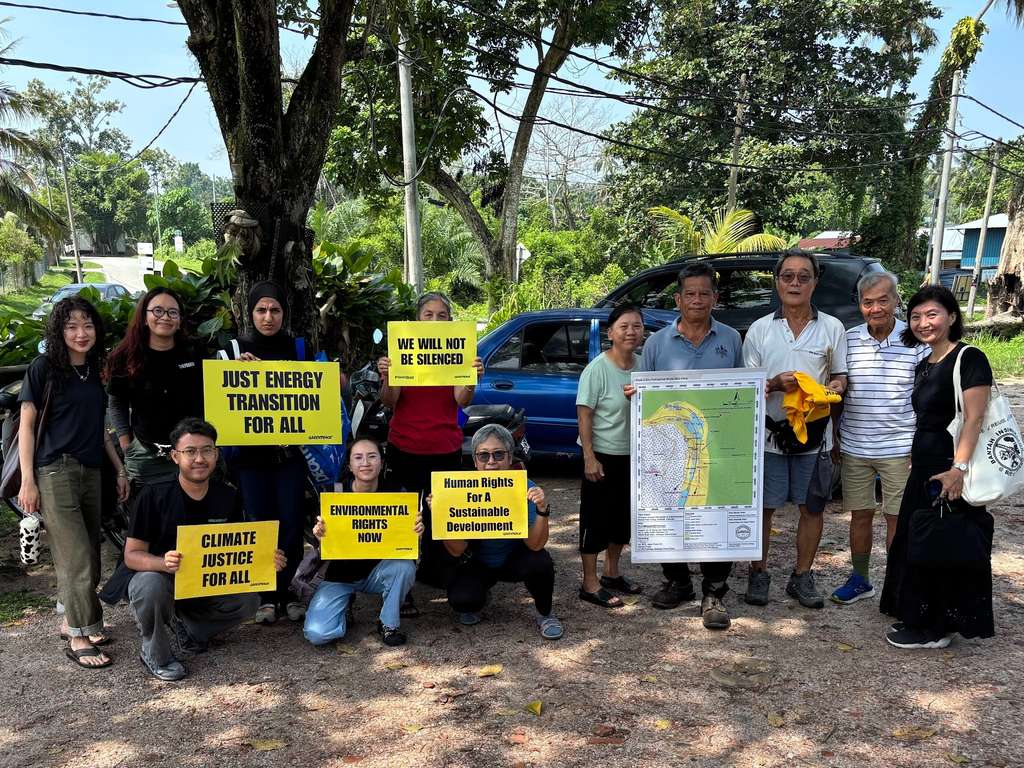
Fast forward to decades later, the Batu Arang community continues pushing back, this time against the WtE. Ahead of a festival in their town, some community members have put up banners and flyers, rejecting the proposed WtE incinerator, at their homes and other private property. Since 2023, they have been organising protests, partnering with researchers and civil society organisations and engaging in public participation processes.
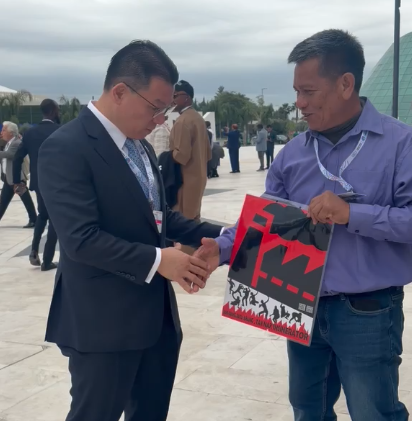
Feeling that their voices are still not heard, especially after the sixth version of the project’s environmental impact assessment (EIA) was approved, Mr Lai sold his land on behalf of the Batu Arang community, to fund a trip to COP31 in Antalya, Turkey. He met with the Minister of Housing and Local Government, YB Tuan Nga Kor Ming to show what the local community have been protesting about. This testifies to their resilience and spirit of community activism.
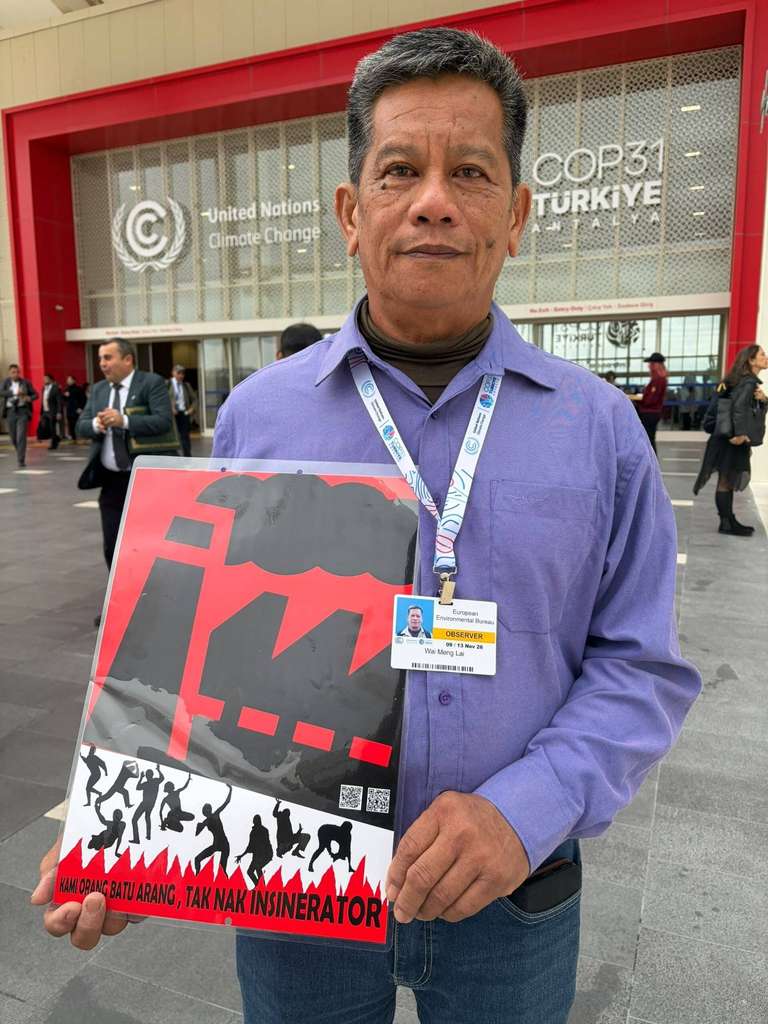
It’s important to note that residents are not against solving the waste problem. They are asking for solutions that start upstream: reducing waste at the source, limiting plastic consumption, expanding reuse and refill, and holding producers responsible.
A just transition, in their view, begins by cleaning up the old legacy before adding a new one.
Batu Arang gave the nation its coal. It should not be asked to give its health and the hopes of the younger generation. Hence, they are speaking out, building awareness and mobilising to define the visions of the town they want the next generation to inherit, and reclaiming the local community’s agency.