Forest and peatland fire haze fact sheet

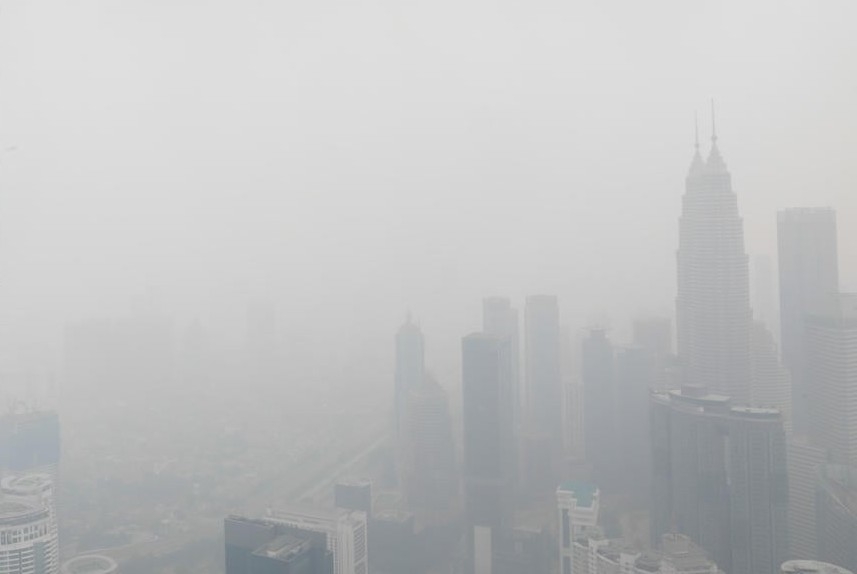
The impact of forest and peatland fires, and of the haze they cause, will not disappear overnight even though the rainy season has begun. Tens of millions of people in Indonesia and several Southeast Asian countries have breathed toxic air for months. States and corporations whose concessions have burned must take responsibility.
ASEAN needs a new approach to ensure that the problem of chronic haze does not recur over and over.
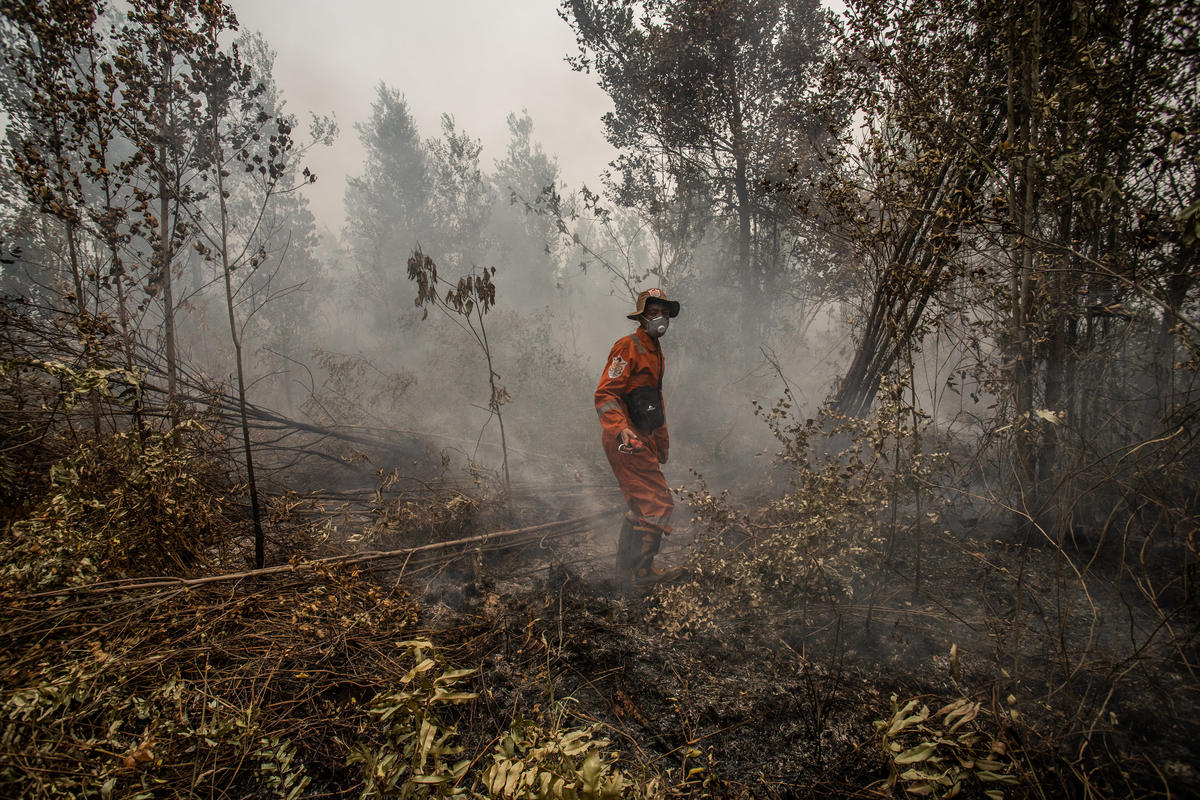
El Niño, which has arrived in Indonesia in the form of a long dry season accompanied by the eastern monsoon winds, is often blamed as the main contributor to forest and peatland fires. However, it is also no coincidence that the most intense haze sources, identified as the most significant, namely in the east of South Sumatra and the south of West Kalimantan and Central Kalimantan, are at the same time the sites of land-based extractive businesses for oil palm cultivation and monoculture industrial timber, which operate on peatland that is sensitive to drought and heat.

From year to year, that risk keeps rising as forest clearing and peatland drainage expand. The haze sources at those locations are also recurrent sources, in the major fires of 2015, 2019, 2023 and 2026. The locations are the same, but the interval between annual cycles is growing shorter and their reach is widening. It is as if the days on which people can breathe freely are growing shorter with each passing day.
The haze from forest and peatland fires that blankets ASEAN, season after season, in every long dry season can no longer be seen merely as a failure of businesses to manage their externalities. Haze that reaches a particular geographical, political and economic region is also not simply a natural disaster that could not be anticipated, but the result of destructive and poorly accountable natural resource governance that afflicts the region. This recurring and persistent pattern stems from the failure of the various legal measures provided by states, above all Indonesia, within their respective jurisdictions to change the behaviour of these business groups since 2015.