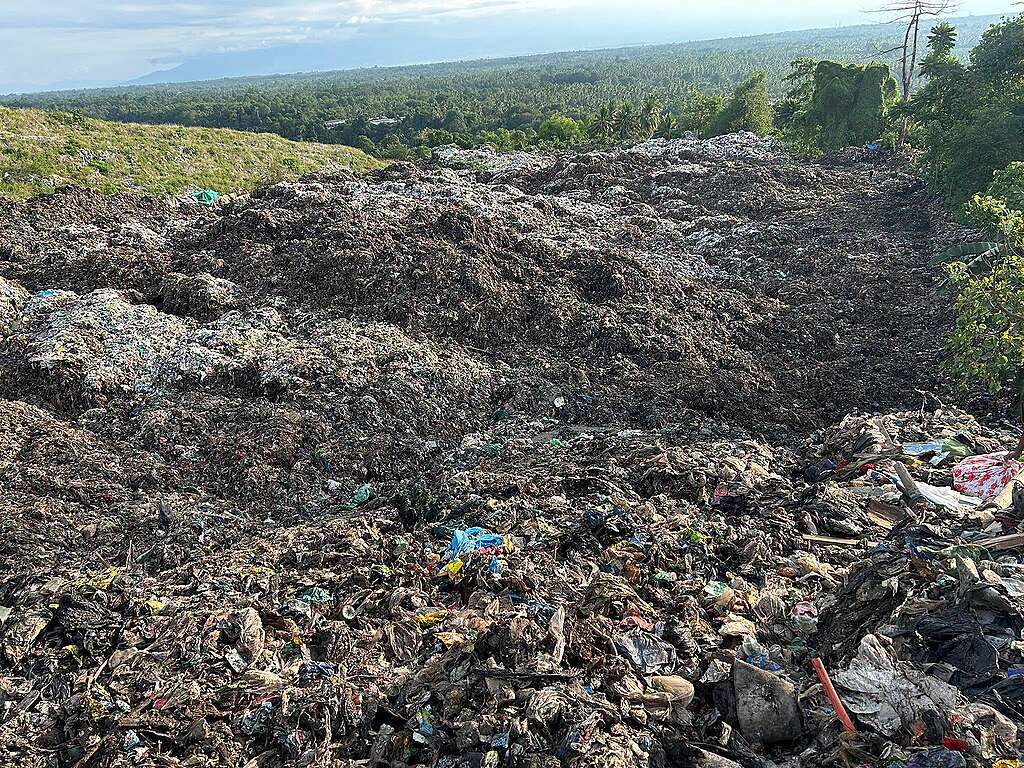
22 May 2026, Quezon City — Another landfill disaster has struck the Philippines, claiming one life, while two elderly individuals remain missing as of writing. The landfill collapse occurred in Barangay New Carmen, Davao City, where continuous rains in the area are being considered as the trigger for the trashslide.[1] This is the fourth landfill disaster to hit the Philippines this year, after the deadly trash slides in Cebu and Rizal, and the toxic landfill fire in Navotas which lasted for weeks.
Reacting to this, Greenpeace Philippines Campaigner Marian Ledesma said:
“This is beyond alarming. Four landfill tragedies in one year should have forced urgent government action by now, yet Filipinos are still left waiting. Environmental organizations, waste workers, and affected communities have warned time and again that as long as we ignore the root causes of this crisis, these landfill disasters will keep happening. We have repeatedly urged the Philippine government to show the political will necessary to confront the waste and plastic crises. Greenpeace Southeast Asia even took this urgent appeal directly to the opening of the 48th ASEAN Summit[2] where the role of corporate polluters in driving the crisis was largely absent from discussions, and our peaceful calls were met with arrests.[3] Despite the pressure to silence us, we will continue exposing the grim reality of our broken waste management system and pushing for a definitive end to this worsening plastic crisis.
“If President Marcos Jr. is sincere with his vow to be vigilant against landfill disasters,[4] the government should be proactive about addressing the worsening waste and plastic pollution crises. This current deluge of landfill disasters is the direct result of persistent gaps in policy enforcement and the failure to address plastic pollution at source.[5]
“The government can fully implement the Ecological Solid Waste Management Act of 2000 (RA 9003) to meet its waste prevention objectives through single-use plastic bans, waste segregation, and a comprehensive non-environmentally acceptable products and packaging (NEAPP) list which includes disposable plastics. The Philippine government should also enact legislation which mandates corporations to meet plastic reduction targets and transition to refill and reuse systems.
“President Marcos Jr.’s claim that there is little they can do is untrue. Solutions are at hand. Reuse models like refill systems are being adopted by small businesses and communities, reducing waste generated. Cities are implementing segregation at source and composting organic waste. We need strong policy frameworks to advance these safe and just solutions, and the political will to enforce policies and ensure proper implementation.
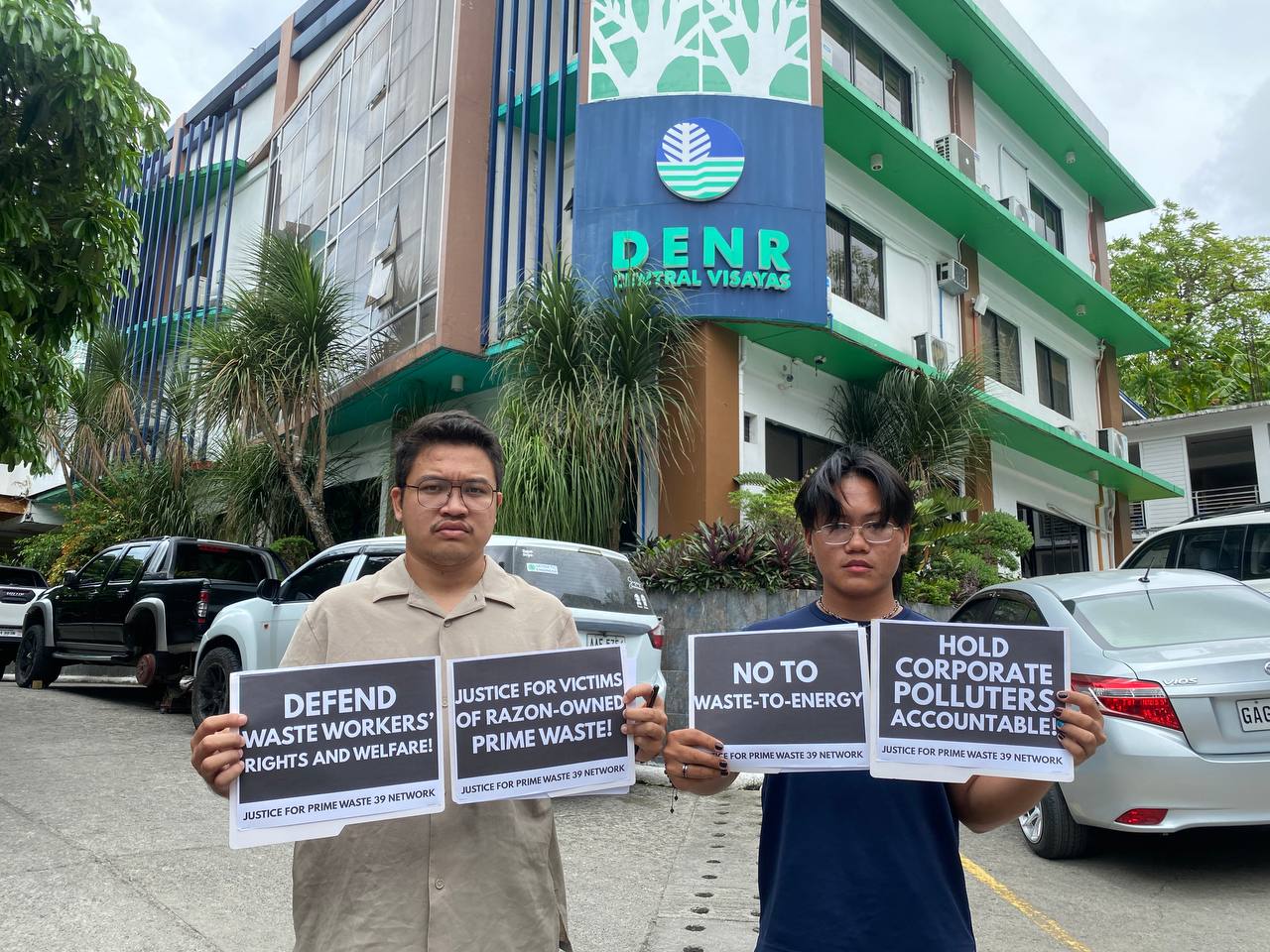
“What we don’t need are dangerous, false solutions like waste-to-energy incineration which emit toxic pollutants, including dioxins and furans—some of the most hazardous chemicals known to science. Instead of entertaining these costly false solutions, the government must mandate corporations to pivot toward systemic change by drastically cutting plastic production and scaling up in reuse systems which have been proven to yield both environmental and socioeconomic benefits.
“These tragedies are manifestations of systemic injustices. As what we have repeatedly seen in these landfill disasters, it is always the most vulnerable and underserved communities that pay the ultimate price, bearing the toxic burden of landfill pollution and the plastic crisis. Make no mistake. These disasters will only get worse and will happen again if our leaders fail to confront the corporations and systems that allowed us to be buried in waste. We already have the blueprint for reducing waste; what we desperately need is for our government’s urgency and will to act.”
###
Note to the editor:
[1] Davao City landfill collapse claims one life, two seniors missing | GMA News Online
[4] Marcos on Navotas fire: Smoke from burning plastic is dangerous
For more information and interview requests, please contact:
Karl Orit
Communications Campaigner
Greenpeace Southeast Asia – Philippines
[email protected] | +63 919 457 1064 (Viber & WhatsApp)