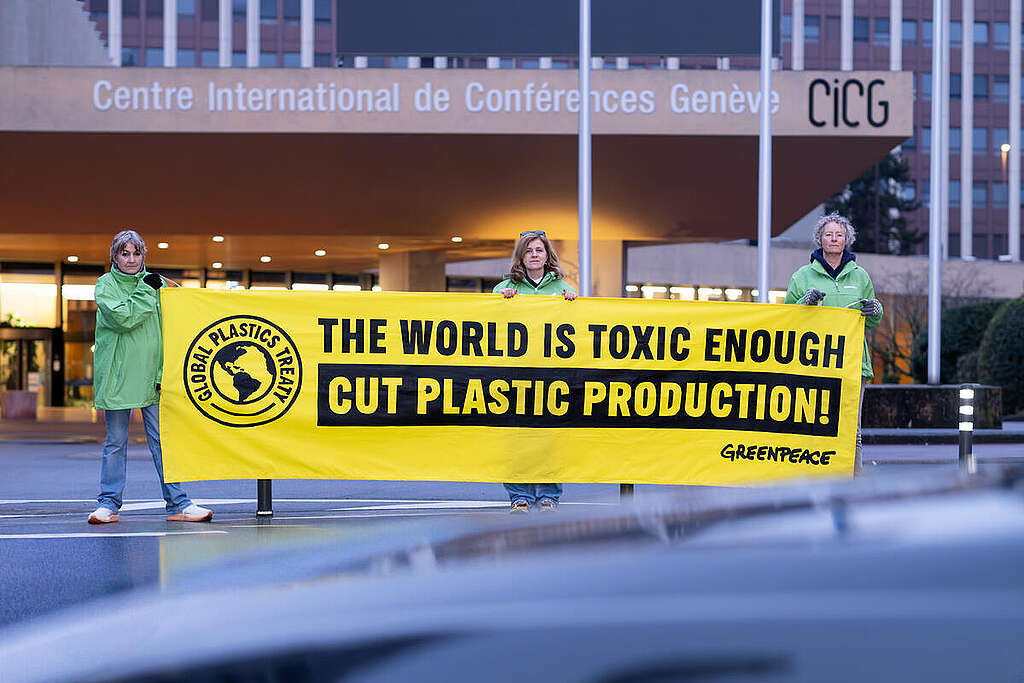
10 February 2026, Geneva, Switzerland / Quezon City, Philippines — Following the election of H.E. Ambassador Julio Cordano of Chile as the new Chair of the committee tasked with negotiating a Global Plastics Treaty, Greenpeace Philippines said the appointment must mark a turning point for the treaty talks and the start of a renewed effort to rebuild trust in the process, particularly for countries in the Global South already bearing the heaviest social, health, and environmental costs of plastic pollution. The election took place during the third installment of the Intergovernmental Negotiating Committee’s fifth meeting (INC5.3).
As negotiations continue to stall, the group believes that governments are losing precious time —plastic production continues to accelerate and waste is disproportionately dumped on communities like the Philippines, deepening inequality and exposing frontline communities to toxic pollution they did not create. Essential actions to end plastic pollution—phaseouts of single-use plastics, reuse and refill systems, corporations accountability—require strong policies at the global and national level.
Greenpeace Philippines’ Zero Waste Campaigner Marian Ledesma said:
“For countries like the Philippines, this process is already a matter of survival. Every delay has real consequences for Filipino communities living with the health, environmental, and social costs of plastic pollution.
“This new leadership must restore trust. Ambassador Cordano takes over treaty talks that are under serious strain after years of delay, while plastic pollution continues to choke communities, poison ecosystems, and threaten human health, especially in Global South countries like the Philippines that are forced to absorb the impacts of an industry driven by profit and overproduction. The new chair must be bold in restoring transparency and steering negotiations back to its original mandate: deliver a strong and effective Global Plastics Treaty that addresses the full life cycle of plastics and puts people and the planet first, not corporate interests. Addressing the plastic crisis at its source means tackling plastics from extraction to disposal, cutting plastic production, and holding polluters accountable.
“A weak treaty would only deepen injustice, locking the Philippines and other Global South countries into decades more of toxic exposure, waste dumping, relentless overproduction, and climate harm.
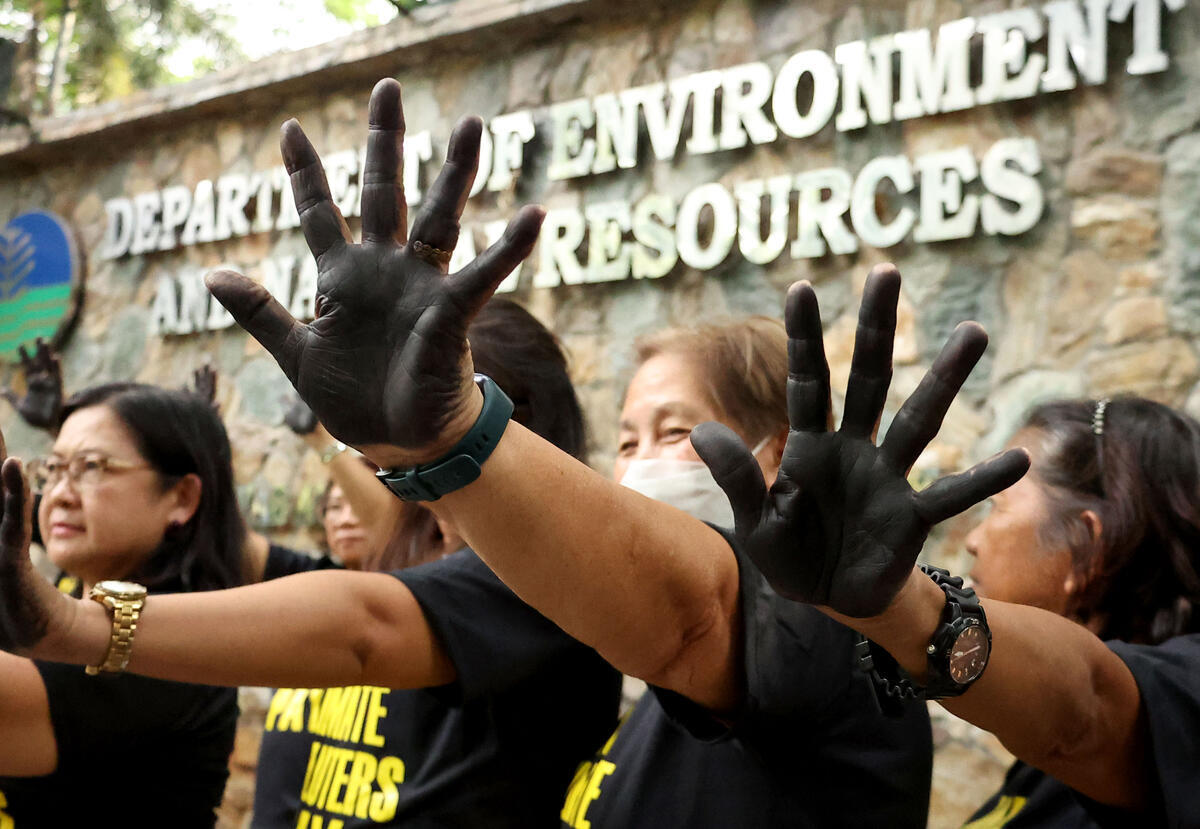
“As negotiations continue, the Philippine government—particularly the Department of Environment and Natural Resources—must match its strong positions in the previous treaty negotiations with real ambition at home. The Philippines cannot afford further delay. By regulating single-use plastics, scaling up reuse and refill systems, and holding plastic-polluting corporations accountable, the country can help lead a treaty grounded in justice, science, and the lived realities of frontline communities. Filipinos deserve a treaty and national regulations that protect people, not polluters.”
###
Photos are available in the Greenpeace Media Library.
For more information and interview requests, please contact:Karl Orit
Communications Campaigner
Greenpeace Southeast Asia – Philippines
[email protected] | +63 919 457 1064 (Viber & WhatsApp)