Reflections from the SEA of Solutions Forum 2025
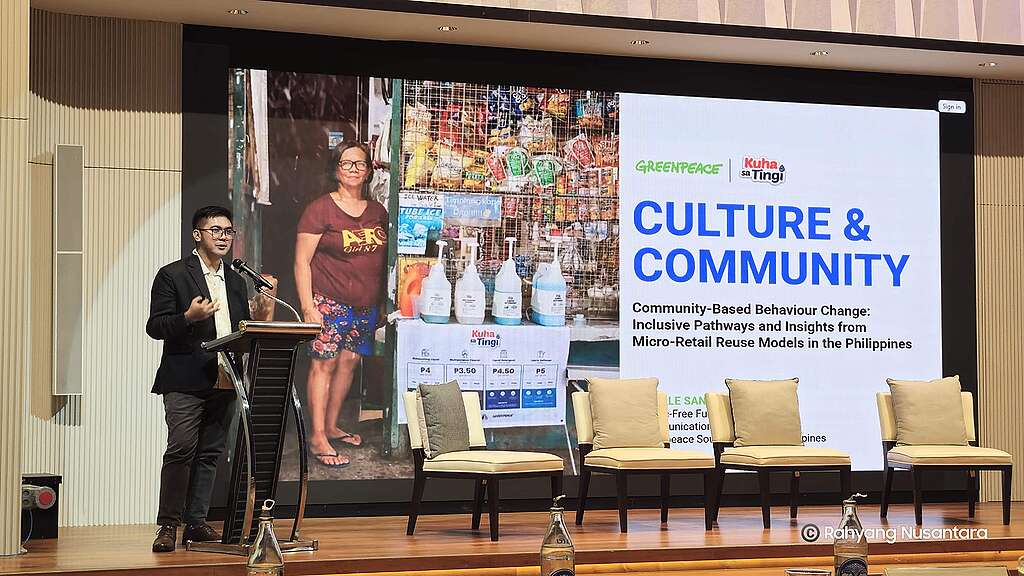
In conversations about plastic waste, behavior change is often described as simply a matter of motivation. If people care enough, the thinking goes, they will reduce plastic use. But insights from reuse projects in Southeast Asia tell a fuller story. People do care. They talk about waste with frustration and grief. They imagine a cleaner future for their communities. Many already try to minimize plastic where they can. The barrier is not simply willingness. It is structure. Behavior does not reflect values alone. It reflects the systems people live in.
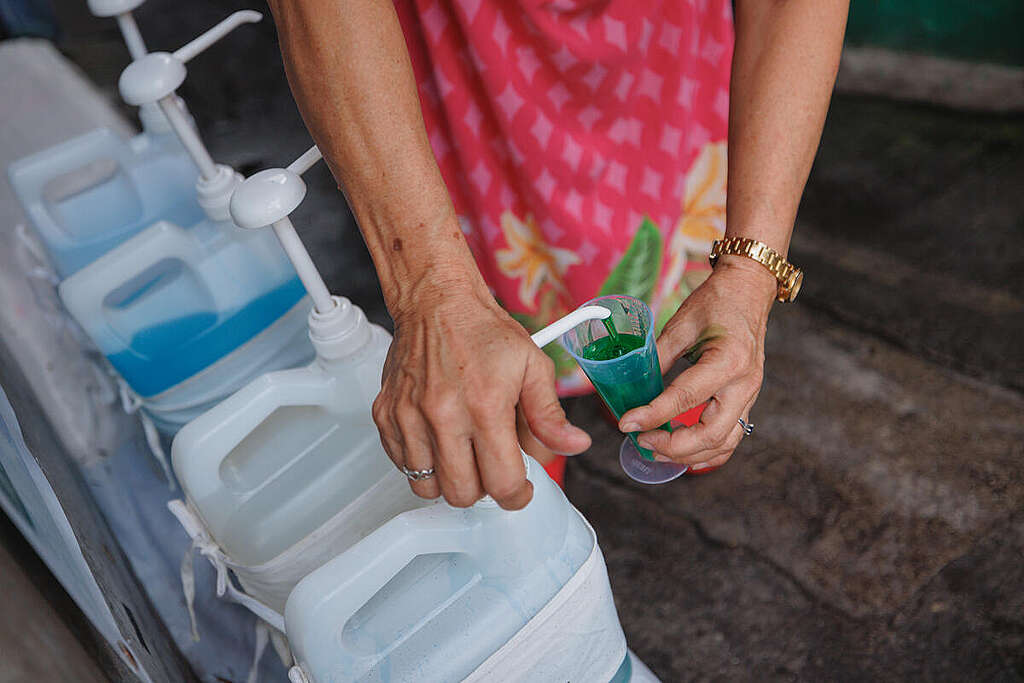
Our research for our refill project, Kuha sa Tingi, made this visible. We saw how behavior operates inside daily pressures. People buy what fits their income and time. When budget and schedule are tight, the easiest choice wins. Single-use plastics spread because they matched these pressures: cheap price points, availability across remote areas, and alignment with small, frequent purchasing habits. These factors shaped consumption long before sustainability became a concern.
This is why behavior change efforts must expand beyond awareness. Campaigns matter, but they cannot carry the transition alone. If systems stay the same, motivation will continue to collide with economic and logistical realities. People may want alternatives, yet face long travel distances to reach them. They may want sustainable packaging, yet salaries leave little room for price premiums. Even seemingly committed individuals will hesitate to practice reuse or refill when products are inaccessible or socially unfamiliar.
Across the region, emerging reuse initiatives are showing a different path, including our work with Kuha sa Tingi. Some are placing refill options in familiar settings, such as neighborhood stores. Others are aligning with local purchasing rhythms. These models build on trusted relationships and existing habits. People adopt new practices when change feels like their own idea and comes from people they already trust. Sustainability must be a story everyone can see themselves in. This insight offers direction as governments and businesses explore wider reuse systems.
Structural conditions also determine who benefits from the transition. Conversations at the SEA of Solutions Forum highlighted the role of informal workers, women, youth, and micro, small, and medium enterprises in waste and reuse ecosystems. Their networks already support zero-waste solutions across communities, yet policies often overlook them. Placing reuse systems on stronger and more inclusive social foundations must involve recognizing their knowledge and ensuring they are part of decision-making. People’s lived realities must always be at the center of the design.
Asia is rich with models that work. Small islands have rolled out zero-waste measures. Cities are piloting reuse systems. Waste workers are organizing and sustaining recovery systems on the ground. The pattern is clear. Solutions are here. Scaling them depends on enabling policies, functioning infrastructure, stable supply chains, and access to shared data.
Behavior change remains essential. It shapes norms and long-term culture. But lasting change depends on people-centered design. If reuse systems are affordable, accessible, familiar, and socially supported, people will adopt them without needing to perform environmental virtue.
Awareness alone will not translate into behavior change when structural constraints remain unchanged. The transition toward plastic-free systems must call for both intention and architecture, especially from governments and plastic-producing corporations. People are ready to choose differently. It is time to build systems that let them.
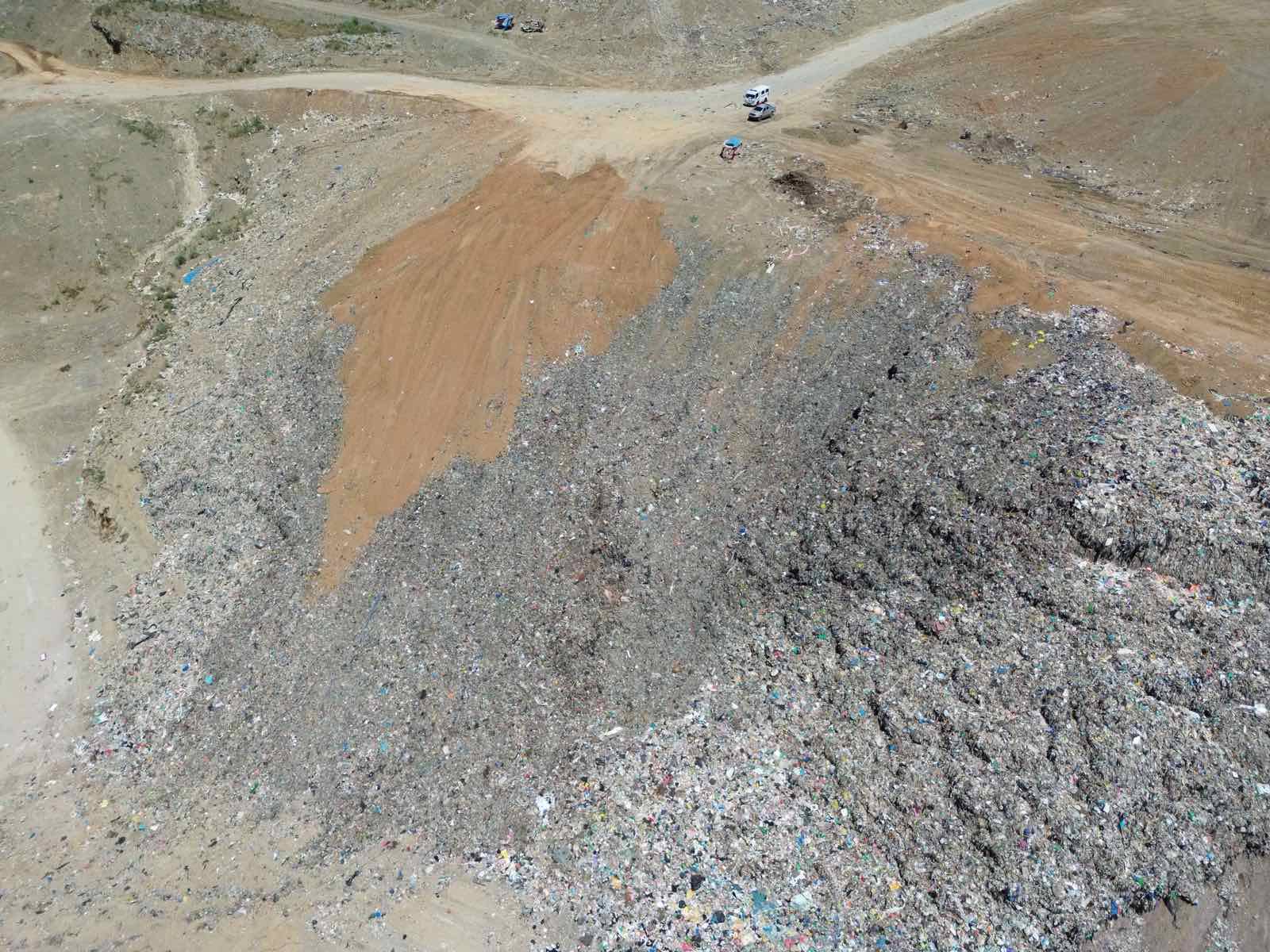
According to the United Nations, around 36% of all plastic used globally goes into packaging, while around a third of all plastic packaging leaks in the environment. Reuse systems could cut plastic pollution by 30% by 2040 and bring down greenhouse gas emissions.
TAKE ACTIONEunille Santos is the Communications Lead of the Plastic-Free Future Campaign of Greenpeace Philippines. He is currently pursuing a Master of Science in Development Communication at the University of the Philippines, focusing on community-centered, participatory approaches to sustainability and gender.