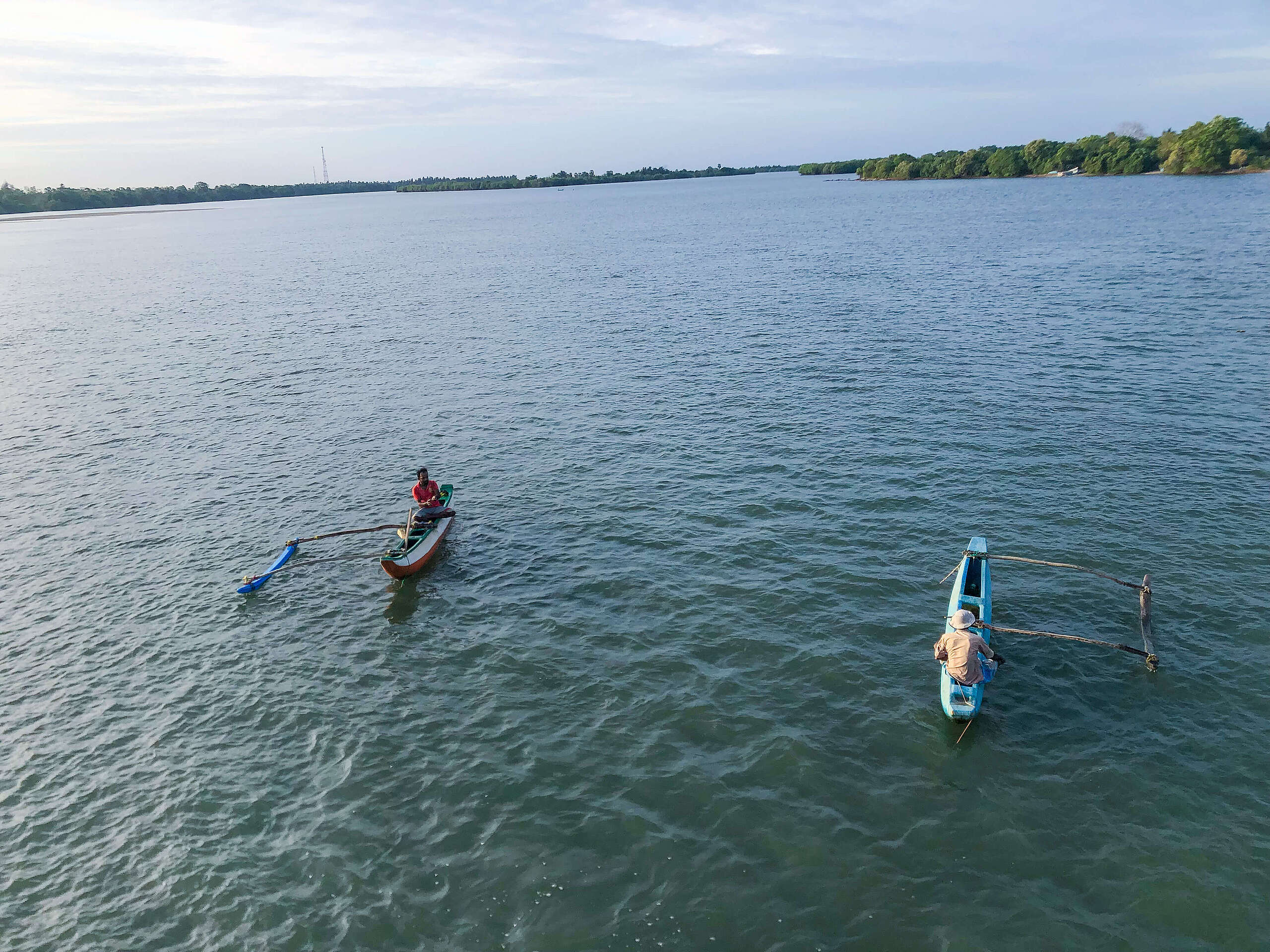
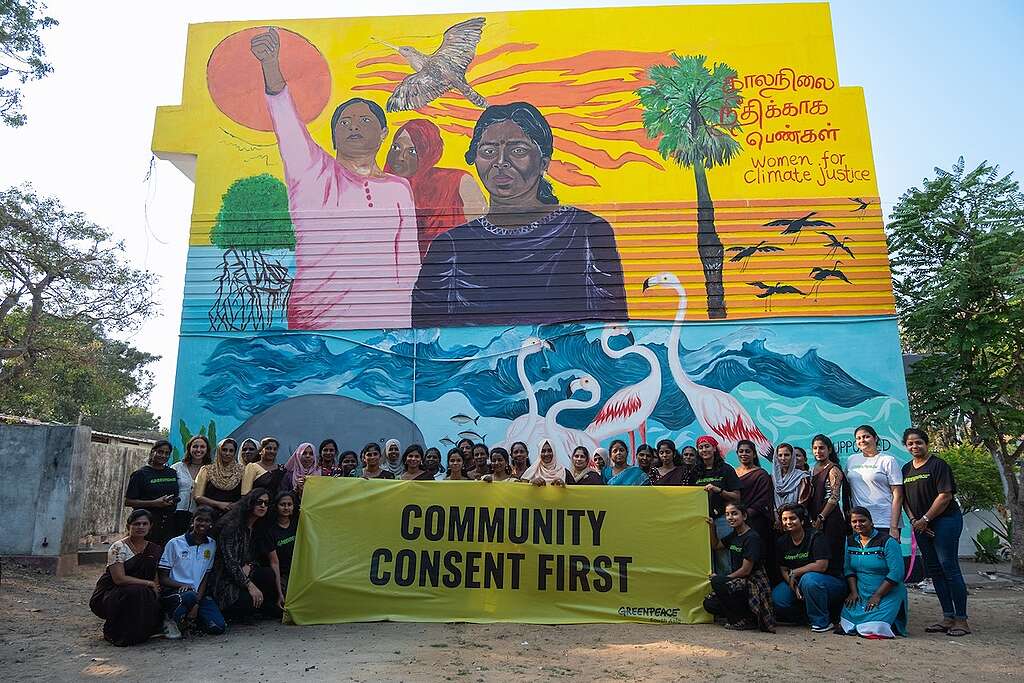
Colombo, 25th August 2026 – Following a meeting with Fisheries Minister Ramalingam Chandrasekar on 17th August, a formal letter was delivered by Greenpeace South Asia to the Minister in person, to governmental agencies and the main parliamentary leader representatives, calling on the Sri Lankan government to establish stronger mechanisms for the Free, Prior and Informed Consent (FPIC) of Indigenous Peoples and Local Communities before decisions are taken on coastal development, conservation and land use.
The call comes as Sri Lanka considers new regulations to safeguard the traditional rights of Indigenous communities in national parks and protected areas.1 Greenpeace South Asia says similar protections must extend to coastal and marine areas, where communities have longstanding relationships with and dependence on ecosystems, fisheries and natural resources. Important elements for upholding the rights of Local Communities, such as recognising traditional knowledge, tenure access rights and their sustainable management of natural resources, remain a challenge for many, especially in coastal areas.
“Communities cannot be invited to consultations after decisions have already been made. If Sri Lanka is serious about conserving its marine resources, the people who have protected and depended on coastal ecosystems for generations must have a meaningful say in what happens to them,” said Anita Perera, Campaigner, Greenpeace South Asia.
In many situations, communities are being pushed out, ignored, and actively harmed by state-sanctioned industrial developments and extractive industries. By consistently prioritising corporate profit and extractivism, and by starving community-led conservation or participatory approaches of critical support for the benefit of local economies, Sri Lanka is fundamentally failing to meet its international commitments.
Greenpeace is calling on the government to establish Free, Prior, and Informed Consent mechanisms for local communities before major decisions affecting their lands, waters and livelihoods are made. The organisation says that recognising traditional ecological knowledge, customary access and tenure rights, and community-led governance can strengthen both conservation and the livelihoods of coastal communities.
1 World Indigenous Peoples’ Day: New Regulations Introduced to Safeguard Indigenous Rights.
Media Contacts:
Shanuka Kadupitiyage
Greenpeace South Asia, Media Officer
[email protected] || +94 72 644 4770
Anita Perera
Greenpeace South Asia, Campaigner
[email protected] || +94 773925597
Available for Media:
- Global Ocean Justice Now: Making the Case for a Human Rights-Based Approach to Marine Conservation
– English copies of the Report and Executive Summary
– Sinhala copy of the Executive Summary and Sri Lankan case study
– Tamil copy of the Executive Summary and Sri Lankan case study - Letter for the Sri Lankan Government to consider Indigenous Peoples and Local Communities’ Free, Prior and Informed Consent mechanisms in the conservation and management of coastal areas.