• Skip to Navigation
  • Skip to Content
  • Skip to Footer
Greenpeace
  • What We Do
    • Climate and Energy
    • Forests
    • Oceans
    • Plastic Pollution
  • About Us
    • How We Create Change
    • History And Achievements
    • Greenpeace Ships
    • Greenpeace Careers
    • Contact Us
  • Act Now
    • Volunteer
    • Living Green Guides
  • News and Stories
    • Press Desk
    • Latest Publications
    • Our Fundraising Principles
  • What We Do
  • About Us
  • Act Now
  • News and Stories
Greenpeace
  • Home
  • What We Do
    • Climate and Energy
    • Forests
    • Oceans
    • Plastic Pollution
  • About Us
    • How We Create Change
    • History And Achievements
    • Greenpeace Ships
    • Greenpeace Careers
    • Contact Us
  • Act Now
    • Volunteer
    • Living Green Guides
  • News and Stories
    • Press Desk
    • Latest Publications
  • DONATE
    • Our Fundraising Principles

News & Stories

  • Plastic Crisis
    Health Malaysia

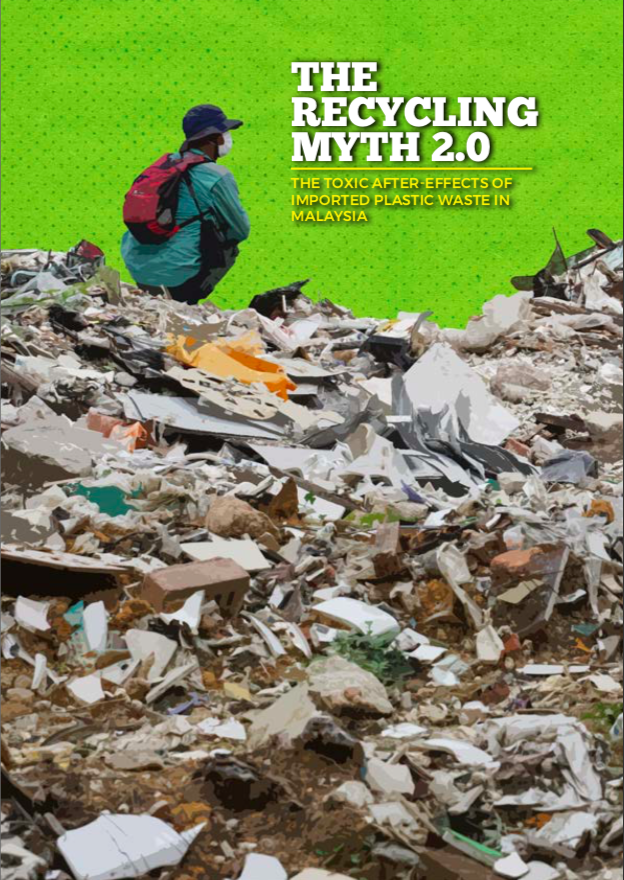
    THE RECYCLING MYTH 2.0: The Toxic After-Effects of Imported Plastic Waste in Malaysia

    A joint investigation was carried out last year by Greenpeace, revisiting several locations suspected to have onsite imported plastic waste to find out the lasting environmental and health impacts of the imported plastic waste trade.

    Greenpeace Southeast Asia
    June 2, 2020
  • Air Pollution
    Haze Thailand

    Maize, Land Use Change, and Transboundary Haze Pollution

    Both the PM2.5 and transboundary haze pollution are directly related to the growth of monoculture agriculture in Thailand and in the neighboring countries. There is evidence that maize pricing varies with the number of fire hotspots. When there is a high demand for maize, there is also a higher number of hotspots.

    Greenpeace Southeast Asia
    May 26, 2020
  • Overfishing
    Fishers' Right

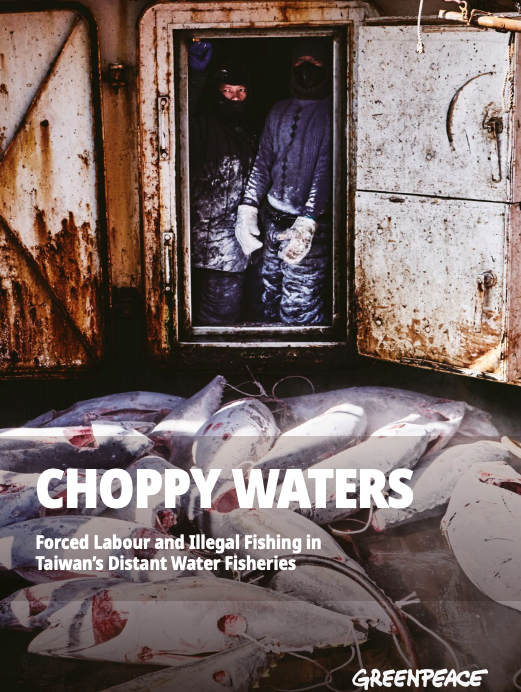
    Choppy Waters: Forced Labour and Illegal Fishing in Taiwan’s Distant Water Fisheries

    This report is based on a 2019 investigation conducted by Greenpeace East Asia, involving interviews with migrant fishers from three fishing vessels that were either flagged or linked to Taiwan. We found that IUU fishing and forced labour, allegedly, still continue to happen aboard Taiwanese fishing vessels operating in the Atlantic Ocean.

    Greenpeace East Asia
    March 19, 2020
  • Nature
    Climate Air

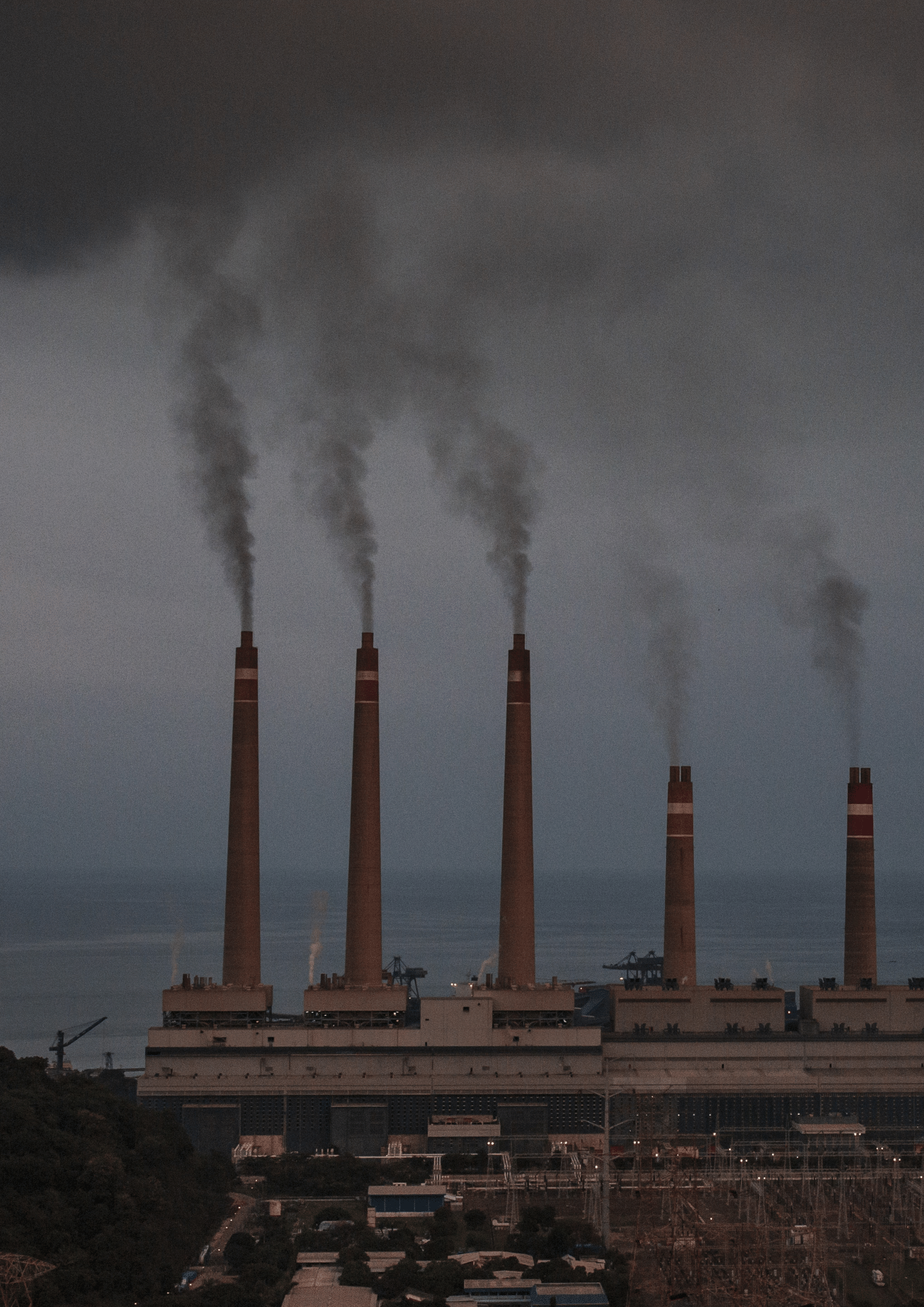
    Toxic Air: The Price of Fossil Fuels (Full Report)

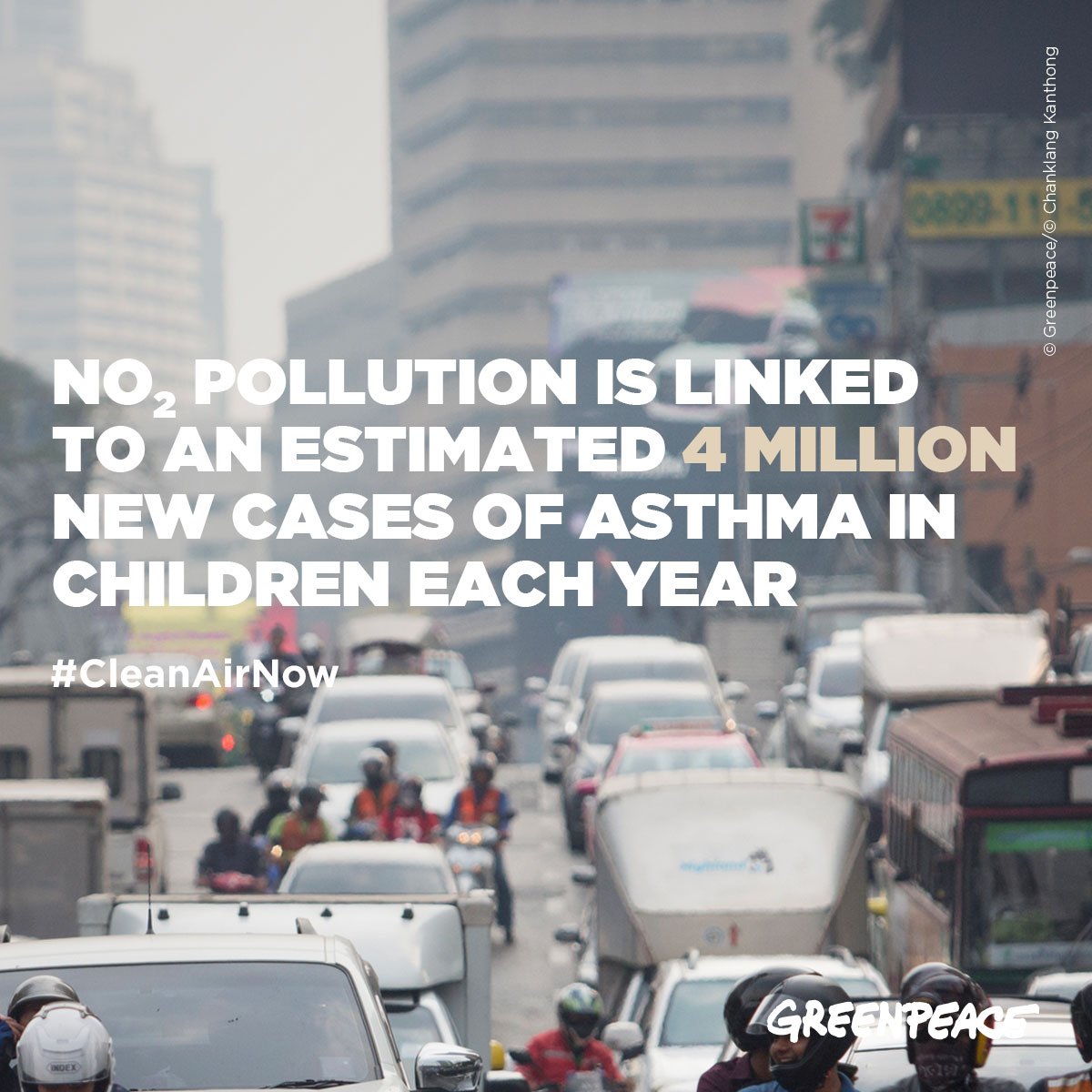
    This report reveals the cost of air pollution from fossil fuels and highlights solutions that can protect our health and benefit our communities. Air pollution generated from burning fossil fuels is attributed to approximately 4.5 million premature deaths worldwide every year, the report shows. Air pollution increases the incidence of chronic and acute illnesses and…

    Greenpeace Southeast Asia
    February 12, 2020
  • Oceans
    Consumption Oceans ASEAN

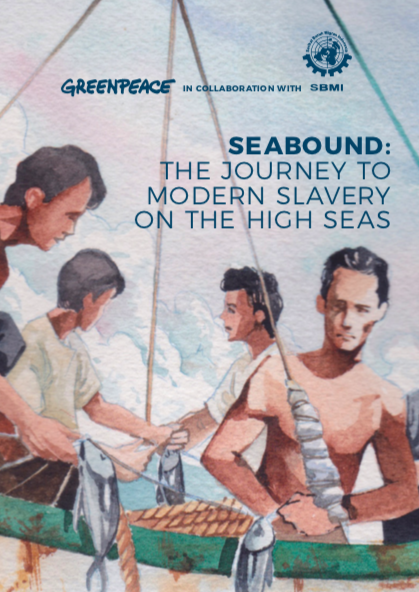
    Seabound: The Journey to Modern Slavery on the High Seas

    For several years now, international media has shone a spotlight on the inhumane working conditions of migrant fishers from Southeast Asia. The vessels they work on reportedly use destructive, illegal, and unreported methods, which take a heavy toll on the health and viability of our already fragile oceans.

    Greenpeace Southeast Asia
    December 9, 2019
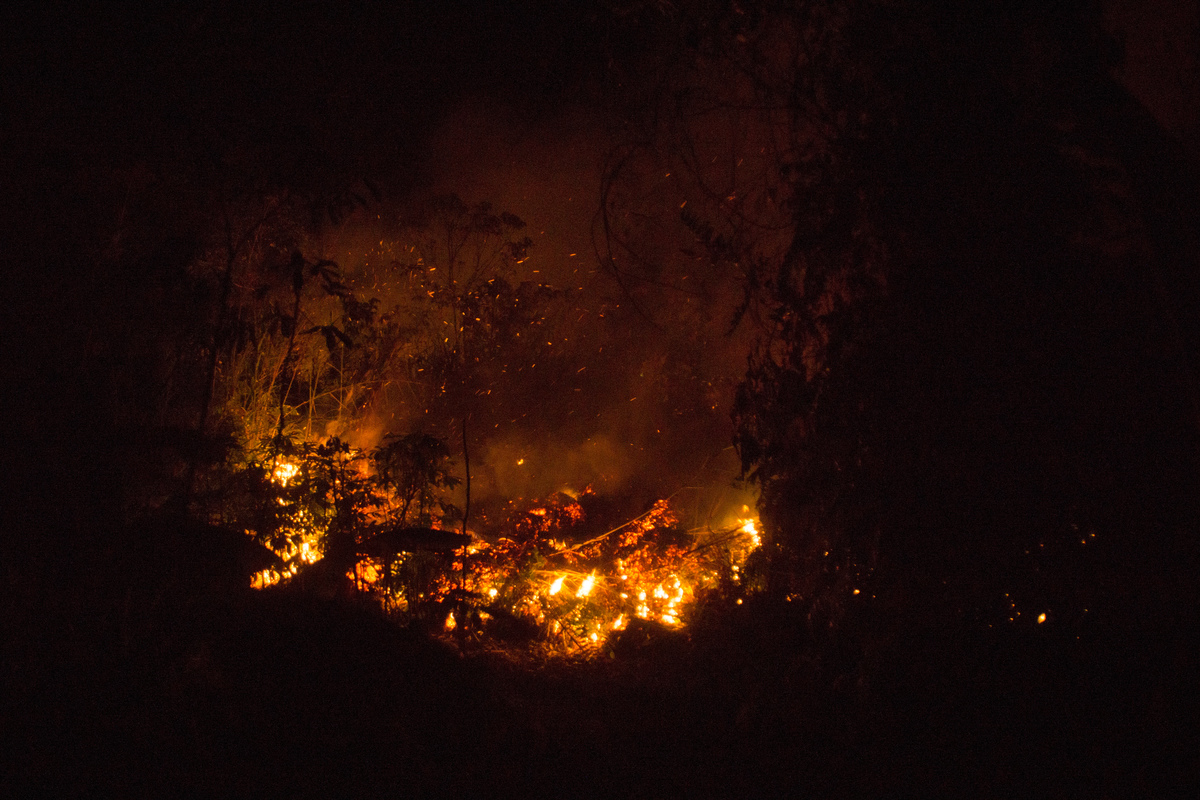
  • Indonesia Forest Fires. © Ardiles Rante / Greenpeace
    Deforestation
    Climate Consumption Forests Palm Oil

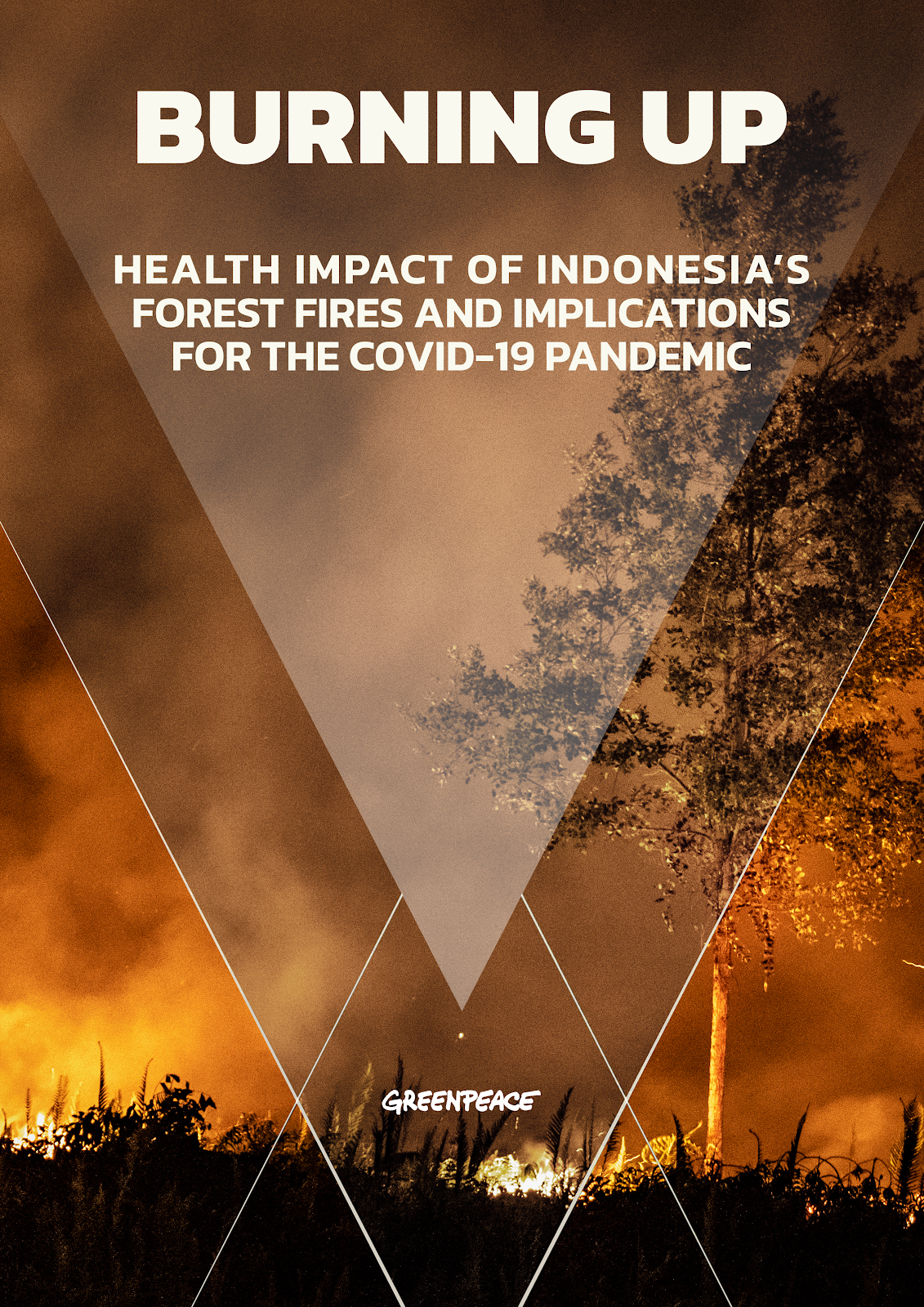
    Indonesian Forest Fires Crisis: Palm oil and pulp companies with largest burned land areas are going unpunished 

    A total of 3,403,000 hectares (ha) of land burned between the years 2015 and 2018 in Indonesia, according to analysis of official government burn scar data. In 2015 alone more than 2,600,000 ha of land burned. The fires that ravaged Indonesia in 2015 are considered one of the greatest environmental disasters of the 21st century…

    Greenpeace Southeast Asia
    September 24, 2019
  • Air Pollution
    RenewableEnergy Air Climate Coal Health

    Double Standard: How Japan’s Financing of Highly Polluting Overseas Coal Plants Endangers Public Health

    'Double Standard Report' reveals the deadly consequences of the double standard, in terms of premature deaths caused by air pollution, and evaluates how many of those deaths could be avoided if the projects funded by Japan overseas applied the same emission limits as the new coal power plants in Japan.

    Greenpeace Southeast Asia
    August 20, 2019
  • Plastic Crisis
    Consumption Plastic ASEAN

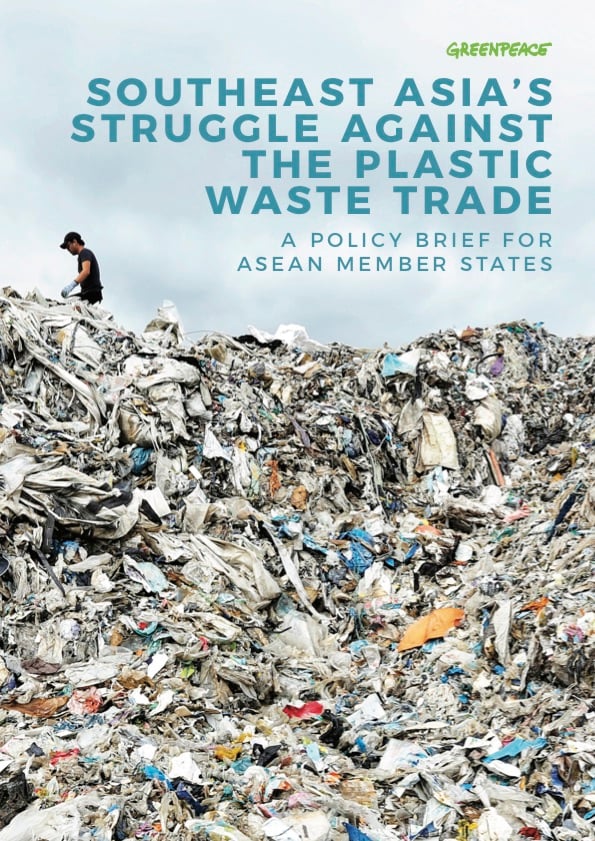
    Policy Brief: Southeast Asia’s struggle against the plastic waste trade

    As leaders from the 10 countries that make up the Association of Southeast Asian Nations (ASEAN) prepare to meet in Bangkok for the 34th ASEAN Summit this June, it is perhaps surprising to note that the issue of plastic waste imports does not currently feature on the three-day agenda. Indeed, the last year has seen…

    Greenpeace Southeast Asia
    June 18, 2019
  • Protest at Thai Union Headquarters in Thailand. © Baramee  Temboonkiat / Greenpeace
    Oceans
    Oceans Tuna Consumption

    From Sea to Can: 2018 Southeast Asia Canned Tuna Ranking Report

    Greenpeace is running an international campaign to steer the global tuna industry towards more environmentally and socially responsible sourcing.

    Greenpeace Southeast Asia
    December 5, 2018
  • Greenwashing
    Plastic

    The Recycling Myth

    In many places a waste management system exists that claims to dispose, incinerate or recycle collected plastic waste. In reality, most of the plastic waste generated in high-income countries is transported to low- and middle- income countries, where the plastic waste is imported to be recycled or further processed.

    Greenpeace Southeast Asia
    November 27, 2018
Prev
1 2 3 4 5 6
Next
  • Greenpeace International
  • A
    • Africa
      • English •
      • Français
    • Aotearoa
    • Argentina
    • Australia
    • Austria
  • B
    • Belgium
      • Français •
      • Nederlands
    • Brazil
    • Bulgaria
  • C
    • Canada
      • English •
      • Français
    • Chile
    • Colombia
    • Croatia
    • Czech Republic
  • D
    • Denmark
  • E
    • East Asia
      • 中文简体 •
      • 繁體 •
      • 正體 •
      • 한국어 •
      • English
    • European Union
  • F
    • Finland
    • France
  • G
    • Germany
    • Greece
  • H
    • Hungary
  • I
    • India
      • English •
      • Hindi
    • Indonesia
    • Israel
    • Italy
  • J
    • Japan
  • L
    • Luxembourg
      • Deutsch •
      • Français
  • M
    • Malaysia
    • Mexico
    • Middle East and North Africa
      • العربية •
      • English •
      • Français
  • N
    • Netherlands
    • Norway
  • P
    • Peru
    • Philippines
    • Poland
    • Portugal
  • R
    • Romania
  • S
    • Slovakia
    • Slovenia
    • South Asia
    • Southeast Asia
    • Spain
      • Español •
      • Català •
      • Euskara •
      • Galego
    • Sweden
    • Switzerland
      • Deutsch •
      • Français
  • T
    • Thailand
    • Turkey
  • U
    • UK
    • Ukraine
    • USA
Follow us
  • Facebook
  • Twitter
  • YouTube
  • Instagram
  • LinkedIn
  • Press Desk
  • Jobs
  • Contact Us
  • Sitemap
  • Privacy and Cookies
  • Copyright
  • Terms
  • Community Policy
  • FAQs
  • Archive
Greenpeace Southeast Asia 2025 Unless otherwise stated, the copy of the website is licensed under a CC-BY International License

Manage your cookies preferences

Please select which cookies you are willing to store.

User-experience cookies Always enabled

These cookies will provide you a better experience of our website. You will be able to hide the cookies acceptance banner and use the website features better. The non-acceptance of these cookies will give you a cookie-free experience.

These cookies help improving the performance of Greenpeace.org. They are set to collect data such as how long users stay on a page or which links are clicked. This helps us make better content based on your experience navigating the website.

We use cookies to enhance your experience. By accepting the cookies,  you agree to our Privacy & Cookies Policy. You can change your cookies settings anytime.