
As 2024 comes to a close, together we can reflect on a year that tested our determination, strengthened our resolve, and showcased the power of collective action. From vibrant nonviolent protests and on-the-ground community work to bold campaigns and policy wins, every moment of this year tells a story of resilience and action.

Here’s a look back at some of the most impactful moments at Greenpeace Southeast Asia, captured in pictures:

Achieving Change Through People Power

Thai civil society led by the Environmental Law Foundation (EnLaw), Ecological Alert and Recovery (EARTH), and Greenpeace Thailand submitted 12,165 signatures to lobby for the Pollutant Release and Transfer Register (PRTR) law. Gathering in front of the Parliament House, representatives held a jigsaw banner with the message "A healthy environment requires PRTR" urging Prime Minister Srettha Thavisin to table the proposed PRTR law to the House of Representatives meeting.

Change is possible when people come together. In 2024, thousands joined Greenpeace Thailand, the Environmental Law Foundation (EnLaw), and Ecological Alert and Recovery (EARTH) to push for the PRTR law through collective action. Learn more
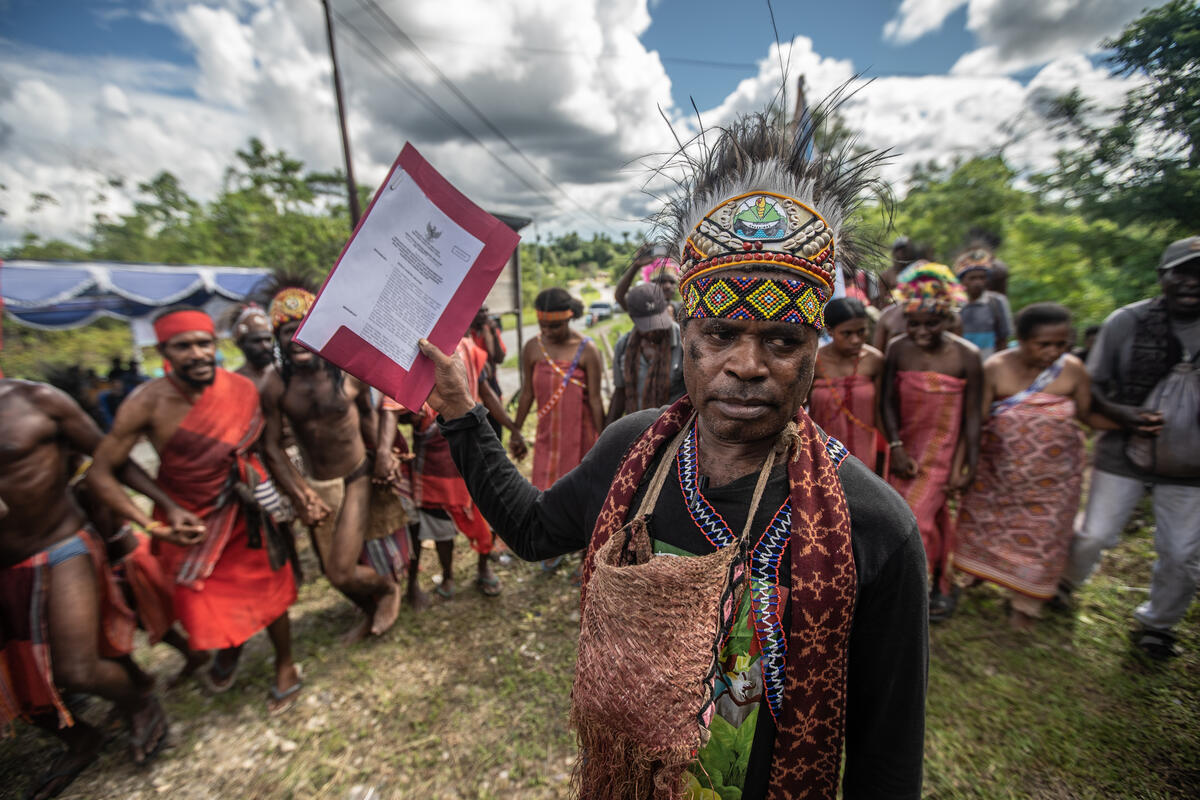
Chair of Indigenous People Fellowship Council Fredik Sagisolo (right) holds a decree letter as they celebrate during a ceremony in Teminabuan, South Sorong, Southwest Papua. Indigenous Tehit-Knasaimos people have title over their traditional land recognized by Indonesian law. The decree is issued by the South Sorong Regency of Southwest Papua Province on 6 June 2024.

After decades of resistance, we celebrated with the Knasaimos Peoples of Tanah Papua as they achieved a historic victory, receiving legal recognition of their customary land rights, safeguarding vital rainforests. Learn more.
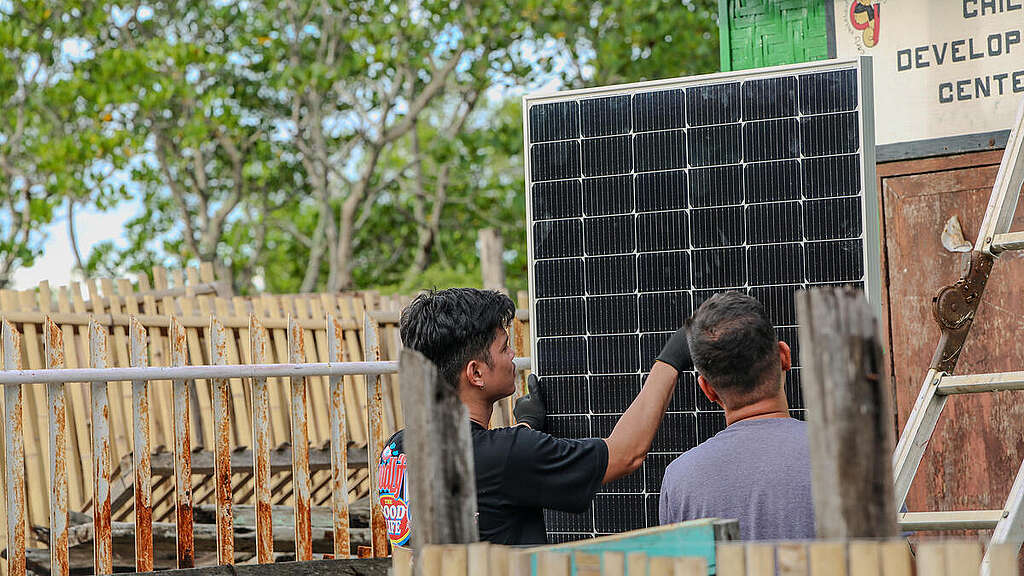
Residents of Bilangbilangan and Batasan Islands, with support of local government units and Greenpeace have installed solar panels and charging stations to strengthen their climate response capabilities and transition away from fossil fuel dependence.

Bohol was among the areas worst hit by Super Typhoon Odette (International name “Rai”) in 2021, suffering 41.6 billion pesos in damages to infrastructure, the economy, and other critical sectors including development administration, social, environment, and private sector. For months, the province was without electricity, crippling water supply, communication, mobility, and economic activity.

To this day, the islands have not fully recovered. Power supply remains intermittent, leaving the communities vulnerable to extreme heat during summer and at risk of isolation should a tropical cyclone cut off energy for days.

Greenpeace Malaysia and the Philippines led initiatives that empowered local communities to take action for a cleaner, greener future.
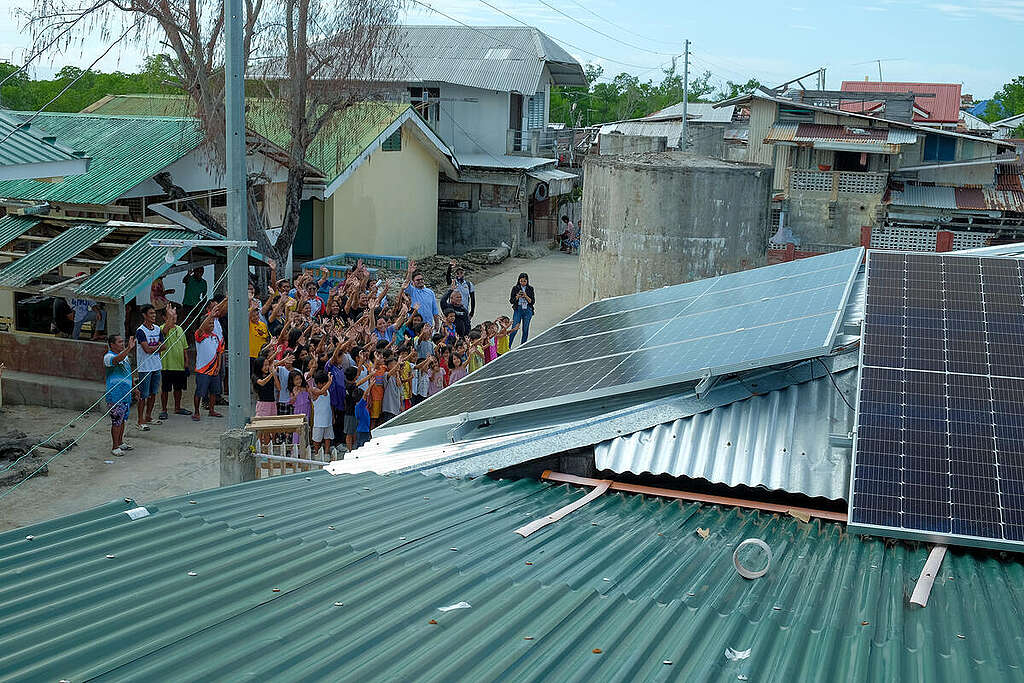
Residents of Bilangbilangan and Batasan Islands, with support of local government units and Greenpeace have installed solar panels and charging stations to strengthen their climate response capabilities and transition away from fossil fuel dependence.

Bohol was among the areas worst hit by Super Typhoon Odette (International name “Rai”) in 2021, suffering 41.6 billion pesos in damages to infrastructure, the economy, and other critical sectors including development administration, social, environment, and private sector. For months, the province was without electricity, crippling water supply, communication, mobility, and economic activity.

To this day, the islands have not fully recovered. Power supply remains intermittent, leaving the communities vulnerable to extreme heat during summer and at risk of isolation should a tropical cyclone cut off energy for days.
© Victor Kintanar / Greenpeace

In the Philippines, residents of Bilangbilangan and Batasan Islands, supported by Greenpeace and local governments, installed solar panels and charging stations, boosting climate resilience and reducing fossil fuel dependence. Learn more
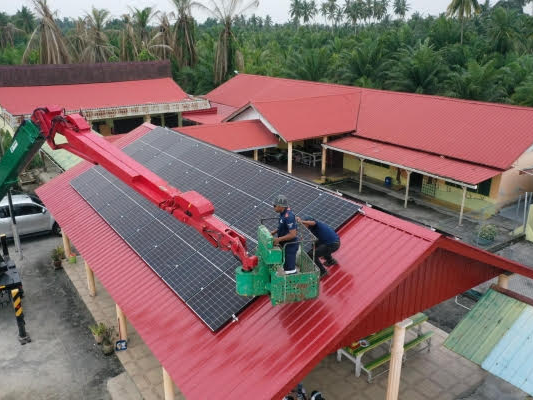
Solarising installation at a welfare home in Sabak Bernam, Malaysia.

On the other hand, Greenpeace Malaysia launched its first Solarising Project at the Sekendi Welfare Home in Sabak Bernam, Malaysia. The solar panels reduce monthly utility costs by RM900, with savings redirected to enhance the living and learning spaces of 21 children. Learn more

Taking Bold Actions for a Greener Future
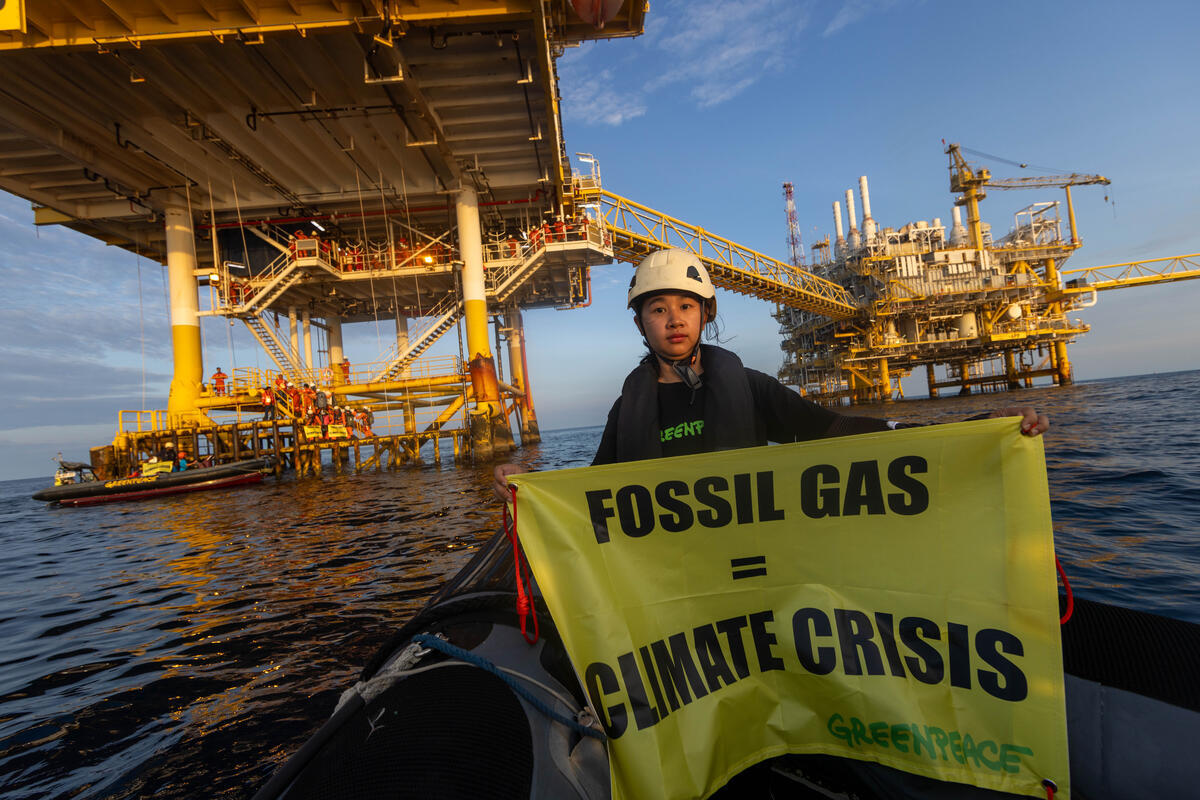
Alliya Moun-Ob, Greenpeace Thailand campaigner carries a hand banner with a message “Fossil Gas = Climate Crisis”at the Arthit fossil gas field to highlight the fossil industry’s greenwashing.

The Arthit fossil gas field is operated by PTTEP It will be the site of Thailand's first offshore carbon capture and storage project. It is expected to begin operations in 2027.

Greenpeace Thailand calls on PTTEP to hold accountable for its contribution to the climate crisis by stopping this carbon capture and storage project immediately.

Greenpeace Southeast Asia led bold campaigns to challenge systems that harm the environment and accelerate the fight for climate justice. From tackling fossil fuel dependence to promoting urgent climate actions, our teams worked tirelessly to push for sustainable solutions.
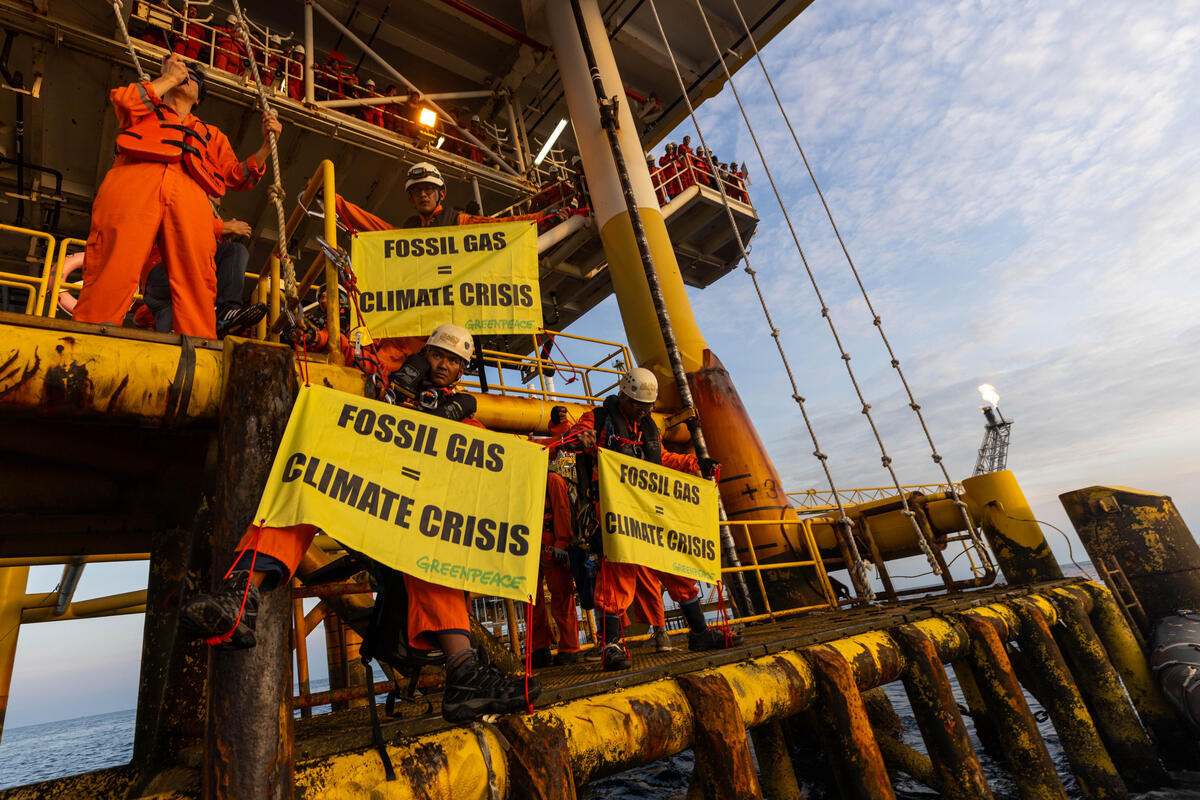
Activists from Greenpeace flagship Rainbow Warrior conduct a peaceful protest against a proposed carbon capture and storage(CCS) site at the Arthit fossil gas field located in the Gulf of Thailand’s exclusive economic zone.
The Arthit fossil gas field is operated by PTTEP.  It will be the site of Thailand's first offshore carbon capture and storage project. It is expected to begin operations in 2027.
Greenpeace Thailand is calling on PTTEP to hold accountable for its contribution to the climate crisis and demand to stop this carbon capture and storage plan immediately.
© Greenpeace

Activists from Greenpeace Thailand aboard the Rainbow Warrior carried out a peaceful banner protest at the proposed offshore Carbon Capture and Storage site in Thailand’s Arthit gas field, calling out the fossil fuel industry’s greenwashing. Learn more

Greenpeace Thailand activists unfurl a 10x10 meter banner reading 'People Before Profit. Stop Big Corporations’ Greenwashing' at the Ministry of Natural Resources and Environment, urging the Thai government to adopt strong climate actions that prioritize people over big corporations.  
The activists are demanding the government to shift away from false solutions like fossil fuels, carbon credit schemes, and carbon capture and storage (CCS).
The activity is held ahead of the 2024 United Nations Biodiversity Conference (CBD COP16) and The 29th Conference of the Parties (COP29).

Additionally, Greenpeace Thailand activists delivered a powerful message during the open letter submission to Prime Minister Paethongtarn Shinawatra.
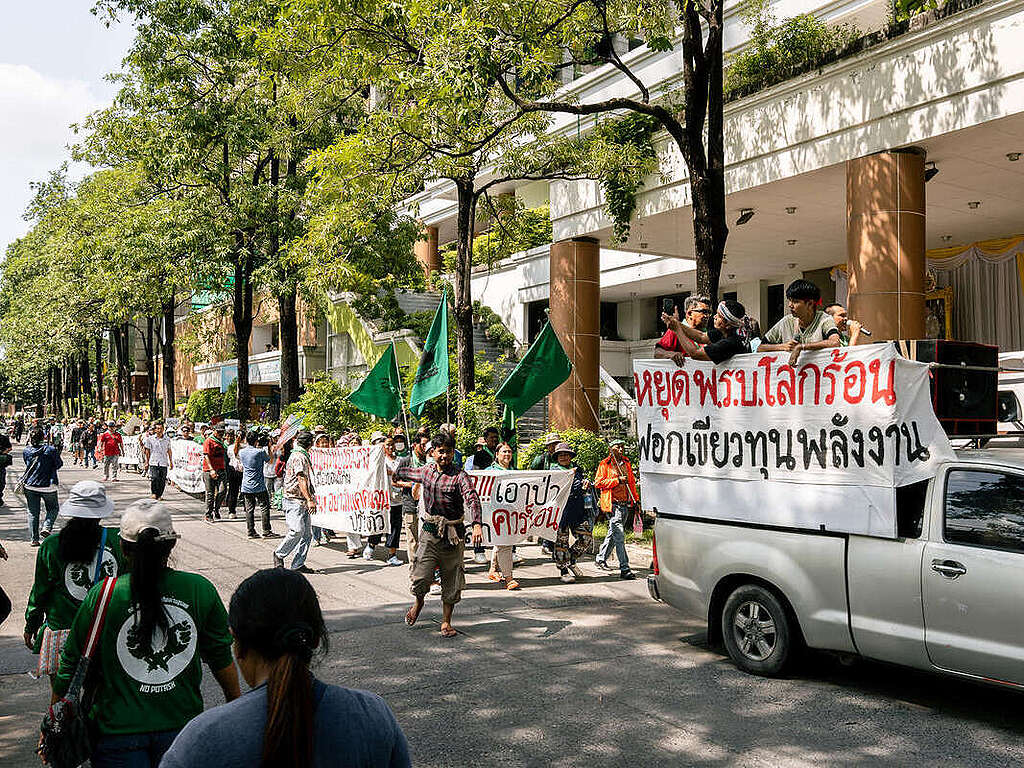
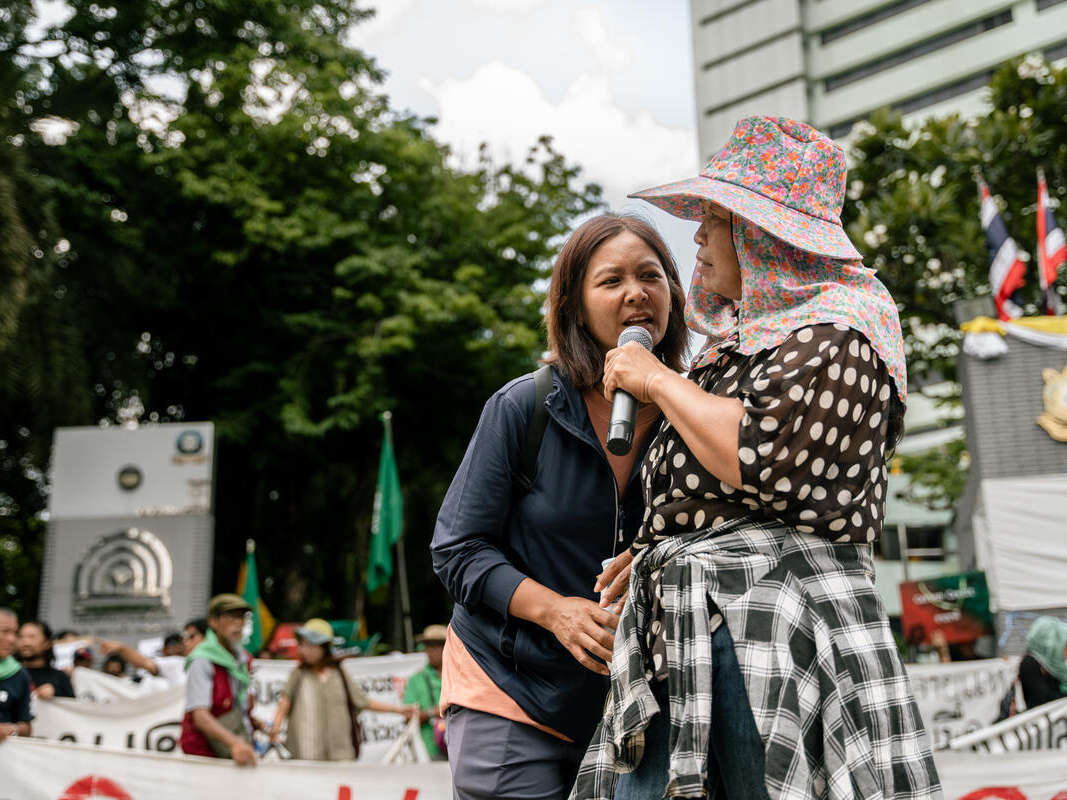
Around 200 people join the Climate Justice march to the Ministry of Natural Resource and Environment, calling on the Thai government to have a strong climate action which protects people from climate crisis and shall hold corporations accountable for their actions that contribute to the impacts of climate change.

The activity is held ahead of the 2024 United Nations Biodiversity Conference (CBD COP16) and The 29th Conference of the Parties (COP29).
Representatives from People’s Movement for Climate Justice & Against Greenwashing, EnLAW Foundation, The Assembly of the Poor, and Alternative Agriculture Association submit an open letter to the UNFCCC, stating that climate finance must adhere to the principle of historical responsibility for the climate change by wealthy industrialized countries by repaying the 'ecological debt' to developing countries in the Global South.

The groups also march to the Ministry of Natural Resource and Environment, calling on the Thai government to have a strong climate action that shifts away from false solutions such as fossil fuels, carbon credit scheme, and carbon capture and storage (CCS).

At the Ministry of Natural Resources and Environment, a 10×10 meter banner reading “People Before Profit – Stop Greenwashing Carbon Giants” underscored the urgent need for real solutions to the climate crisis. Learn more
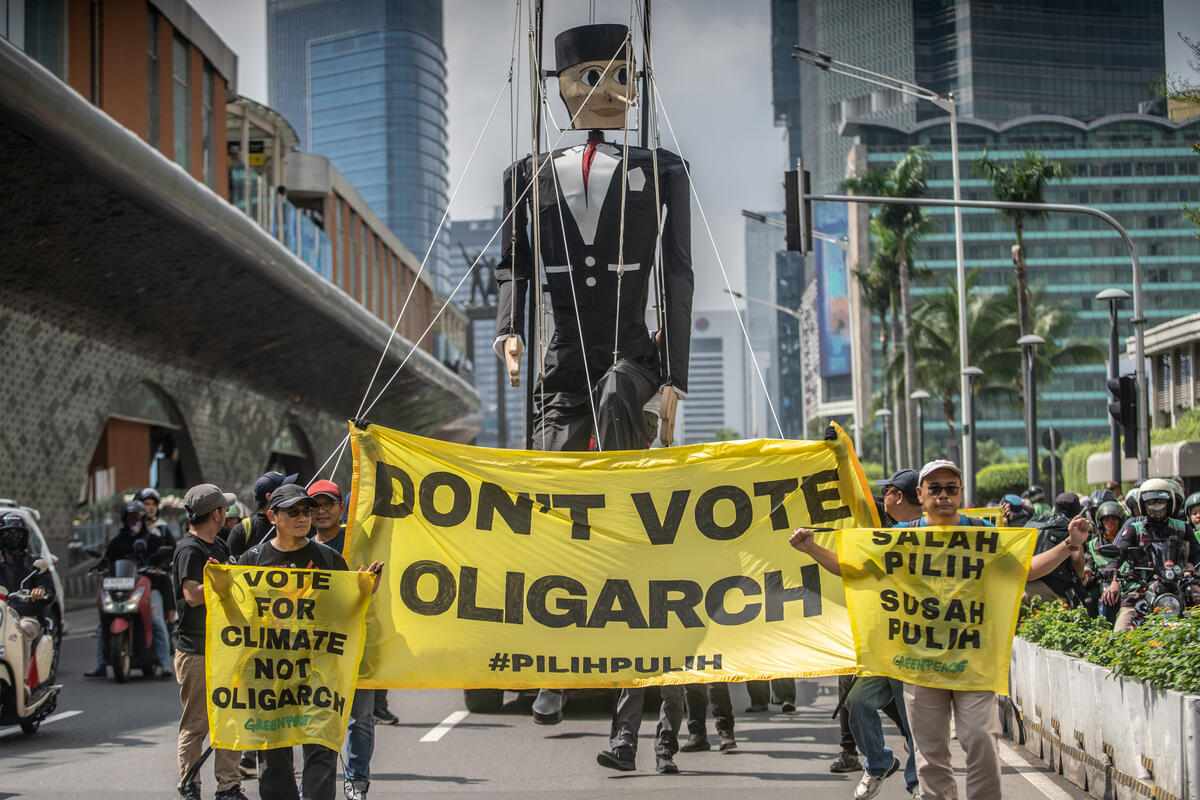
Greenpeace Indonesia together with “Pilih Pulih” coalition hold a carnival activity by carrying a giant marionette, representing a Pinnokkio figure, and a giant "Oligarchy monster" in Jakarta.  Greenpeace and dozens of Civil Society Organizations (CSO) are highlighting the democracy, human rights and environmental crisis that will increase in the future if Indonesian people will vote the wrong Presidential and Legislative candidates at the upcoming elections.
A banner reads "Don't vote Oligarch".
© Jurnasyanto Sukarno / Greenpeace

Early this year, a giant Pinocchio figure marched alongside dozens of organizations including Greenpeace Indonesia through Jakarta’s main thoroughfares, accompanied by a lively marching band.

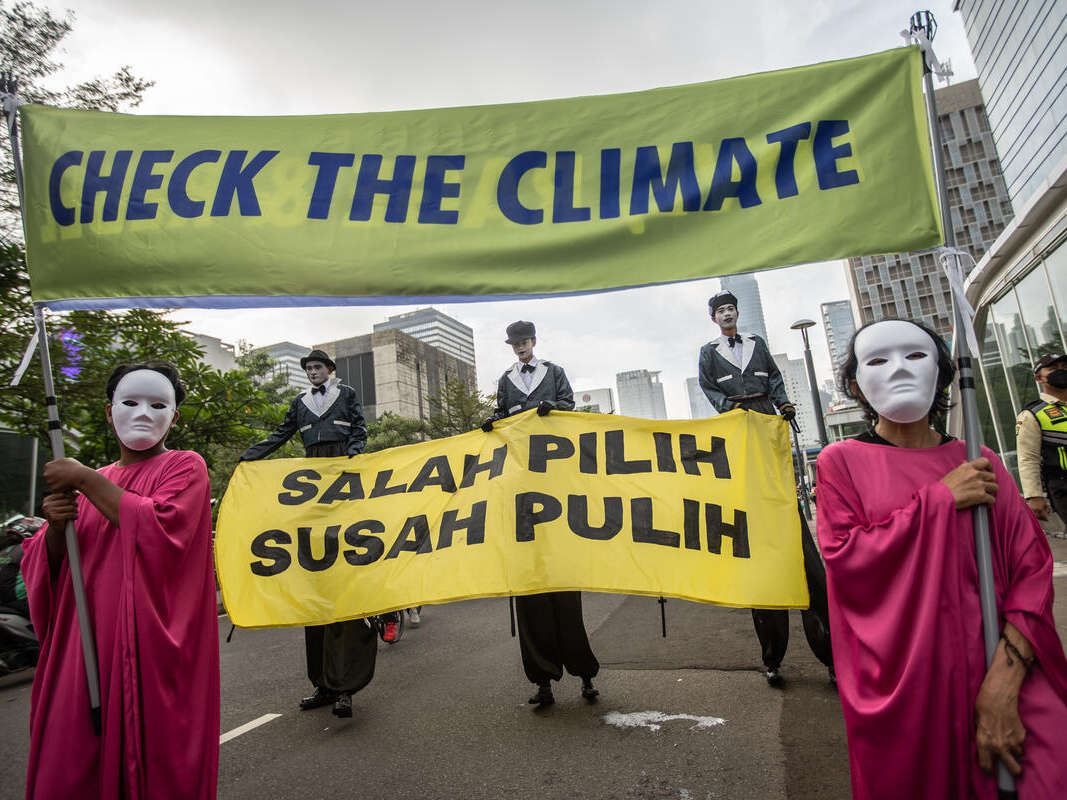
Greenpeace Indonesia together with “Pilih Pulih” coalition hold a carnival activity by carrying a giant marionette, representing a Pinnokkio figure, and a giant "Oligarchy monster" in Jakarta.  Greenpeace and dozens of Civil Society Organizations (CSO) are highlighting the democracy, human rights and environmental crisis that will increase in the future if Indonesian people will vote the wrong Presidential and Legislative candidates at the upcoming elections.

The creative protest shone a spotlight on Indonesia’s democratic and environmental crises during the 2024 Presidential Election.

Standing for Forests and Indigenous Rights
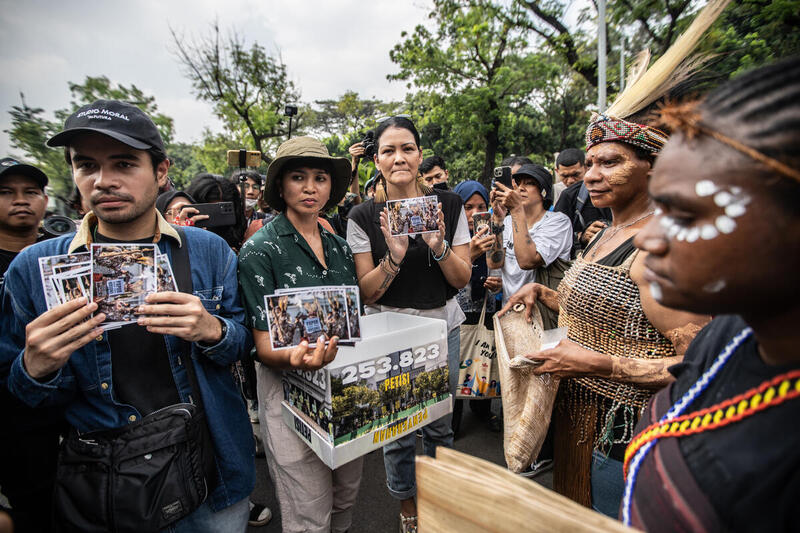
Papuan Awyu Petition Handover to Supreme Court in Jakarta. © Jurnasyanto Sukarno / Greenpeace
Papuan Indigenous people from the Awyu and Moi Sigin are accompanied by the public as they return to the Supreme Court building. © Jurnasyanto Sukarno / Greenpeace

In July 2024, Environmental and land rights activists from the Indigenous Awyu and Moi Sigin Peoples of Tanah Papua not only to submit the petition but to inquire about the progress of their cassation appeals filed in March and early May respectively.
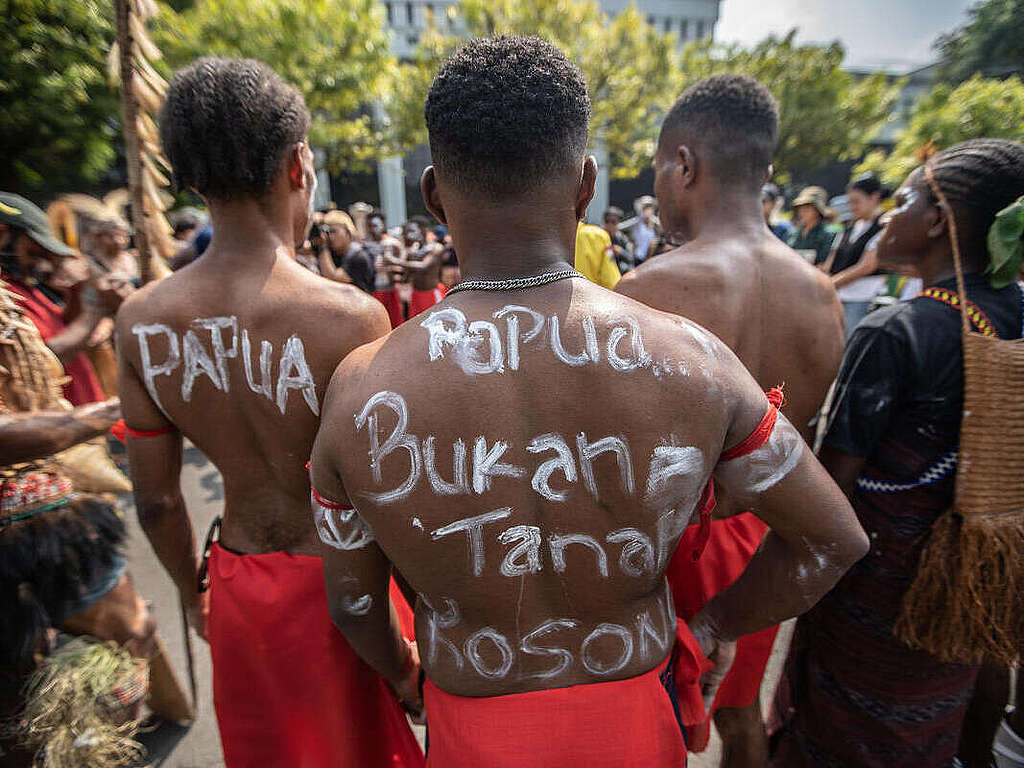
Papuan Indigenous people from the Awyu and Moi Sigin are accompanied by activist and communities as they return to the Supreme Court (MA) building. The arrival of representatives of the Awyu tribe and the Moi Sigin sub-tribe to the Supreme Court for the second time is still in the context of fighting for their customary forests threatened by several palm oil companies.

They submitted a petition of support for the struggle of the indigenous people of the Awyu and Moi Sigin tribes, and questioned the progress of the cassation cases submitted by environmental fighters from the Awyu tribe and the Moi Sigin sub-tribe to the Supreme Court, which were submitted respectively in March and early May.
Papuan Indigenous people from the Awyu and Moi Sigin are accompanied by activist and communities as they return to the Supreme Court (MA) building. The arrival of representatives of the Awyu tribe and the Moi Sigin sub-tribe to the Supreme Court for the second time is still in the context of fighting for their customary forests threatened by several palm oil companies.

They submitted a petition of support for the struggle of the indigenous people of the Awyu and Moi Sigin tribes, and questioned the progress of the cassation cases submitted by environmental fighters from the Awyu tribe and the Moi Sigin sub-tribe to the Supreme Court, which were submitted respectively in March and early May.

 Dressed in traditional attire of Indigenous peoples across the archipelago, they carried banners and posters with messages such as “All Eyes on Papua” and “Save Papuan Ancestral Forests and People.” Learn more

On the other hand, we were working to develop a community-driven initiative designed to provide a space for knowledge exchange and empowerment with Orang Asli and Asal in Kelantan, Malaysia.
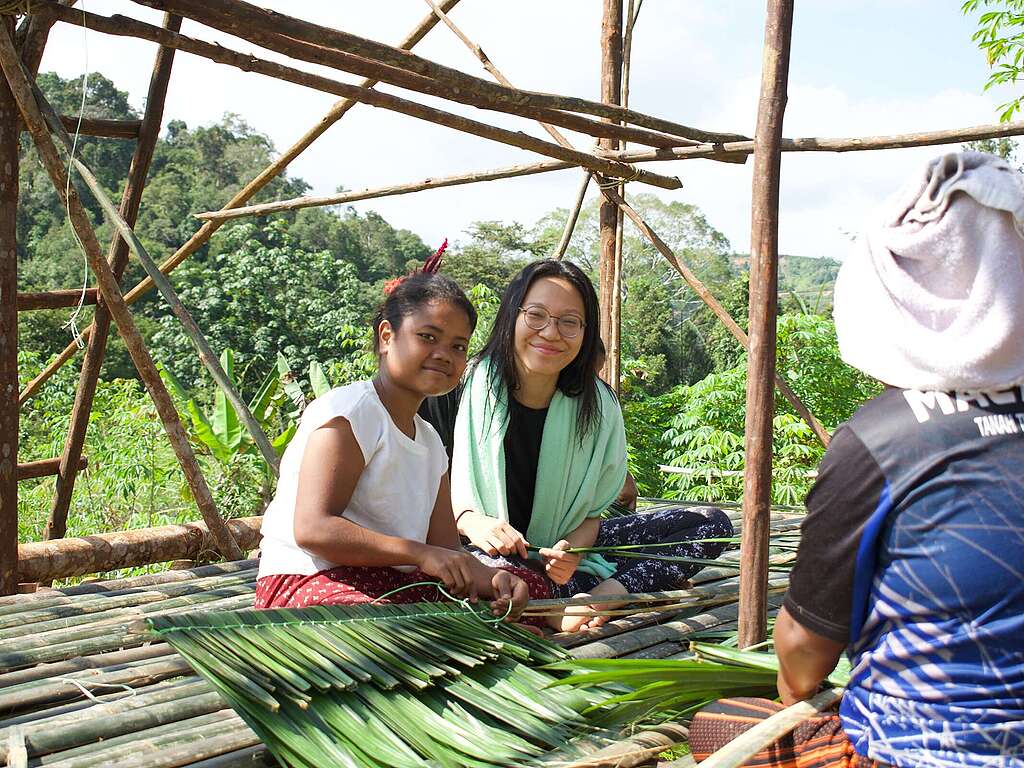
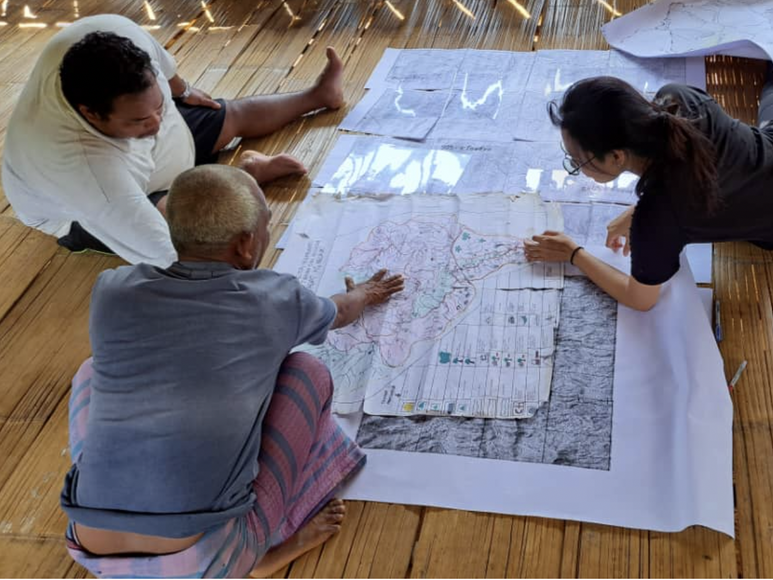
Built in collaboration with local indigenous communities, the project serves as a gathering where individuals can connect, discuss, and strategise on how to protect their ancestral lands. Learn more
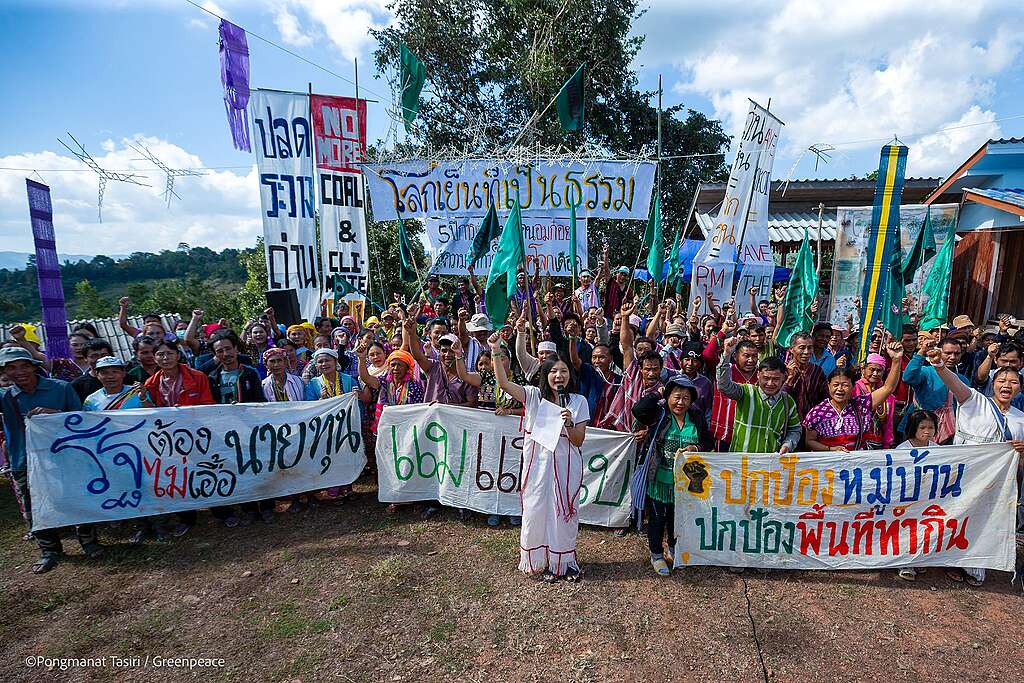
In Thailand, Greenpeace and the Omkoi Monitoring Network organized an event to commemorate the 5th anniversary of the fight against the Omkoi Coal Mining Project.
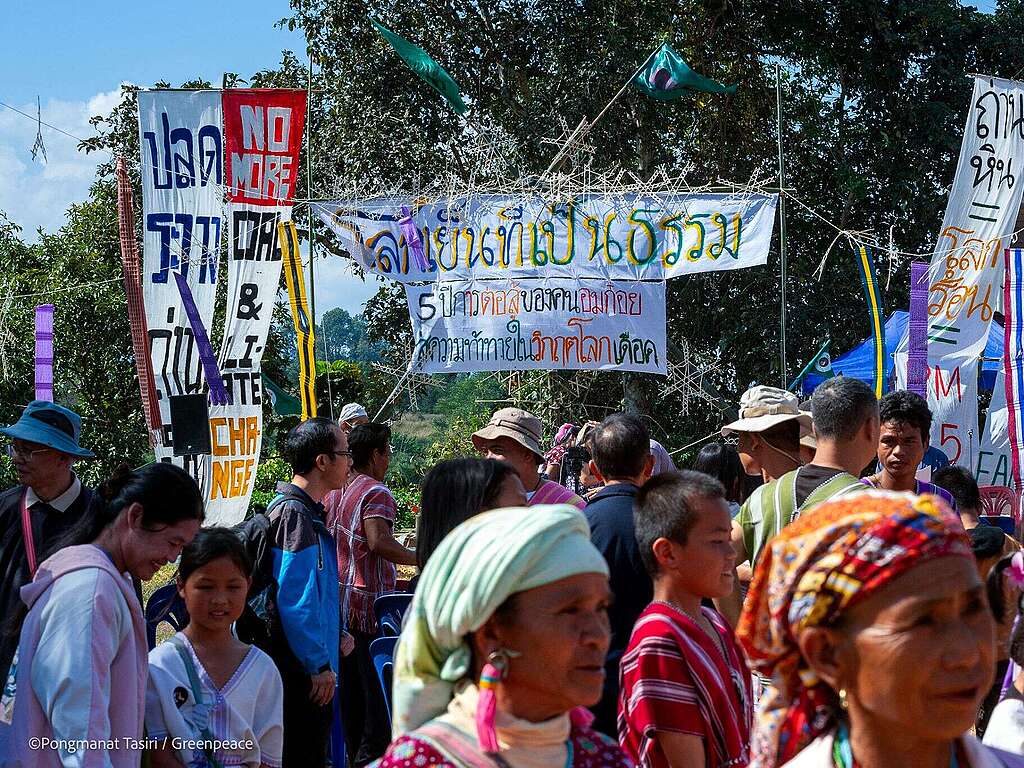
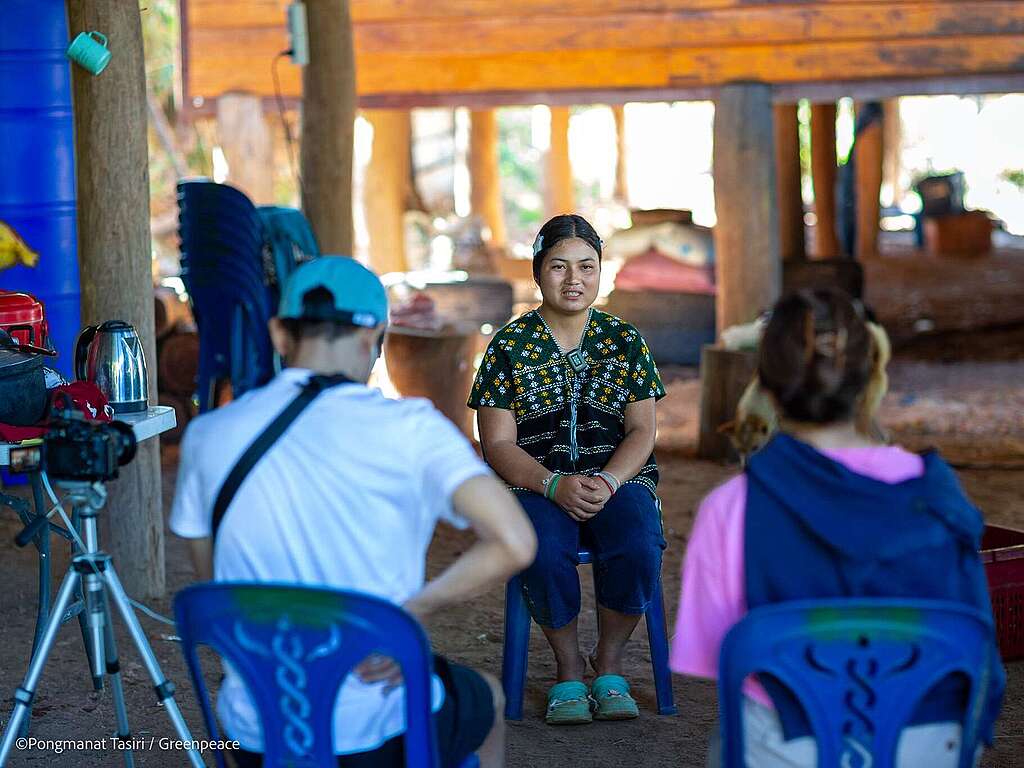
The event celebrated the strength of ethnic and Indigenous communities in resisting exploitation, highlighting their determination to secure a future free from harmful projects. This milestone emphasized the belief that people should have the power to shape their own future. Learn more

Defending Clean Air as Basic Human Right
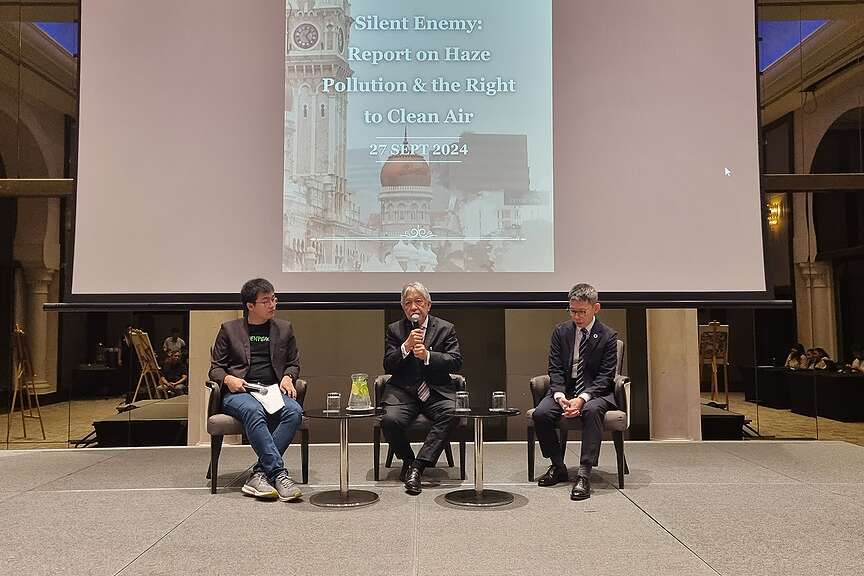
In September, we celebrated the launch of the SUHAKAM Report in Malaysia with CERAH Anti-Haze Action Coalition, reinforcing the right to a clean and healthy environment.
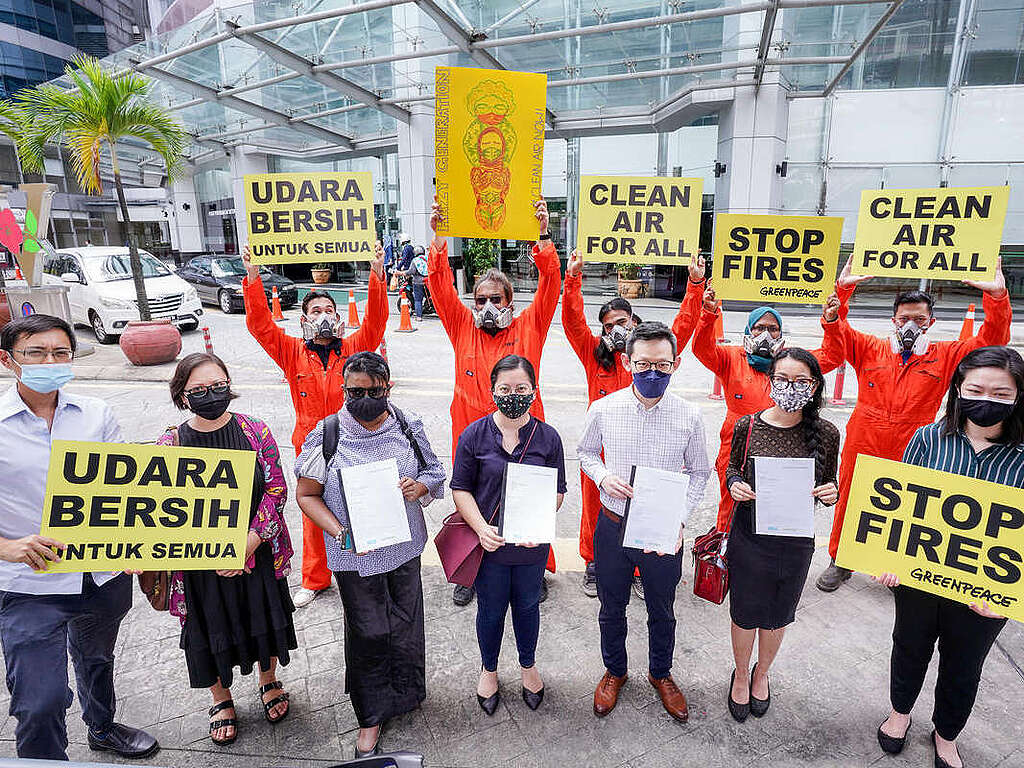
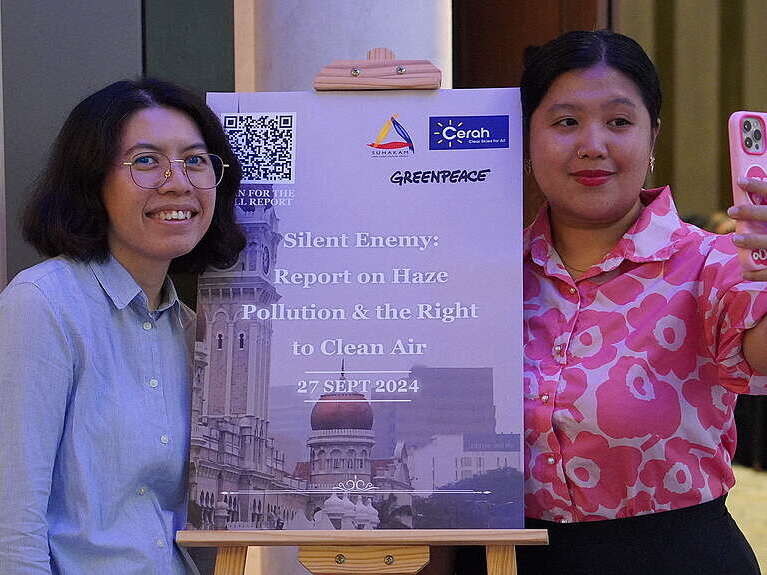
Ahead of the 2021 International Human Rights Day, a broad alliance of civil society organisations led by Greenpeace Malaysia and local NGO CERAH Anti-Haze Action file a pioneering complaint at the Malaysian Human Rights Commission (SUHAKAM) in Kuala Lumpur as a proactive countermeasure to address the chronic and persistent haze pollution.

Representatives from the coalition joined Greenpeace Malaysia volunteers for an offline action in front of the Human Rights Commission building to demand for the recognition of clean, haze-free air as a basic human right.

This milestone follows our 2021 haze pollution complaint to SUHAKAM, which led to a 2022 roundtable addressing domestic and transboundary haze solutions. Learn more
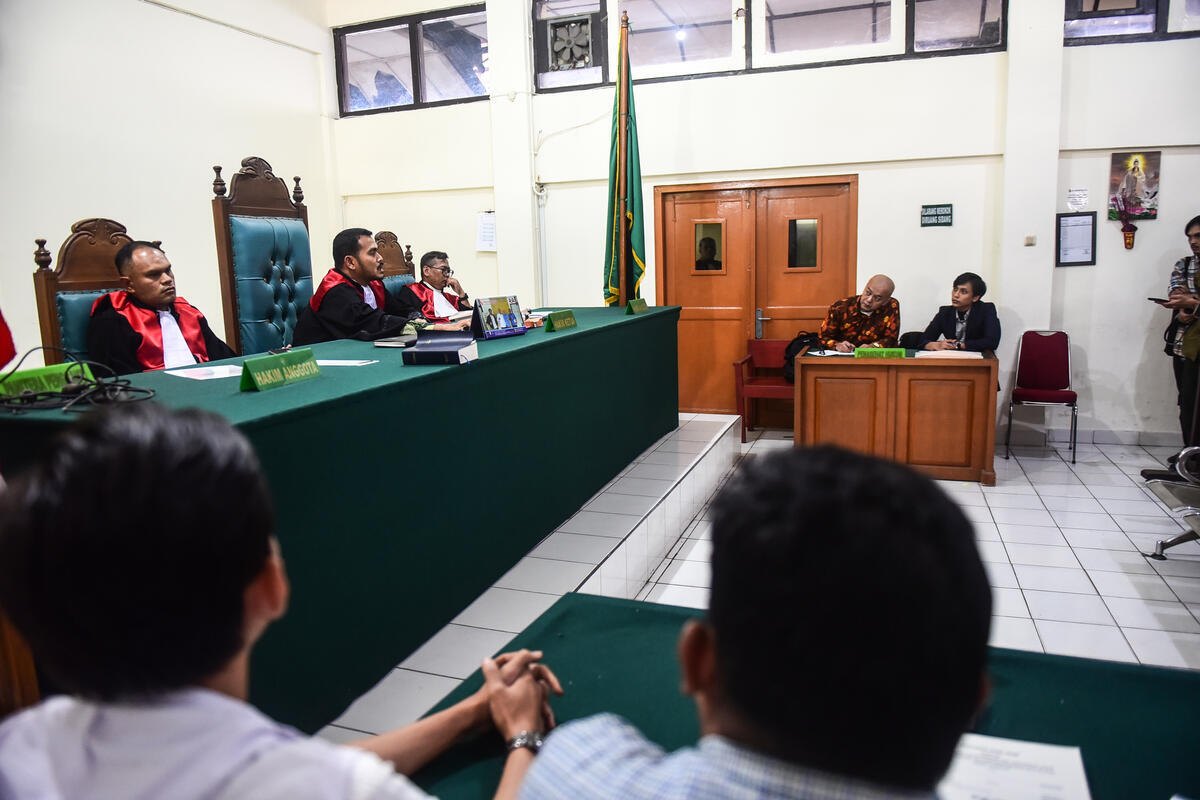
A hearing at Palembang District Court in a lawsuit initiated by eleven affected residents of South Sumatra province, in which they seek accountability for smoke haze and other environmental impacts arising from the operations of three companies: Bumi Mekar Hijau, Bumi Andalas Permai, and Sebangun Bumi Andalas Wood Industries – three pulpwood suppliers under the control of Asia Pulp and Paper (part of the Sinar Mas Group).

Transboundary haze is a major human rights issue, and in December 2024, a legal battle began in Indonesia regarding South Sumatra’s recurring peatland fire haze. The Palembang District Court held its first substantive hearing for a lawsuit filed by eleven local residents directly impacted by the fires.

A hearing at Palembang District Court in a lawsuit initiated by eleven affected residents of South Sumatra province, in which they seek accountability for smoke haze and other environmental impacts arising from the operations of three companies: Bumi Mekar Hijau, Bumi Andalas Permai, and Sebangun Bumi Andalas Wood Industries – three pulpwood suppliers under the control of Asia Pulp and Paper (part of the Sinar Mas Group).
© Mushaful Imam / Greenpeace

As the case progresses, community support for the victims has been overwhelming, with groups from South Sumatra rallying behind the plaintiffs. Greenpeace Indonesia continues to advocate for stronger legal actions and environmental reforms to prevent the recurring health and environmental crises caused by these fires. Learn more

Paving the Path to a Plastic-Free Future
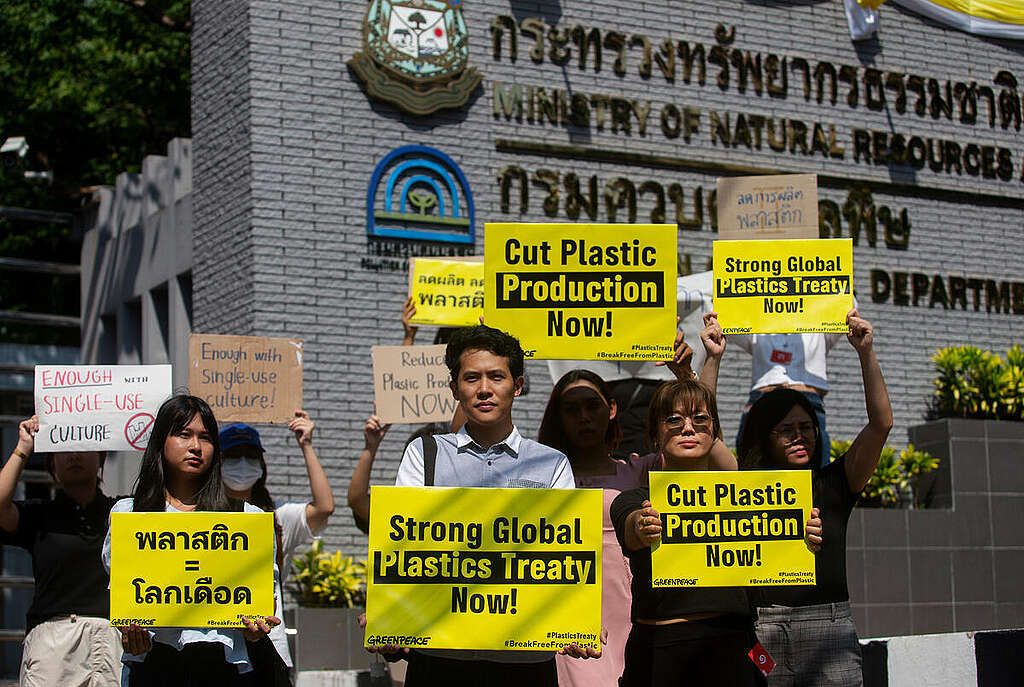
The Environmental Justice Foundation (EJF), Ecological Alert and Recovery - Thailand (EARTH), Greenpeace Thailand, and Trash Hero Thailand Association, submit a demand letter to the Ministry of Natural Resources and Environment in Bangkok, demanding the Thai government, to take a strong negotiations to establish the   "Global Plastic Treaty” in the Intergovernmental Negotiating Committee (INC) 5 conference on November 24 - December 1, 2024.

In a letter, the groups emphasise the need to support in setting targets for reducing plastic production, controlling the use of chemicals in plastics, phasing out the production of harmful, problematic, and avoidable plastics, and also call to address other pollution issues.

Plastic pollution knows no borders, and this year, Greenpeace Southeast Asia played a crucial role in advocating for a strong Global Plastics Treaty.

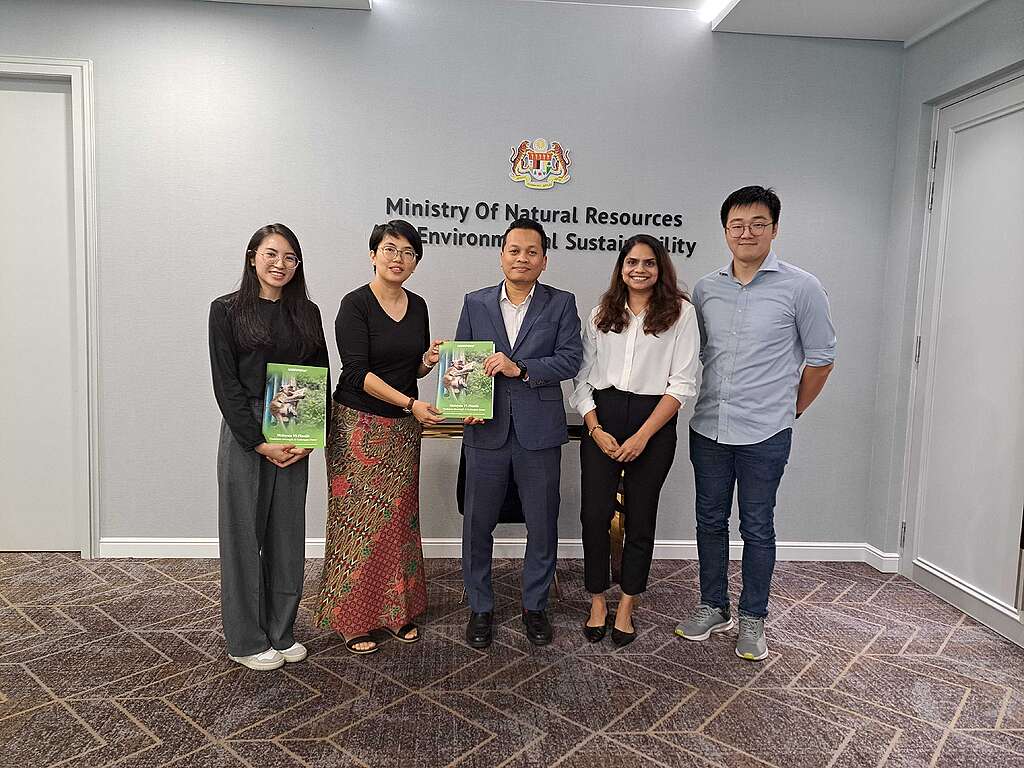
The Environmental Justice Foundation (EJF), Ecological Alert and Recovery - Thailand (EARTH), Greenpeace Thailand, and Trash Hero Thailand Association, submit a demand letter to the Ministry of Natural Resources and Environment in Bangkok, demanding the Thai government, to take a strong negotiations to establish the   "Global Plastic Treaty” in the Intergovernmental Negotiating Committee (INC) 5 conference on November 24 - December 1, 2024.

In a letter, the groups emphasise the need to support in setting targets for reducing plastic production, controlling the use of chemicals in plastics, phasing out the production of harmful, problematic, and avoidable plastics, and also call to address other pollution issues.

From delivering Global Plastics Treaty demand letter in Bangkok to meeting the Minister of Natural Resources and Environmental Sustainability in Malaysia, our teams emphasized the need for systemic change to end plastic waste at its source.
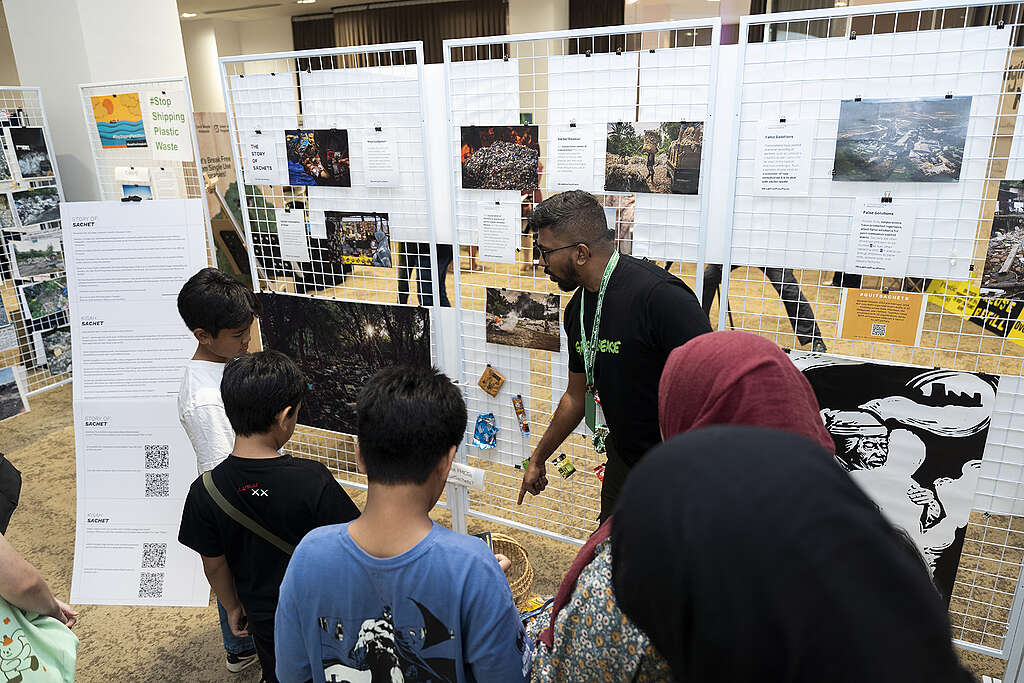
Journey to End Plastic Pollution event in Kuala Lumpur. © Farhan Hani

Aside from advocating for a Global Plastics Treaty, we also organized public initiatives like mural projects, seminars, and events empowered communities to take action against plastic pollution.
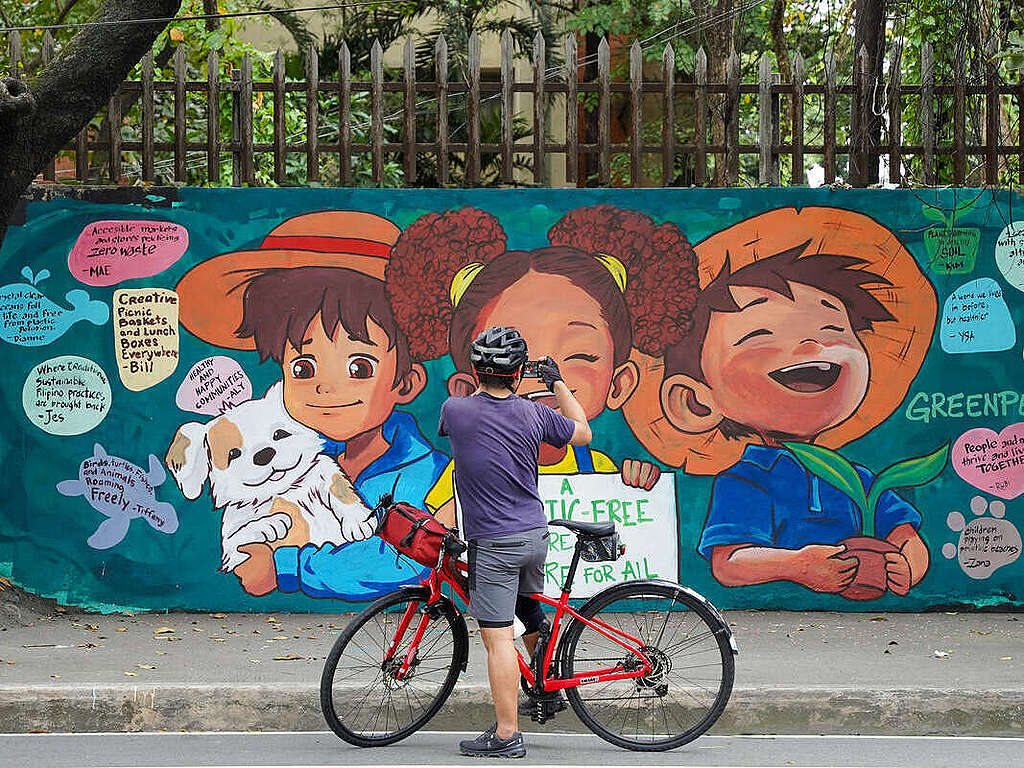
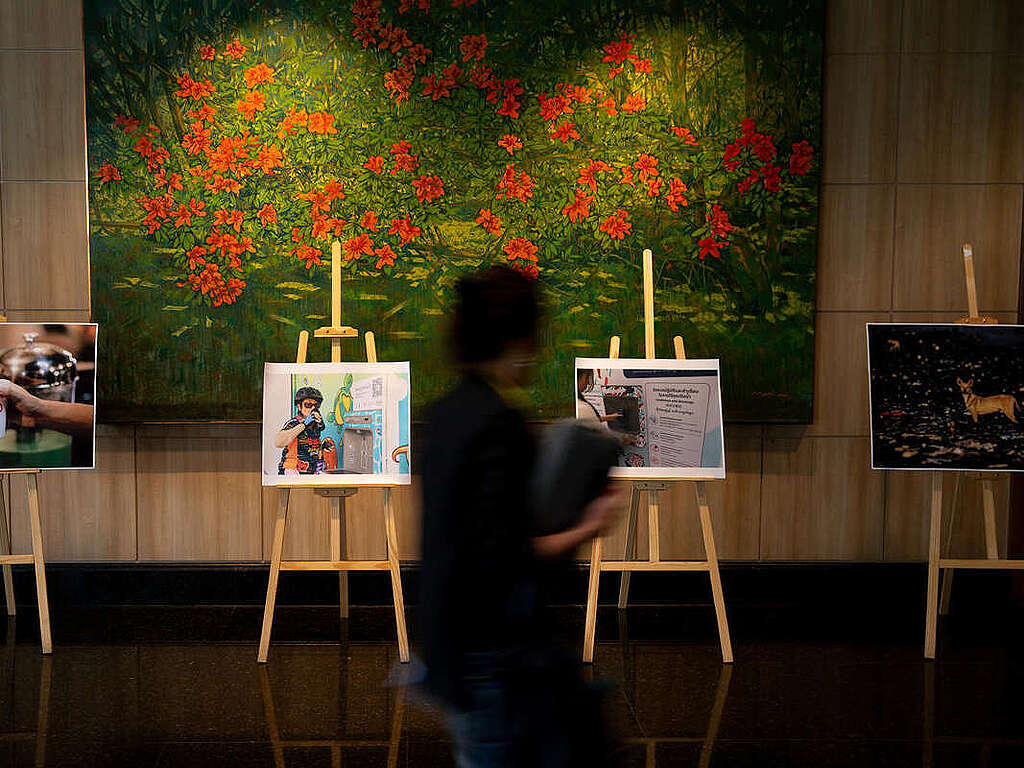
A striking mural reflecting the youth’s vision of a plastic-free future has been painted on the UP Diliman Freedom Wall along Katipunan Avenue, Quezon City.

Created by artist Sim Tolentino, the mural was inspired by messages from young Filipinos collected by Greenpeace Philippines, expressing their hopes for a world free from plastic pollution. The artwork serves as a bold statement as the fifth and most critical Intergovernmental Negotiating Committee (INC-5) meeting on the Global Plastics Treaty resumes in Busan, South Korea this week.

Greenpeace is calling on world leaders at INC-5 to commit to a strong and ambitious Plastics Treaty that mandates cuts in plastic production. The organization stresses that this is a pivotal moment to address the global plastic crisis and protect the health of communities, ecosystems, and future generations.
Plastic Free Future Mural in Quezon City. © Miguel de Guzman / Greenpeace
Civil society groups including Environmental Justice Foundation: EJF, Ecological Alert and Recovery - Thailand: EARTH, Greenpeace Thailand, The Sustainable Environment Research Institute, Chulalongkorn University (SERI), and Hub of Waste Management for Sustainable Development: WMS-HUB organise a seminar ‘Final Stretch Towards Global Plastics Treaty: What should Sustainable Production and Consumption Look Like for Thailand?’ to discuss the importance of a strong global plastic treaty and how each sector shall address the plastic pollution.

The seminar is organised ahead of the fifth session of the Intergovernmental Negotiating Committee (INC-5) where world leaders will develop an international legally binding instrument on plastic pollution.
Global Plastic Treaty Seminar in Bangkok. © Chanklang Kanthong / Greenpeace

We engaged governments, industries, and communities, highlighting solutions that prioritize plastic reduction and reuse, single-use plastics bans, and an  equitable financing plan.

Ship Tour Making a Comeback
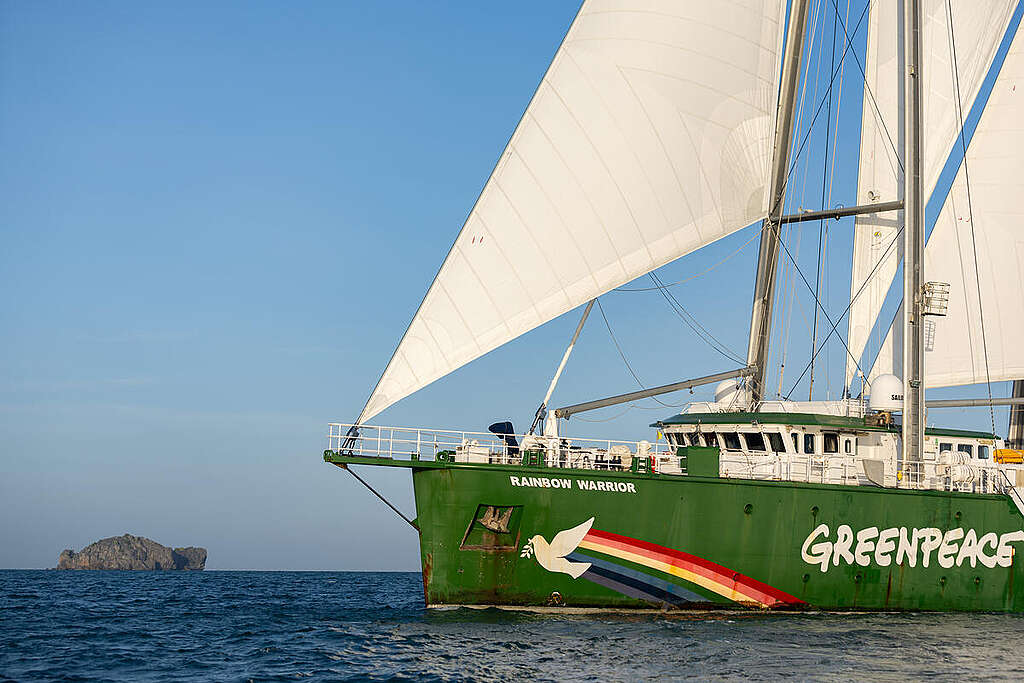
The Rainbow Warrior arrives in Ko Ang Thong National Park, Thailand under the campaign Ocean Justice to call for the protecting of marine biodiversity and ocean justice.

This year, the Greenpeace ship Rainbow Warrior sailed through coastal communities in Thailand, advocating for ocean justice and demanding climate actions.
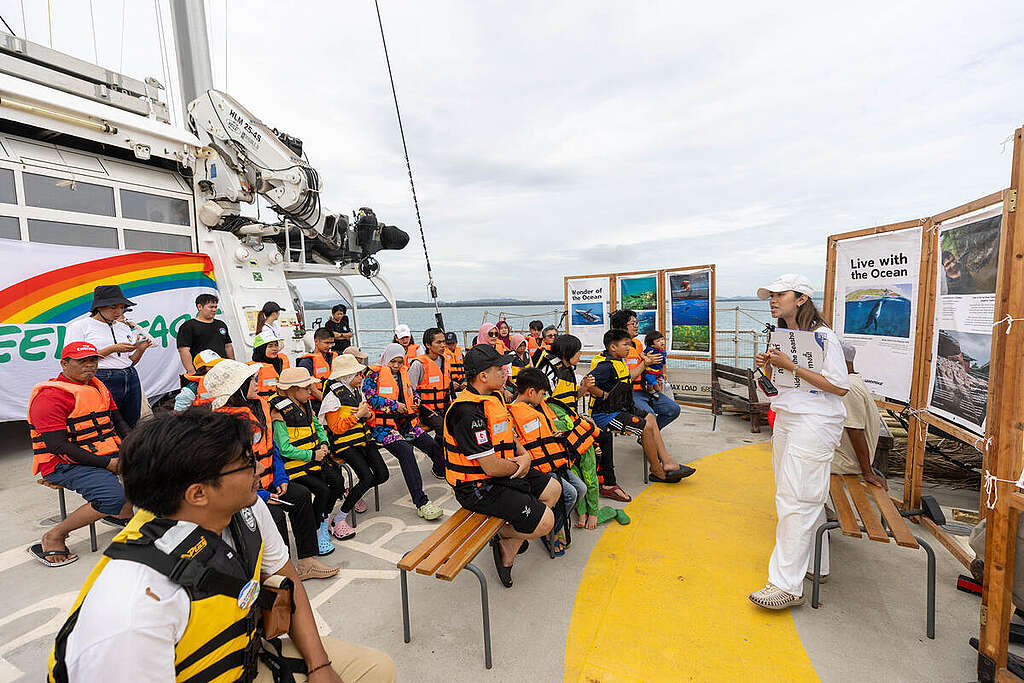
Greenpeace’s iconic flagship Rainbow Warrior anchors in Chana, Songkhla, Thailand and open for public to visit the ship.

This activity is part of Rainbow Warrior Ship Tour 2024:  Ocean Justice project organised by Greenpeace Thailand.  Together with local  communities,  and civil society,  the groups aim to establish community-led marine protected areas that will allow  communities to thrive while ensuring that the marine biodiversity remains safe and protected.

With the help of civil society organisations and agencies, the goal was to establish community-led marine protected areas that will allow these communities to thrive while ensuring that the marine biodiversity remains safe and protected.
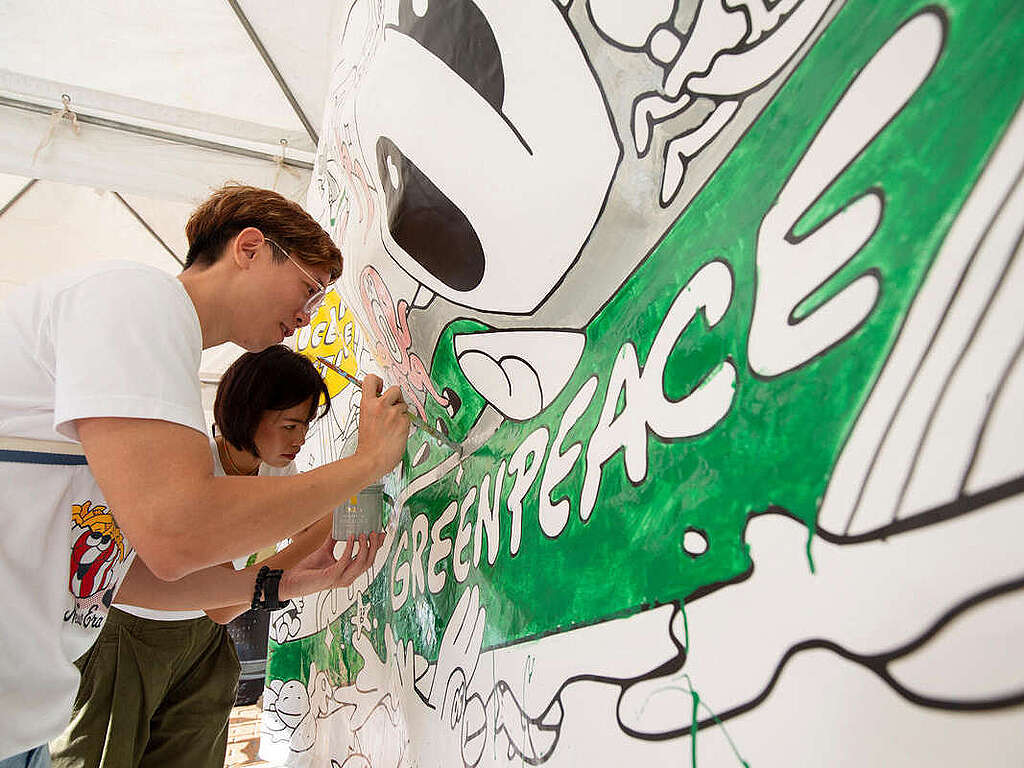
Greenpeace Thailand holds an opening ceremony for “The Rainbow Warrior Ship Tour 2024: Ocean Justice” to kick start a month-long activity on an occasion of ocean month in Bangkok, Thailand.

Under the campaign Ocean Justice, the Rainbow Warrior arrived in Thailand to campaign for community-led marine protected areas in order to protect the ocean and coastal communities’ rights. The ship will have several stops in Pathio District, Chumphon, and Chana, Songkhla.
Greenpeace Thailand holds an opening ceremony for “The Rainbow Warrior Ship Tour 2024: Ocean Justice” to kick start a month-long activity on an occasion of ocean month in Bangkok, Thailand.

Under the campaign Ocean Justice, the Rainbow Warrior arrived in Thailand to campaign for community-led marine protected areas in order to protect the ocean and coastal communities’ rights. The ship will have several stops in Pathio District, Chumphon, and Chana, Songkhla.

The event opened with a welcoming performance by a marching band with an Ocean Justice theme by Debsirin Samut Prakan School. There is also a six-metre banner painting activity called Ocean Peace. It is designed by artist Sahred Toy. Learn more

Empowering Supporters Around The World
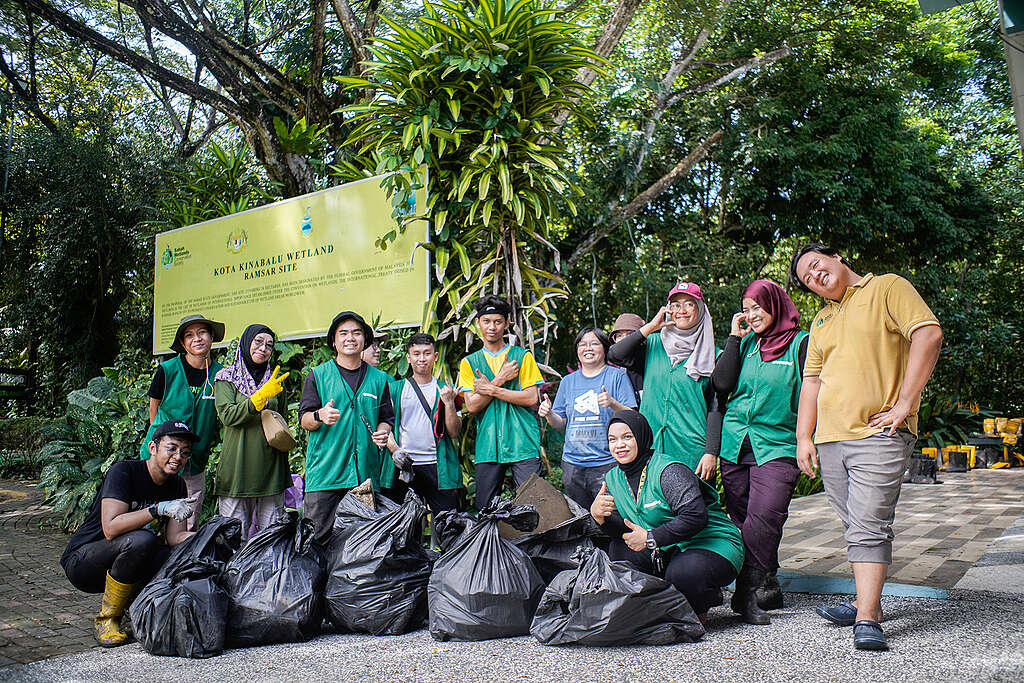
Tree for Tomorrow at the Wetland Ramsar Site in Kota Kinabalu, Malaysia. © Greenpeace

Our work is powered by people – individuals who believe in a better world and take action to make it happen.
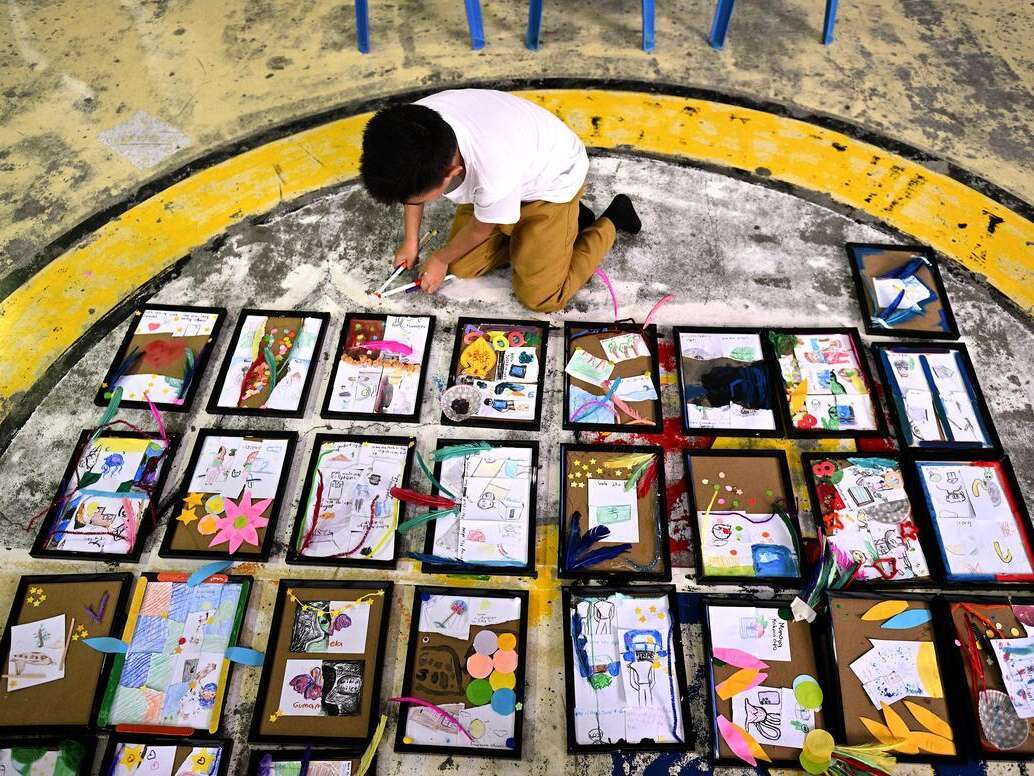
Over 50 students in Pasig City participated in a placemaking activity led by architects, environmentalists, and artists, where they learned how to envision a safer, child-friendly, and climate-resilient community. Through interactive workshops, they explored ideas for a better future for their local neighborhood.

The event was conducted by Greenpeace Philippines, United Architects of the Philippines (Diliman Chapter), artist AG Saño, and Pinagbuhatan Elementary School.
Placemaking Activity in Pasig City, Philippines. © Noel Celis / Greenpeace
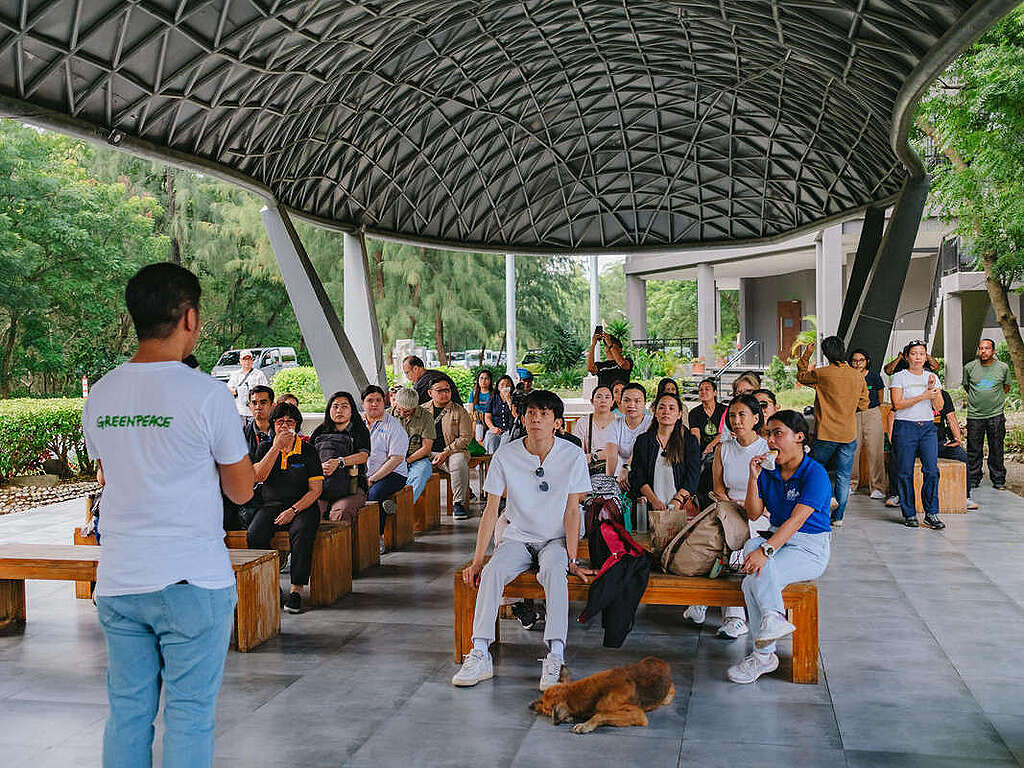
Micro, Small and Medium Enterprises (MSMEs) representatives participate during the field immersion and discussion in Las Piñas-Parañaque Wetland Park (LPPWP) organized by Greenpeace Philippines in partnership with the Department of Trade and Industry (DTI). 
The activity sought to raise awareness among local businesses about the destructive impact of single-use plastics on ecosystems and communities. It was followed by sustainability discussions at Talyer 15 featuring entrepreneurs who have successfully employed viable, practical, and innovative alternatives to plastic use.
Field Immersion at the Freedom Island in Manila. © Jilson Tiu / Greenpeace

This year, we continued connecting with supporters more deeply through events, workshops, and volunteer opportunities, empowering thousands to become changemakers.
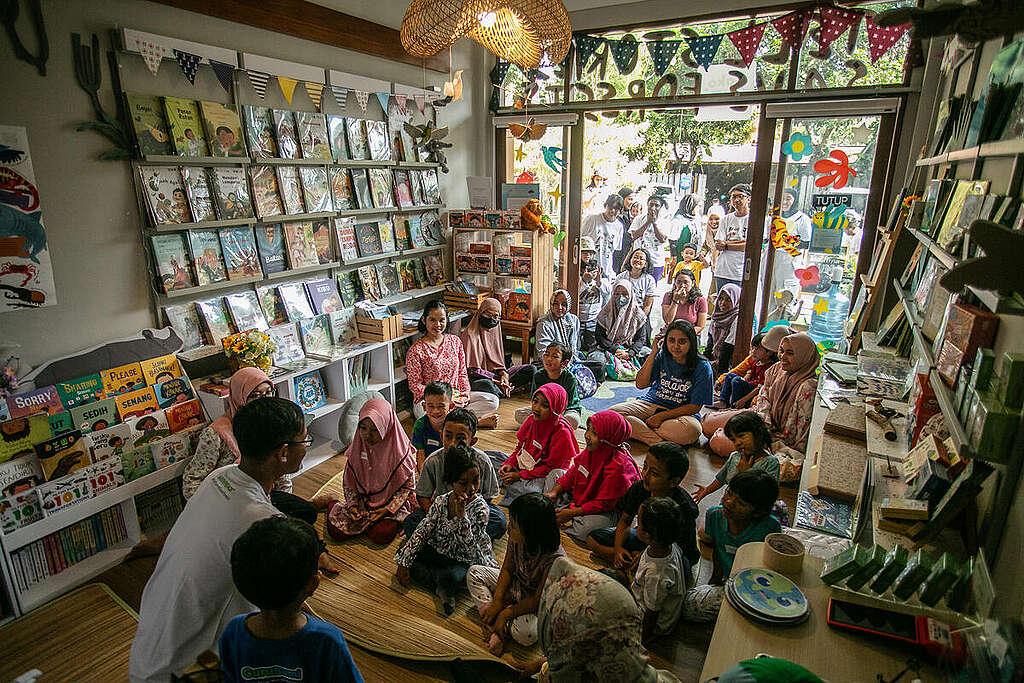
Children listen to a story telling about Climate Litigation book series for kids during the launch at Gumi bookstore in Sleman, Yogyakarta. 
The book published in collaboration with Greenpeace Indonesia to educate young generation about the importance saving the forest and the climate change impacts to the indigenous people.

Through these community initiatives, we saw firsthand the courage, creativity, and determination of people driving local and global movements for change.

And without our supporters, our work would not be possible.

Looking ahead

As we enter 2025, we are inspired by the unity and resilience of our supporters, staff, and partner communities. The challenges of climate change, pollution, and biodiversity loss remain, but so does the opportunity to reimagine a thriving future for people and the planet.

Together, we will continue to fight for clean air, healthy oceans, thriving forests, and renewable energy for all. Thank you for standing with us—let’s keep hope in action as our guiding star.