
#Oceans
Our oceans are home to millions of awe-inspiring creatures, and part of the cultural heritage of millions of coastal peoples in Canada and worldwide. Life on our blue planet depends on healthy oceans, but scientists warn that sea life could face the next mass extinction. Urgent action is needed to protect all life in our oceans, large and small, and to support people who live by the ocean and rely on it for their livelihoods. Next to climate change, overfishing is the single greatest threat to marine biodiversity. Populations of ocean life are in dramatic decline because of a growing demand for fish. An already out of control industry is hunting sea life faster than it can repopulate, and industrial fish farming is putting wild stocks at risk. In addition, pollution – including plastic and harmful chemicals – is infiltrating food chains, harming wildlife and destroying the sheer beauty of our seas and coastlines. Our oceans need to recover and flourish. With your support, we can take action that protects them. Join us.
Things you can do
We want you to take action because together we’re strong.
-
 Oceans
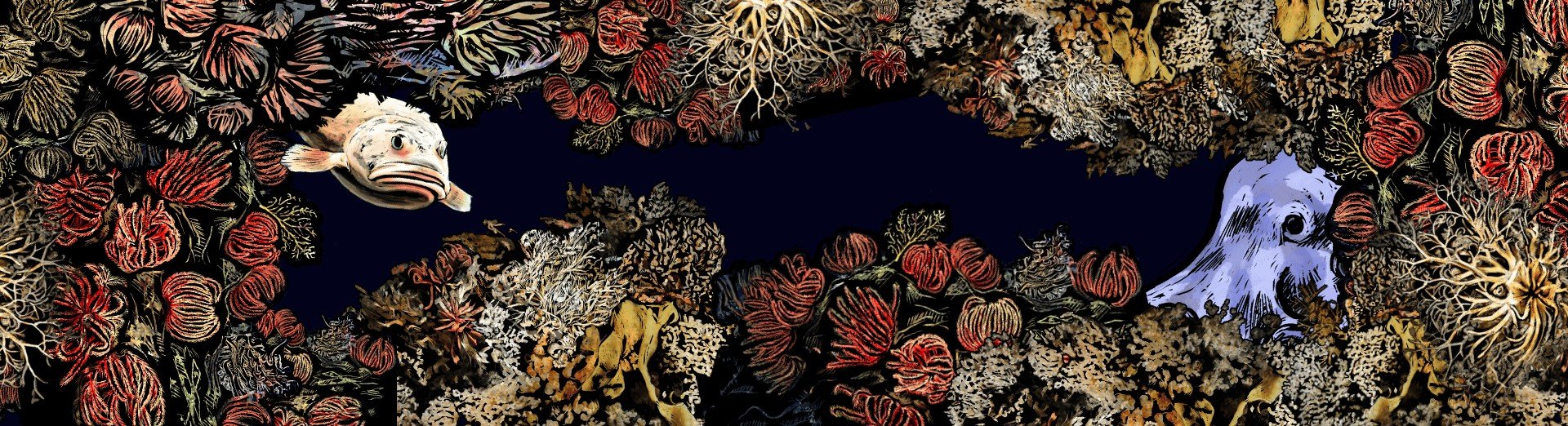
The ocean is not for sale: stop the deep sea mining code
Add your name to demand that Canada lock the seabed out of reach for extractive industries.
-
 Nature
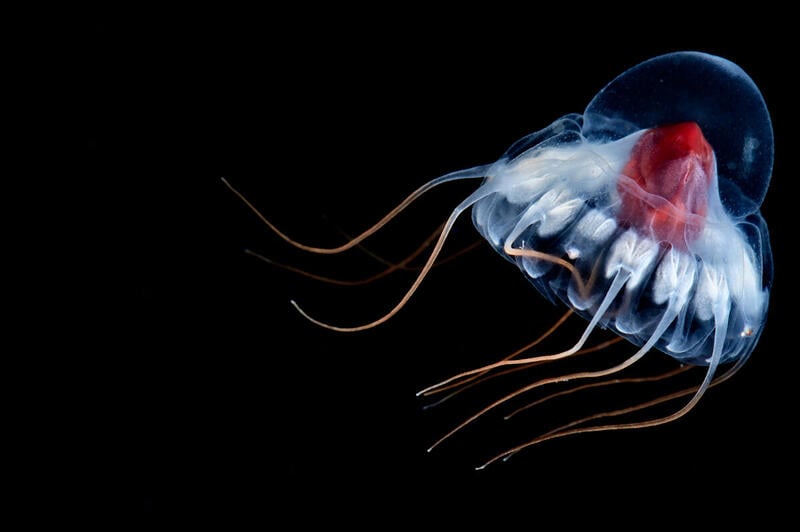
Stop Deep Sea Mining
We need Canada to stop deep sea mining before it starts. Join the campaign now.
-
 Nature
Protect the Oceans
The seas provide half of our oxygen, food for a billion people, and a home for some of the most spectacular wildlife on Earth. But the impacts of climate change, pollution and destructive industries mean they’re in more danger than ever.
-
A Dose of Good News!
Check out some of the most recent campaign updates and victories to bloom within the Greenpeace network.
-
When a Canadian company is trying to claim the commons
Last month, talks at the International Seabed Authority (ISA) council meetings showed that the world is nowhere near ready to proceed with deep sea mining. A lack of regulatory frameworks,…
-
I worked with survivors of gender-based violence. The link between women, power and environmental extraction is undeniable
Two decades ago, I spent my nights working the overnight shift on the support line of the Toronto Rape Crisis Centre/Multi-cultural Women Against Rape.