Why 2026 is critical for ocean health in New Zealand
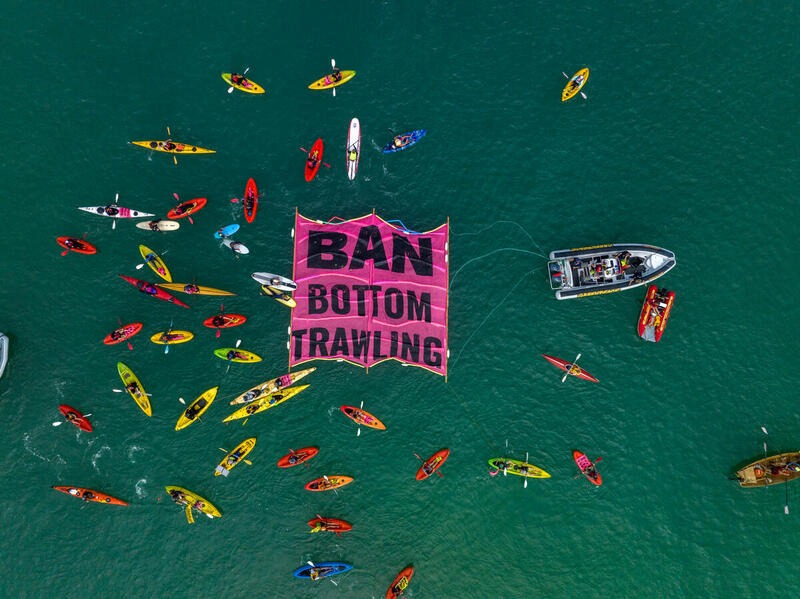
It has been truly inspiring to witness the record-breaking journey of Jono Ridler: swimming 1367 kms around the North Island—from Cape Reinga to Parliament—demanding an end to bottom trawling in New Zealand.
I have so much respect for Jono, putting his body on the line for what he believes in. What has also moved me is seeing the immense public support for this cause all over the country. Nearly universally, people around Aotearoa have made it clear that we want an end to the destruction caused by bottom trawling.
Because whether we go fishing, swimming, kayaking, diving, or simply share a picnic on the beach, we all are ocean loving people. For Māori and Pasifika Peoples, the ocean is a fundamental part of their identity, history and culture. Our big blue backyard is an essential part of who we are, and we want it to thrive – which means bottom trawling that bulldozes the seafloor and kills ocean life, is no longer acceptable.
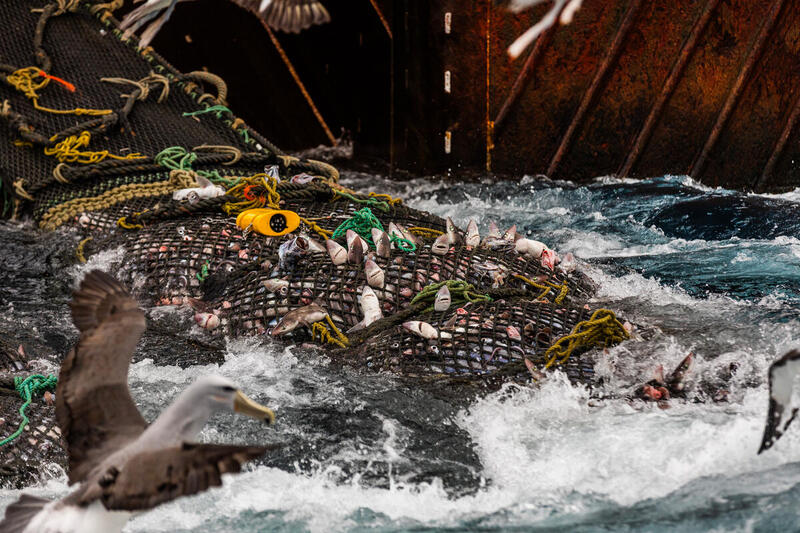
Ocean ecosystems across New Zealand are under threat from bottom trawling and industrial fishing.
In 2026 ocean protection is an election issue
It is exciting to see the health of the ocean rise on the political agenda during a general election year. The people care and are forcing politicians to listen – which gives us a real opportunity to push for meaningful change.
But New Zealanders will not be fobbed off by empty platitudes. While we all love the ocean—saying it is easy. What we need to see from politicians is commitments to protection that will deliver on recovery.
This is what that looks like:
1. Urgently banning bottom trawling on seamounts and similar features
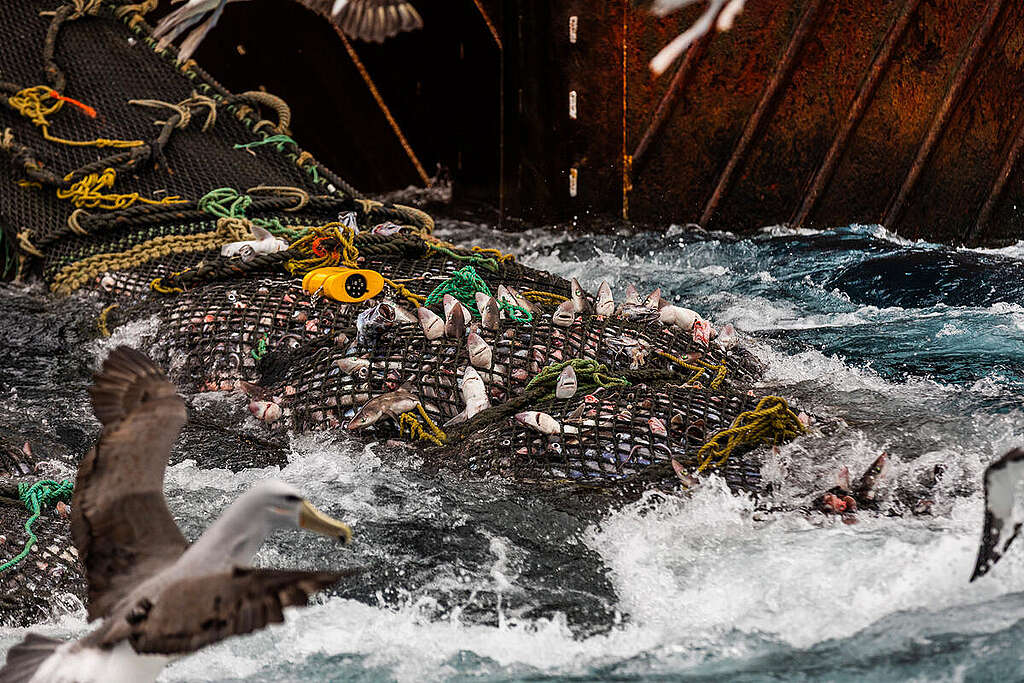
The first priority is banning bottom trawling from the places where it causes the most harm: seamounts and similar underwater features, both within New Zealand waters and the high seas of the South Pacific.
These are biodiversity hotspots and where sealife congregates, ancient coral grows and that migrating species, like whales, use as navigational waypoints. Contrary to industry claims, a seamount does not need to be over 1000 metres of height for it to be ecologically significant.
Seamounts are underwater mountains, hills or knolls – and their ability to sustain underwater communities is based on the depth they sit in from the surface, not their height from the seafloor. The argument that it’s only a seamount if it’s a certain height is irrelevant, ecologically speaking. It’s simply been a tactic by the commercial fishing industry to reduce the number of seamounts that would qualify for protection.
Any commitment to protect the most vulnerable and critical spots for biodiversity needs to be paired with clear timeframes. There have been enough governments kicking the can down the road and in the meantime the oceans plunge further into crisis. Their protection cannot wait any longer.
Bottom trawlers plunder the oceans in waters as close as the Hauraki Gulf, and all the way into the international waters of the Tasman Sea, scouring biodiversity hotspots for the profit of just a few companies. It’s a mark of shame that New Zealand is the last country bottom trawling the South Pacific high seas, often standing as a blocker when other governments try to protect the vulnerable ecosystems out there from harm.
2. Getting trawling out of the Hauraki Gulf for good
Within the Hauraki Gulf, the issue of trawlers’ wasteful fishing was highlighted when Darren Shields, a well-known spearfisher, captured shocking footage of dumped fish floating near Great Barrier Island, with a commercial trawler operating nearby. Oceans and Fisheries Minister Shane Jones responded with personal attacks, but failed to address the core issue that concerns everyone who cares about this precious part of the ocean: bottom trawling is incompatible with a thriving sea.
Bottom trawling has no place within a Marine Park – which can surely only be a park on paper if it doesn’t protect the ocean from the most damaging forms of fishing. Polling shows that 84% of the people around the Hauraki Gulf want bottom trawling to be banned within the marine park, and organisations like the Hauraki Gulf Forum and the Sea Change – Tai Timu Tai Pari spatial plan have recommended restricting this destructive fishing method as a crucial measure for Tīkapa Moana to recover.
Recreational fishers, sailors, local iwi, advocates and residents are all united on this issue and want bottom trawling gone from the Hauraki Gulf marine park. The government must act and protect this precious taonga from the ongoing damage caused and allow for recovery.
3. Expanding the cameras on boats programme to the full fleet
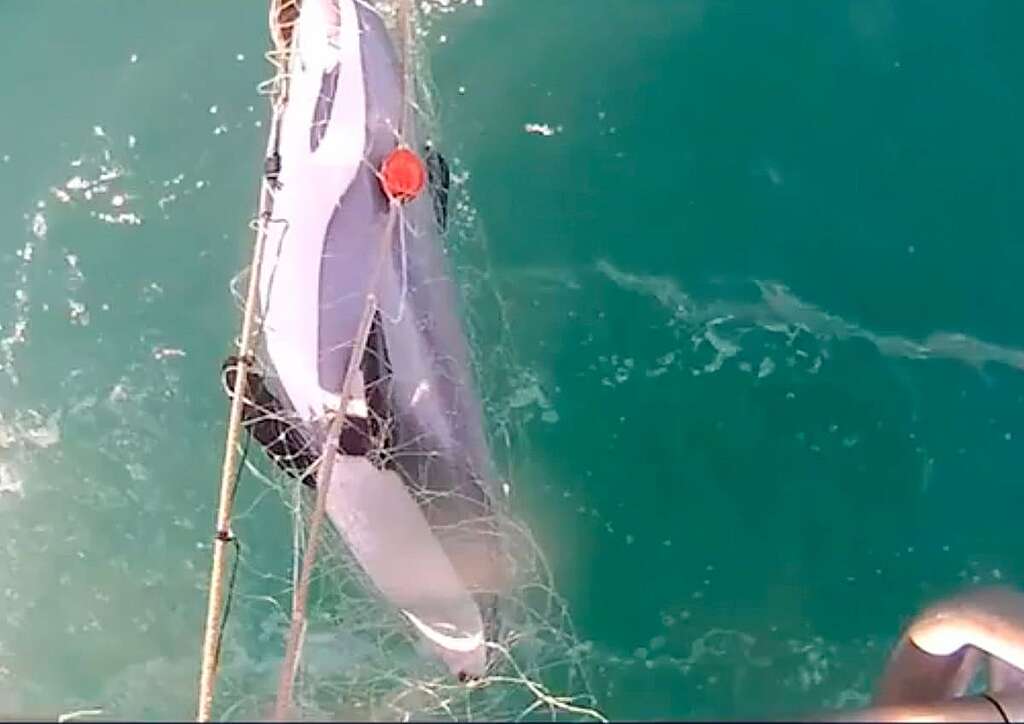
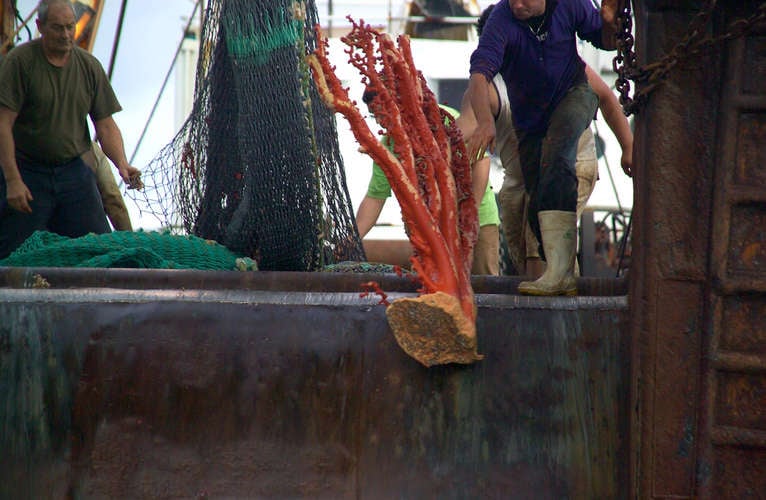
The damage caused by trawlers happens out at sea and is often hidden from public view. Observers on the deep-sea trawling fleet cover only about a third of the total of trips and none of the deep sea trawlers currently have cameras installed. We already know that coral is regularly destroyed by trawl nets—it is par for the course for this type of fishing. Sometimes coral bycatch reaches huge proportions—last year up to 6 tonnes of coral were hauled up in a single trawl out on the Chatham Rise.
Cameras on boats work, acting as our eyes at sea and keeping the fishing industry accountable. Since the introduction of the cameras on boats programme, reported bycatch of protected species like dolphins and albatross exploded, and the behaviour of commercial fishers changed as a consequence of increased accountability. Now the programme must be expanded to the entire fleet, going beyond the inshore vessels and including the deep sea fishing ships.
But what’s essential is that footage from this programme is accessible by others outside the fishing industry and government walls. The cameras are the public’s eyes at sea, and should remain accessible through Official Information Act requests. It is just basic accountability for a private industry operating in a shared environment.
4. Supporting the establishment of a protected area in the Tasman Sea
Due to the low ‘catchability’of coral, we know that most coral destroyed by trawl nets remains on the ocean floor, rather than being hauled up in nets. Scientists have developed models that estimate that the total damage may be hundreds of times what is observed on the surface.
We’ve seen this damage first hand, including centuries old coral forests that have been smashed to pieces by heavy trawl nets. This enormous waste is heart-breaking.
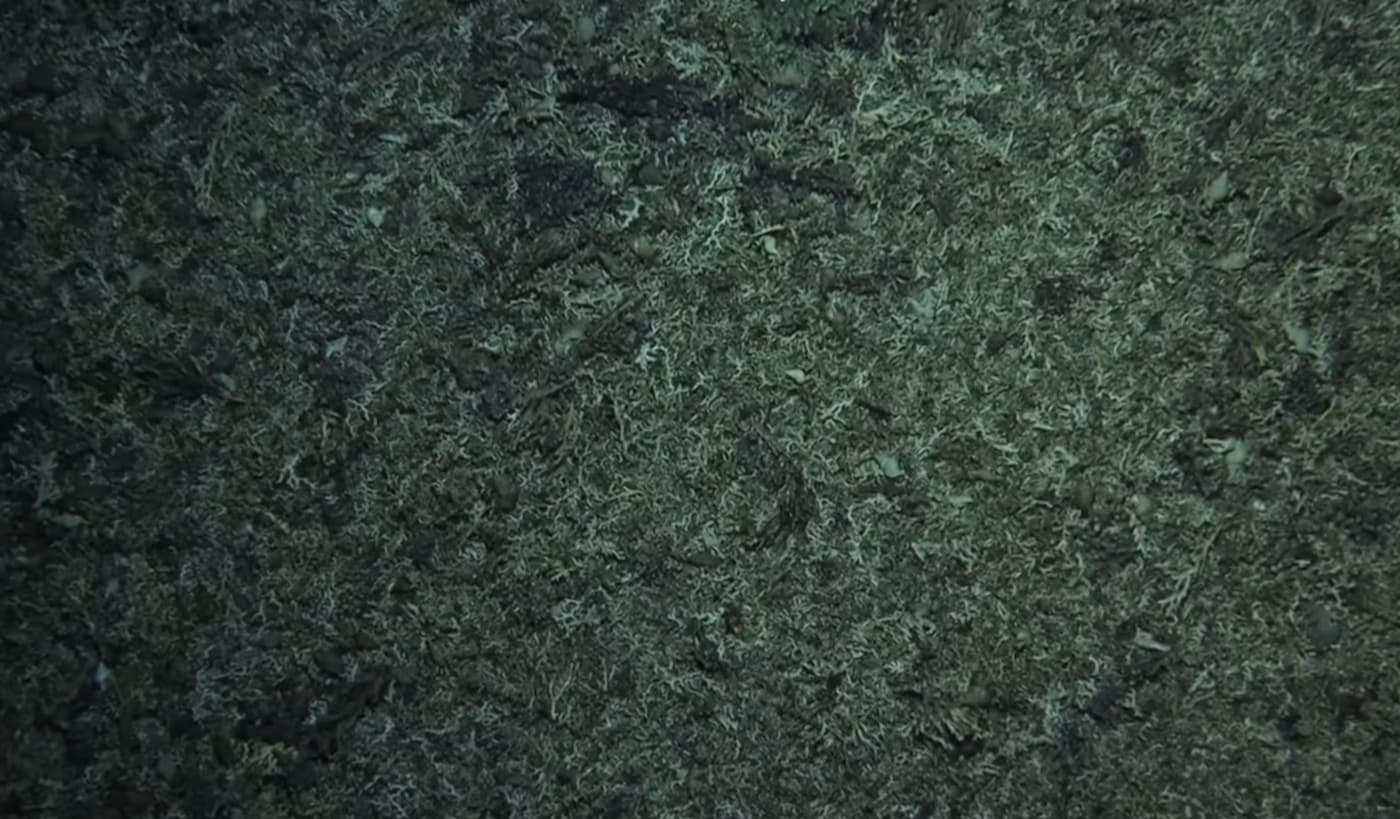
Last year’s Seamounts Expedition visited sites that have been intensively trawled for years and found coral rubble spanning kilometres on end. The findings show presence of Vulnerable Marine Ecosystems (VMEs) that should be protected under international rules.
With the Global Oceans Treaty (also known as BBNJ) we now have the tools and the opportunity to create an ocean sanctuary that would protect these precious environments in international waters of the Tasman Sea. This is one of the first areas earmarked for protection because of all the life that thrives there. The Government must officially support the proposal to protect this vital area for the future.
5. Rejecting The Fisheries Amendment Bill
While Jono was swimming and uniting communities across the country in support for the oceans, the government announced their proposed Ocean Exploitation Bill (also known as Fisheries Amendment Bill).
It reads like a list of handouts for the commercial fishing industry, prioritising their short term profits over the long term sustainability of ocean life. Once made public, it immediately sparked righteous indignation about some of its most outrageous proposals. Most notably the removal of minimum size limits for fish caught by commercial vessels.
To be clear: The bill needs to be rejected in its entirety. Tinkering around the edges will not make it acceptable.
For more details on what’s wrong with the Fisheries Amendment Bill, read this article.
The Bill is now with the select committee and invitations for submissions are open. We have made a submission tool and we encourage you to make your voice heard to kill this rotten bill.
People power wins
While the degree of regulatory capture involved in the proposed Fisheries Amendment Bill is evident, it is also clear that when we speak together the government has no choice but to listen.
When people of all stripes quickly mobilised by contacting their representatives about the removal of minimum size limits in the Fisheries Amendment Bill, politicians including Shane Jones were forced to act and publicly announced they would backtrack on the clause.
The text of the bill has not yet changed, but the response from politicians shows they feel the public pressure. It’s important people make submissions and continue to express their views on the bill. Submissions on the Ocean Exploitation Bill already number in the tens of thousands, and this is only the latest example of an ongoing series of acts of public unity and resistance.
Last year we saw the Hauraki Gulf Protection Act come into force. While it is a step forward for the health of local ecosystems, it was also compromised. Unconsulted concessions to the commercial fishing industry meant ring net fishing was allowed to continue in purportedly ‘high protection’ areas.
But widespread public opposition to the carving out of protections resulted in the National Party’s Tama Potaka doing a u-turn and promising to campaign on overturning the exclusions.
And let’s not forget that late last year, after protests by recreational fishers and ocean lovers, Minister Shane Jones was forced to back down on yet another controversial proposal to allow commercial boats to land and sell marlin. The community spoke up loudly, arguing that marlin are worth more to the people and the ecosystem than they are as commercial bycatch and the government once again was forced to listen, and concede.
This is where you come in—you have the power
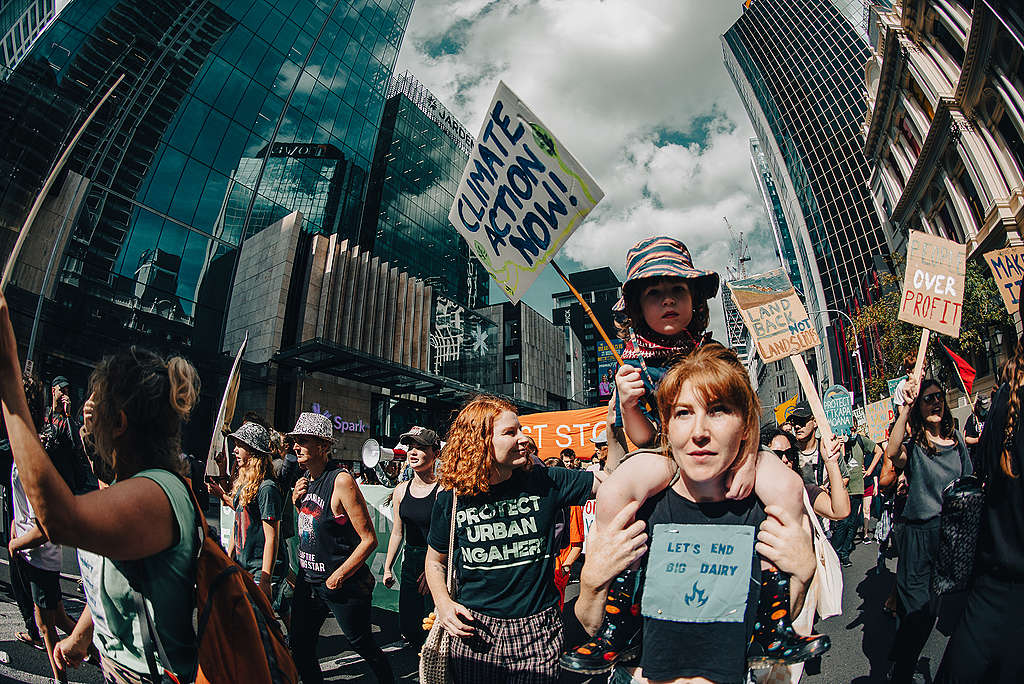
Most of us cannot swim like Jono Ridler, but together we have power.
In this election year, we have the opportunity to tell our potential next leaders that ocean health matters and that there are clear solutions on the table to protect it.
If politicians want our votes, they need to make real commitments to protect these precious parts of the ocean from industrial trawling—with deadlines for making it happen.
There is now a massive, motivated movement to restore the ocean, from Tīkapa Moana to the High Seas. It includes ocean lovers young and old, from all backgrounds and political colours: from mana whenua to recreational fishers, academics and local communities.
With the Global Oceans Treaty, which creates a framework for protecting the high seas, entering into force, 2026 is shaping up to be the year we can finally turn the tide for good – both at home and way out to sea
If we have proven one thing already this year, it is that we the people are united for the health of the seas.
Politicians are meant to serve and represent the public. So let’s make this the election where we vote for abundance over greed and make sure the ocean has a chance to flourish into the future.
Join the call to demand that the NZ Govt bans bottom trawling on seamounts and similar deep sea features, and stop issuing permits for bottom trawling in international waters.
Take Action