Greenpeace is lamenting the paucity of solutions in Budget 2026 to the climate, biodiversity and fuel price crises.
“We’re facing twin climate and biodiversity crises, overlaid by a cost of living crisis directly caused by our economy’s dependence on fossil fuels,” says Russel Norman, Greenpeace Executive Director.
“Yet the Budget has no plan to decarbonise our economy and hence simultaneously address the cost of living and climate crisis,” says Norman.
“There is no plan to decarbonise the transport sector which is highly dependent on imported fossil fuels and produces a fifth of all New Zealand’s climate pollution.
“The new Road of National Party Significance will cost us $112 million per kilometre but will do absolutely nothing to deal with the cost of transport which is driven by fossil fuel dependence.
“The Budget has money to repair state highways being damaged by extreme weather events but no plan or money to cut the climate pollution that is causing the damage.
“There is no plan to support everyday New Zealanders’ uptake of rooftop solar and batteries which would actually help with the cost of living crisis.
“On the positive side there is an investment of $1 billion in rail and the previously announced, yet begrudging, loan scheme to support businesses to reduce fossil gas use.
“Undermining that, on the biodiversity front, there are further cuts to the Department of Conservation. And the use of $100 million of the International Visitor Levy simply replaces existing baseline funding.”
The Government’s climate policy has resulted in large fiscal costs:
- The National Party’s original fiscal plan released in 2023 included $2.1 billion in revenue, over four years, from Emissions Trading Scheme auctions. But these auctions have largely failed due to the weakening of climate policy leaving a large hole in the Government’s revenue.
- The Government is allocating $200 million to subsidise oil and gas exploration.
- The fiscal impact of the Government decision to weaken the Clean Car Standard directly cost the Government $264 million.
- The fiscal impact of subsidising agribusiness climate pollution, by keeping them out of the ETS, is hard to quantify but will be hundreds of millions.
- The $23 billion liability for failing to meet the Paris climate agreement.
“Now is not the time for business as usual. Now is the time to embrace our renewable energy future,” says Norman.
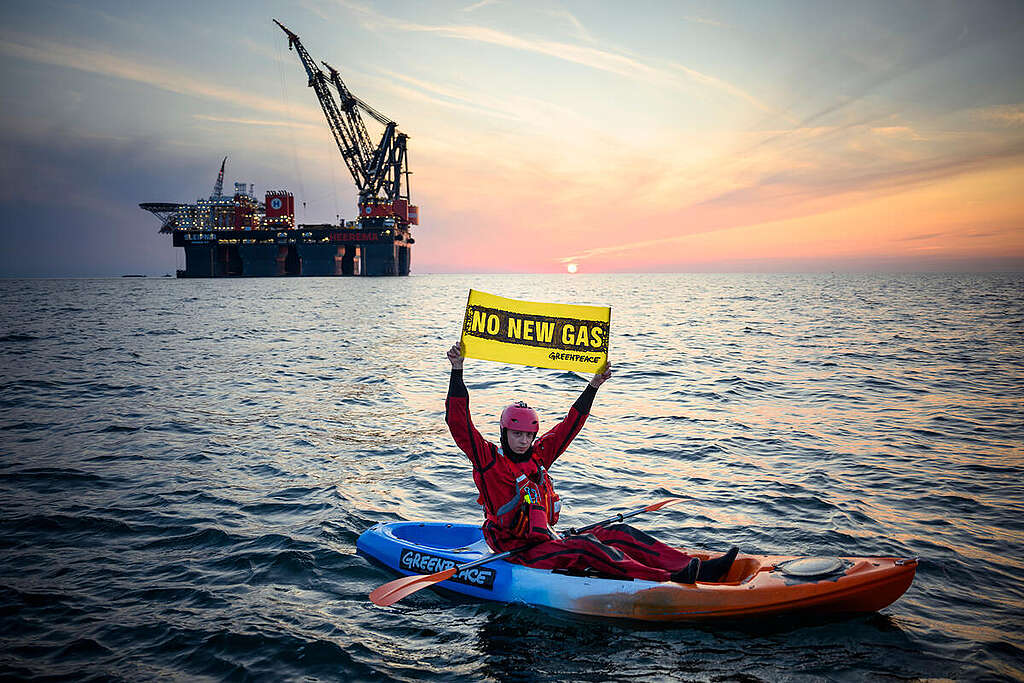
We call on the Government to reject plans for an LNG facility, invest in renewables & embrace a Clean Energy Future for NZ
Add my name