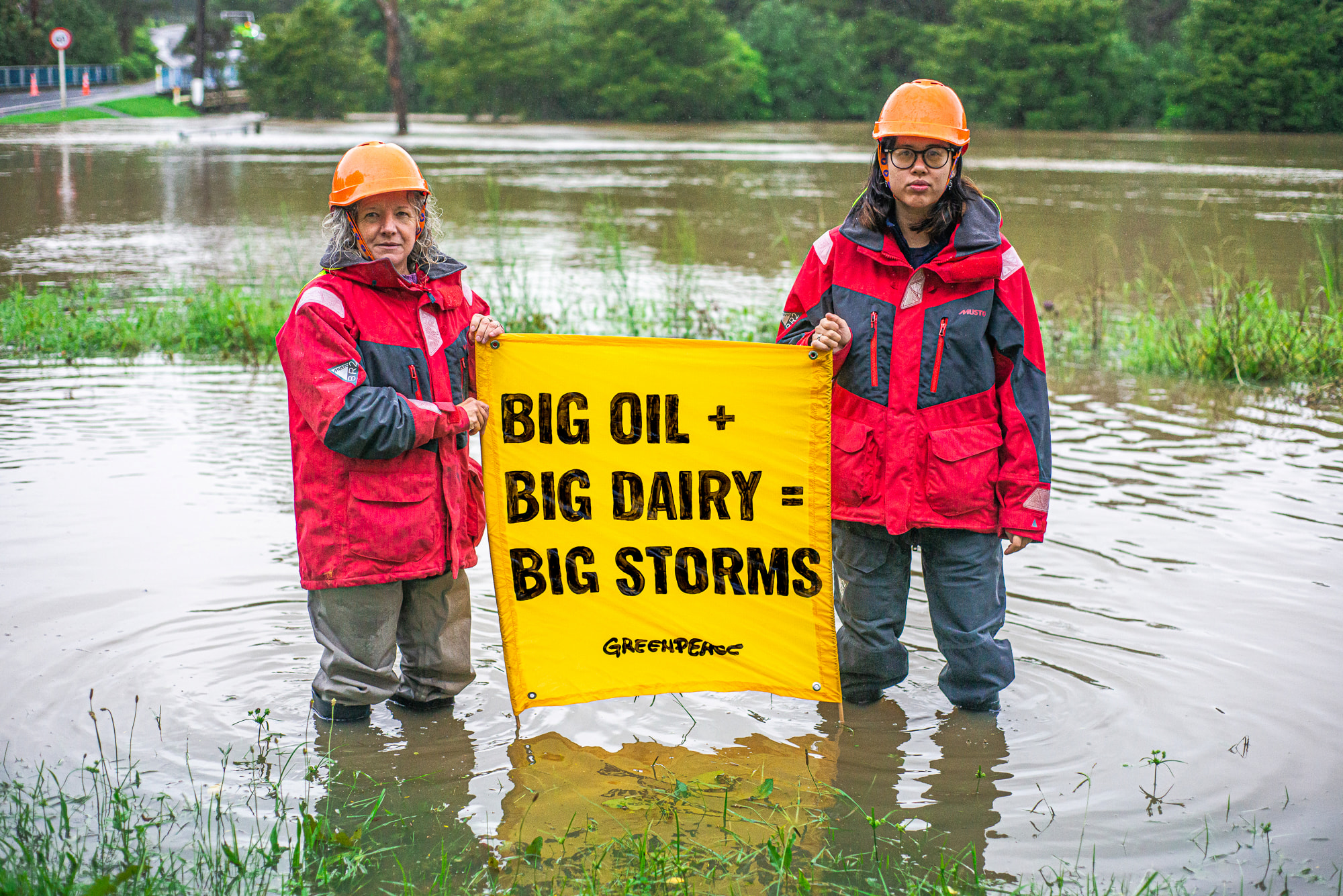
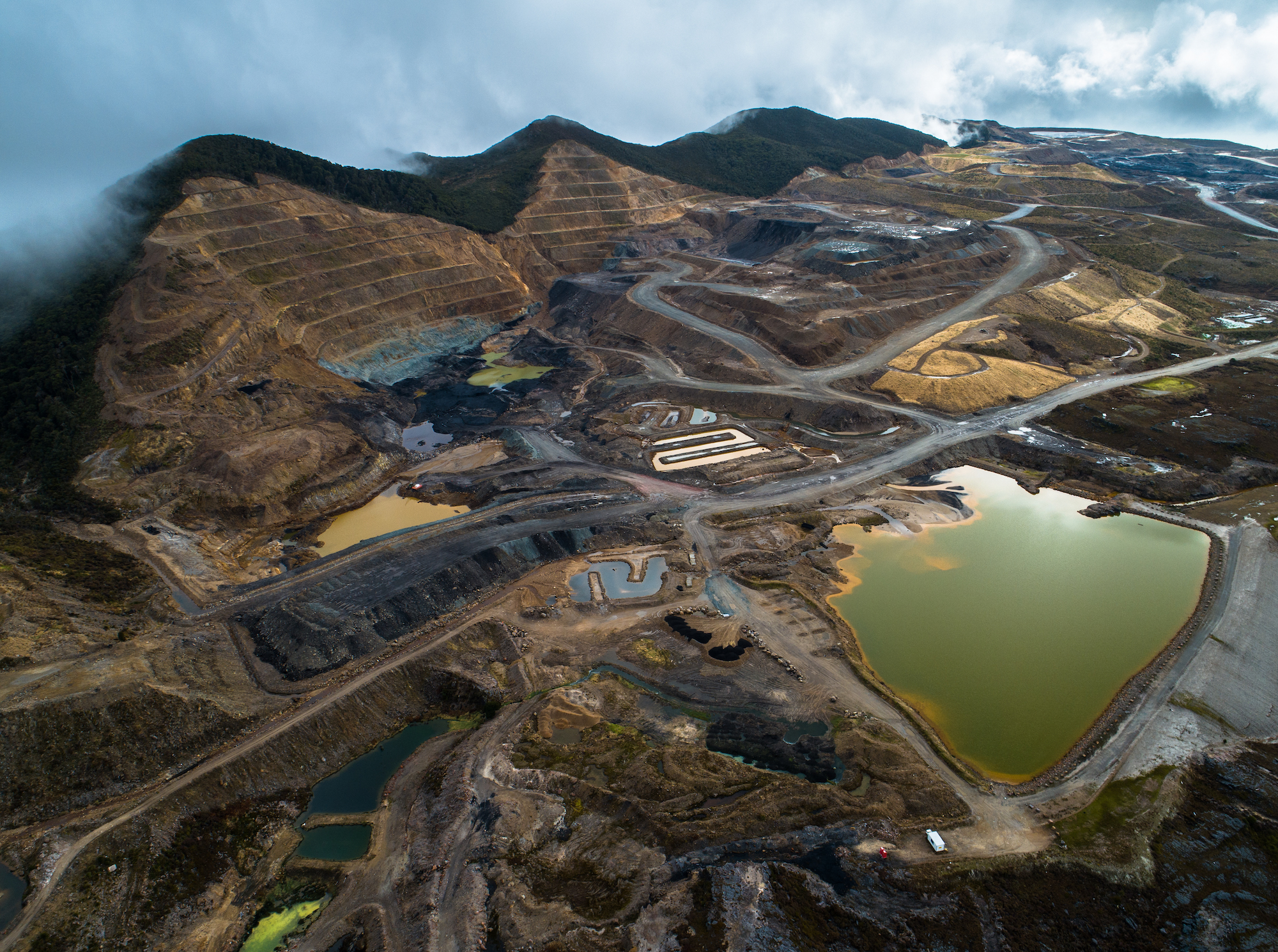
The Luxon Government has torn up the Resource Management Act (RMA) — the law that has protected Aotearoa’s rivers, forests, coastlines and wildlife for more than 30 years.
And just this week it announced that the two bills that will replace the RMA are going to go even further in putting polluters first, and nature last.
After months of public submissions and scrutiny from Parliament’s Environment Select Committee on its original Bills to replace the RMA, you might expect the Government to have softened the most extreme anti-nature and anti-treaty parts of the Bills.
Instead, it has doubled down and made them even more dangerous.
The latest changes tear up agreements between iwi and councils, make the public pay polluters to stop polluting, get rid of environmental limits, make it easier for companies to kill native wildlife and even delete the precautionary principle.
Here are five key things you need to know.
1. They’re ripping up agreements between iwi and councils
One of the Government’s most alarming new changes is its decision to tear up existing Mana Whakahono ā Rohe agreements between councils and iwi.
These agreements strengthen relationships between councils and iwi. They are agreed to by both parties and they set out how councils and tangata whenua work together on planning, information sharing and environmental management. They help ensure Treaty settlement commitments are respected and provide stability and certainty for everyone involved.
In the original Bills, existing agreements would have carried over into the new planning system.
Now the Government has decided to scrap them altogether. This is after Federated Farmers lobbied them to do it. This is a major step backwards for Aotearoa and has been described by one Māori environmental expert as “a racist reaction to having Māori around the table”.
It’s a huge rollback of Māori participation in environmental decision-making and another step towards sidelining tangata whenua from decisions about their ancestral land and waters that they have cared for for centuries.
2. They’re making the public pay polluters
One of the other most outrageous proposals remains untouched.
The public should never have to pay companies to stop polluting drinking water, cutting down ancient native forests, killing wildlife, or emitting dangerous toxins into the air.
But the Government has ignored overwhelming opposition and kept its corporation compensation scheme (coined regulatory relief by the Government so that it sounds benign).
Under it, councils would be forced to compensate companies and landowners when stronger environmental rules affect their profits.
The Government’s own report has estimated the cost to ratepayers via their councils could be as high as $1.99 billion.
Think about what that means.
If a council wants stronger rules to stop rivers being polluted, prevent wetlands from being drained or stop forestry slash destroying homes and waterways, local communities may first have to compensate the very companies causing the problem in the first place.
It completely flips the polluter pays principle on its head. Instead of polluters paying for the damage they cause, the public has to pay polluters to stop causing it.
3. Environmental limits are being cut
Environmental limits are one of the foundations of environmental law.
They’re the legal bottom lines that stop rivers becoming too polluted, ecosystems being pushed beyond recovery and communities being exposed to unacceptable environmental harm.
The revised Bills remove the requirement to keep commercial development and agriculture within environmental limits. They expand ministers’ powers to approve any activities and infrastructure that breach those limits if they decide the activity is ‘publicly beneficial’.
They’re even proposing that environmental limits are not set based on the scientific evidence of how much pollution or degradation a river, aquifer, lake or ecosystem can sustain. But based on economic considerations as well,
If environmental limits can simply be overridden by politicians, and aren’t even based on scientific evidence (but on ‘economic considerations’) – they’re no longer limits at all.
4. It’s getting easier to kill protected native wildlife
At a time when thousands of native species are already on the brink of extinction in Aotearoa, you would expect wildlife protections to be getting stronger.
Instead, these Bills continue to weaken them.
The Government is keeping the changes they proposed that take key wildlife decisions away from the Department of Conservation and make it easier for companies to get a permit to kill protected native wildlife.
Kiwi, bats, lizards, native fish and countless other species are already fighting for survival. Weakening the laws that protect them moves us in exactly the wrong direction.
5. They’ve deleted the precautionary principle
For decades, environmental law has recognised a simple idea: when there is genuine scientific uncertainty about the risk of serious environmental harm, it’s better to be cautious than to discover the consequences too late.
That’s known as the precautionary principle.
Whether it’s freshwater, biodiversity or emerging contaminants, ‘better safe than sorry’ has long been one of the cornerstones of good environmental management.
But the Government has removed it from the Bills because it says it wants decision-making to be more “proportionate” and “evidence-based.”
But the precautionary principle exists precisely because waiting for perfect evidence can mean acting only after irreversible damage has already occurred.
This is why we’re marching
These Bills represent a fundamental shift in whose interests New Zealand’s planning system and ‘environmental’ law is designed to serve.
Instead of strengthening protections for the rivers we swim in, the forests that hold hillsides together and store carbon and the wildlife that makes Aotearoa unique, the Government is dismantling many of the safeguards that have protected them for decades.
If you needed another reason to join the March for Nature, this is it.
On 19 September, thousands of New Zealanders will come together in Tāmaki Makaurau Auckland to defend the places we love and send the Government one clear message:
Nature is not for sale.
Because the water we drink, the air we breathe, and the forests, coastlines and wildlife we share Aotearoa with are worth showing up for.

Add your name now to demand Chris Bishop abandon his dangerous RMA reform plan.
Sign the petition