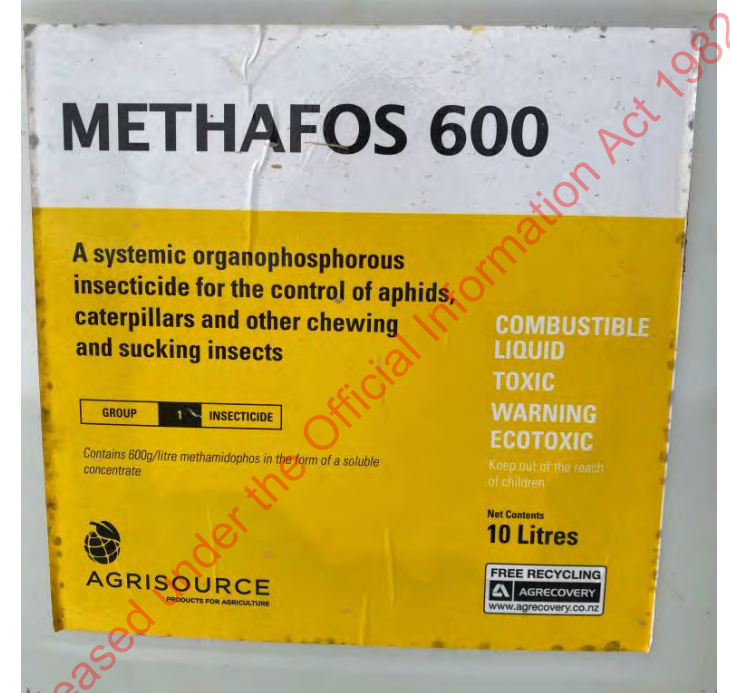
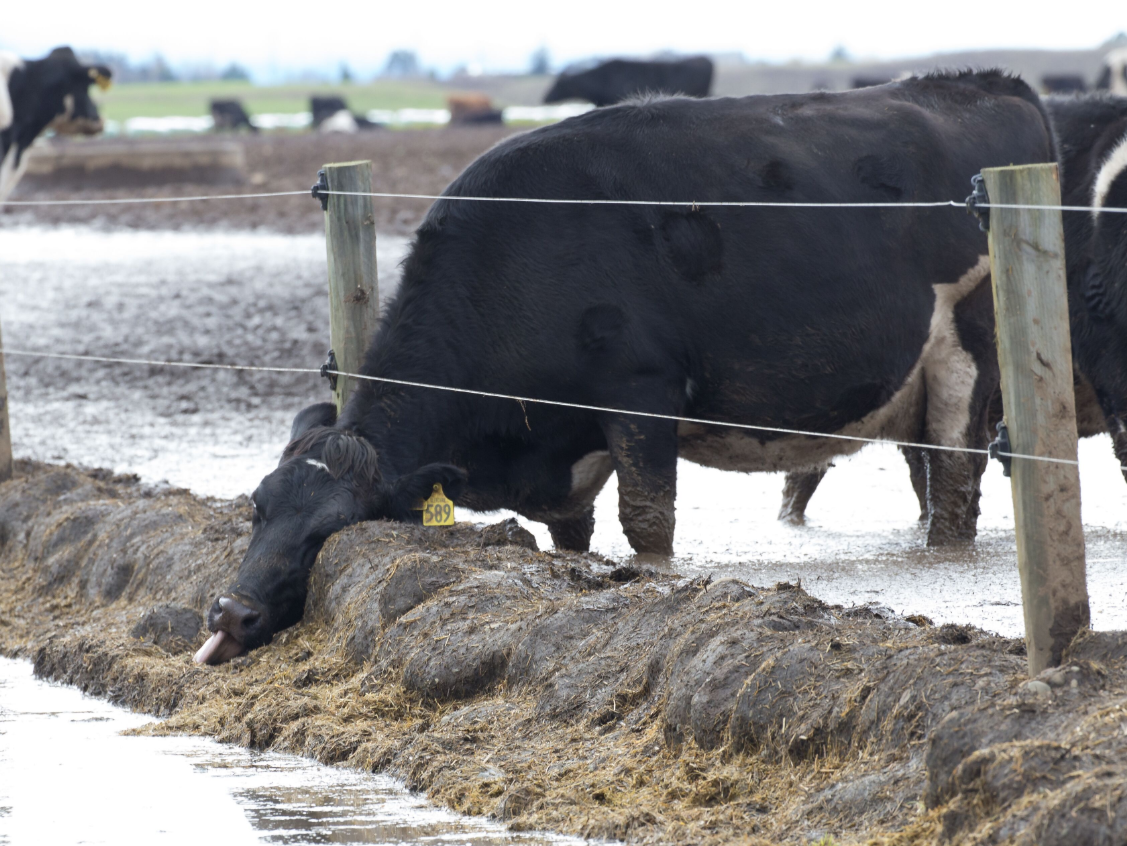
It’s impossible to find any winners in the current industrial food system… aside from a few rich blokes.
Colleagues warned me that campaigning against the big dairy industry in New Zealand would be like campaigning against the oil industry in Saudi Arabia. No one wants to hear it.
Shut up. Worship the sacred cow. Sit down and eat your steak and cheese pie.
But the only way to cool the planet in our lifetime is to cut methane emissions from industrial agriculture. Processed meat is a literal carcinogen and we are undoubtedly eating way too much meat. And the urine and poo from the corporations who are seemingly trying to fill every square metre of farmland with animal agriculture is filling our drinkable water with poison. And the intensive agriculture industry has effectively become a wealth extraction machine. So.
I reckon it’s worth a conversation or two.
After a few months of working with the team in Aotearoa, I moved to Greenpeace’s global agriculture team. My eyes nearly popped out of my head—I can’t believe how much we’ve let the big ag billionaires get away with.
Globally, big agriculture has become one of the most brutal, unregulated arenas of modern class warfare. We are so distracted by the wildly romanticised, borderline-hallucinatory vision of how our food is made that we’ve allowed a group of corrupt weirdos to ruin entire ecosystems.
Big Ag is worsening inequality, dictating who profits, who does the back-breaking labour, and who gets to afford real food.
And I’m not pointing at the farmers. They also bear the brunt of the bad system. We picture Old MacDonald as a rosy-cheeked farmer in dungarees, wandering around a dewy paddock, giving a friendly pat to a cow named Buttercup before heading in for a cuppa. But that’s a far cry from reality. And across the world, farmers are being squeezed hard.
The real winners, the ones hoovering up all the cash, are the corporate megaliths sitting in castles with literal moats, who have gone full Black Mirror. (I’m not being hyperbolic here. The chief executive of Europe’s largest poultry producer—which processes about 697 million chickens annually—lives in a moated castle.)
A tiny handful of firms control the world’s seeds, the chemicals, the grain trading (ahem, Cargill), and the meat processing. Control of the knowledge has become control of the production.
You own the dirt, but Bayer owns your destiny.
The workers
While the farmer is being squeezed from above, we rarely see who is being crushed below.
Industrial agriculture relies entirely on a vast, invisible, exhausted underclass.
According to an extensive European study by Oxfam, at least one in four agricultural workers across Europe are migrants, routinely paid below the minimum wage. In massive agricultural export hubs like southern Spain—which feeds the supermarkets of the UK and Northern Europe—investigations by Ethical Consumer and The Guardian found thousands of Moroccan and sub-Saharan seasonal workers living in makeshift shacks cobbled together from scrap metal and plastic greenhouse sheeting. No sanitation, no running water, no electricity, picking fruit for pennies under enforced corporate curfews.
Then look at the meat processing sector, where the exploitation moves from physical deprivation to psychological horror. Slaughterhouse workers globally are subjected to some of the most dangerous, precarious contracts in the industrial world. Beyond the constant risk of physical injury, a landmark systematic review published by the National Institutes of Health revealed the devastating mental health toll.
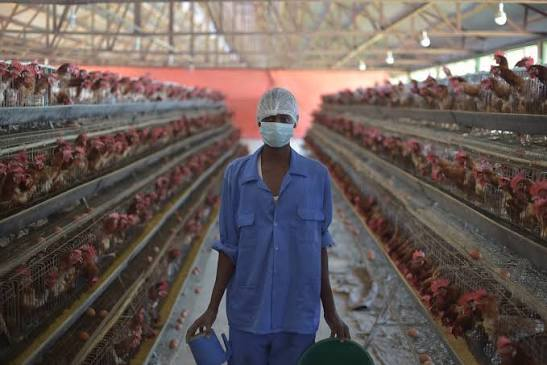
Slaughterhouse workers experience disproportionately high rates of depression, anxiety, and substance abuse. More horrifically, researchers have identified that mechanically ending thousands of lives every day induces a specific form of PTSD known as PITS (Perpetration-Induced Traumatic Stress). As documented by the Yale Global Health Review and the AMA Journal of Ethics, this manifests as severe emotional numbing, dissociation, and high trauma, which often spills over into domestic violence and substance abuse in the surrounding communities. Recent European studies on emotional detachment in abattoirs show workers are forced to mentally “switch off” just to survive the shift.
The farmer might be trapped by a mortgage, but the processing and seasonal worker is trapped in a meat-grinder of human rights abuses and mental trauma.
This is the most heartbreaking part of this “agro-feudalism” the agriculture oligarchy has built—they are the lords, ruling over the debt-ridden farmers who are managing the land. The exploited “peasantry” are getting hit the hardest.
Privatised profits, socialised harm
What villain is funding this dystopian monopoly?
You are, mate. Sorry.
In the US and Europe, farmers get direct cash subsidies on the taxpayer dollar.
New Zealand farmers are subsidised differently—we let them pollute our “100% pure” natural world for the steep fine of zero dollars. We exempt them from the Emissions Trading Scheme. We let them suck our aquifers dry for irrigation at virtually no cost, and then we leave the taxpayer to pick up the tab and enjoy the nitrate-poisoned drinking water. We are literally paying them to outsource the environmental damage to the rest of us.
I’m not sure which system is worse—the harm to our health is turned into privatised profit no matter which country you call home.
They’re exporting the apocalypse
It is estimated that by 2030, climate change could push an additional 120 million people into extreme poverty. Up to 600 million people in Africa are staring down the barrel of malnutrition because their agricultural systems are collapsing under the weight of droughts and floods they didn’t cause. In the world’s poorest nations, crop yields are projected to plummet by up to 30 percent.
Big ag is effectively outsourcing the consequences of its pollution to the people least responsible for it. Industrial meat and dairy production is a massive driver of methane. So the Global North gets to eat the cheap, factory-farmed burgers, and the Global South gets the resulting climate crisis—and the bill for it.
It’s effectively an engineered geographical wealth transfer.
The supermarket has become the theatre of the class war
What do we, the lucky consumers, get out of this arrangement? A stark, depressing class divide that we experience while wheeling our trolleys through the supermarket.
Because of food inflation and corporate consolidation, the supermarket aisle has become a battlefield where your income dictates your physical health. If you have capital, you get to swan about buying “ethical,” locally sourced heirloom vegetables and beef that was sung to sleep by monks. You get to buy nourishment.
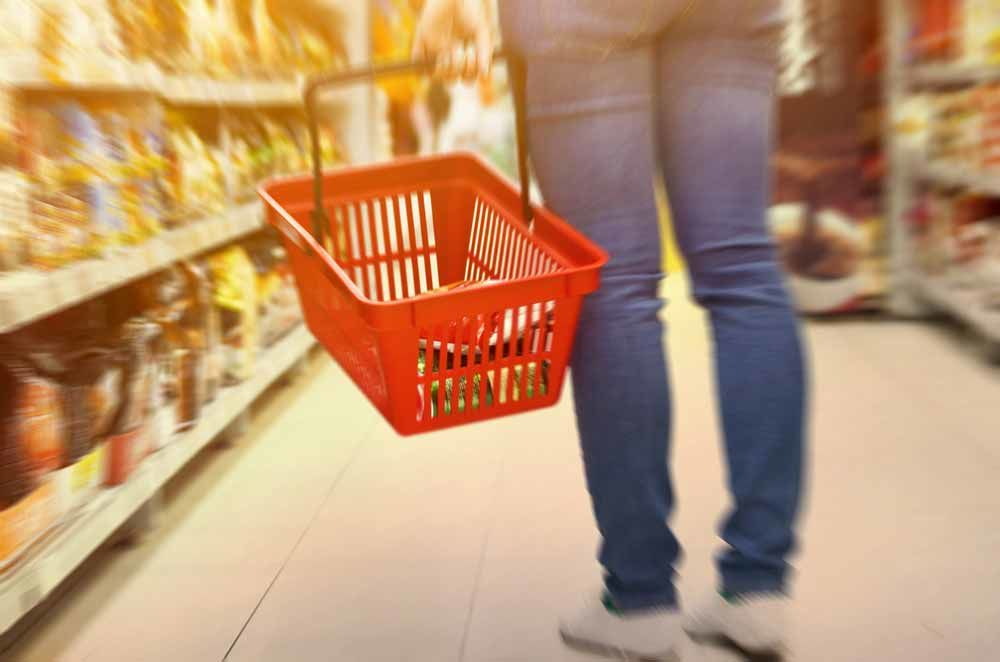
If you are poor, you are a captive market for ultra-processed, artificially cheap caloric sludge.
Big Ag has engineered a system where real food is a luxury good, and the working class is fed just enough cheap, subsidised corn-syrup and filler to keep them on the treadmill.
It creates a vicious cycle—the poorest suffer the chronic health consequences of this diet, bearing the physical and financial burden, while the food giants post record profits. Inequality literally shows up in our bloodwork, and, at least in New Zealand, we’re told to just be intensely, pitifully grateful that the price of a block of generic cheese hasn’t hit twenty dollars yet.
The food system is the most fundamental arena of modern class struggle.
A handful of corporate executives and shareholders are extracting wealth from rural communities, poisoning the public commons, and actively deciding who gets the privilege of health and who gets the burden of sickness.
Do we want a food system run by our neighbours and communities that respects ecological limits, pays its workers, and feeds its people?
Or do we want to hand the keys to our caloric survival over to concentrated capital that views the planet—and us—as a spreadsheet to be endlessly optimised to eke out ever more profit?
I know which one I’d prefer. But until we stop worshipping the sacred cow, we’re all just going to keep eating the bullsh*t.
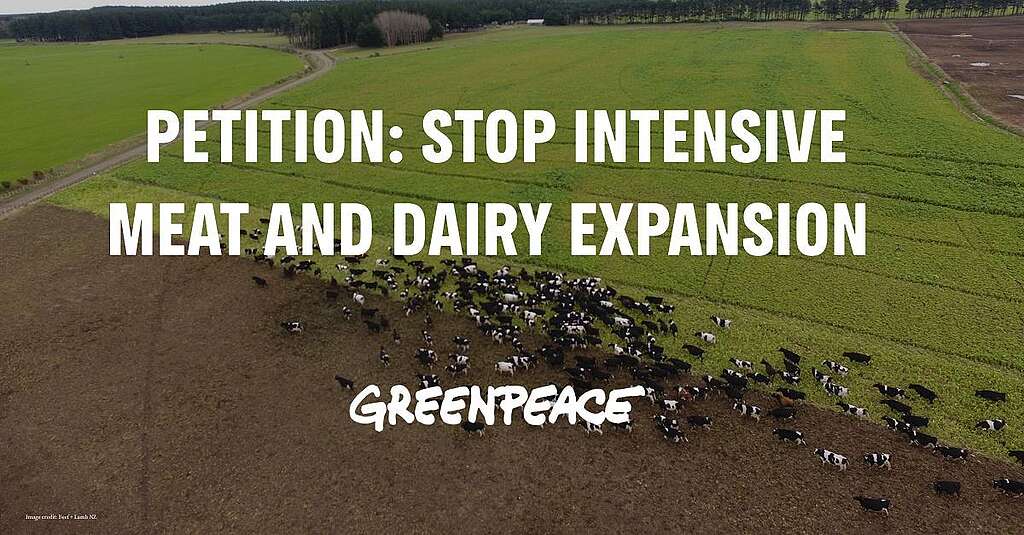
Call on world leaders to stop intensive meat & dairy expansion.
Take Action