Anti-War Aotearoa and Greenpeace are calling on Kiwis to join the March for Peace on 20 June in Auckland. I will be marching.
I will be marching for many of the same reasons that compelled me to march against the Vietnam war in 1973 as a 12-year old: opposition to New Zealand participation in wars of aggression, solidarity with humanity and a belief that peace trumps war.
When history calls, you should answer the call!
Soon after that first march, I attended my first rallies outside the South African Consulate in Wellington to protest the Apartheid regime. Two years later, as a 16 year-old, I marched on the final leg of the Te Hīkoi o te Motu, the Māori Land March led by the great Whina Cooper.
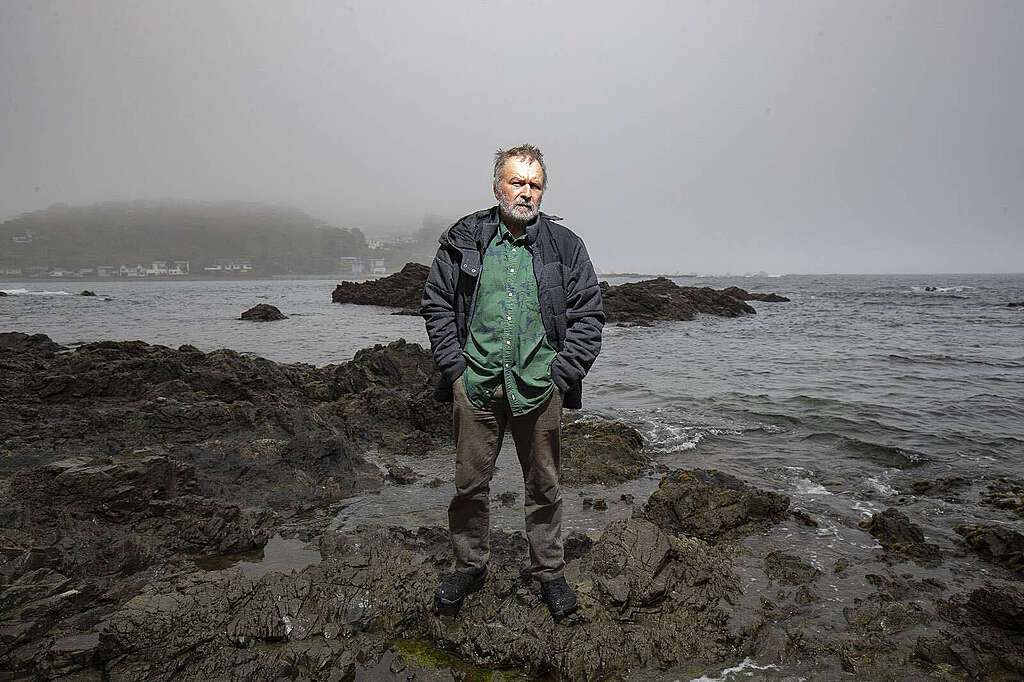
I vividly remember heading out into Wellington harbour in 1983 on a small yacht, part of a peace flotilla made up of kayakers, yachties and wind surfers, that tried to stop the USS Texas from berthing.
It won that battle that day but we won the war for a nuclear-free New Zealand.
Peace and Justice were the beating heart of all those causes. It was about ordinary New Zealanders standing up and saying: Not in Our Name.
We didn’t want our soldiers killing Vietnamese people in Vietnam. We didn’t want our government or our sports people to support the racist South African regime. We wanted to live in a New Zealand that honoured the Treaty of Waitangi and where both Māori and Pākehā stood shoulder-to-shoulder to build a better country for all New Zealanders.
The election of Norman Kirk’s government was made possible by the protest movement convincing enough New Zealanders that real change was needed. One of the Kirk government’s first acts was to end our shameful participation in the Vietnam war.
After the sinking of Greenpeace’s Rainbow Warrior by the French government in Auckland Harbour in 1985, the peace movement went into overdrive. We mobilised. We marched. We took part in campaigns that drove real societal change.
Our footsteps today lead to the future we want
Many of these changes reach down to the present day through legislation like the New Zealand Nuclear Free Zone, Disarmament, and Arms Control Act 1987, the 1985 revision to The Treaty of Waitangi Act, the Conservation Act 1987, the State-Owned Enterprises Act 1986 (that means the Crown must act in a manner consistent with the principles of the Treaty of Waitangi), and the Homosexual Law Reform Act 1986.
Several of these gains are now under threat.
Marching for peace is a great way to show solidarity and to bring together great everyday New Zealanders.
As a side note: the greatest march I ever went on was the Wellington section of Te Hīkoi mō te Tiriti in 2024. Toitū Te Tiriti! It was as big a march as I ever attended in Aotearoa and it was for a cause that should matter deeply to us all.
No one should doubt that getting out and marching is also part of a process – sometimes long and hard – that can lead to powerful changes in national sentiment and put real pressure on political parties to return the country’s policy settings towards justice and a better, kinder, safer Aotearoa.
The organisers of the March for Peace are Greenpeace and Anti-War Aotearoa. They are united around respect for the United Nations Charter and rejection of any support whatsoever for US wars of aggression. I am proud to be counted in their numbers.

Marching for peace – why now?
The genocide in Gaza and the West Bank has not stopped. The destruction of the communities of Lebanon is ongoing. The sovereign state of Iran is the subject of ongoing US-Israeli aggression in contravention of international law. Cuba is in danger.
We live under a government that has doubled spending on a war machine that – given our alliance with a rogue and hostile USA – will not make us safer. Global research shows the US is seen as the greatest risk to humanity today.
We live under a government that wants our military to be “interoperable” with the Americans. They are negotiating with the US to give their war machine access to our critical minerals and allow foreign corporations to undertake seabed mining and other environmentally damaging activities.
We live under a government that has money for missiles but ignores the daily horror that 30,000 homeless New Zealand children must endure. Scrapping national subsidies for youth transport and getting rid of thousands of public service jobs whilst finding more and more money for a war on China is madness.
That needs to change. I feel exactly the same passion as I did as a 12 year-old whose political awakening was the US (and New Zealand) war of aggression against Vietnam – even if, at the time, I wasn’t exactly sure what the word “mobilisation” meant!
If you haven’t marched for a long time or if you have never marched but support this cause, here’s my invitation: head down to Aotea Square on 20 June and step forward to March for Peace.
Because marching matters.