Brussels, 3 June 2026 – In an EU first, the new government of Denmark has taken a landmark decision to better protect public health by lowering the nitrate limit in drinking water, currently set at 50 milligrams per litre (mg/L) in the EU.
The decision is part of the programme for government (link is in Danish) of the four-party coalition announced yesterday by Prime Minister Mette Frederiksen. It is based on the results of a 2025 expert report commissioned by the Danish government, which recommended 6 mg/L as a healthy limit based on recent peer-reviewed research that suggests a link between nitrates and an increased risk of colorectal and bowel cancer at levels well below 50 mg/L, including a large Danish cohort study involving 2.7 million people.
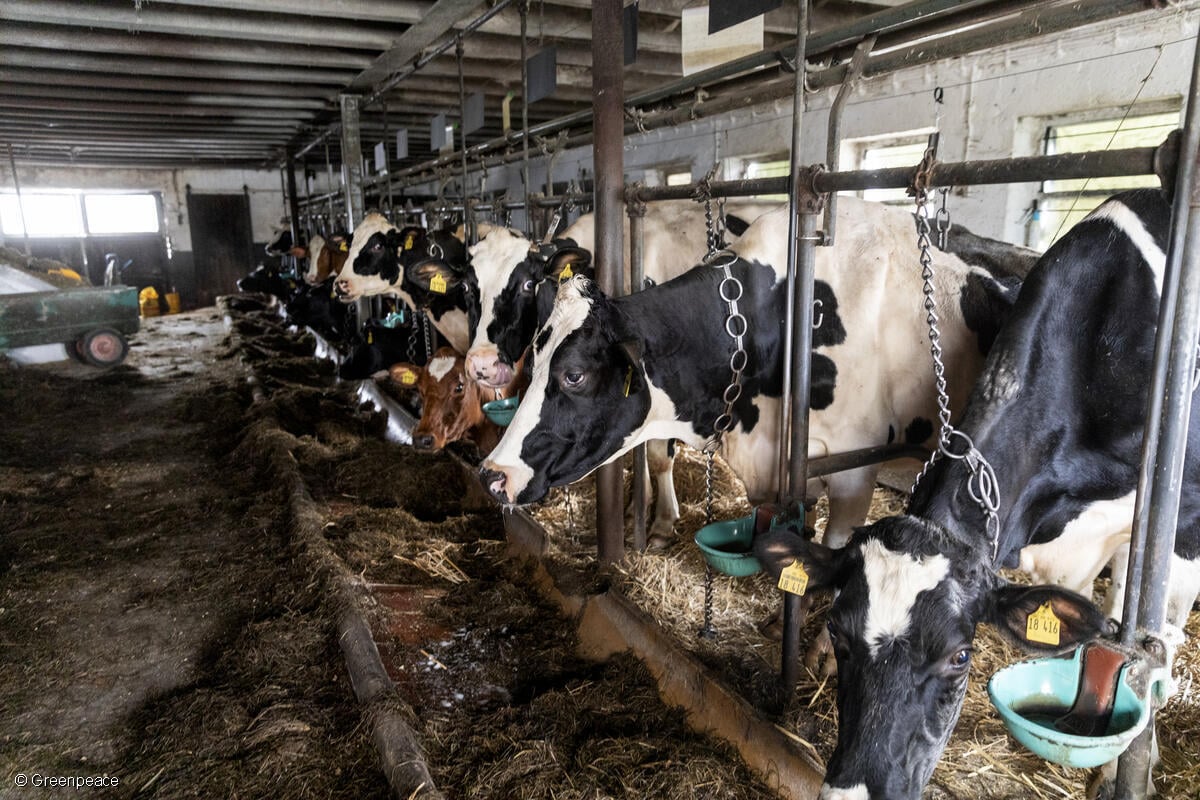
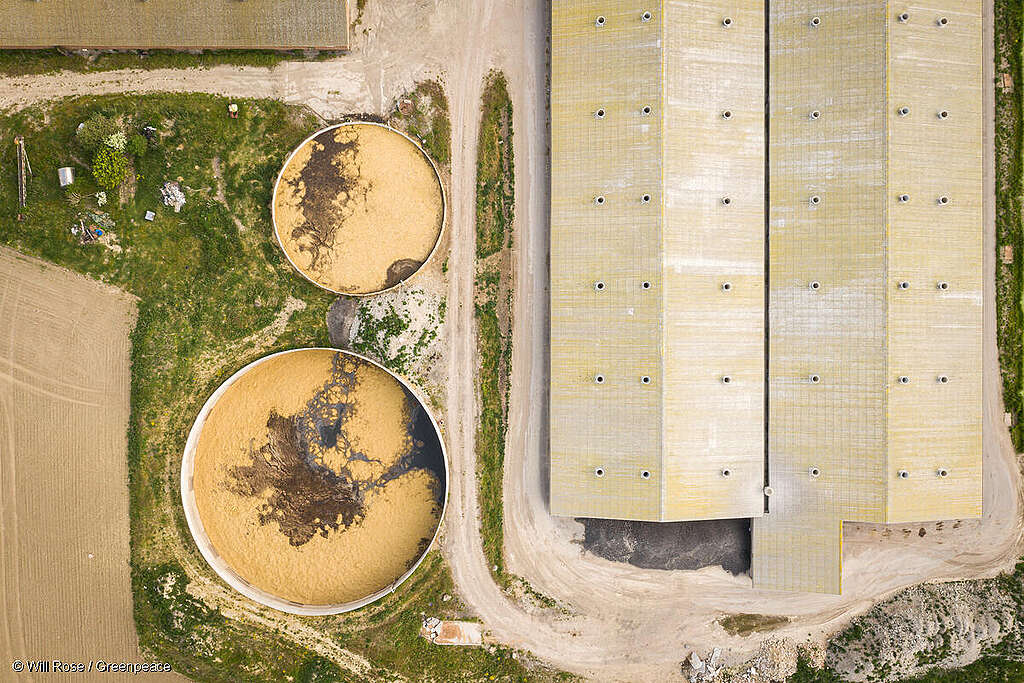
Agricultural sources like animal manure, urine and fertiliser account for most of the nitrogen pollution in EU drinking water. The largest share comes from cattle, then pigs.
The recent general election in Denmark has been dubbed the “pig election” as the issues of intensive animal farming, pollution and clean drinking water featured prominently in the campaign. Denmark has more farmed pigs per capita than any other country.
*** Read our April 2026 media briefing on nitrates and drinking water ***
Marco Contiero, Greenpeace EU agricultural policy director said: “As farm lobbies use the fertiliser crisis to push for further weakening of health and environmental safeguards, Denmark shows that the opposite is needed. Denmark is putting health protection first, opposing the deregulation agenda and setting a new benchmark. Everyone deserves safe drinking water, but will governments in the rest of Europe listen to the science and follow where Denmark has led? And will the European Commission address the problem of nitrates in its upcoming Livestock Strategy? Nitrates pose a danger to human health at concentrations far below the current outdated European limit of 50 mg/L, and intensive animal farming is the main cause. It’s time to secure universal access to clean and safe drinking water, without making people and society pay the price of pollution.”
Further deregulation cannot be justified when public health is already at risk
High nitrate levels are widespread in the EU, averaging 21 mg/L in groundwater between 2000 and 2022. About 65% of the EU’s drinking water comes from groundwater.
Farming communities are more likely to be exposed to the health risks associated with nitrates, as small rural water supply systems are significantly more vulnerable to nitrate contamination than large urban systems.
Denmark’s decision comes as the EU has moved to deregulate industries and remove environmental safeguards as part of a push for economic competitiveness. The European Commission recently put out a call for evidence regarding the bloc’s key water protection regulation, the Water Framework Directive, and amended the Nitrates Directive to allow nearly 50% more manure-derived fertilisers (known as RENURE) to be spread per hectare.
Next steps
Greenpeace is calling on the EU and national governments to follow Denmark’s example, recognise the newly-established health risks associated with nitrates in drinking water, and set a limit in line with the latest scientific findings.
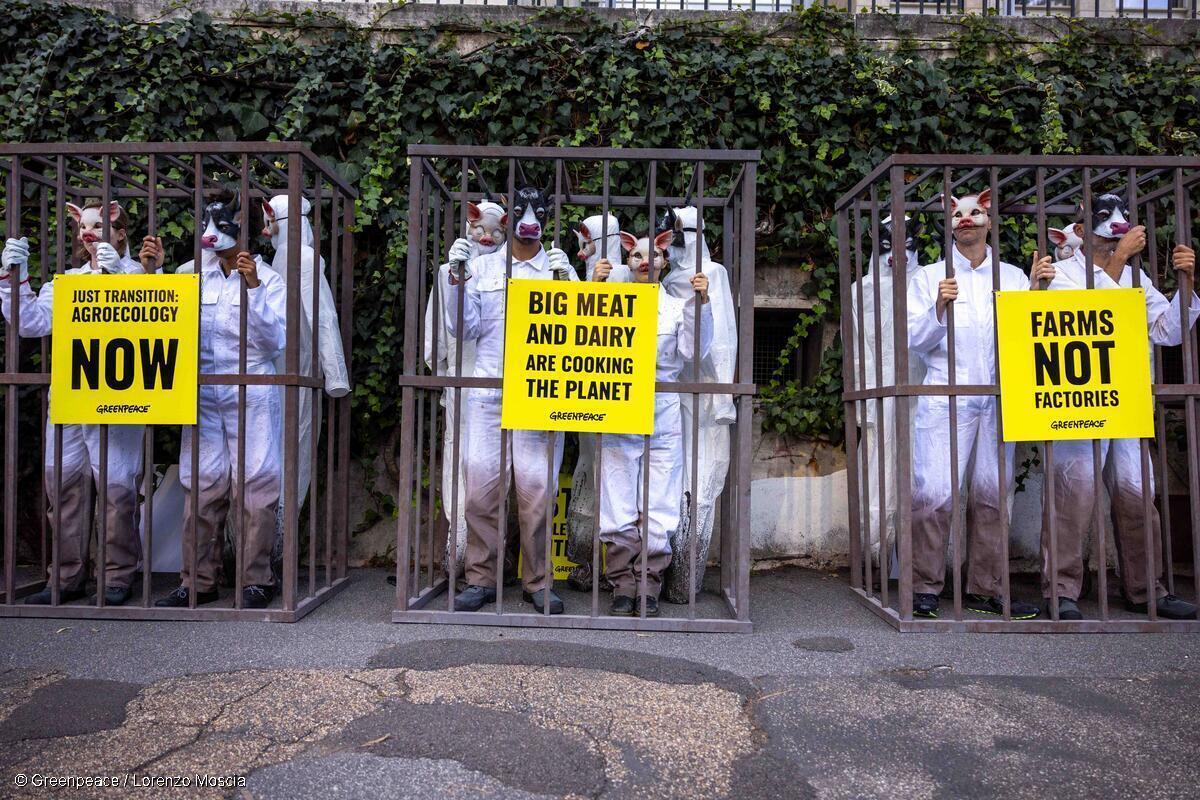
To achieve a safe level across the EU, governments must cut pollution at source by ending the expansion of industrial animal farming, reducing the number of animals raised, particularly in high concentration areas, and significantly cutting the use of synthetic nitrogen fertilisers.
They can do this by reinforcing the Nitrates Directive, the Water framework Directive and other regulations that protect water. Other policies, including the Common Agriculture Policy and the upcoming Livestock Strategy, should be aligned with the objective of safeguarding communities’ water sources.
Contacts:
Marco Contiero, Greenpeace EU agriculture policy director: +32 (0)477 777034, [email protected]
Greenpeace EU press desk: +32 (0)2 274 1911, [email protected]