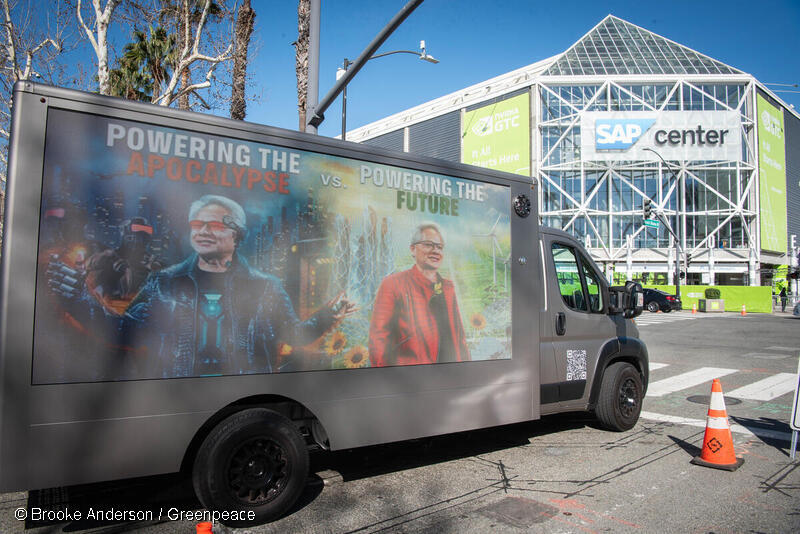
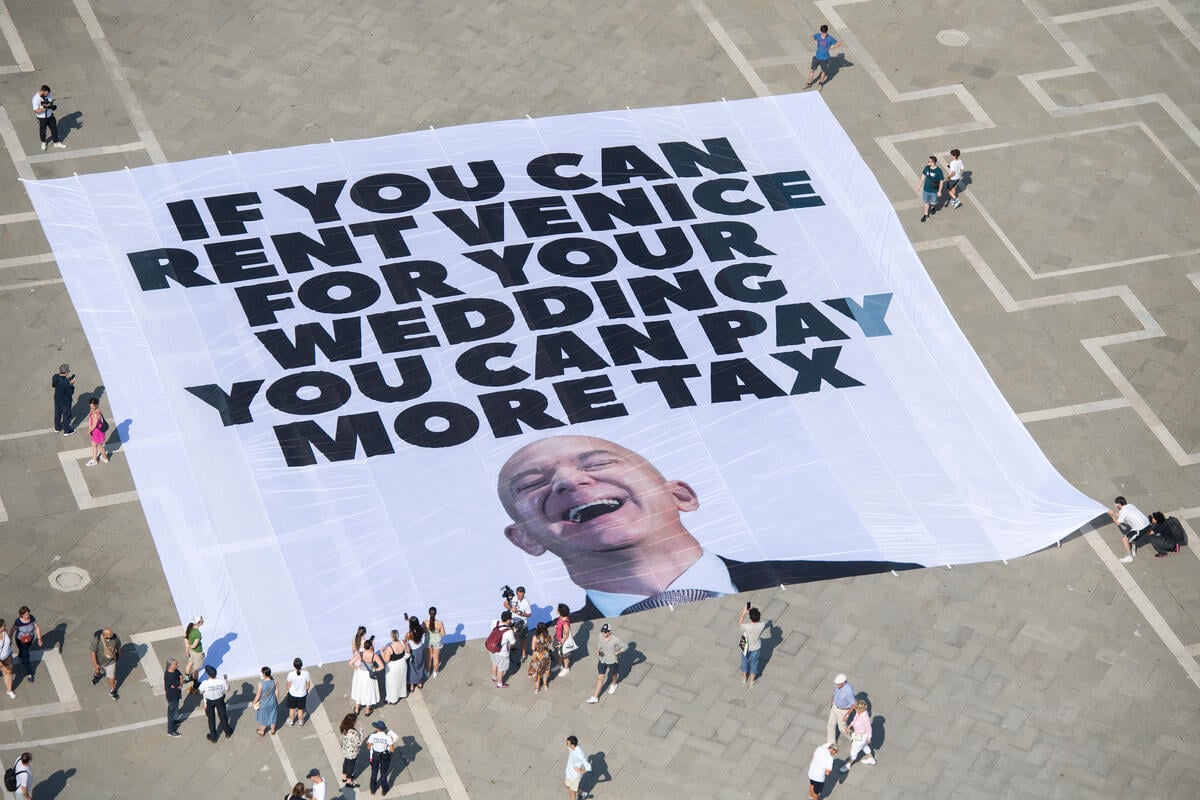
Ever heard of the 8-hour movement? In the 1880s, workers in the US protested against dangerously long days, demanding “eight hours for work, eight hours for rest, and eight hours for what we will.” Their bravery was met with violence, and May 1 became a global day of solidarity to remember those who fell in the struggle for dignity and safety. That was 140 years ago. While in some places we have won the weekend and the abolition of child labor, just working conditions are still not met and so workers are still standing together, demanding better. Here are five ways that demonstrate how climate justice is also worker justice.
The fossil fuel lock-in: A century of control
The demand for worker justice is more urgent than ever because, as workers were rising in the late 1800s, so were the “robber barons” and the engineered dependence on fossil fuels. This system was locked in to power industrial growth, but it created a fragile world where our daily needs are held hostage by the volatility of war. Today, geopolitical shocks and corporate greed dictate the rising cost of our energy, transport, and food.
Crisis is a business model
While the war in Iran and the closure of the Hormuz Strait takes the lives of innocent civilians and causes workers everywhere to face a “cost-of-working” crisis, oil giants remain insulated. As shipping chokepoints fail, prices soar—eating up wages and leaving less for rent and healthcare. This isn’t an accident; it’s the system working as designed. By keeping the world dependent on a resource that is easy to monopolize, the polluting elite builds crisis into their business model.
Breaking the “Jobs vs. Climate” myth
For too long, we’ve been told that we must choose between a healthy planet and a stable job. This is a false choice, engineered by the same polluting elite who benefit from keeping us divided. In reality, the fossil fuel industry has spent years automating jobs and cutting worker protections to maximize shareholder returns, all while leaving communities to deal with the toxic fallout. Climate work isn’t “anti-worker”—it is the ultimate labor demand. It is the demand for a Just Transition where workers aren’t just an afterthought, but the architects of a new economy. We aren’t fighting for “fewer jobs”; we are fighting for better jobs—roles in homegrown energy, expanded transit, and resilient housing that offer dignity, long-term security, and a life free from the boom-and-bust cycles of oil.
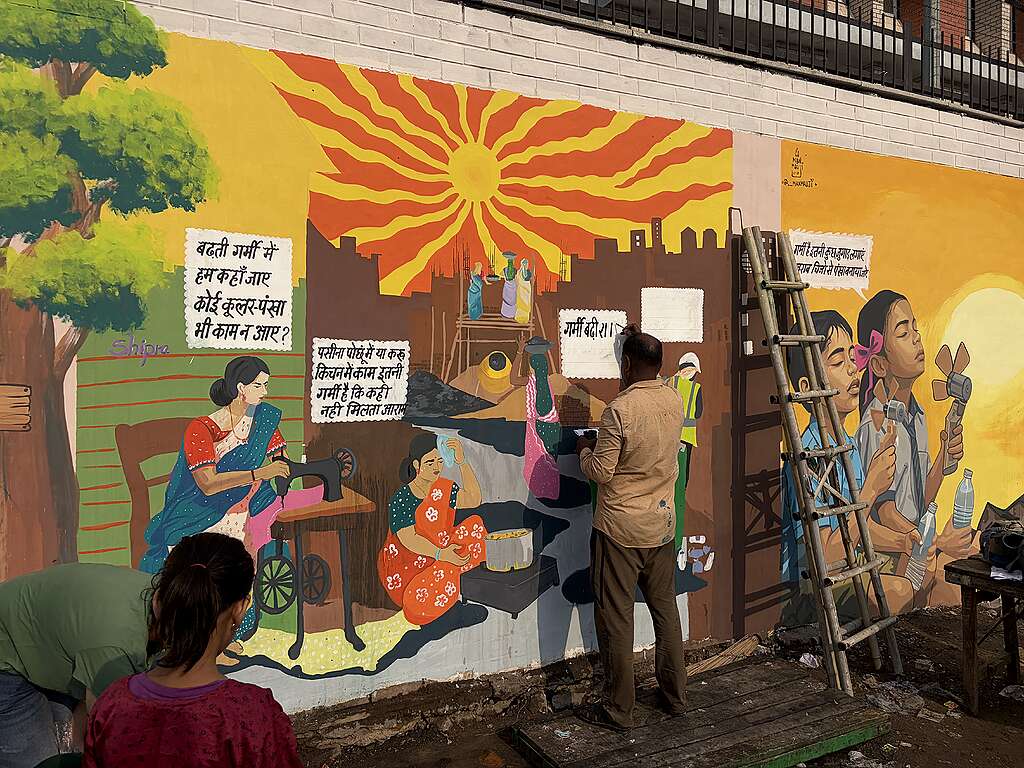
Where do climate solutions come in?
Climate solutions are the tools we use to break the grip of this common enemy. Just as the labor movement of 1886 rose up against the industrial elite who squeezed workers for profit, today’s climate movement is taking on the fossil fuel giants thriving on war and extraction. We are fighting for the same goal: sovereignty. Whether it is a union demanding a living wage or a community demanding a decentralized solar grid, we are seeking to shift power back to the people. Because transport accounts for 60% of global oil use, reclaiming our mobility is a worker’s right. Climate solutions like mass public transport, energy-efficient housing, and homegrown renewables are the modern frontlines of justice.
#WorkersDeserveBetter
Stability is only possible when we redirect public funds away from fueling war and padding corporate subsidies, and toward the essentials for a good life: universal healthcare, affordable housing, and clean, reliable public transport. By dismantling our dependence on the volatile, combustible fuels controlled by autocrats and billionaires, we aren’t just cutting emissions—we are winning back the dignity and peace of mind that workers have been marching, and dying, for since the very first May Day.
Check out how workers around the world fight together to demand improved labor rights.
Learn more about existing solutions through this Greenpeace interactive map.
Share this blog if you believe workers deserve better.
Yewande Omotoso is a Story Manager for Greenpeace International