
Chat to your friends & neighbours
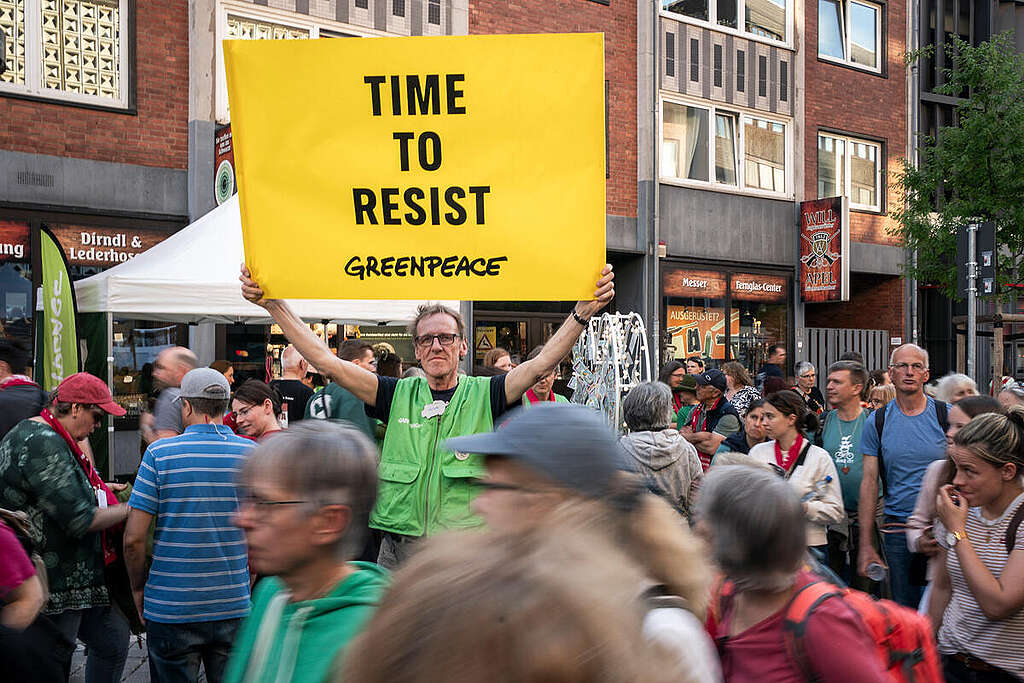
Corporate power is trying to silence voices, pollute our planet, and weaken our democracy. But we’re not backing down. By choosing to speak up and engage in conversation, individuals can reclaim their power to challenge the status quo and contribute to a more just world.
Conversations Matter
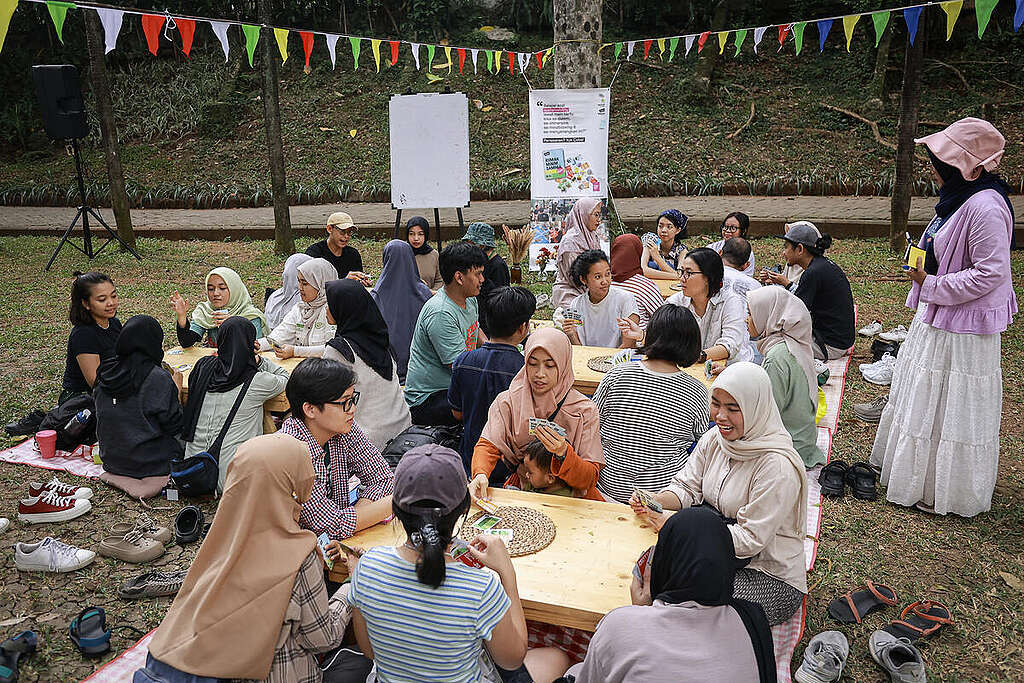
Now, more than ever we need real, open, and honest conversations. By sharing our stories and listening to each other, we build understanding, trust, and community. It’s also a powerful act of resistance. Not everyone will join a protest – but anyone can start a conversation. And that’s often where real change begins.
Starting the conversation
Intentional & Informal Conversations

Community Conversations with Care
Conversation Starters
Build a Movement
Starting the conversation
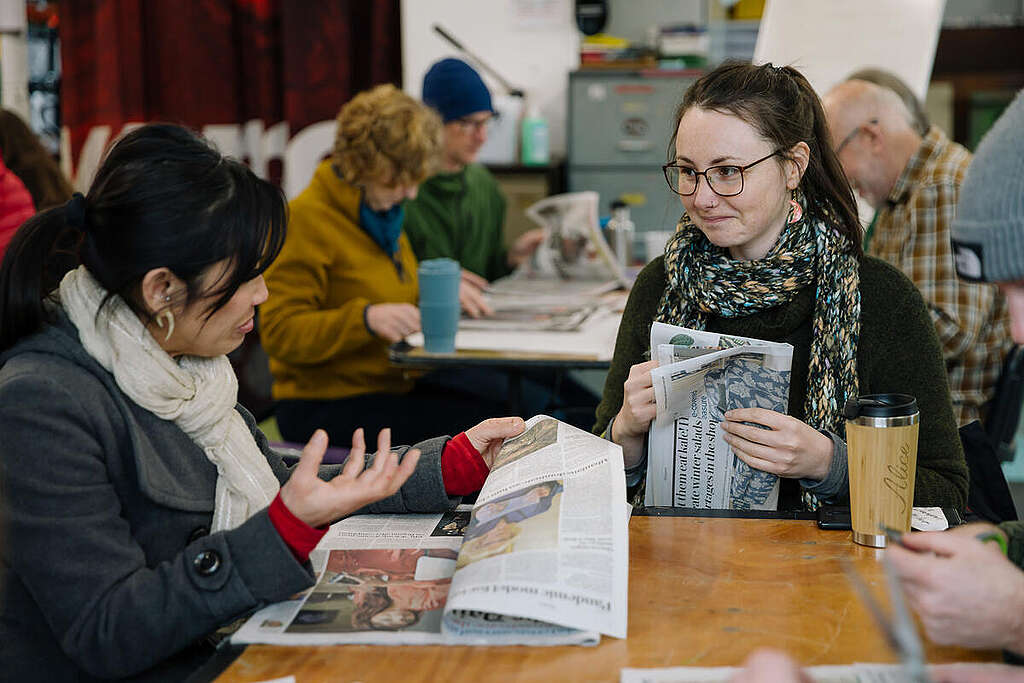
Community conversations can happen anywhere. Most likely, you already have a community around you. Think about where conversations already happen in your life and who you are connected to.
Here are some ideas to get you started:
- Host a community dinner, lunch, or afternoon tea
- Gather some of your colleagues during lunchtime
- Chat with people at your allotment or community garden
- Invite your parents’ group, neighbours, or friends over for coffee
- Connect through your local volunteer group, church groups, choirs, book clubs, pottery classes, knitting circles, sports clubs etc.
- Organise a potluck picnic or walk-and-talk in your local park
Intentional and Informal Conversations
Intentional Conversations
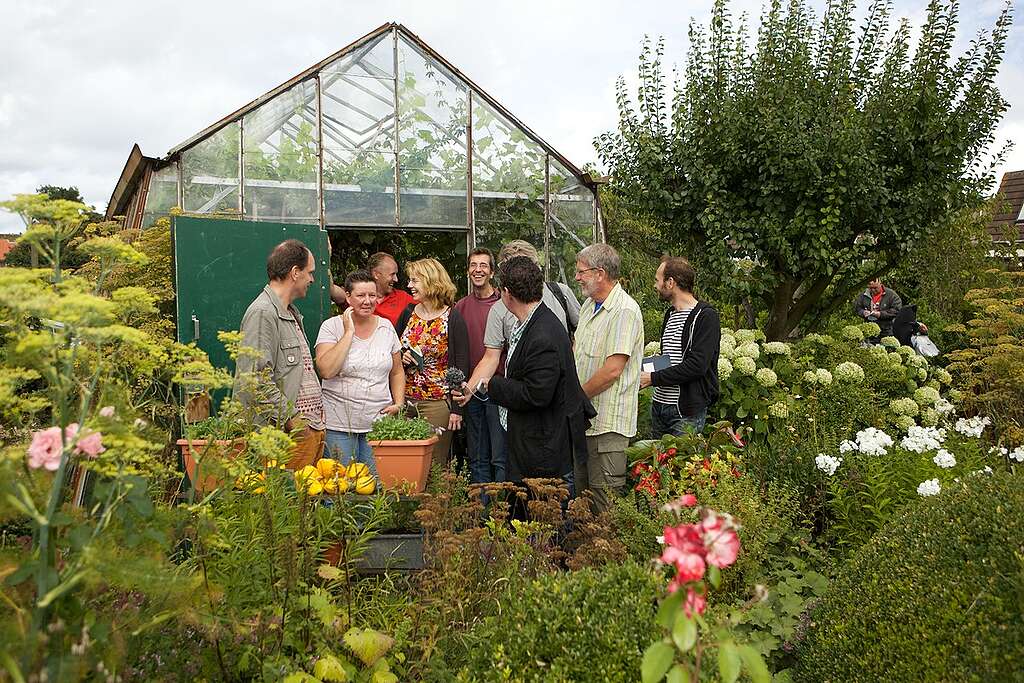
These are moments where you consciously choose to gather people around a theme — in this case, free speech and resistance. You could:
● Host a one-off gathering at your home
● Organise a monthly or quarterly “world café / conversation café”
● Invite people for a meal with guiding questions to spark discussion
Think about your comfort level — maybe you prefer one-on-one conversations, a group of like-minded people, or maybe it is your intention to talk with people who hold different perspectives.
Informal Conversations
Not every conversation needs an agenda. Some of the most powerful exchanges could happen spontaneously. What matters is that you are respecting your conversation partner and listening deeply without interruption. Resistance starts with connection
Tips to Create Community Conversations with Care
Talking about freedom, protest, and being silenced can bring up strong emotions. These topics can be deeply personal and sometimes painful — which is why it’s so important to create a space that feels safe, respectful, and compassionate.
Here are some ideas to help hold the conversation with care:
Create a safe space:
Choose a welcoming, calm setting where people feel comfortable to share and be vulnerable. Avoid rushed or noisy environments; aim for a moment where people can be present.
Respect boundaries & confidentiality:
Ask if there are any topics others would prefer not to talk about or whether there is discomfort around a subject. Ask for permission: before diving deeper, check in: “Is it okay if we explore this topic together?”
Co-create ground rules:
Agree on how you want to show up together and be present. Examples: listen fully, speak from the heart, no interruptions, put your phone away.
Take turns & be mindful of time:
Let everyone have their moment to speak without being rushed or interrupted. Once the participant has ended, then another person may speak. Also keep an eye on your speaking time and how much space you are taking up.
Step back and create space:
Make sure there is space for all views, not just your own.
Practice active listening:
Be present. Listen with an open mind and reflect back what you hear. It is important that you don’t interrupt.
Pause when needed:
If emotions run high, take a deep breath or a short break. That’s okay.
Diffuse disagreements:
If people disagree, acknowledge that different views and opinions are natural and should be respected. You’re here to share and listen, you don’t have to all agree.
Silence:
Know that silence may arise and that’s okay. It doesn’t need to be filled.
Inactive participants:
There may be participants who are interested in your conversation but don’t have the courage to speak up. Allow for reflection time in writing or ask participants who haven’t spoken yet if they would like the opportunity to do so.
Optional – Use a talking object or raise hands:
You may want to pass a small item around to signal whose turn it is to speak.
At the end of the conversation, it may be nice to thank the other people for their time and sharing. Start the conversation with respect and end with gratitude.
Conversation Starters
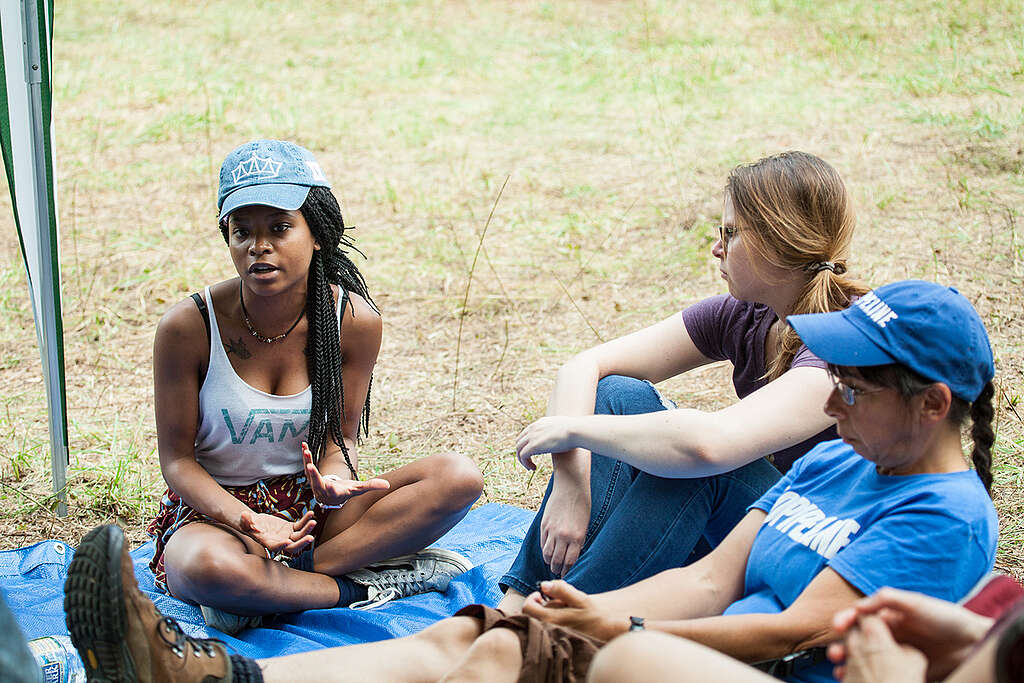
It’s important to acknowledge if your conversation partner wants to speak about the same topic as you do. If not, that’s okay too and you’ll need to respect that. Perhaps another time.
Maybe you’d like to ask: Would it be alright if we talked about freedom of speech, it’s a topic I’m really interested in at the moment and I would love to hear your opinion too.
- Should everyone have the right to freedom of speech? Why, or why not?
- What does the right to protest mean to you personally?
- Can you think of a time when protest made a difference – in history or in your own life?
- Do you feel free to speak your mind about political or social issues? Why or why not? Are there any repercussions to speaking your mind?
- What do you think are the biggest threats to free speech today? What needs to change?
- Have you noticed ways that corporations or powerful people try to silence dissent?
- Why do you think free speech and protest are under attack right now?
- How do you feel when you see people being silenced or punished for speaking out? Is it fair?
- Do you ever hold back from speaking your truth? What stops you?
- What would it take for more people to feel safe and empowered to speak up or protest?
- What could we do – as individuals or a group – to protect these rights?
Build a Movement
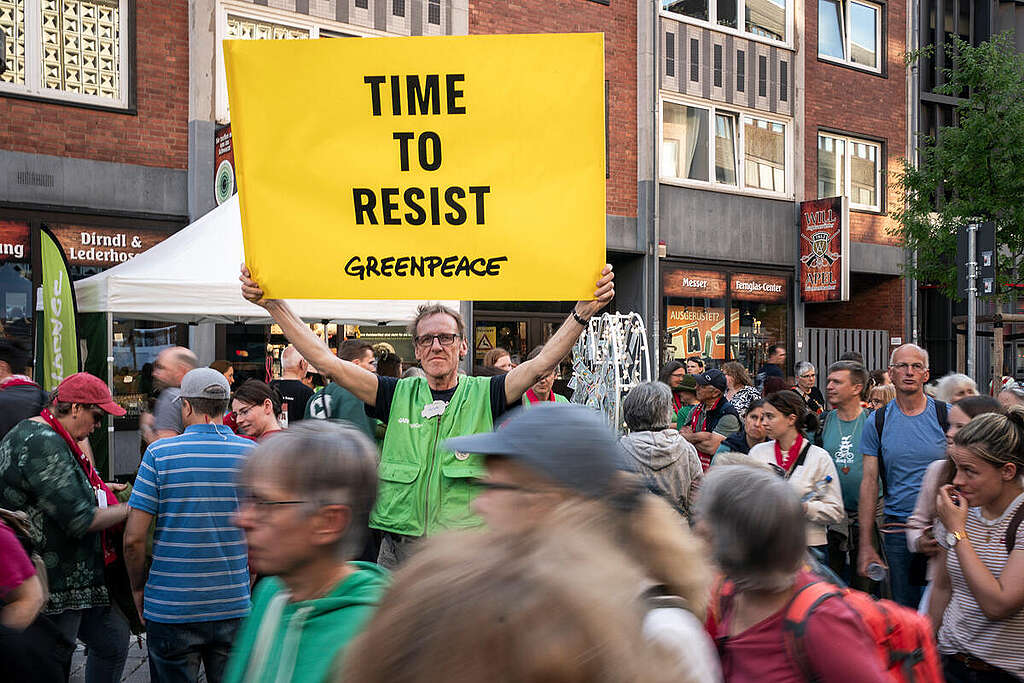
Tell us how your conversations went and how you’re resisting billionaires and corporate takeover to inspire others and build a global movement.
Share your story
Together we can challenge the billionaires and companies trying to silence us. Find more acts of resistance and get inspired.
Choose your act of resistance