
Write to your local paper
Corporate power is trying to silence voices, pollute our planet, and weaken our democracy. But we’re not backing down. Writing a letter for publication in your local newspaper or local news website can be a powerful way to reach people in your local area about an issue that’s important to you.

Write a letter to the editor

A letter to the editor is a way of getting an opinion published in a newspaper or magazine. These are generally found in the first section of the newspaper, or towards the beginning of a magazine, or in the editorial page. They can take a position for or against an issue, or simply inform, or both. Letters to the editor are usually short and concise, rarely longer than 300 words.
What should you include in your letter
First, it’s worth checking who owns the newspaper or magazine, in case it is owned by corporations with vested interests, as contacting them could be a wasted effort. Here are some suggestions of what to write about:
Free speech
- Why is free speech important to you?
- Is there a time you wanted to raise an issue or talk openly about something and couldn’t, or were afraid to?
- Are you worried about the right to free speech being threatened right now? How is that affecting you?
- What action are you taking to defend your right to free speech?
The right to protest
- Why is it important to you to have the right to protest? Do you have stories you’re willing to share about protests you’ve taken part in before?
- Are you worried that the risks of taking part in protests have greater consequences now? How might that affect you?
- Will you continue to protest?
General things to consider including regardless of the subject matter

- Tell your story, make it personal. This will make it relatable
- Why should other people care about this? How does it affect them?
- What difference do you hope your letter will make for people reading it?
- Is there something you would like other people to do?
Key Messages
- It’s time to resist
- Billionaires and corporate bullies are attacking free speech and our rights and freedoms.
- Fossil fuel companies – and the billionaires who run them – are knowingly burning the planet, polluting our waters, and hurting our families and communities. They will stop at nothing to keep the oil and gas industry alive, including weaponizing the legal system against dissent and environmental activism. Enough is enough, the time to resist is now.
- Across the world, billionaires, oligarchs, and corporations are using their wealth to silence dissent, roll back decades of social and environmental progress, and manipulate the game in their favor. As their fortunes grow, they leave the rest of us to face the consequences and shift blame on others.
- The only minority ruining our countries is billionaires.
Tips for writing your letter
- Keep it to 300 words or less (that’s roughly one side of A4)
- Personalise it by using your own words. Imagine you are writing to a friend and don’t be too formal
- Say why this issue is important to you and why it’s relevant for everyone else too. If you share your story or personal example, what you write will be really compelling
- If possible, find a local hook or angle. Is there an example of billionaire overreach? Or corporate polluters negatively impacting your community? Try to connect local issues to national or global issues.
- If you have a related photo that you took (or otherwise have permission to use), include that too. If it includes a person other than yourself, make sure you get their permission for it to be shared and published.
- Include if there is any action you want people to take
- Keep it hopeful! We are facing big challenges, but our People Power will win. A hopeful message that centers the green, just, and safe future we are working towards will help win over your community more than complaints without solutions or a vision of a better future.
- Avoid personal attacks.
Sending your letter
Most newspapers prefer letters to be sent to them by email, but this may vary depending on where you are.
- Look up your local paper and find out the best way to submit your letter.
- Put a really clear subject line, such as “Letter to the editor: why free speech is important to me”.
- Copy your letter into the body of your email, not as an attachment
- If you’re attaching a photo, make sure it is labelled correctly. If your photo shows a person, provide their name and confirm that you have their consent for it to be published.
- If you’re sending your letter to more than one newspaper, either email them individually or BCC them
Build a Movement
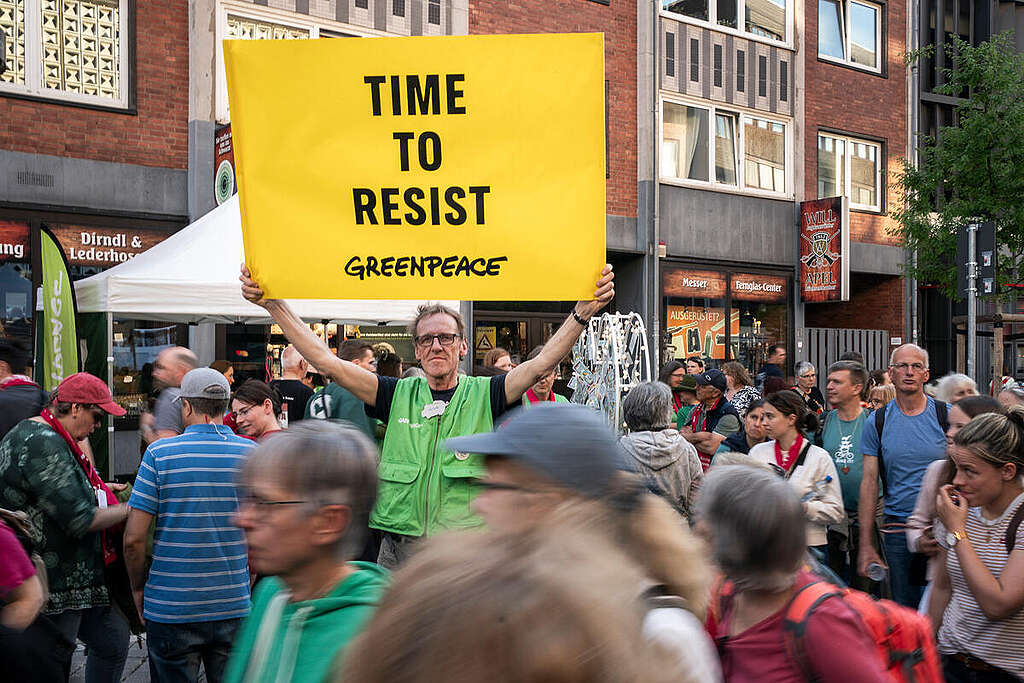
Tell us if you sent a letter to a newspaper and if it got published. Share your story of how you’re resisting billionaires and corporate takeover to inspire others and build a global movement.
Share your story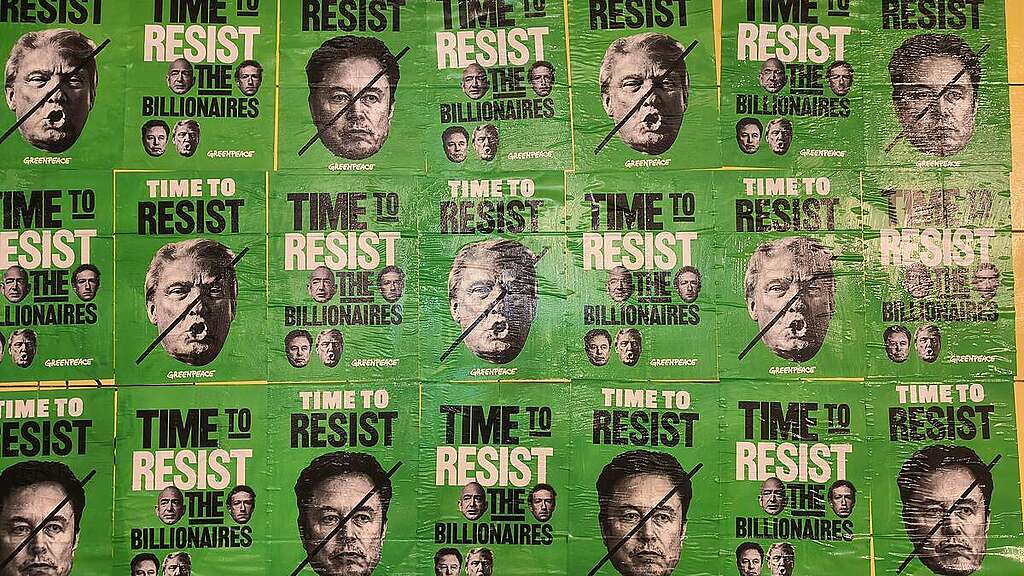
Together we can challenge the billionaires and companies trying to silence us. Find more acts of resistance and get inspired.
Choose your act of resistance