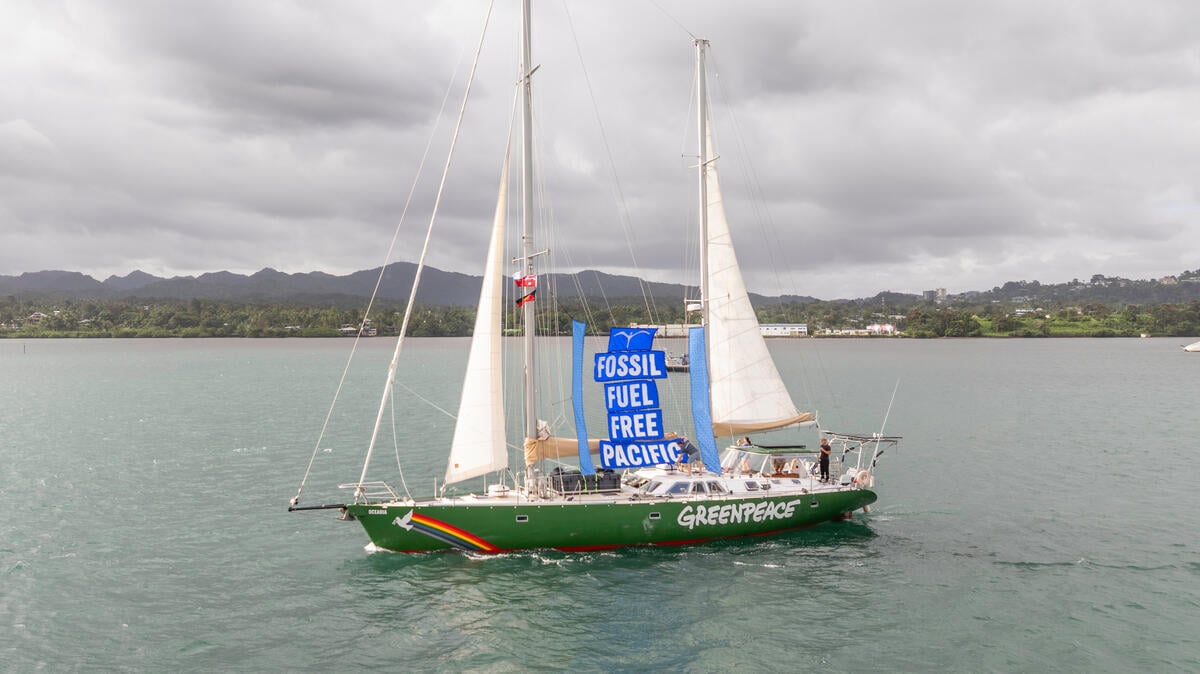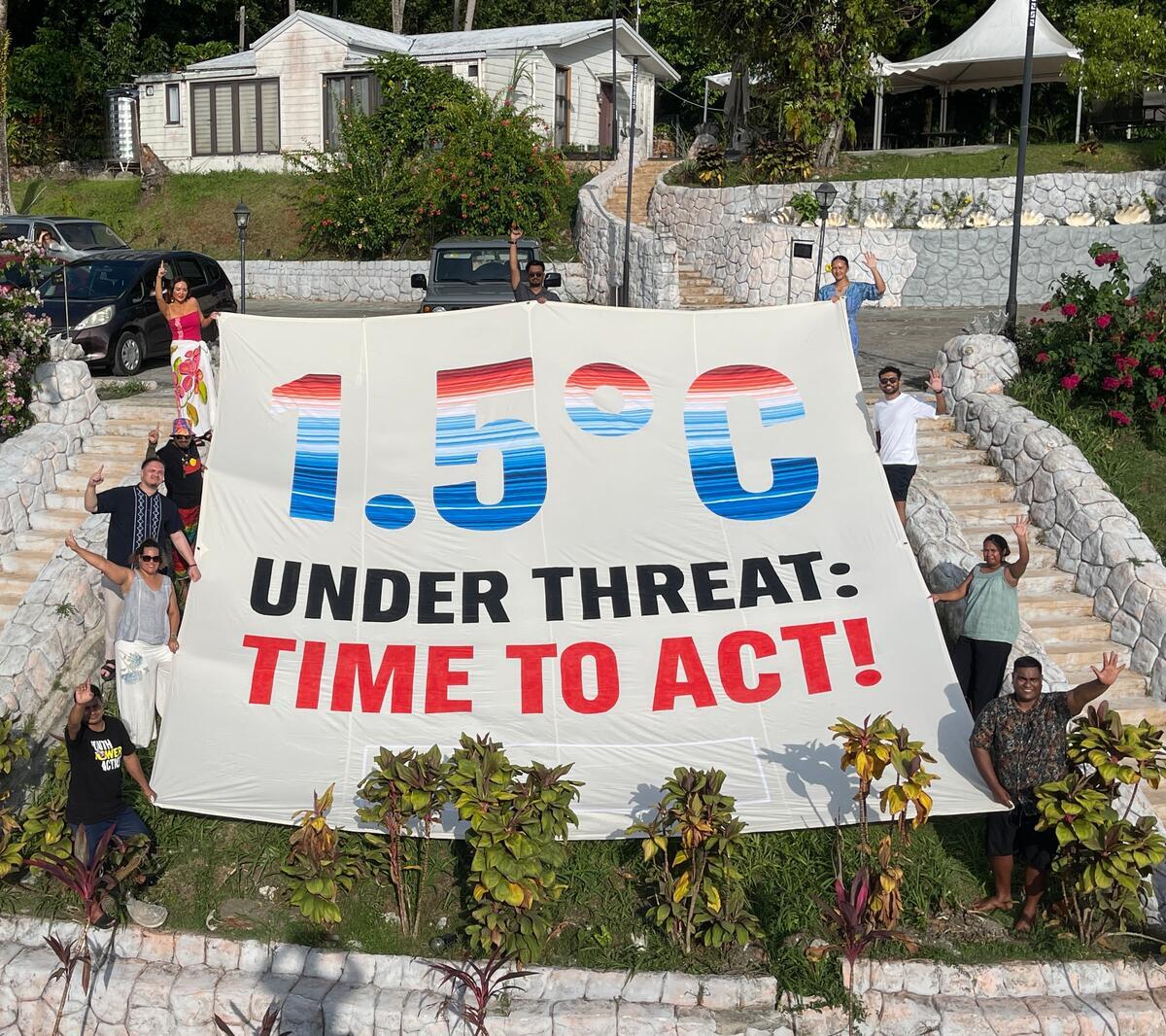

New York, United States – The United Nations General Assembly voted with overwhelming support to adopt a landmark resolution led by Vanuatu and 12 other countries which will advance implementation of the International Court of Justice (ICJ) Advisory Opinion on climate change and state responsibility, today.
The resolution passed with 141 votes in favour, 8 against and 28 abstentions. The outcome formally reaffirms the Court’s findings and calls on governments to align their policies with their legal obligations to limit global warming to 1.5°C – including by delivering deep, rapid and sustained emissions cuts, regulating fossil fuel companies, and protecting the right to a healthy environment. The resolution also requests the UN Secretary-General submit a report in 2027 on how to advance compliance with all obligations in relation to the Court’s findings – ensuring that pressure and scrutiny on governments will be sustained to deliver their legal obligations.[1]
Shiva Gounden, Head of Pacific, Greenpeace Australia Pacific said: “The world has followed the Pacific’s lead. Vanuatu and Pacific nations have once again shaped the global climate agenda, turning the voices of frontline communities into international action.”
“Governments can no longer ignore their legal responsibilities while backing the expansion of the fossil fuel industry. Pacific communities have fought for this moment because we are already living with the consequences of the climate crisis, and we will continue fighting until there is a fast, fair and funded phase-out of fossil fuels. This outcome is for the realisation of human rights of current and future generations to experience a life of dignity and to stand proudly on the righteous legacies of the past.”
Rebecca Newsom, Global Political Lead, Greenpeace International said: “The world’s highest court made clear that climate action is an irrefutable legal obligation, and today’s outcome shows that governments are increasingly committed to taking action to reflect that reality.”
“Voted for by the vast majority of the world’s governments, this resolution urges a just transition away from fossil fuels less than a month after a coalition of 57 countries gathered in Santa Marta, Colombia, to reiterate their commitment to ending coal, oil and gas dependence. The political momentum is clearly growing.”
“Governments must now translate this resolution into tangible roadmaps to equitably phase out fossil fuel exploitation, production and consumption. The transition should be funded by higher taxes on the world’s biggest corporate and ultra-rich polluters to pay for their climate damages, alongside Global North countries’ international climate finance obligations. The era of fossil fuel companies making billions while communities face climate disasters and rising living costs must end.”
In July 2025, the ICJ issued an advisory opinion outlining that states have legal obligations under international law to take urgent, equitable action to protect the climate system, including through emissions reduction, international cooperation, holding corporate polluters to account, and preventing climate harm.[2]
The UNGA resolution is expected to strengthen the political and legal weight of the Advisory Opinion across international negotiations, national policymaking, and climate litigation, while increasing pressure on governments to align their actions with their obligation to limit global warming to 1.5°C.
ENDS
Notes
[1] Greenpeace Media statement: World’s highest court delivers historic protections for climate-impacted communities
[2] A Just Transition Away from Fossil Fuels: Greenpeace Policy Briefing
Contact
Greenpeace International Press Desk, +31 (0)20 718 2470 (available 24 hours), [email protected]