
Notable wins in the climate and environmental justice space to inspire us in our fight for a better, greener, and fairer world for all.
United Kingdom: UK Supreme Court ruling a victory for climate action
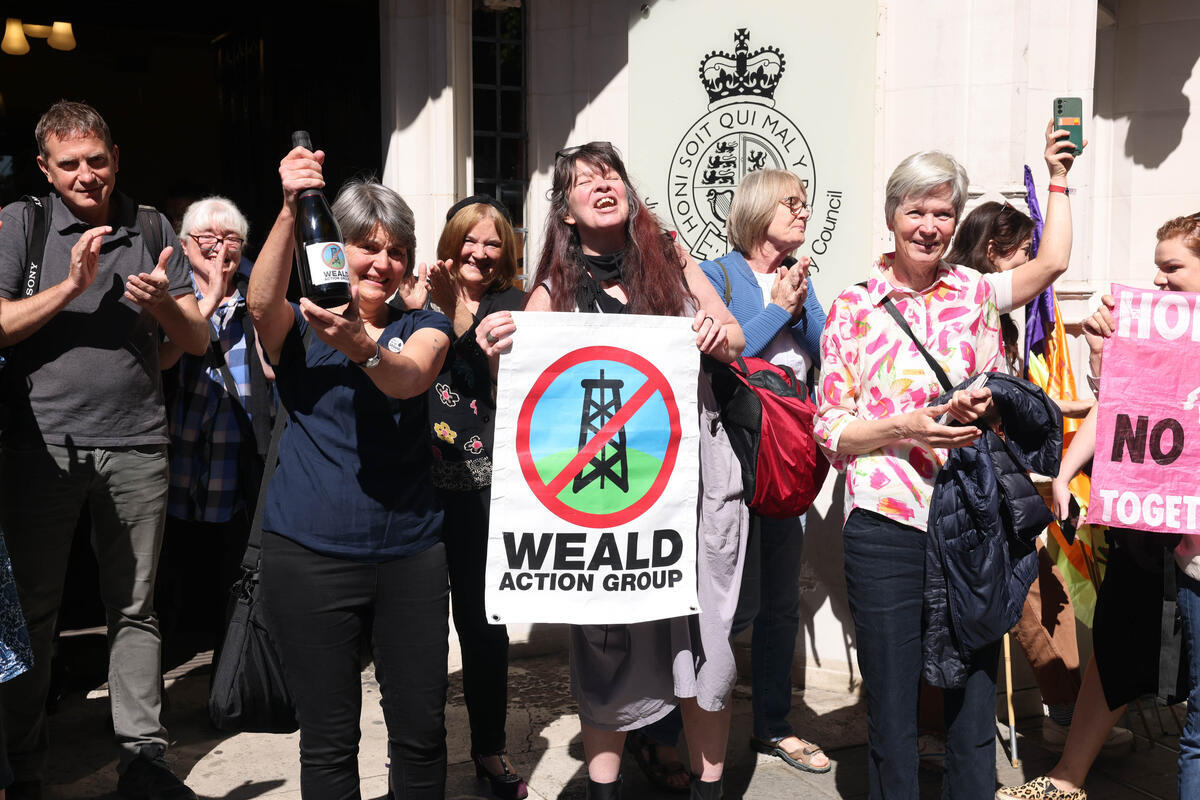
In a landmark judgement by the UK Supreme Court, it ruled that the climate impact of burning coal, oil and gas must be taken into account when assessing future proposed fossil fuel projects. This is a huge win in the fight to keep fossil fuels in the ground!
The UK Supreme Court had ruled in favour of Sarah Finch and the Weald Action Group in their fight against oil drilling plans in Surrey, a case supported by Greenpeace UK. The group had challenged Surrey county council’s decision to grant permission for an oil well at Horse Hill, near Gatwick Airport. This judgement not only means that the drilling plans will not go ahead but has larger implications for how future oil and gas projects are approved across the UK.
Brazil: Illegal loggers and land grabbers removed from Karipuna Indigenous Land
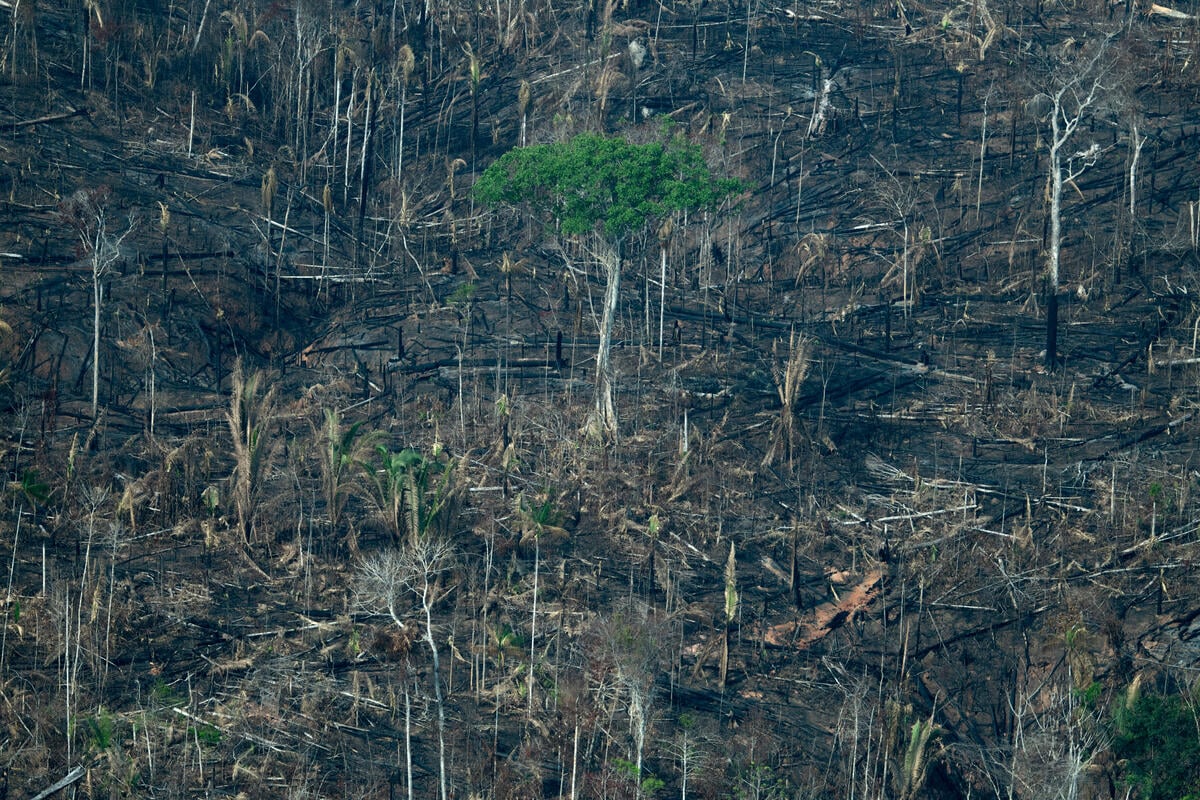
The Karipuna Indigenous Land in Brazil was one of the most plundered territories in the country, and the Karipuna had pushed back. With the support of civil society groups such as Greenpeace Brasil and the Indigenous Missionary Council (CIMI), the Karipuna had set up a system to monitor and highlight deforestation activities inside the territory to the Brazilian authorities. The efforts paid off with law enforcement operations flushing out criminal activities in the region, leading to a steep drop in deforestation.
On the last day of July, the Brazilian government finished the most recent operation to remove illegal loggers and land grabbers from the Karipuna Indigenous Territory. This is a significant victory for the survival of the Karipuna people but further action has to be taken to make sure that criminal elements harming the forest keep away.
South Africa: TotalEnergies to cease gas exploration in South Africa
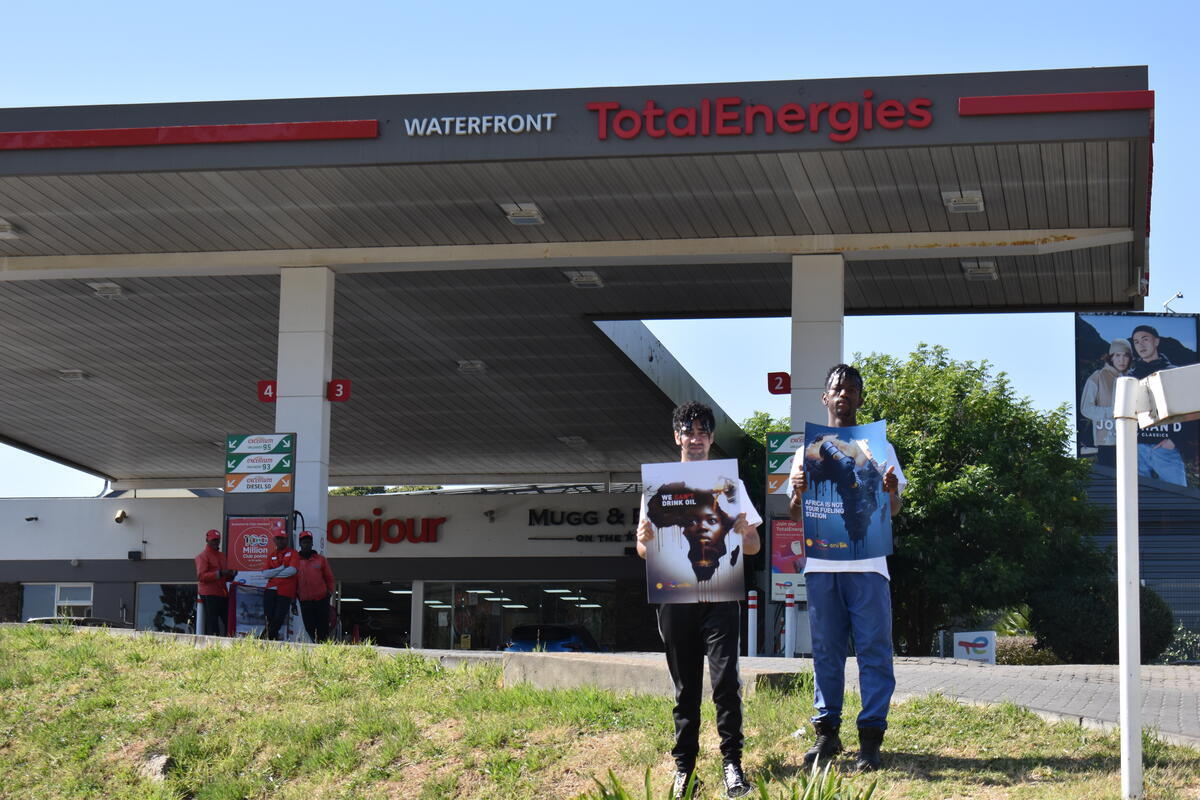
TotalEnergies’ recently made the decision to cease its gas exploration activities in South Africa’s offshore blocks. This move marks a significant victory in the fight against fossil fuel extraction and its detrimental impact on the planet.
Europe: European Nature Restoration Law passed

The European Nature Restoration Law was passed and has come into effect! This law is the most important piece of environmental legislation in Europe in decades, aiming to restore and protect European biodiversity hotspots. It imposes unprecedented legally binding obligations onto EU Member States to restore protected nature reserves, peatlands, and dwindling bird and pollinator populations, and protect urban nature amongst others. While conservative political groups and the agrofood lobbies hijacked the legislative process, NROs helped to push policy-makers to vote in favour of the law. This is a huge win for the nature movement in Europe!
Global: Breakthroughs for global tax justice
![<!-- wp:buttons -->
<div class="wp-block-buttons"><!-- wp:button {"className":"is-style-cta"} -->
<div class="wp-block-button is-style-cta"><a class="wp-block-button__link wp-element-button" href="https://www.greenpeace.org/static/planet4-malaysia-stateless/2026/06/a2f558d7-surat-terbuka-kepada-yb-arthur.pdf">Versi Bahasa Malaysia</a></div>
<!-- /wp:button --></div>
<!-- /wp:buttons -->
<!-- wp:heading {"textAlign":"right","level":4,"style":{"elements":{"link":{"color":{"text":"var:preset|color|grey-600"}}}},"textColor":"grey-600"} -->
<h4 class="wp-block-heading has-text-align-right has-grey-600-color has-text-color has-link-color">An open letter to NRES minister<br>YB Dato' Sri Arthur Joseph Kurup</h4>
<!-- /wp:heading -->
<!-- wp:paragraph -->
<p>This year, scientists have warned that severe 'Godzilla El Niño' conditions will increase the risk of drought, forest fires and transboundary haze across Southeast Asia. A few years ago, Greenpeace Malaysia launched the '<a href="https://www.youtube.com/watch?v=7z4ZdDmZjP4">Haze-zilla campaign</a>' [1] to highlight how peatland destruction and unsustainable land-use practices contribute to haze. Today, climate change threatens to intensify this challenge.<br><br>Haze is not merely an environmental issue; it is a public health crisis, an economic burden, and a threat to the wellbeing of millions of Malaysians. Every major haze episode affects millions of Malaysians through respiratory illnesses, school disruptions, reduced productivity and increased healthcare costs. We welcome the Ministry's emphasis on early preparedness, inter-agency coordination, peatland fire prevention and readiness measures discussed during the first National Haze and Dry Weather Steering Committee (JIJCKK) meeting on 15 June 2026. These efforts are important steps towards reducing haze risks and protecting public health. As Minister of Natural Resources and Environmental Sustainability, your leadership can help Malaysia better prepare for such challenges and reduce their impacts. In this regard, we would like to offer additional recommendations to strengthen Malaysia's preparedness.</p>
<!-- /wp:paragraph -->
<!-- wp:heading {"level":3} -->
<h3 class="wp-block-heading">Protecting peatlands: Preventing haze at its source</h3>
<!-- /wp:heading -->
<!-- wp:paragraph -->
<p>One of the most effective ways to prevent haze is to protect and restore peatlands. Healthy peatlands reduce fire risks, support biodiversity and store significant amounts of carbon. When degraded, they become highly vulnerable to fire, particularly during droughts, generating smoke that affects millions of people. Protecting and restoring peatlands is a public health, climate and economic priority that can help reduce greenhouse gas emissions and strengthen natural carbon storage. We recognise the Ministry to continue strengthening peatland protection and restoration efforts, particularly in fire-prone areas that are most vulnerable during prolonged dry periods. There needs to be efficient systems capable of identifying wildfires and diligent monitoring of these areas to ensure early detection and rapid response, which is critical for minimising damage.</p>
<!-- /wp:paragraph -->
<!-- wp:heading {"level":3} -->
<h3 class="wp-block-heading">Enact a Clean Air Act to address transboundary haze</h3>
<!-- /wp:heading -->
<!-- wp:paragraph -->
<p>As recommended by the Human Rights Commission of Malaysia <a href="https://suhakam.org.my/wp-content/uploads/2024/09/SUHAKAM-Report-on-Haze-Pollution-Right-to-Clean-Air.pdf">(SUHAKAM) in its <em>Right to Clean Air</em> report</a>, [2] Malaysia should enact a comprehensive Clean Air Act that addresses transboundary air pollution. Such legislation could hold Malaysian citizens and businesses accountable when their overseas operations contribute to haze pollution, deter irresponsible practices that increase the risk of fires and reinforce public confidence that environmental responsibility extends across borders. Malaysia has previously acknowledged that <a href="https://www.reuters.com/world/asia-pacific/malaysia-drops-plans-proposed-transboundary-haze-pollution-bill-2023-11-07/">cross-border environmental legislation is possible</a> [3]. The opportunity now is to build on this recognition and take the necessary steps to turn it into reality.</p>
<!-- /wp:paragraph -->
<!-- wp:heading {"level":3} -->
<h3 class="wp-block-heading">Driving Responsible Business Practices</h3>
<!-- /wp:heading -->
<!-- wp:paragraph -->
<p>The haze crisis is also a matter of corporate accountability and governance. Some companies with Malaysian interests operating in the region have faced scrutiny over activities linked to peatland degradation and increased fire risks. This highlights the importance of strong environmental governance and accountability throughout supply chains. Malaysia can demonstrate regional leadership by promoting responsible plantation practices and ensuring that Malaysian-linked companies uphold the highest environmental standards wherever they operate. <a href="https://www.greenpeace.org/southeastasia/press/3221/asean-haze-2019-the-battle-of-liability/">Strong accountability</a> [4] measures can strengthen public trust, improve market confidence and reinforce Malaysia's reputation as a responsible and sustainable producer in global markets.</p>
<!-- /wp:paragraph -->
<!-- wp:heading {"level":3} -->
<h3 class="wp-block-heading">Champion Environmental Rights in ASEAN</h3>
<!-- /wp:heading -->
<!-- wp:paragraph -->
<p>While the ASEAN Agreement on Transboundary Haze Pollution remains an important framework, further efforts are needed to address recurring haze episodes. Malaysia can continue to play a constructive role in advancing environmental rights, regional cooperation and accountability across Southeast Asia. The National Action Plan on Business and Human Rights [5] and the National Planetary Health Action Plan [6] are putting Malaysia on the right track. Strengthening these efforts help prevent cross-border environmental harm, improve corporate accountability and better protect communities from pollution and ecological degradation.</p>
<!-- /wp:paragraph -->
<!-- wp:heading {"level":3} -->
<h3 class="wp-block-heading">Looking forward</h3>
<!-- /wp:heading -->
<!-- wp:paragraph -->
<p>YB Minister, the transboundary haze crisis has persisted for far too long. Future generations deserve clear skies, a healthy environment and sustainable livelihoods, not recurring seasons of smoke and pollution. Years ago, we warned about Haze-zilla. Today, climate change threatens to turn that challenge into a 'Godzilla El Niño'.<br><br>Many of the solutions are already known. What is needed now is decisive action to implement them. The question is not whether another haze season will come, but whether we will act early enough to reduce its impacts on people, communities and the environment. By protecting public health, safeguarding forests and peatlands, and strengthening environmental accountability, Malaysia can help ensure a cleaner, healthier and more resilient future for all.<br><br>The time to act is now, before the next haze crisis arrives.<br><br>With urgency and hope,<br><strong>Heng Kiah Chun</strong><br>Country Representative<br>Greenpeace Malaysia</p>
<!-- /wp:paragraph -->
<!-- wp:heading {"level":4} -->
<h4 class="wp-block-heading">Reference notes:</h4>
<!-- /wp:heading -->
<!-- wp:paragraph -->
<p>[1] Greenpeace Malaysia, Haze-zilla #TakNakJerebu Campaign, film available at:<br>https://www.youtube.com/watch?v=7z4ZdDmZjP4<br>[2] SUHAKAM, Silent Enemy: Report on Haze Pollution & the Right to Clean Air, 2024 available at:<br>https://suhakam.org.my/wp-content/uploads/2024/09/SUHAKAM-Report-on-Haze-Pollution-Right-to-Clean-Air.pdf<br>[3] Reuters, Malaysia says cross-border air pollution law still possible, 7 November 2023 available at:<br>https://www.reuters.com/world/asia-pacific/malaysia-drops-plans-proposed-transboundary-haze-pollution-bill-2023-11-07/<br>[4] Greenpeace Southeast Asia, ASEAN Haze 2019: Tha Battle of Liability, 1 November 2019 available at:<br>https://www.greenpeace.org/southeastasia/press/3221/asean-haze-2019-the-battle-of-liability/<br>[5] BHEUU, National Action Plan on Business and Human Rights 2025-2030, 2025 available at:<br>https://strapi.bheuu.gov.my/uploads/Malaysia_s_National_Action_Plan_on_Business_and_Human_Rights_2025_203<br>0_a37b95279e.pdf<br>[6] Academy of Sciences Malaysia, National Planetary Health Action Plan, 2025 available at:<br>https://www.akademisains.gov.my/nphap-full-report/</p>
<!-- /wp:paragraph -->](https://www.greenpeace.org/static/planet4-international-stateless/2024/01/3e12a175-gp0stubma.jpg "Climate March during COP25 in Madrid. © Pedro Armestre / Greenpeace")
For the first time, the G20, which make up the world’s richest economies, agreed to cooperate to raise taxes on the super-rich. This is an important milestone in tackling the injustice of inequality and disrupting the unfair flow of wealth from the world’s majority to a handful of billionaires.
In another big win for tax justice, a favourable blueprint for a UN Tax Convention that will pave the way for a fair and efficient global tax system was laid out in August. An inclusive tax cooperation system will shift power from a few rich OECD countries to the UN where every country has a vote and help governments around the world recover the billions lost to tax dodging by multinational corporations and the ultra-rich. This money can be better used for the public good, and to support fair, green and sustainable development.
Hawaii: Young people achieve a landmark settlement
In a stunning example of the power of young people rising up against the climate crisis, a group of children and young activists has won a landmark settlement in Hawaii, forcing a government department to curb emissions. The department of transport will take steps to decarbonise its transport section with a goal of reaching zero emissions by 2045. This is a groundbreaking result to ensure a viable and sustainable future for all.
Taiwan: Marine conservation law passed

After four years of campaigning by Greenpeace East Asia, Taiwan has passed the Marine Conservation Act with the aim to set up conservation areas to protect marine ecosystems. A committee, made up of civilian communities, including Indigenous Peoples, will help to plan, set up and manage the designated areas.
Canada & South Africa: Crackdown on greenwashing
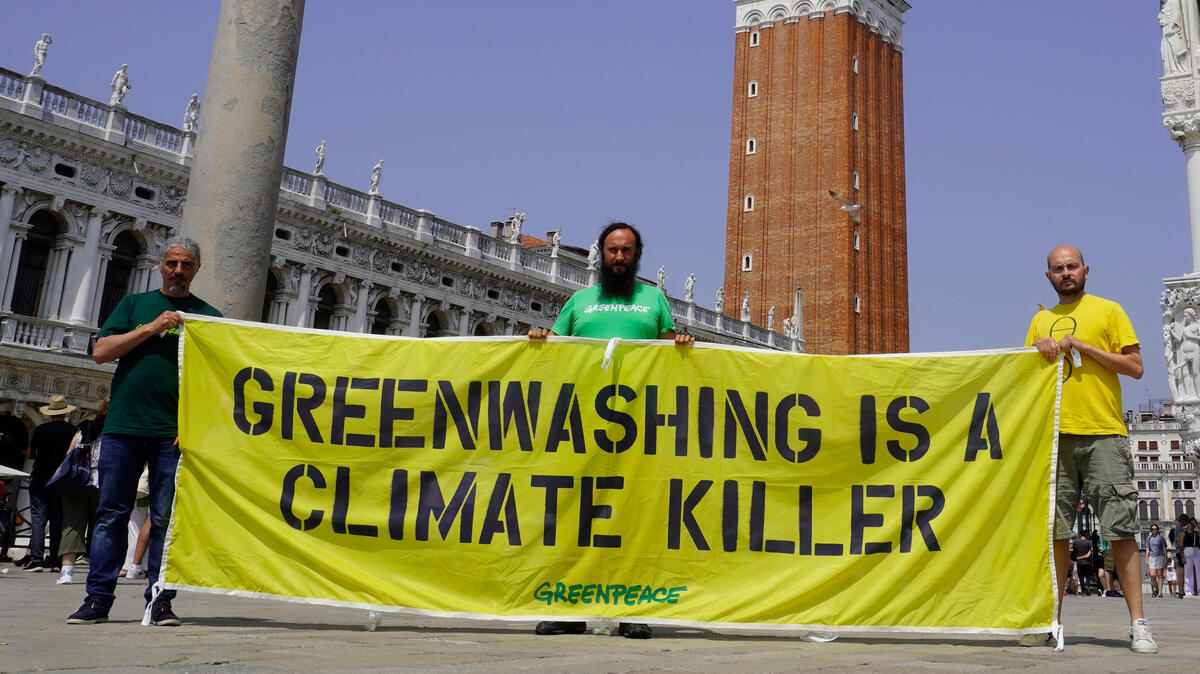
Two big wins to combat corporate greenwashing!
In 2023, Greenpeace Canada had filed an anti-competition complaint against the Pathways Alliance – a lobby group made up of Canada’s biggest fossil fuel companies – for a misleading ad campaign. Thanks to the efforts of many, including the Competition Bureau itself, a new law was passed in June this year that strengthened greenwashing laws. In response the Pathways Alliance has entirely removed its website.
Meanwhile, in South Africa, an advertising regulator found TotalEnergies had made a “misleading” claim over its commitment to sustainable development. This is a crucial precedent for South Africa, showing companies can’t hide their harmful practices with false claims.
Democratic Republic of Congo (DRC): The Batwa People are recognised as vital guardians of biodiversity
Following a decades long legal battle, the African Commission on Human and People’s Rights rules in favour of the Batwa People in a forced eviction case from a DRC park. In this historic decision, the Commission found that the DRC government had violated multiple human rights protected by the African Charter of Human and Peoples Rights, in a land rights case that dates back to the 1970s.
This historic ruling affirms that evicting indigenous communities isn’t the solution to the climate crisis.
Colombia: Indigenous communities win lawsuit over carbon credits deal
A controversial carbon credit deal in the Amazon rainforest was annulled by Colombia’s Constitutional Court. The case was brought forward by six local tribes, who said the deal had been signed without their consent. This is a landmark ruling by the court to uphold Indigenous rights.