
Who gets to decide who should have a seat at the table? Who determines which community members should be in a focus group discussion about development? Who gets to know about a project that’s going to impact a Marine Protected Area (MPA) and the communities that live there? These are questions that community members and community-based organisations (CBOs) in Kudat, Sabah ask about their right to participate in decision making.
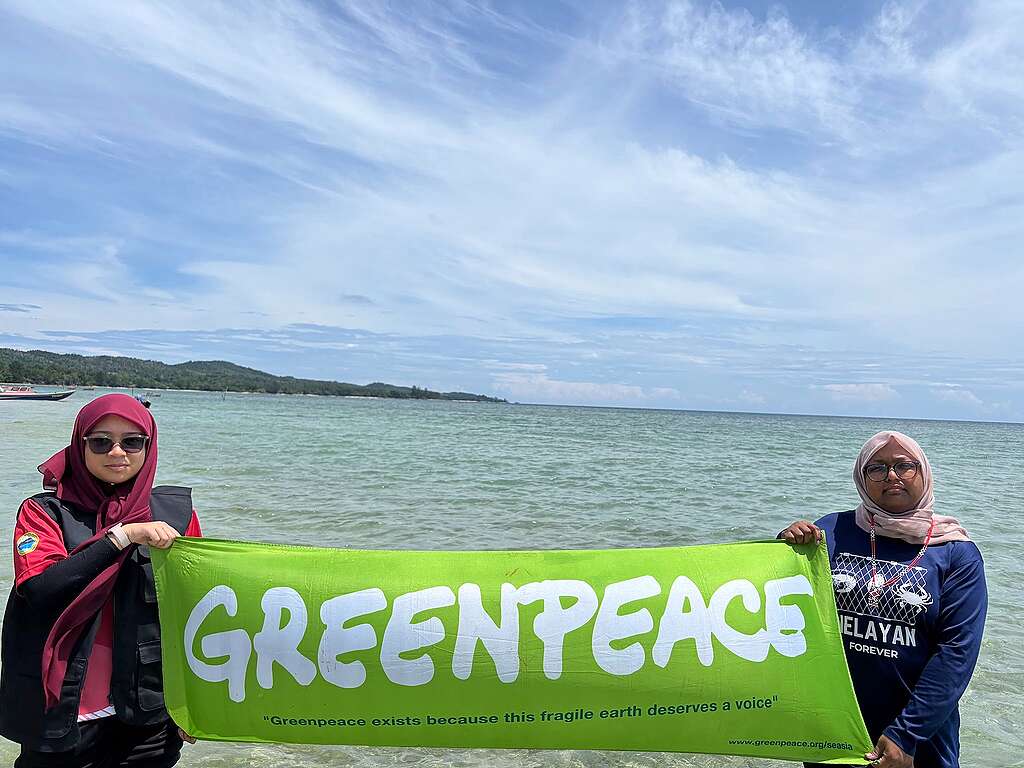
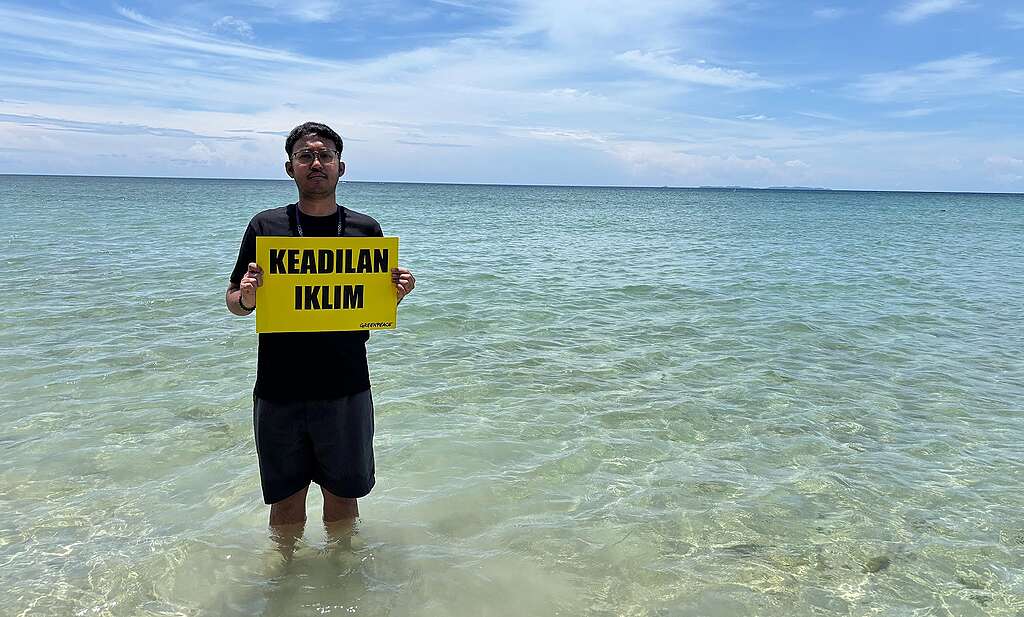
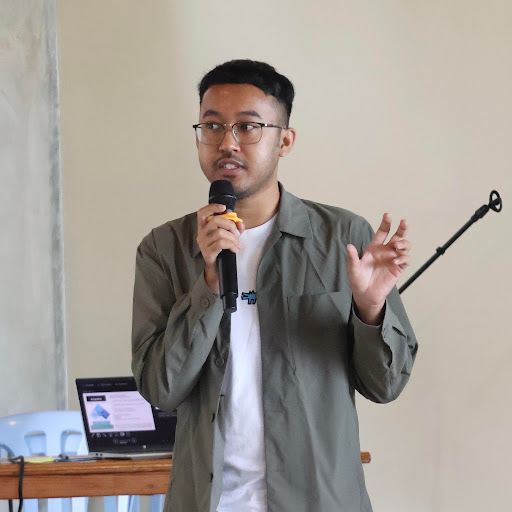
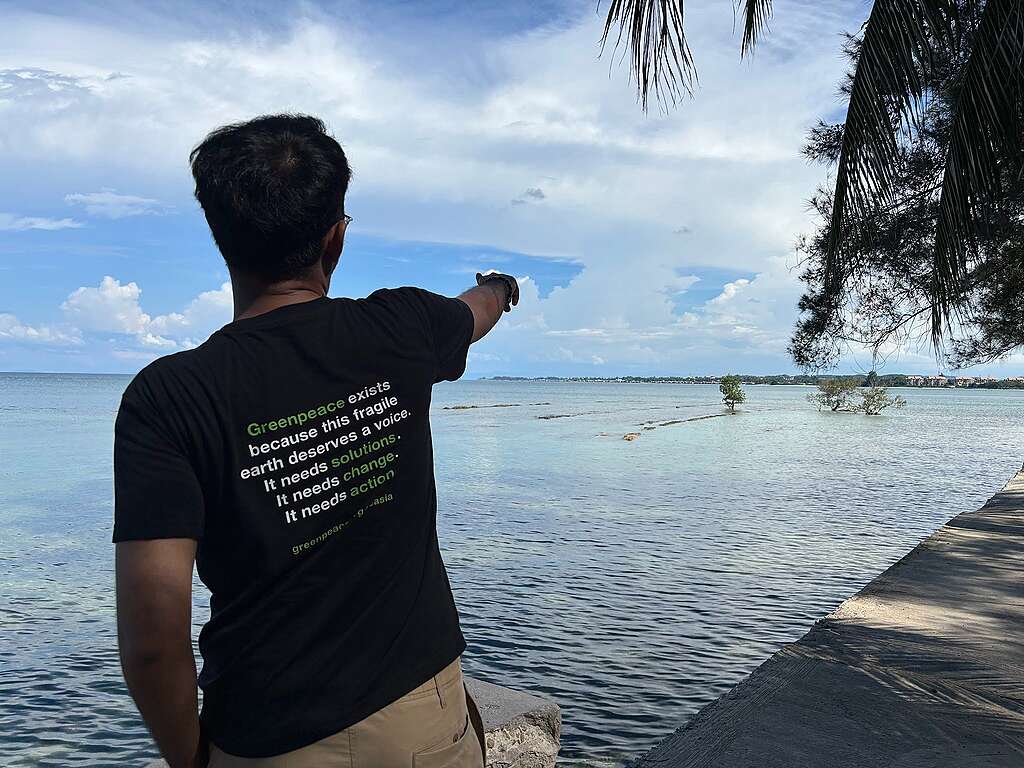
For seven days, my Greenpeace Malaysia colleagues, Sakeenah, Qistina and I were engaging with various coastal villages and CBOs in the Tun Mustapha Park, an MPA in Sabah that just celebrated 10 years of its gazettement. There, people shared their lived realities and the resilience to protect their homes, livelihoods and environment. These conversations were enriched by those that live in Kampung Landung Ayang, Kampung Tanjung Simpang Mengayau and Kampung Tajau Laut. Together with these communities, we talked about pressing environmental issues affecting the locals such as climate change, plastic pollution, biodiversity loss, energy justice and what is truly needed for communities to be included in sustainable development.

In many cases, people often come into communities with preconceived notions, especially on what they need to empower themselves. But this community visit was a reminder that meaningful dialogues are necessary in better understanding what the communities truly need.
What could empowering communities look like?
Sharing knowledge and environmental awareness
Empowerment can mean many things for different communities. For Kampung Tajau Laut, it’s about being empowered to communicate their grievances to the government properly while understanding local reporting mechanisms, for their women to actively be involved in economic participation, and address the looming threats of climate change.
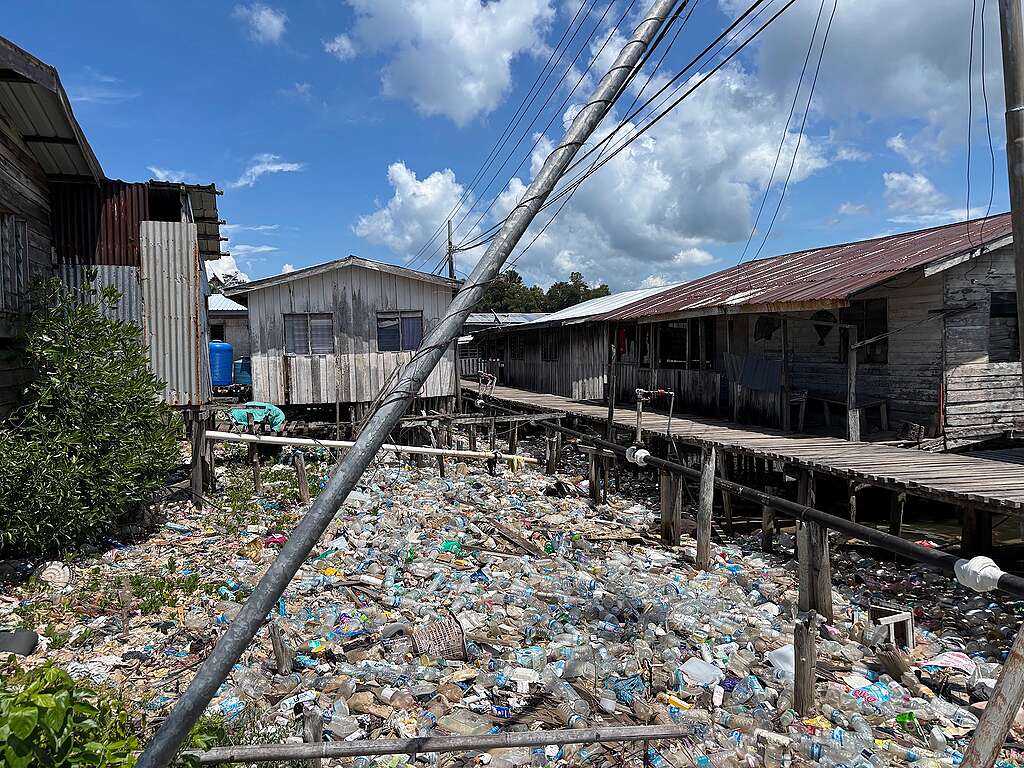
We also made our way to Kampung Landung Ayang where the villagers let us know that low environmental awareness and lack of waste management facilities have led to plastic pollution in their area. Upon interviewing the community members, they told us that they want long-term solutions beyond just cleanups. To prevent plastic pollution from being a recurring problem, the villagers need access to waste management services for recycling and disposal while also believing that the community should have better environmental awareness.
Community consultations, protection, and real on-ground solutions
Later, we had the great opportunity to talk to CBOs in Kudat, mainly working in conservation and community development. These included the Kudat Turtle Conservation Society (KTCS), Banggi Coral Conservation Society (BCCS), Persatuan Kelestarian Komuniti Marin Banggi and Persatuan Sahabat Wanita Kudat Sabah. Throughout our stay in Kudat, they told us about how limited community consultations are done for development projects while echoing the same environmental issues raised by the villagers. However, this does not stop these groups from protecting endangered marine species, restoring ecosystems, improving fisheries and empowering women to become leaders in their communities.
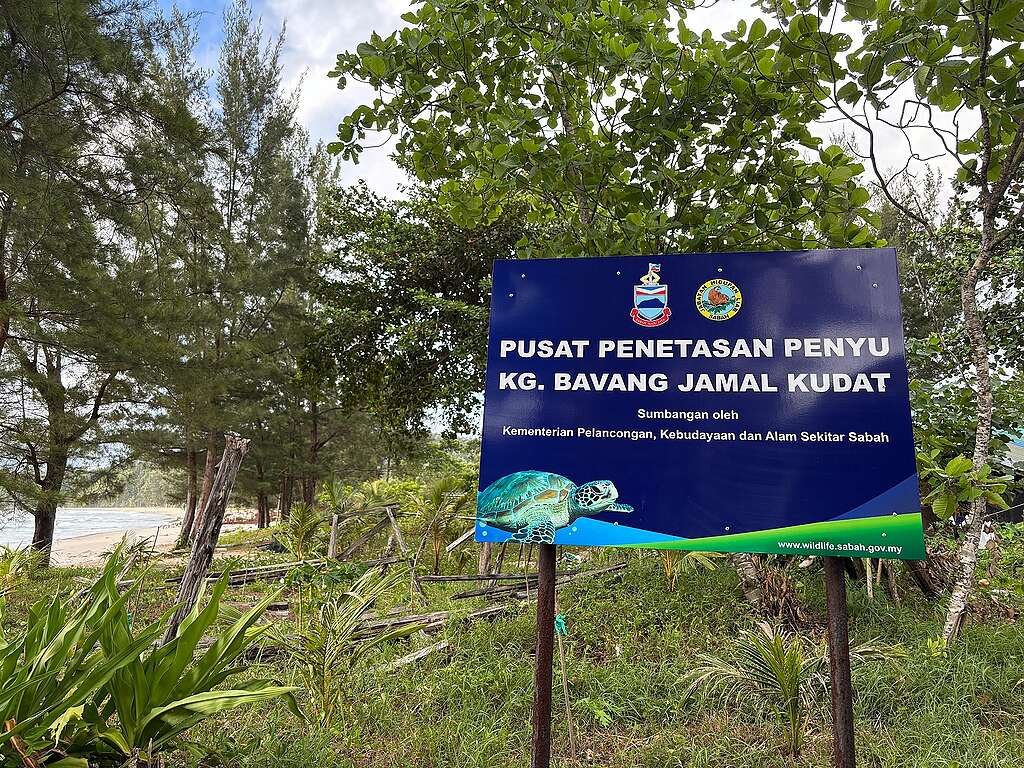
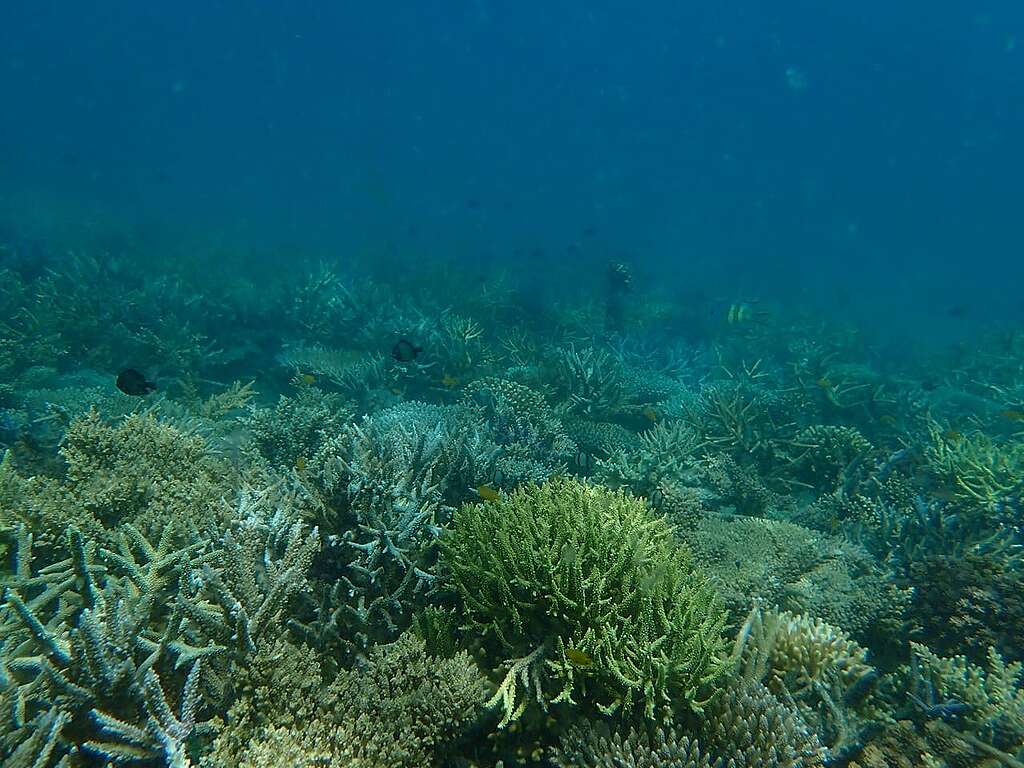
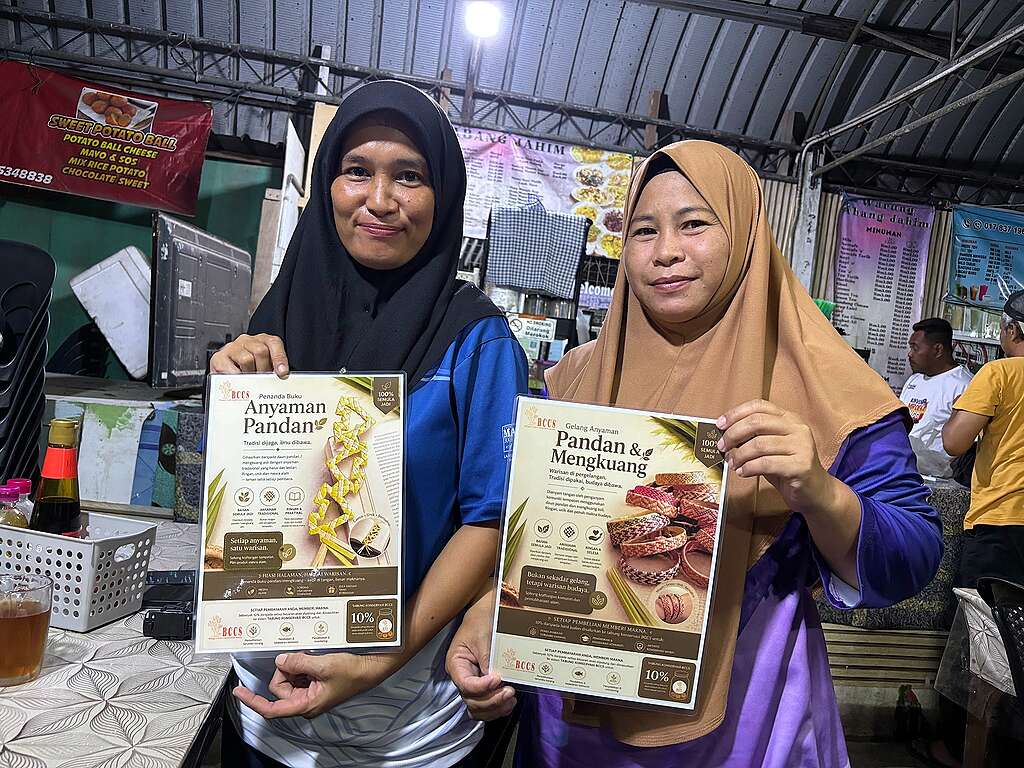
Since 2003, BCCS has been active in restoring corals, monitoring the health of reef ecosystems, keeping watch of IUU fishing like fish bombings and patrolling sea turtle landings, all while empowering community members on Banggi Island to be a part of their conservation efforts. Partnerships with organisations like WWF-Malaysia has allowed BCCS to successfully plant 1,500 corals across their restoration sites. Their organisation also works with local women to sell traditional arts and crafts, of which 10% of those sales go to BCCS.
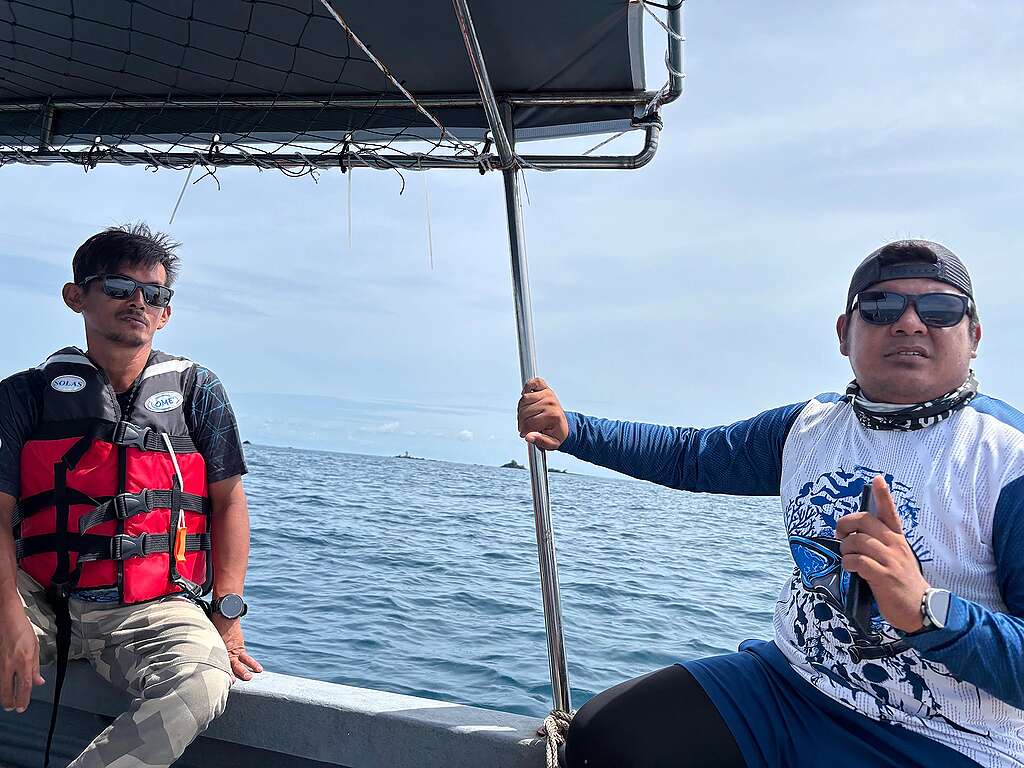
For groups like Persatuan Sahabat Wanita Kudat Sabah, the intersection of environmental justice and gender has become more visible. The association has received reports from local women, particularly single mothers, in Kudat about their homes being destroyed by extreme weather events and concerns about silica mining that threatens coastal livelihoods and biodiversity. With communities often bearing the brunt of extractivism, this begs the question: was the locals consulted in the first place?
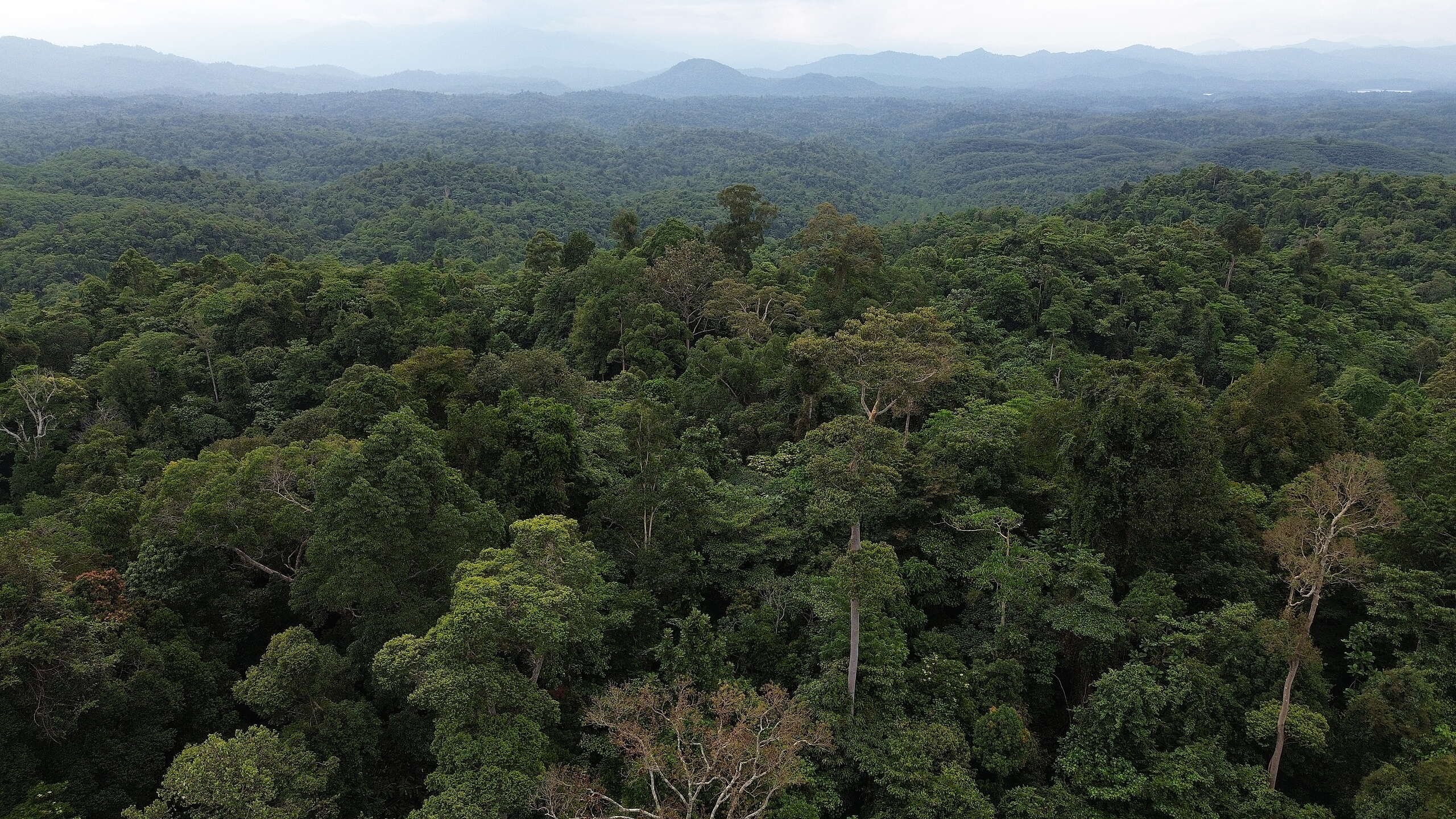
The beauty of TMP is not just thanks to communities working together to conserve it but also depends on how active community members are involved in development and decision making. Rather than a top-down approach for development, we should champion local voices and co-designing decisions. Beyond Malaysia, coastal communities and indigenous peoples in Thailand are engaging in ways to elevate their right to development through citizen science. When we engage with communities meaningfully, we can shape development rooted in local realities and solutions. This means instead of building ineffective seawalls without community consultation, developers should engage with villagers to invest in nature-based solutions and capacity building in coastal monitoring and maintenance.
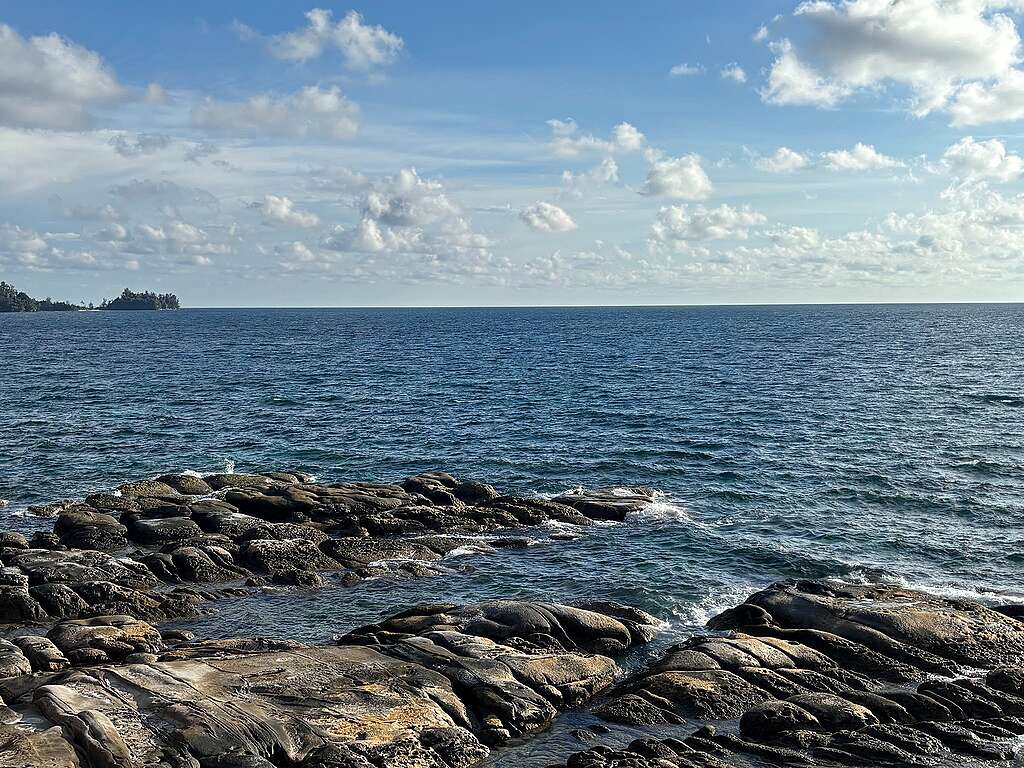
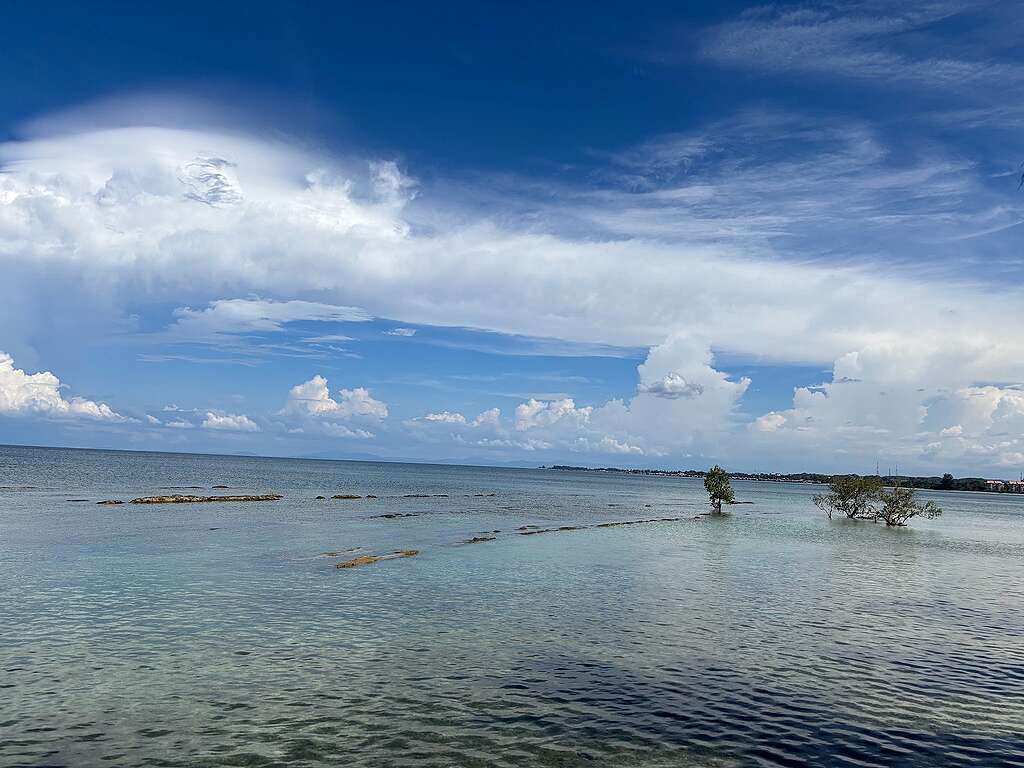
Prioritsing people’s livelihoods at the heart of decisions
Communities are the pillars of conservation and development and we should actively advocate for them to participate in civic decision making processes that impact their ecosystems, homes and livelihoods. With the threat of a possible oil and gas project within TMP’s boundaries, we must strongly push against development in No-Go-Zones like MPAs and urge for transparent, accountable governance across energy projects.
This also requires the Malaysian government to answer the rallying calls of communities and conservation groups to protect 30% of the world’s oceans by 2030 and to expedite the national process of ratifying the Global Ocean Treaty. For a protected area like TMP, the principles of free, prior and informed consent (FPIC) are crucial as well. Ideally, our work with communities should always remind us of what we should be protecting and who we should be empowering.