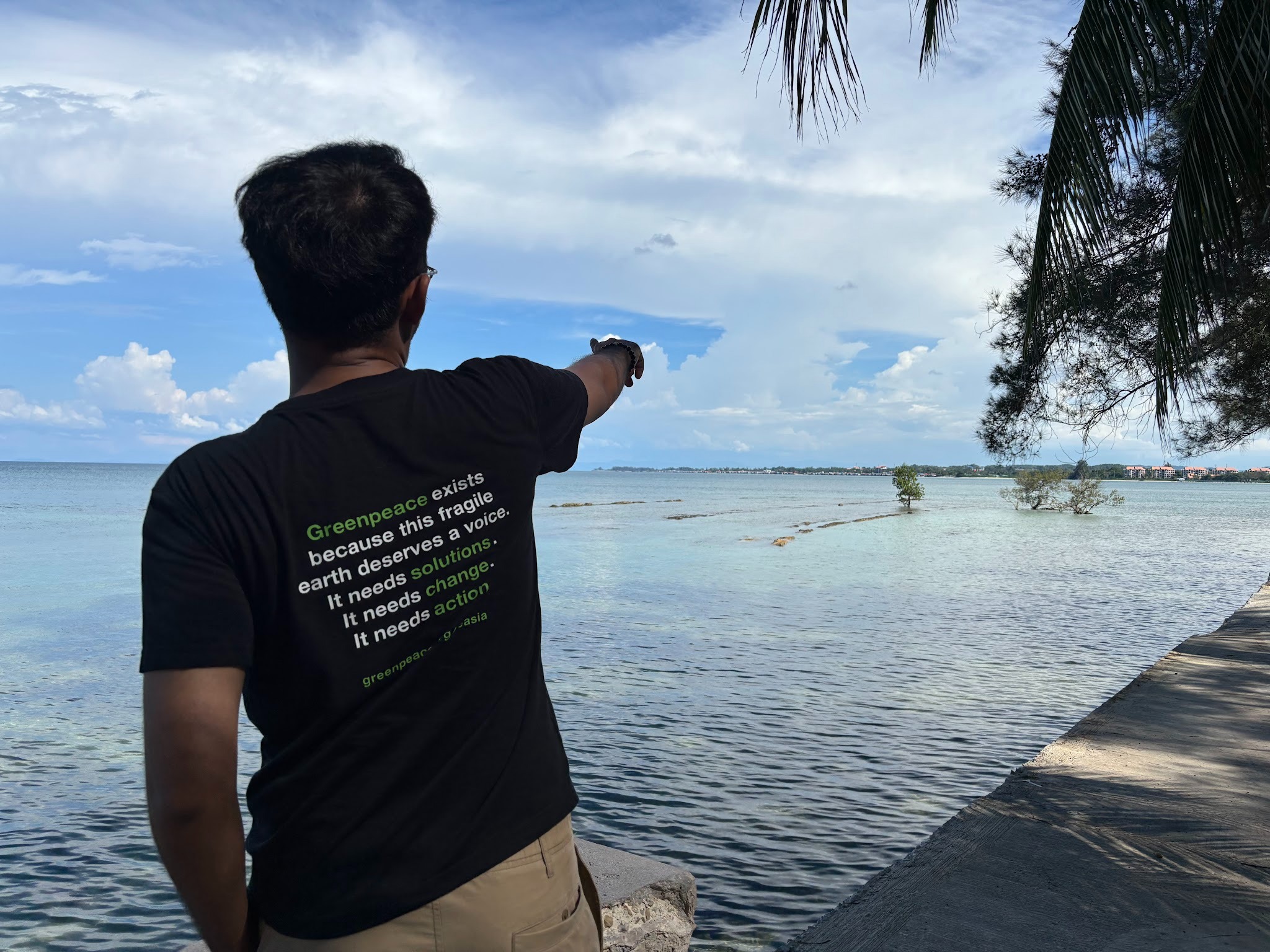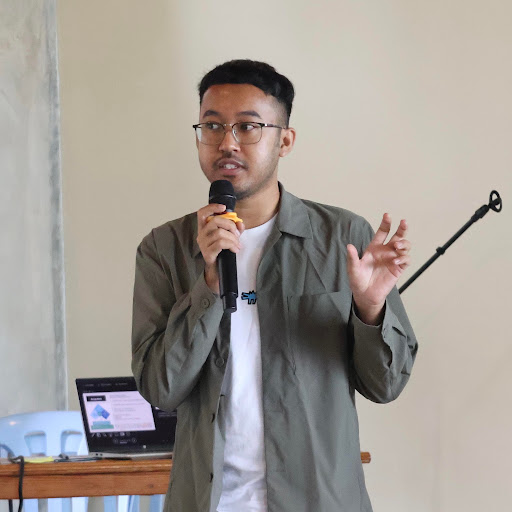


In late September of this year, Greenpeace Malaysia organised a Community Empowerment Workshop that brought people from NGOs, CBOs, state government and community representatives from several Jawatankuasa Kemajuan dan Keselamatan Kampung (JKKK) in Kudat, Sabah.
Together with the participants, we discussed local environmental issues in Tun Mustapha Park (TMP) that affected the biodiversity and local people. These include threats of fish bombing, plastic pollution, climate change as well as proposed oil and gas exploration. Such issues tend to overlap with community livelihoods, their rights to sustainable development and how the locals are often excluded from decision making.
Changing from consultation to consent
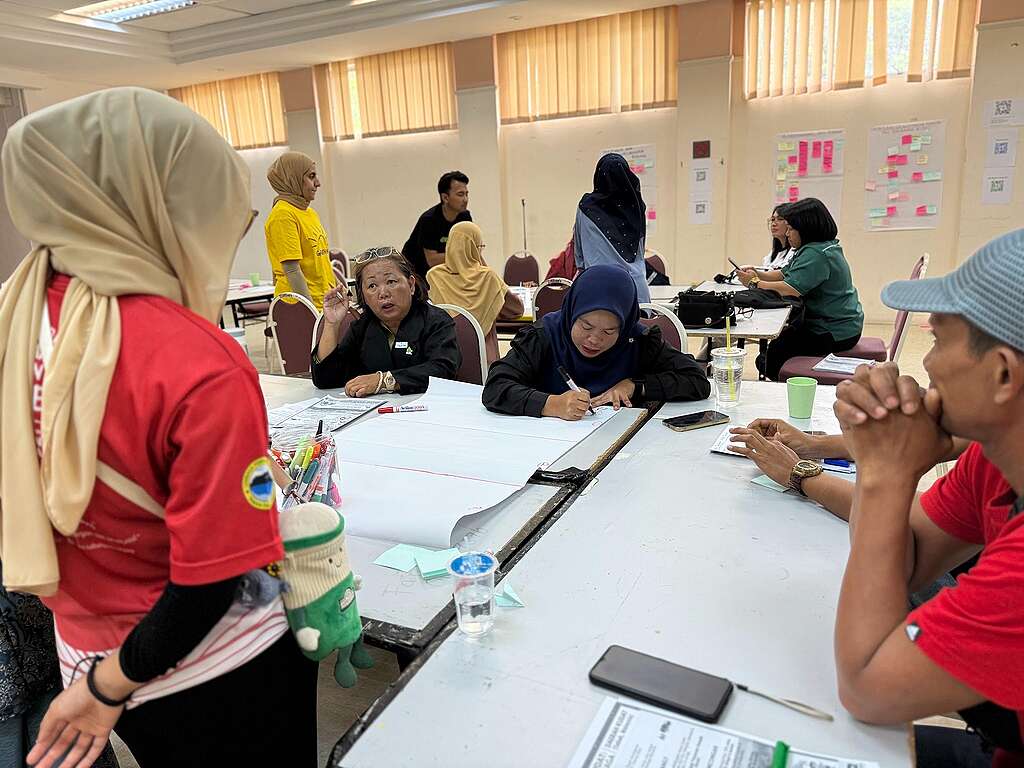
During the workshop, we had a breakout discussion to better understand community needs regarding their participation in civic and development decision making processes. What should happen before a development project starts? How about during the construction process? Will the community benefit from the project once the project is completed? In this session, the participants came together to put forward recommendations to address these critical questions.
We framed the activity with the scenario of energy projects like solar installations and proposed oil and gas expansion. These are already the realities and concerns for local communities such as abandoned solar projects on Banggi Island and silica mining that threatens Bangau Beach and the livelihoods of villagers there. Generally, the participants communicated demands that echoed the principles of free, informed, and prior consent (FPIC), emphasising on social license while also wanting to benefit from development projects through local job opportunities, infrastructure and utility improvements as well as scholarship programmes for future generations.
Local communities know what’s best for their livelihoods and the natural resources around them. They demand effective communication channels are needed for them to be meaningfully consulted in development projects. To community members, transparency and accountability from developers are vital through frequent social and environmental risk monitoring and strong grievance mechanisms. It is also important to note that communities are able to use traditional knowledge to fill in the gaps, especially during development mapping and mitigation of risks, based on generations of local experience and stewardship.
Building community partnerships is vital for development and conservation
We’re thankful to have our partners, Banggi Coral Conservation Society, Persatuan Kelestarian Komuniti Marin Banggi and Persatuan Sahabat Wanita Kudat Sabah for delivering skillshare sessions with the other participants. For many years, they have been working to restore corals, doing fisheries improvement and championing community advocacy to the government. These skillshare sessions were important in building the capacity of communities to understand and address local environmental and development issues. Supporting these groups is a crucial step of ensuring that development and conservation are rooted in local realities.
What’s next?
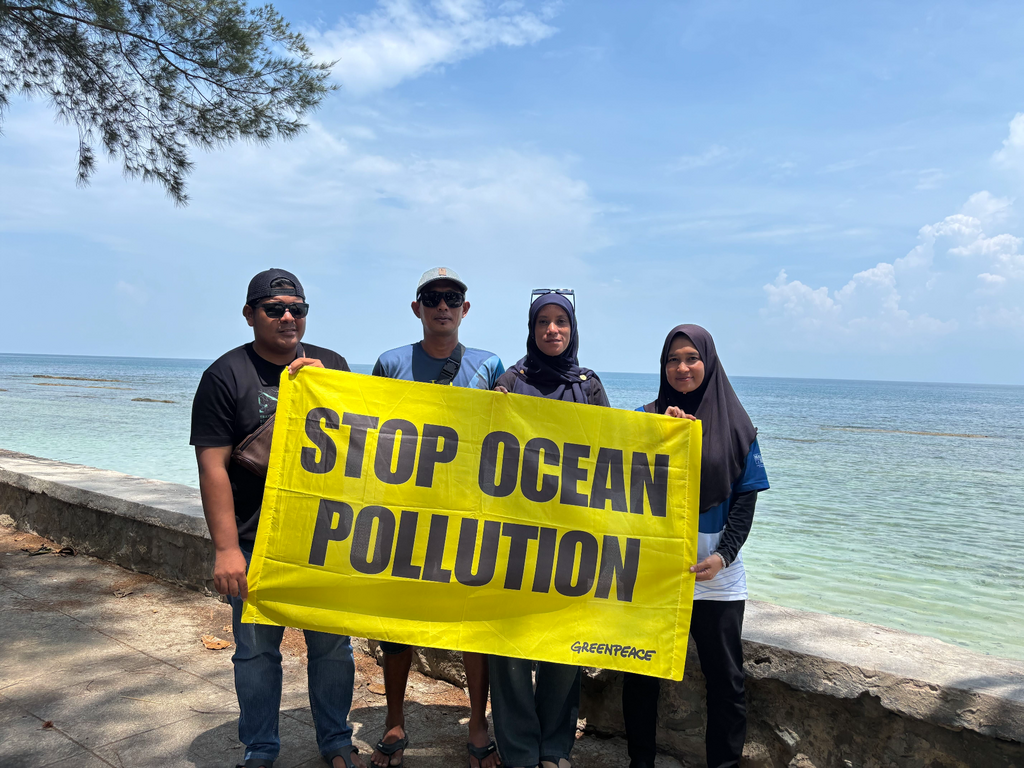
Building upon the recommendations from the Community Empowerment Workshop, we aim to develop an advocacy toolkit that coastal communities can use in the context of conservation and development. Our hope is that this guiding document will be able to support locals to safeguard TMP while advocating for community justice, especially when they are attending consultations with the government or industry. Communities are central to conservation and development and we should champion for them to participate meaningfully in decision making processes that impact their ecosystems, homes and livelihoods.
Greenpeace Malaysia is grateful to those that attended and contributed to the Community Empowerment Workshop, including Sabah Parks, Banggi Coral Conservation Society (BCCS), Persatuan Kelestarian Komuniti Marin Banggi, Persatuan Sahabat Wanita Kudat Sabah, WWF-Malaysia and community representatives from JKKK Kg. Kulam, JKKK Kg. Limau-Limauan, JKKK Kg. Landung Ayang Bukit. JKKK Kg. Sungaipai, JKKK Kg. Parapat Laut, JKKK Kg. Seri Aman and JKKK Kg. Tampakan.