
News & Stories
Filter posts
Filtered results
-
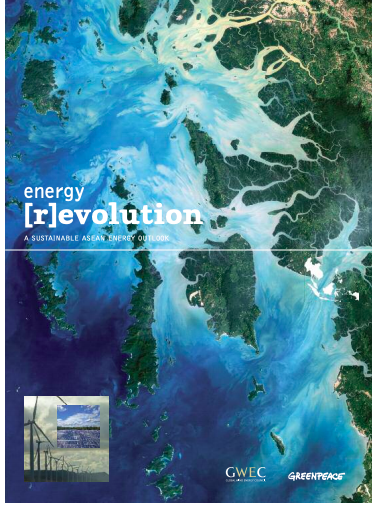
Energy [R]evolution: A Sustainable ASEAN Energy Outlook
Southeast Asia needs energy – sustainable, clean energy! Renewable energy is the solution to the region’s energy needs and it is undeniable that the potential for the 10-member countries of…
-
Green is gold: how renewable energy can save us money and generate jobs
Green can bring us gold: renewable energy can bring jobs, cost savings, and money to the Philippines. However, in the Philippines, ordinary citizens, business people, government workers, and even the…
-
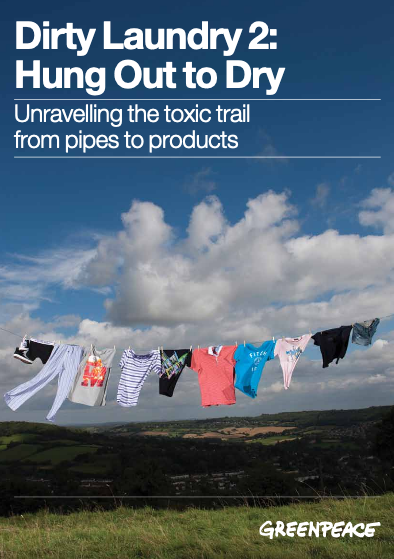
Dirty Laundry 2: Hung Out to Dry
Research commissioned by Greenpeace International has revealed that clothing and certain fabric-based shoes sold internationally by major clothing brands are manufactured using nonylphenol ethoxylates (NPEs). NPEs -- which are used as surfactants in textile production -- subsequently break down to form toxic nonylphenol (NP). Nonylphenol is a persistent chemical with hormone-disrupting properties that builds up…
-

Climate change and water: impacts and vulnerabilities in the Philippines
Climate change is undoubtedly the biggest challenge the Philippines faces today, and the vulnerability of our water resources to this phenomenon is a reality that can no longer be ignored. But while water scarcity is perhaps one of the most alarming projected effects of climate change on water resources, two recent typhoons in the Philippines—Ketsana…
-

The state of water in the Philippines
This report gathers available information regarding water resources in the Philippines, focusing on the issues of pollution, especially of drinking water and freshwater sources, and water scarcity. It also reviews the country’s existing legal and policy frameworks for water use, quality control, and management.